
For most couples, the wedding night is envisioned as a seamless, magical culmination of a lifetime of planning—a moment to unwind in a luxurious suite, celebrate with a partner, and bask in the glow of a momentous milestone. But for wheelchair users and travelers with mobility disabilities, that cherished dream is frequently undermined by a stark reality: finding a truly accessible hotel suite is akin to searching for a unicorn.
When suites designated as accessible do exist, they routinely suffer from the same frustrating and exclusionary design barriers found in standard-sized ADA-compliant rooms. Missing shower seats, excessively high beds, and heavy doors that defy independent operation are just a few of the persistent hurdles disabled travelers encounter across the hospitality industry. These structural oversights transform what should be a comfortable luxury into a daily test of endurance, raising broader questions about why premium accessible rooms remain so scarce and whether hotels are truly doing enough to fulfill their obligations under federal law.
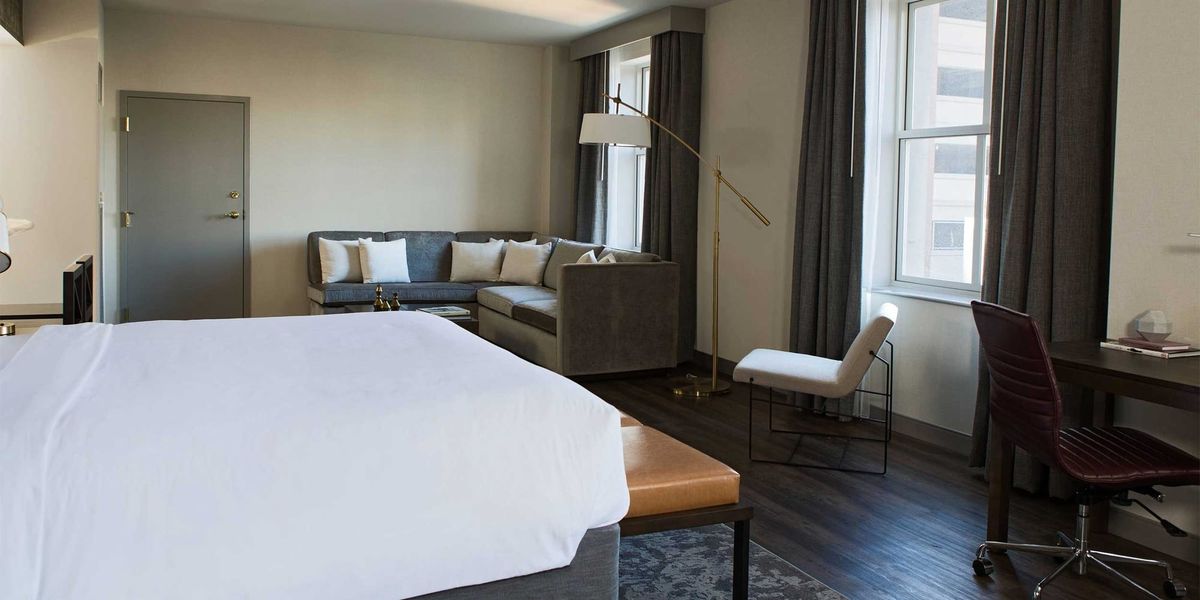
These challenges were brought into sharp relief for travel writer and accessibility advocate John Morris and his partner, Stevie, following their wedding reception. After celebrating their nuptials, the couple checked into a Junior Suite at the Marriott St. Louis Grand, hoping for a comfortable end to an otherwise joyous day. Securing the room had been no small feat; it was virtually the only accessible suite the couple could locate in the entire city of St. Louis, aside from an Arch-view suite at the Four Seasons Hotel that far exceeded their budget, and alternative options restricted to extended-stay properties like Embassy Suites.
The Marriott St. Louis Grand boasts a prime downtown location, and while its rooms were visibly due for a stylistic refresh, the couple entered the hotel with high hopes. The accessible suite initially appeared fair, meeting baseline expectations before a single, critical exception upended their stay and transformed a momentous occasion into an ordeal that ultimately merited a sharply negative review.

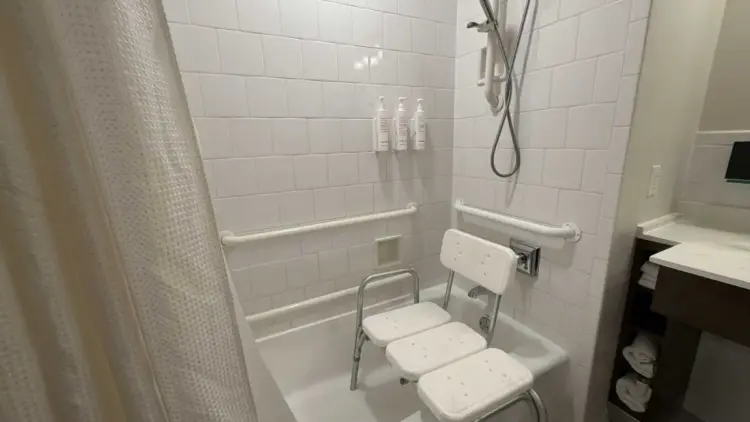
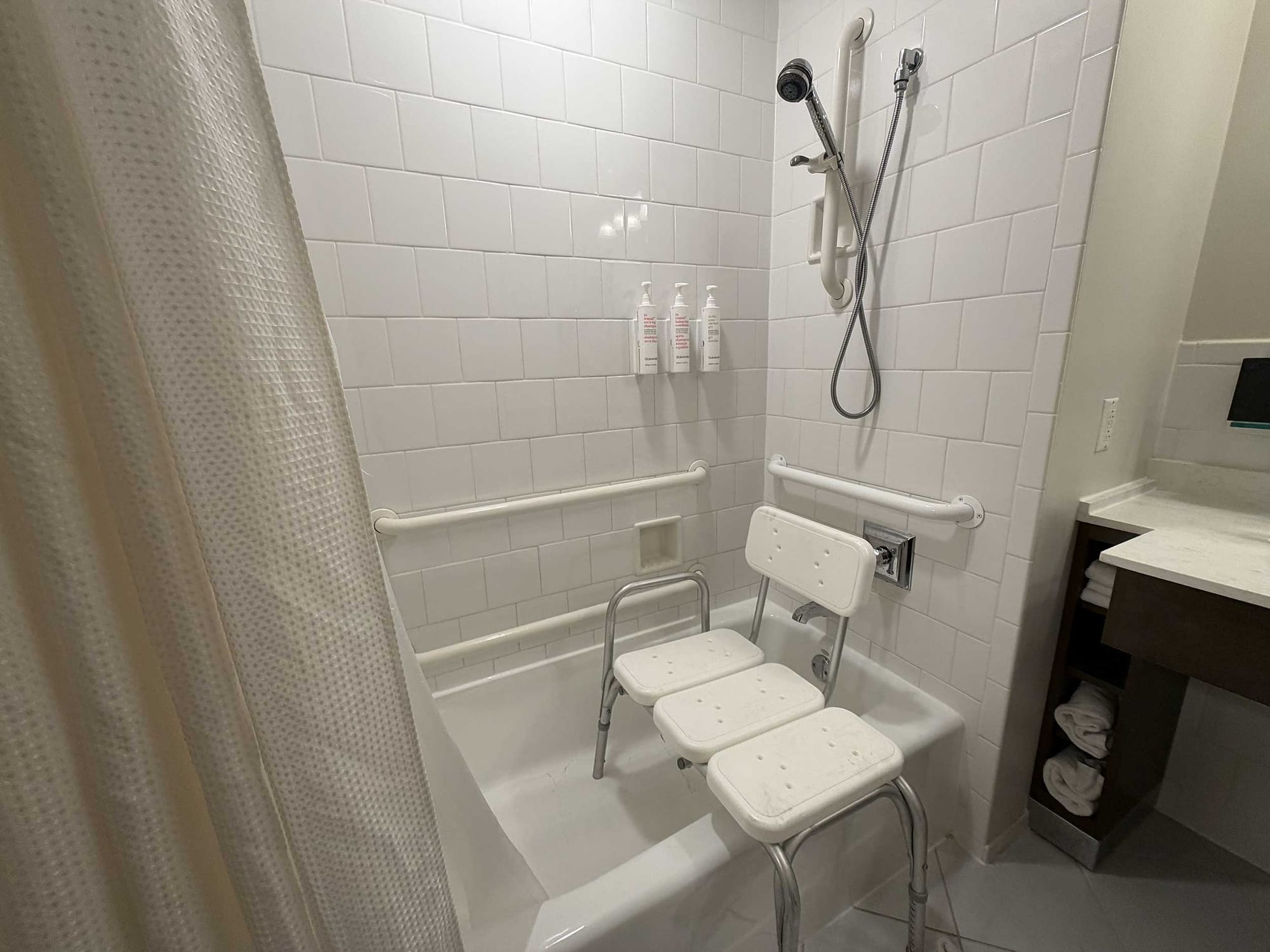
The primary point of failure centered on the hotel’s provision of an inaccessible and non-compliant bathroom setup. In their designated accessible room equipped with a bathtub, the hotel failed to supply an ADA-compliant bathtub seat. Under federal guidelines governed by the ADA Standards for Accessible Design, bathtub seats must be either permanently affixed to the tub structure or removable while retaining the capacity for secure attachment. Standard portable, plastic shower chairs featuring four independent legs are incapable of achieving a secure attachment to a bathtub surface, constituting a direct violation of federal accessibility standards.
Instead of providing a secure, compliant installation, the Marriott St. Louis Grand supplied a portable plastic chair, a hazard that was further compounded by the fixture’s poor orientation. The chair featured a built-in grab bar positioned in such a manner that it could only be utilized backward, forcing the user to face away from the handheld showerhead and the water controls. Compounding the safety risks, the chair lacked rubber leg tips, leaving exposed metal legs to slide dangerously across the smooth bottom of the tub while actively scratching the surface.

When the couple brought the issue to the attention of the front desk, the staff on duty proved genuinely apologetic but ultimately powerless to rectify the situation at that late-night hour. The combination of an unsafe, mobile chair and an improper orientation rendered the bathtub entirely inaccessible and hazardous to use, casting a pall over the post-wedding celebration.
In the aftermath of the stay, Morris reached out to the hotel property via email to document the experience and seek accountability. The property’s Room Operations Manager responded with an expression of regret, apologizing for the inconvenience and disappointment experienced during the stay, particularly on an occasion as significant as a wedding night.
Undeterred by standard corporate apologies, Morris pressed further up the chain of command, directing his correspondence to the general manager in the hope of securing concrete, actionable commitments to cure the underlying accessibility barrier. To his credit, the general manager responded with commendable speed, offering direct assurances that the identified ADA compliance issues would be immediately addressed, specifically noting plans to purchase proper, ADA-compliant bathtub seats for the property.
While the general manager’s swift response signaled a willingness to correct the immediate failing, the resolution left lingering financial and emotional friction. The couple paid the full, unadjusted rate of approximately $375 for a suite that ultimately featured an unusable and non-compliant bathroom. No financial compensation or gesture of goodwill was offered to offset the troubled experience on their wedding night.

As advocates for disability rights and inclusive travel continue to document accessibility wins and losses across the globe, the incident at the Marriott St. Louis Grand serves as a potent reminder of the work still required within the hospitality sector. Whether the property’s promised reforms will translate into lasting structural and operational changes remains to be seen, but travelers like Morris intend to hold hotels accountable to the letter and spirit of the law.



