
Cartagena, Colombia, long celebrated for its romantic, walled Old Town and its status as a UNESCO World Heritage Site, has historically been viewed by travelers as a cultural and historical destination rather than a haven for sun and sand. While the city’s Caribbean coastline boasts plenty of ocean views, finding a comfortable, barrier-free beach experience has traditionally presented a formidable challenge for travelers with physical disabilities. That narrative is beginning to shift, however, thanks to a series of significant infrastructure and accessibility improvements implemented along a key stretch of coastline in the modern Bocagrande district.
These recent developments have transformed a portion of the city’s urban shoreline into the first truly wheelchair-accessible beach in Cartagena. By introducing purpose-built pathways, specialized floating beach equipment, adapted seating areas, and accessible restroom facilities, local authorities are opening up the Caribbean Sea to residents and international visitors who have long faced mobility barriers in coastal environments. The milestone represents a rare and encouraging leap forward for inclusive tourism in South America, where fully accessible beach infrastructure remains an uncommon sight.
A Wheelchair-Accessible Beach Arrives in Bocagrande
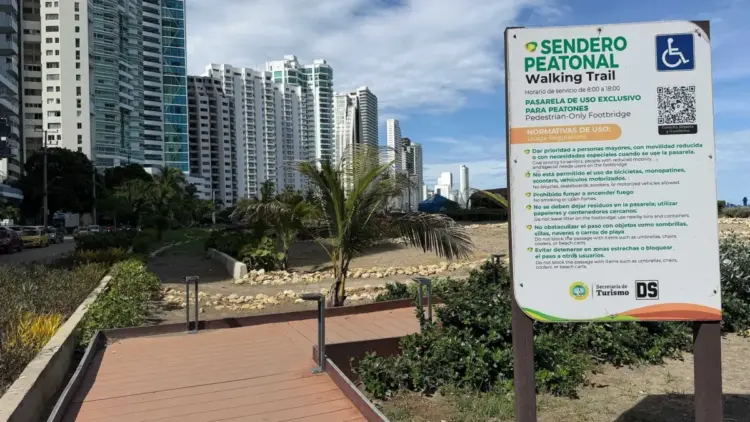
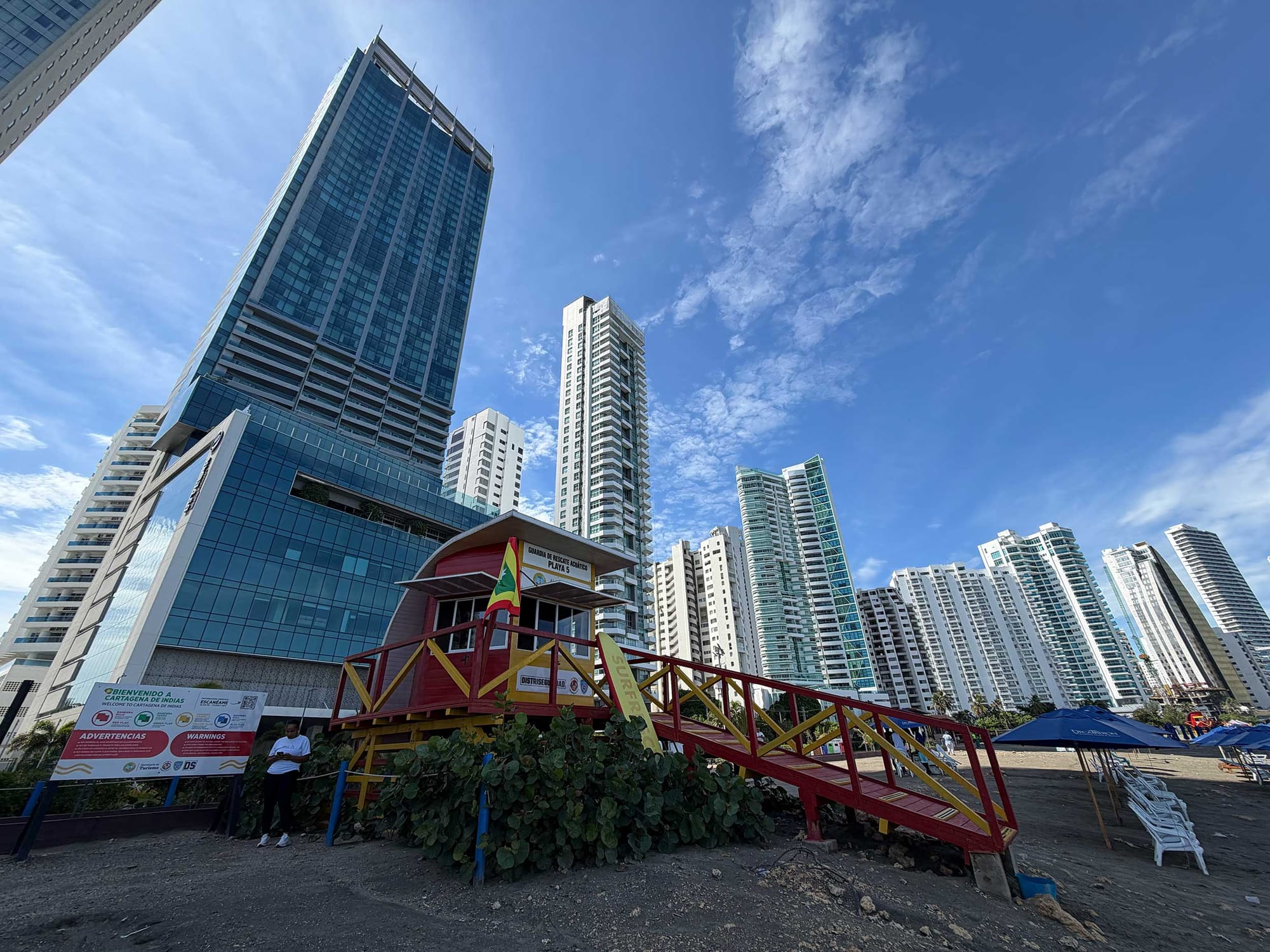
The groundbreaking accessibility initiative is centered at Playa 5 in the bustling Bocagrande neighborhood. Strategically positioned directly across the street from prominent hospitality landmarks including the Hyatt Regency Cartagena and the ESTELAR Cartagena de Indias Hotel, the new access point is centrally located and easy for visitors to find. The primary entryway sits at the vibrant intersection of Carrera 1 and Calle 12, where a wide, smooth boardwalk immediately welcomes pedestrians and visitors using mobility devices, creating a seamless transition from the urban streetscape toward the sparkling waters of the Caribbean.
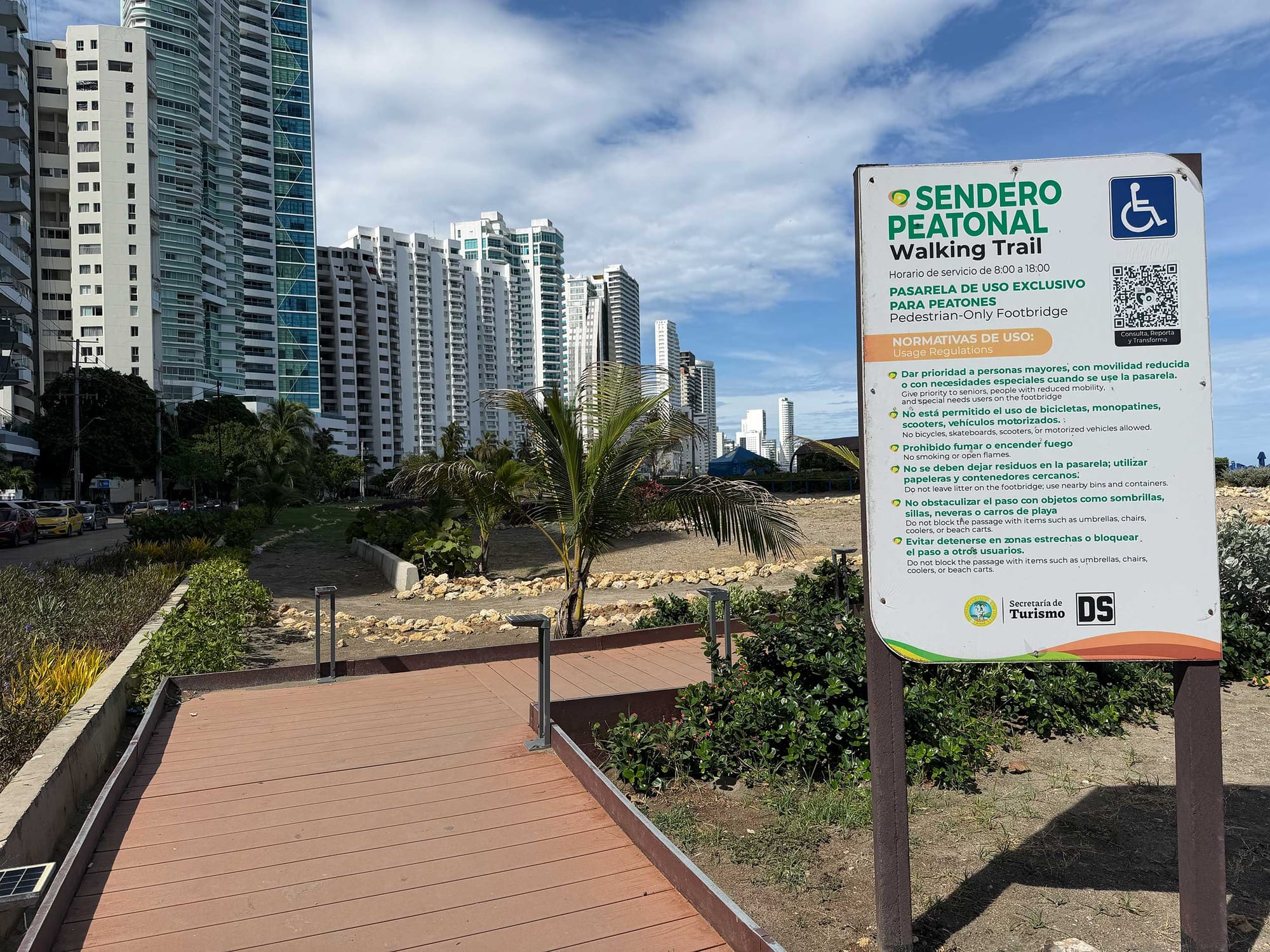
Locally designated as the "Sendero Peatonal," or Walking Trail, this dedicated boardwalk is reserved exclusively for pedestrian traffic. Official informational signs posted near the entrance display the international wheelchair accessibility symbol alongside clear usage regulations written in both Spanish and English. To ensure the comfort and safety of all visitors, posted guidelines explicitly ask users to give priority on the pathway to senior citizens and individuals with reduced mobility.
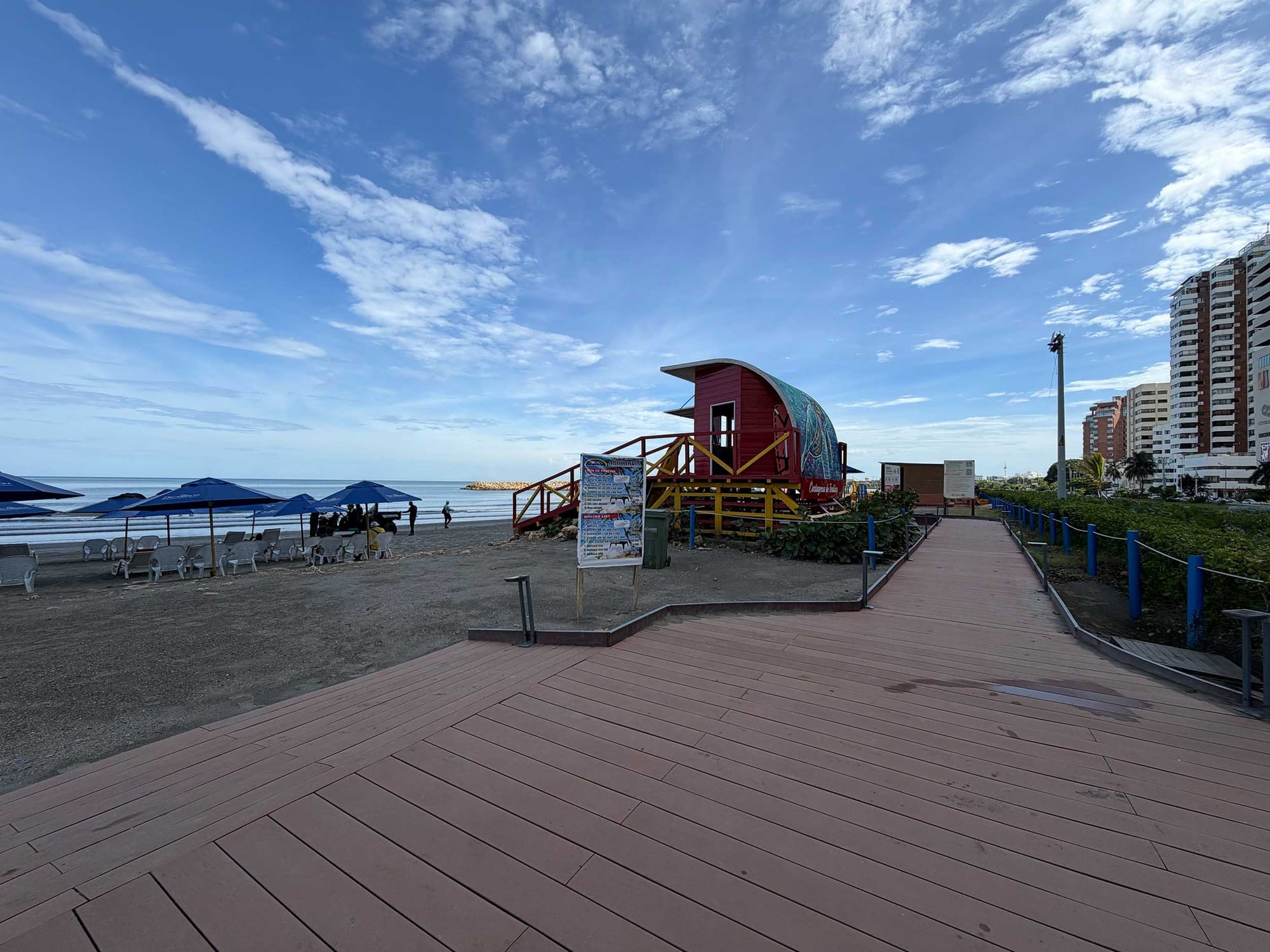
While the boardwalk provides an exceptionally smooth journey parallel to the shoreline, bridging the gap between the raised wooden deck and the water requires additional measures. A ramp extends downward from the boardwalk directly onto the soft sand, though it stops short of reaching the ocean itself. While city planners have yet to install a continuous portable beach mat running all the way from the boardwalk to the water’s edge—an addition that would undoubtedly streamline independent navigation—wheelchair users are currently provided with a practical and specialized solution to cross the sand and plunge into the waves.
Free WaterWheels Beach Wheelchair Empowers Travelers
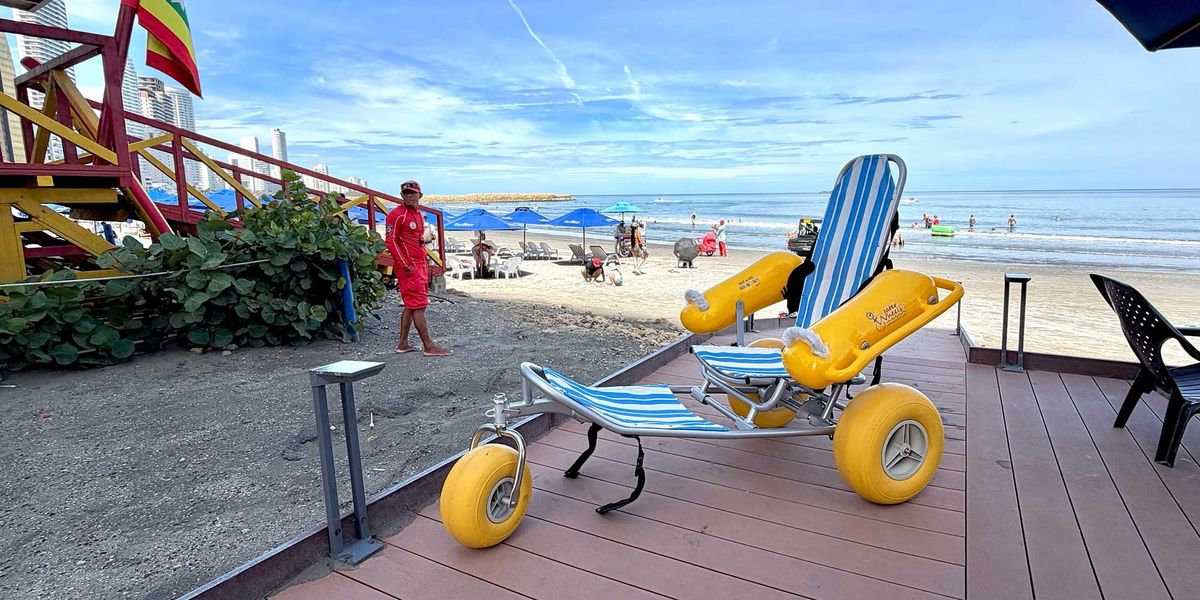
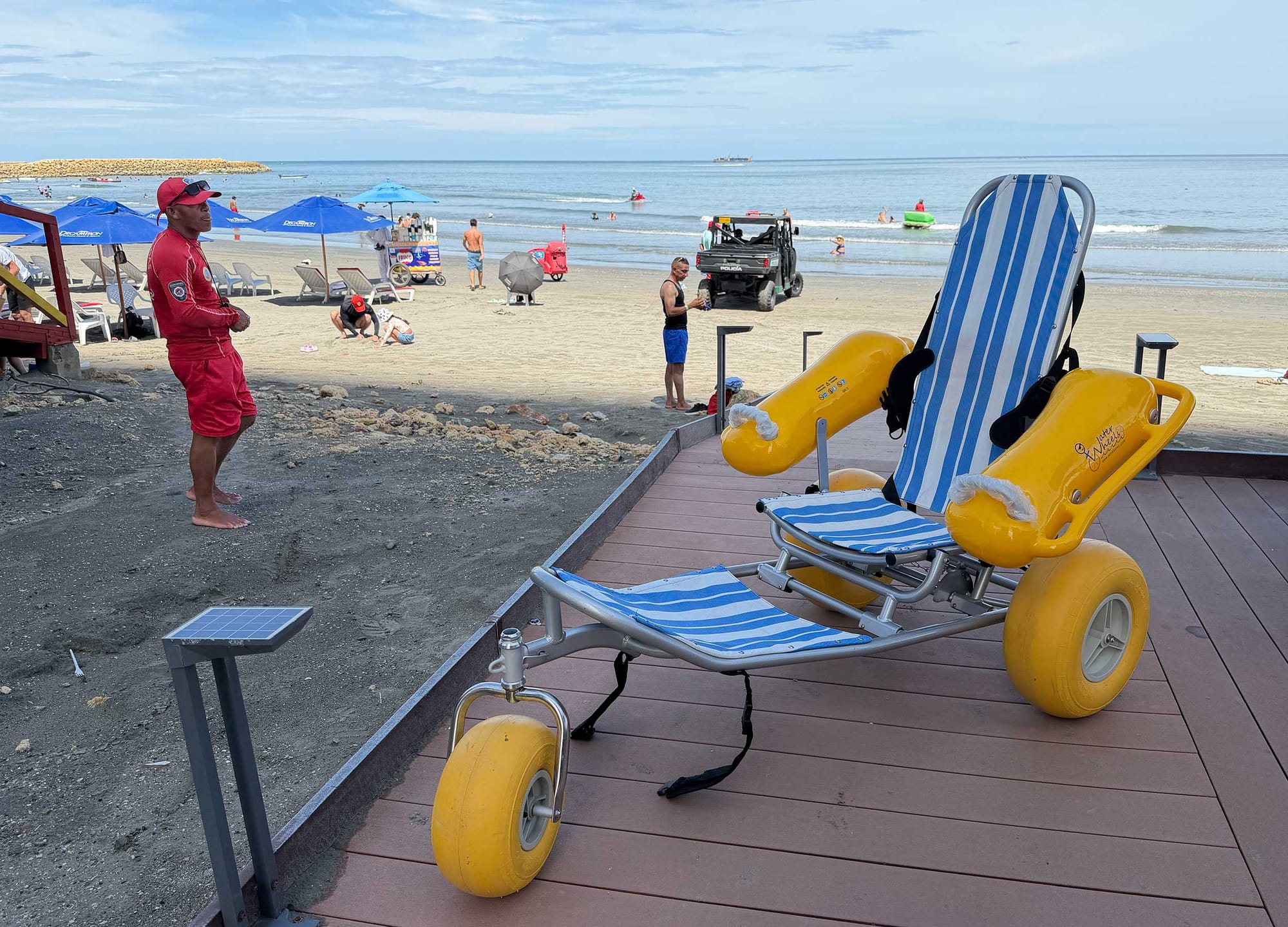
The key to navigating the final stretch of sand and entering the sea lies in the provision of the WaterWheels Floating Beach Wheelchair, which is made available to the public completely free of charge. Travelers wishing to borrow the specialized equipment need only approach the on-duty lifeguards stationed at the Playa 5 lifeguard post. Observers and visitors have reported that the local lifeguard staff is remarkably welcoming, kind, and eager to lend a helping hand to those looking to make the most of their coastal visit.
The WaterWheels chair is engineered specifically for challenging coastal terrains, featuring oversized, buoyant balloon tires that roll smoothly and effortlessly over loose, soft sand without sinking. Additionally, the chair is equipped with distinctive flotation armrests that provide vital buoyancy, allowing users to safely transition from the shore and enter the water to experience the refreshing Caribbean Sea firsthand. Because the WaterWheels model is a manual beach wheelchair, its utility naturally relies on having a travel companion, family member, or friend available to push the chair across the sand and into the surf. For those traveling with a support network, however, the complimentary service offers an extraordinary and joyous way to experience a coastal activity that was previously out of reach.
Wheelchair-Accessible Seating, Shade, and Facilities
Beyond mobility and swimming equipment, the Playa 5 accessibility project incorporates vital amenities designed to ensure that visitors can spend a comfortable day by the ocean. Directly adjacent to the red-and-yellow Playa 5 lifeguard station, the site features a dedicated accessible seating area situated safely on the boardwalk. This designated zone is equipped with comfortable chairs and protective umbrellas, providing essential shade from the tropical Caribbean sun on a first-come, first-served basis.
While everyday visitors can utilize these shaded spots, the surrounding infrastructure also supports broader commercial and recreational beach life. Down on the sandy expanse below the boardwalk, standard beach chairs and umbrellas can be rented for a fee from local independent vendors. Furthermore, the persistent presence of on-duty lifeguards and regular patrols by municipal police officers help position this specific stretch of coastline as one of the most secure and well-monitored beach areas in the entire city.
Infrastructure upgrades extend to essential sanitation facilities as well. A dedicated bathroom and shower facility is conveniently located right at the beach site, operating daily between the hours of 8:00 a.m. and 6:00 p.m. Within this facility, visitors will find a designated wheelchair-accessible restroom stall. While the stall is relatively compact in size, it is fully functional and equipped with a sturdy grab bar mounted directly on the wall next to the toilet. Due to the modest dimensions of the space, travelers utilizing larger power wheelchairs may find it challenging to execute a complete 360-degree turn inside the stall, yet the presence of the adapted facility remains a crucial asset for public beach infrastructure in the region.
Broader Impacts and Final Thoughts
The integration of barrier-free pathways, specialized floating beach gear, shaded seating, and adapted sanitary facilities at Playa 5 marks a notable evolution for Cartagena’s tourism landscape. Fully accessible beaches remain a rare commodity across much of South America, underscoring the significance of Cartagena’s proactive investment in inclusive public spaces for both local residents and international tourists. As urban planners and municipal leaders look for ways to modernize historic coastal cities for travelers of all abilities, the successful rollout in Bocagrande establishes a commendable precedent that advocates hope to see replicated across other coastal destinations in Colombia in the years ahead.



