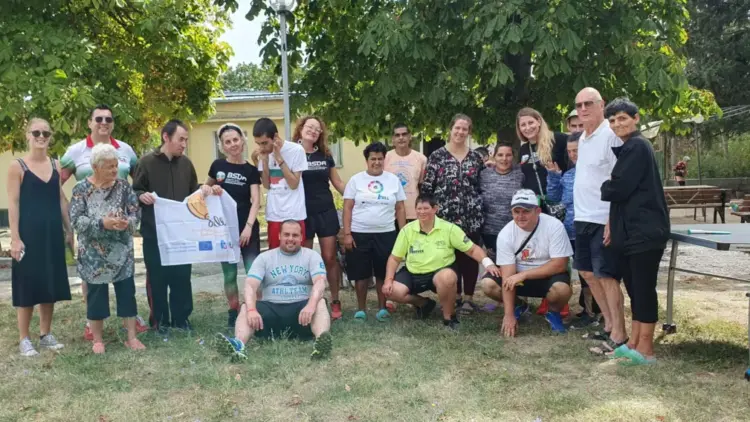
From September 12 to 15, 2023, Bulgaria played host to the final project meeting of the SMILE initiative, an acronym standing for Sport, Motivation, Inclusion, Leadership, and Engagement. Co-funded by the Erasmus+ programme of the European Union and expertly coordinated by the Bulgarian Sports Development Association, the landmark initiative sought to examine and redefine the intersection between athletics and social inclusion. By facilitating international participation in sporting activities specifically tailored for individuals with intellectual disabilities, the project carved out an innovative and compassionate pathway toward broader societal integration.
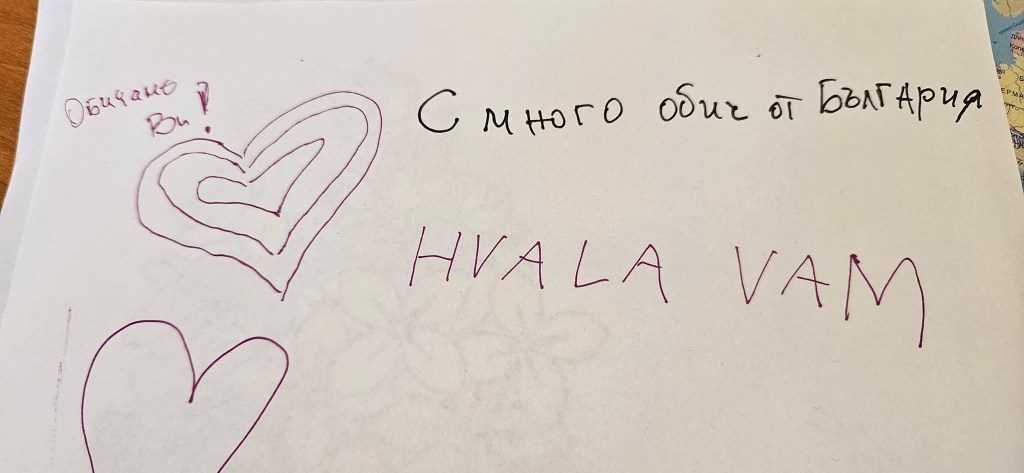
The final gathering in Bulgaria brought together a diverse and dedicated delegation to reflect upon the achievements of the initiative, review its lasting impacts, and chart a course for future advocacy. Among the attendees was a project manager, a dedicated coach, and two inspiring athletes with intellectual disabilities who proudly represented project partner the Rijeka Sports Association for Persons With Disabilities. Their presence underscored the core philosophy of the SMILE project: ensuring that individuals with intellectual disabilities are not merely passive beneficiaries of social programs, but active leaders, engaged participants, and central voices in international sports discourse.

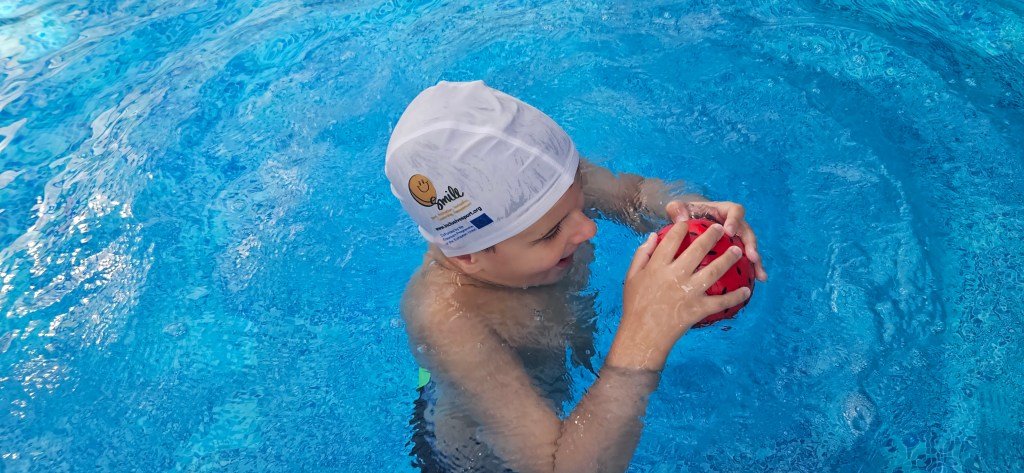
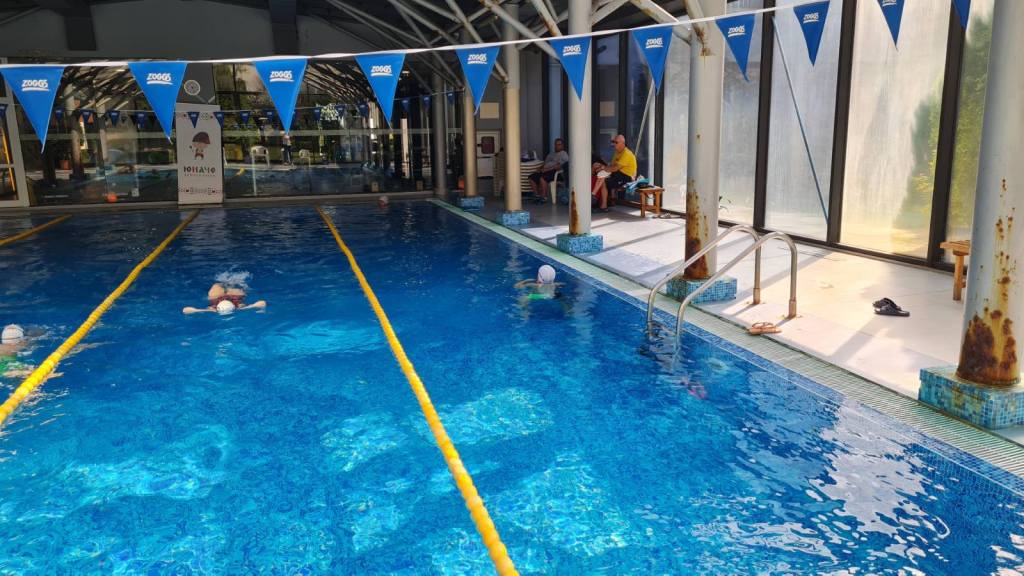
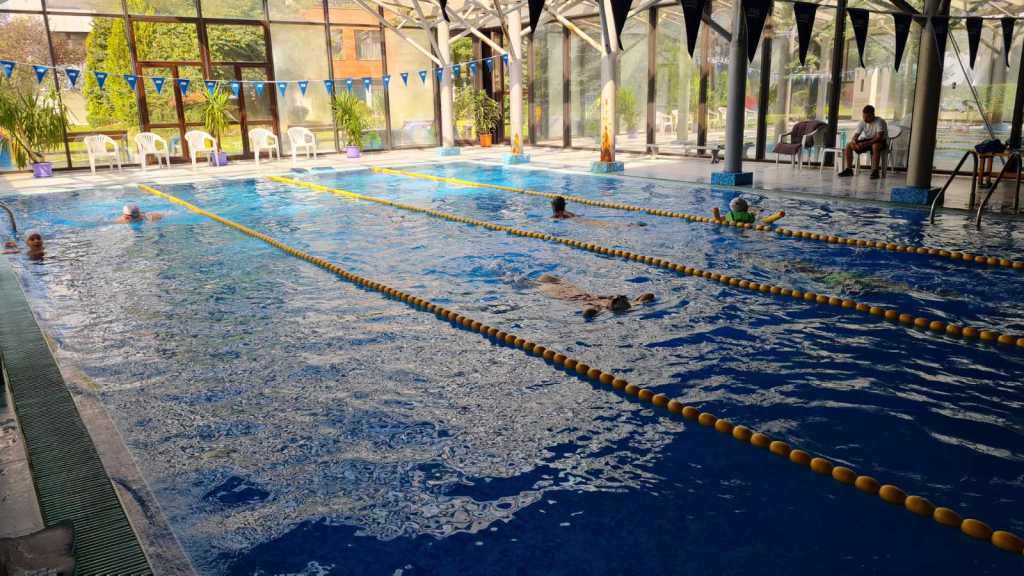
The multi-day itinerary was structured to blend administrative closure with deeply immersive, community-oriented practical visits. The proceedings began with essential team meetings designed to guarantee the smooth, comprehensive finalization of the initiative. These administrative sessions allowed partners to evaluate the overarching trajectory of the project, which has provided genuinely life-changing experiences for the participating athletes. Following these strategic evaluations, the delegation transitioned into the field, attending a dynamic practical visit centered around an adapted swimming session. This firsthand observation highlighted the tangible ways in which athletic training can be thoughtfully modified to accommodate diverse physical and cognitive needs, offering a replicable model for inclusive sports programs across Europe.
As the meeting progressed into its subsequent days, the scope of the delegation’s outreach expanded beyond traditional athletic facilities and into the heart of the local community. The partners traveled to meet with residents at a specialized state facility for adults with intellectual disabilities located in the scenic town of Banya. This particular group held a special connection to the initiative, having participated earlier in the year in a major international sport event held in Croatia under the SMILE umbrella. Reconnecting with these athletes provided a powerful reminder of the international bonds forged through the project and the enduring sense of accomplishment experienced by those who stepped onto the global stage.
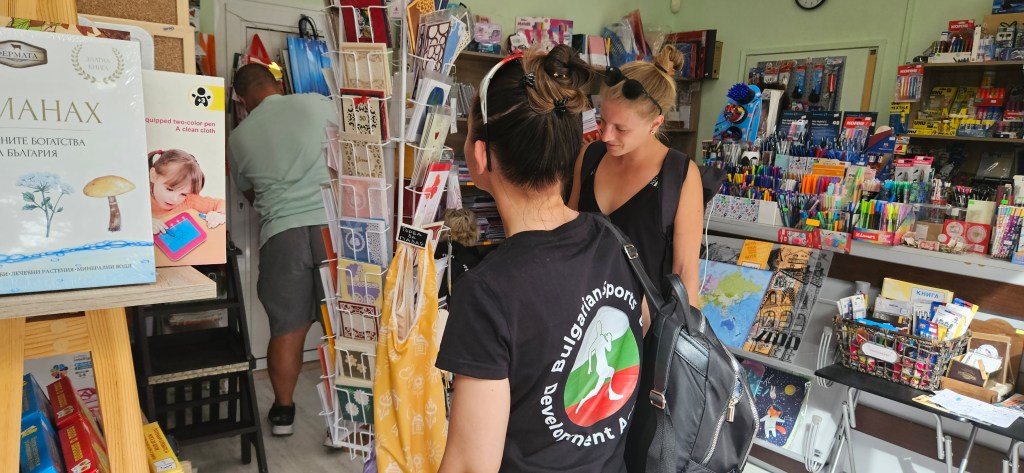
Continuing their journey of community engagement, the delegation also visited Sonic Start and the social bookshop known as “Hope” in the vibrant city of Plovdiv. Here, the project partners had the opportunity to meet directly with individuals with intellectual disabilities who are gainfully employed within the social enterprise. By observing and supporting the daily operations of these workers, the delegation witnessed firsthand the practical realization of the SMILE project’s economic and social empowerment goals. These visits vividly demonstrated that inclusion extends far beyond the athletic arena, encompassing meaningful employment, vocational independence, and active participation in the cultural and economic life of the community.
The overarching mission of the SMILE initiative has consistently been anchored in empowerment and structured around breaking down systemic barriers. Through a comprehensive array of activities implemented throughout its lifecycle, the project was meticulously designed to empower persons with intellectual disabilities to build self-confidence, cultivate leadership qualities, and establish sustainable habits of physical activity. By creating structured environments where these individuals could travel, train, and compete internationally, SMILE challenged prevailing societal stereotypes and demonstrated that athletic excellence and personal growth are accessible to all, regardless of cognitive ability.
Furthermore, the SMILE project aligns seamlessly with the core horizontal objectives pursued by the European Union’s Erasmus+ Programme. By actively championing inclusion and diversity across all fields of education, training, youth, and sport, the initiative serves as a shining example of how European funding can successfully integrate highly disadvantaged groups into international spheres of activity. The core philosophy of SMILE directly mirrors the overarching European priority of encouraging broad, barrier-free participation in sport and physical activity. Every action, event, and workshop implemented under the SMILE banner was deliberately focused on fostering the sustainable, long-term involvement of persons with intellectual disabilities in athletic pursuits at the local, national, and international levels, ensuring that the momentum generated by the project will continue to resonate long after its official conclusion.