Situated along the picturesque Central Coast of California, Morro Bay has long drawn travelers captivated by its maritime charm, rich ecosystem, and the striking silhouette of Morro Rock. As tourism along the Pacific coastline continues to evolve to meet the needs of all travelers, Morro Bay stands out as a coastal destination dedicated to ensuring that its scenic landscapes, trails, marine wildlife, and cultural offerings are accessible to everyone, including visitors and residents who use wheelchairs or require adaptive accommodations.
The seaside city offers a combination of natural wonders and carefully planned infrastructure, allowing individuals with mobility considerations to participate fully in the coastal experience. From paved waterfront esplanades overlooking the estuary to ground-level dining establishments serving fresh local seafood, Morro Bay demonstrates how municipal planning and travel hospitality can unite to create an inclusive environment.
Civic Accessibility Commitment
Underpinning the community’s welcoming environment is a formal civic commitment to equal access and non-discrimination. The City of Morro Bay maintains a comprehensive municipal policy ensuring that communication aids, auxiliary services, and ADA-compliant infrastructure are available across all city programs, public facilities, and official events.
In accordance with its official Americans with Disabilities Act notice, local municipal authorities actively work to eliminate physical and communicative barriers to civic life. The city provides auxiliary aids—such as qualified sign language interpreters, assistive listening systems, and accessible document formats—upon request for municipal meetings and public services. This structural commitment extends beyond city hall, setting a standard for local businesses, state park partners, and commercial operators throughout the harbor district.
Accessible Nature & Outdoor Experiences
One of Morro Bay’s primary draws is its intimate connection to the Pacific Ocean and its sheltered natural bay. Designed with mobility in mind, several outdoor sites allow wheelchair users to immerse themselves in the region’s abundant marine wildlife and coastal scenery without encountering impassable terrain.
The Embarcadero waterfront promenade serves as a central hub for accessible outdoor exploration. Featuring wide, smoothly paved walkways that extend directly alongside the harbor, the path offers continuous, level access to sweeping views of the bay. Visitors traveling along this corridor routinely spot California sea otters floating in the kelp beds, harbor seals resting on docks, and a wide variety of coastal birds navigating the shoreline. The flat topography and well-maintained surface make it ideal for manual and powered wheelchair users, as well as those utilizing mobility scooters.
For bird enthusiasts and nature lovers, the Morro Bay National Estuary provides exceptional wildlife viewing opportunities. Accessible viewing spots situated along the shoreline allow visitors to observe thousands of migratory shorebirds and waterfowl that use the estuary as a critical resting stop along the Pacific Flyway. Ramped viewing platforms and adjacent accessible parking spaces ensure that the sights and sounds of the estuary can be enjoyed comfortably without traversing uneven mudflats or deep sand.
Unique Wheelchair-Accessible Attractions
At the northern end of the harbor stands Morro Rock, a massive 576-foot volcanic plug that serves as the region’s defining natural landmark. The area surrounding the base of Morro Rock features paved roadways, dedicated accessible parking bays, and level viewing areas. Visitors can roll directly up toward the foot of the monument, taking in sweeping views of the Pacific Ocean, listening to the crashing surf, and observing peregrine falcons that nest on the rock face, all from hard-surfaced pathways.
Another prominent landmark is the Morro Bay Museum of Natural History, situated within Morro Bay State Park on a rocky promontory overlooking the upper estuary. The museum features ADA-compliant entrances, barrier-free interior exhibits, and accessible restroom facilities. Inside, visitors can engage with interactive displays covering local marine ecosystems, coastal geology, and regional history. The museum’s exterior grounds feature a paved overlook that provides elevated, unobstructed views of the bay, Morro Rock, and the surrounding wetlands, allowing guests with mobility equipment to enjoy panoramic sights that are often restricted to steep hiking trails in other state parks.
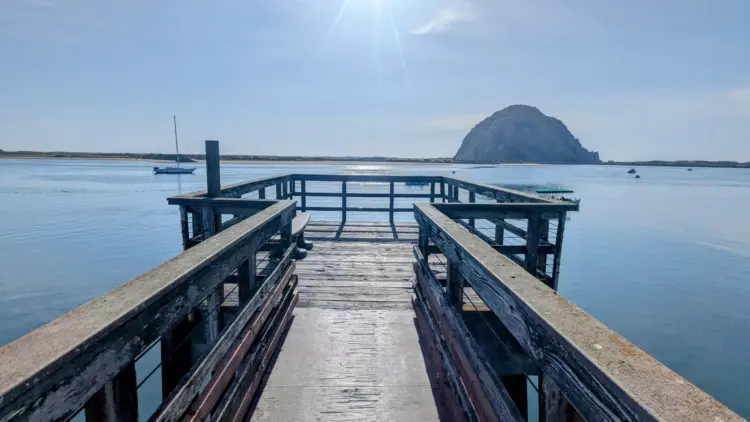
Additionally, the harborfront features accessible public piers and boardwalk stretches that allow visitors to get close to the water’s edge. Local boat operators periodically offer accessible bay tours equipped with boarding ramps, enabling guests with mobility devices to venture out onto the calm waters of the bay for closer views of the landmark rock and resident marine life.
Nearby Accessible Outdoor Attractions
Beyond the immediate municipal limits of Morro Bay, the surrounding Central Coast region offers several nearby state parks and outdoor destinations equipped with accessible features. These locations allow travelers to explore the broader San Luis Obispo County coastline without sacrificing accessibility.
Just south of the city, Morro Bay State Park offers paved day-use areas, accessible picnic tables, and flat, paved paths that wind through coastal eucalyptus groves and along the edge of the saltwater marsh. The park’s layout allows visitors to experience the serene coastal forest environment while remaining on solid, reliable footing.
Further south lies Montana de Oro State Park, renowned for its dramatic cliffs, secluded coves, and ocean bluffs. While much of the park consists of steep terrain, specific sections have been updated to accommodate wheelchair users. The Bluff Trail features crushed granite and board-walked segments designed to support mobility devices, offering safe passage along the edge of ocean cliffs with views of crashing waves, tide pools, and seasonal coastal wildflowers.
Where to Eat
Morro Bay’s culinary scene is deeply rooted in its commercial fishing heritage, with restaurants lining the waterfront offering fresh local catches ranging from wild rockfish and halibut to local oysters and Dungeness crab. Recognizing the importance of inclusive dining, the vast majority of waterfront eateries along the Embarcadero feature wheelchair-accessible entrances, wide interior aisles, and roll-under table seating.
Many harborfront dining establishments feature ground-level entrances or smoothly graded ramps that lead directly from the street or promenade into main dining rooms and outdoor patio decks. These accessible patio spaces allow guests using wheelchairs to dine outdoors while taking in harbor views, watching fishing boats return with their daily catches, and enjoying the coastal climate.
Additionally, public parking lots and street parking along the main dining corridors include clearly marked, ADA-compliant spaces with broad loading aisles, minimizing travel distances between vehicles and restaurant doors. Staff across local dining venues are accustomed to accommodating guests with varied mobility needs, ensuring a seamless dining experience.
Shopping Areas & Notable Shops
Shopping in Morro Bay centers largely around two main districts: the bustling Embarcadero waterfront and the downtown core situated slightly inland on gentle slopes. Both areas offer accessible shopping environments characterized by continuous sidewalk networks, curb ramps at street intersections, and accessible shop entrances.
Along the Embarcadero, retail storefronts—including local art galleries, souvenir shops, coastal gift boutiques, and specialty food stores—are generally situated at street level. Store owners frequently maintain wide, clutter-free aisles and accessible doorways to welcome all visitors. Smoothly paved sidewalks link the retail district directly to harbor walkways and public seating areas, making it easy to navigate between shops.
Downtown Morro Bay features additional boutique shops, antique stores, and local cafes. The city has invested in sidewalk infrastructure upgrades, installing ADA-compliant curb ramps and clear crosswalks that facilitate navigation between blocks. These municipal improvements allow visitors using wheelchairs, mobility scooters, or strollers to move comfortably between downtown businesses and waterfront attractions.
Where to Stay
To support overnight visitors, Morro Bay offers a diverse array of lodging accommodations equipped with ADA-compliant guest rooms and accessible public facilities. From cozy waterfront inns and boutique motels to mid-range hotels along the coast, options are available across various locations and price points.
Accessible accommodations in Morro Bay typically feature ground-floor access or elevator service to upper levels, wide interior doorways, lowered light switches and thermostats, and roll-in showers or accessible bathtubs equipped with grab bars and built-in seating. Designated accessible parking spaces with ample van clearance are standard across most lodging properties, providing direct and unobstructed pathways to lobby check-in areas.
Hotels located along the Embarcadero offer the added advantage of immediate proximity to accessible waterfront trails and restaurants, allowing guests to explore much of the shoreline without requiring vehicular transportation once settled in their rooms. With ongoing civic and commercial investments in accessibility, Morro Bay continues to strengthen its position as an inclusive and welcoming coastal getaway destination on California’s Central Coast.