

For millions of caregivers who have spent countless sleepless nights worrying about a parent’s failing memory or their own genetic family history, the rising global statistics surrounding cognitive decline can feel like an approaching storm. The pervasive fear that our ultimate cognitive destiny is entirely out of our hands often places a heavy emotional burden on families. However, recent medical research has offered a powerful narrative of hope, outlining a strategic path toward dementia prevention for seniors and aging adults worldwide.
The landmark Lancet Dementia Report serves as a monumental turning point in how medical professionals conceptualize and approach cognitive decline. According to the comprehensive data published in the report, nearly half of all dementia cases—specifically 45%—could theoretically be prevented or delayed by actively addressing 14 specific modifiable risk factors spanning across an individual’s lifetime. This paradigm shift moves away from the old-fashioned fatalism that viewed cognitive loss as an inevitable part of aging, offering concrete areas where proactive health management can make a profound difference.
The Hidden Connection: High LDL Cholesterol and Dementia
In this latest comprehensive update by the Lancet Commission, the official roster of modifiable dementia risk factors has grown from 12 to 14. The expansion introduces two critical variables that frequently surprise patients and their families: untreated vision loss and elevated levels of low-density lipoprotein (LDL) cholesterol.
Medical experts emphasize that managing cholesterol is far more than just a cardiovascular necessity; it is a profoundly proactive, brain-saving measure. Evidence indicates that high LDL cholesterol, which typically begins to manifest or compound during midlife, significantly increases the biological and vascular burden on the brain. The data regarding this factor is striking, carrying a weighted Population Attributable Fraction (PAF) of 7%. Addressing this single metabolic factor through diet, lifestyle modifications, or medical treatment could yield a massive impact on global dementia rates over the coming decades.
Hearing Loss Dementia Risk: Why Hearing Aids Matter
For caregivers looking for an actionable step that carries substantial preventive weight, addressing hearing loss is among the most impactful measures available. Auditory decline also carries a weighted PAF of 7%, cementing its status as one of the most significant modifiable risks identified by researchers.
The report highlights the findings of the landmark ACHIEVE study, which demonstrated that among high-risk groups, the consistent use of hearing aids reduced a three-year span of global cognitive decline by an astonishing 48%. Treating hearing loss accomplishes much more than simply clarifying sound for an aging loved one. It acts as a vital safeguard for the cognitive stimulation that naturally occurs through routine social contact and conversation.

When older adults hear better, they remain significantly more engaged in their communities and maintain a substantially lower risk of depression. By keeping the lines of communication open, families can effectively stave off the profound social isolation that frequently accelerates cognitive decline and mental fatigue.
Your DNA Is Not Your Destiny
One of the most profound and comforting sections of the updated report systematically debunks the rigid idea that genetics, specifically an individual’s APOE status, acts as an unalterable medical sentence. For anyone who has watched a beloved family member fade away from Alzheimer’s or related dementias and harbored a quiet fear that they are next, this data fundamentally changes the conversation.
The Commission explicitly found that overall dementia risk remains modifiable regardless of an individual’s APOE genetic status. Whether the strategy involves managing blood pressure to specific clinical targets or remaining socially and mentally active, these health interventions provide tangible benefits to individuals with both high and low genetic predisposition. As medical professionals often summarize the dynamic, genetics may load the gun, but lifestyle habits ultimately pull the trigger. Modern medicine now offers clear instructions on how to keep the safety mechanism engaged.

It Is Never Too Early and Never Too Late to Practice Healthy Aging
Public health experts stress that cognitive prevention is ultimately a life-course journey rather than a single intervention late in life. The primary objective is to delay the onset of symptoms so that even if an individual eventually develops dementia later in life, they spend the vast majority of their years healthy, vibrant, and independent.
The medical community is currently witnessing a profound philosophical shift away from the historical belief that cognitive deterioration is an unavoidable consequence of growing older. By taking deliberate control of these 14 modifiable risk factors—which range from managing midlife hypertension and hearing loss to avoiding excessive alcohol consumption and staying physically active—society can actively change the trajectory of long-term cognitive health.
Why Focusing on Modifiable Risk Factors Remains the Best Course of Action
Recent news cycles have focused heavily on novel amyloid-targeting antibody therapies designed to treat individuals already suffering from cognitive decline. While these new medications undoubtedly represent genuine scientific progress, the Lancet Commission offers a sobering and necessary reality check for families. These advanced treatments typically show only modest clinical efficacy, carry notable adverse side effects, and remain exceptionally expensive and burdensome for patients and healthcare systems alike.
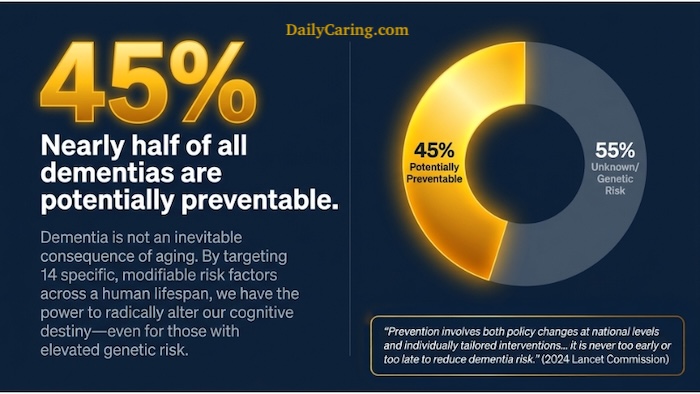
Meanwhile, standard and traditional treatments such as cholinesterase inhibitors and memantine remain vital tools in clinical practice. They are comparatively inexpensive, present fewer side effects, and assist in managing everyday symptoms effectively. Most importantly, no pharmaceutical intervention currently on the market can match the monumental 45% prevention potential established by addressing everyday lifestyle and health factors.
As healthcare providers and caregivers alike digest these findings, the emphasis increasingly turns toward empowerment through education and early intervention. The emerging consensus underscores that safeguarding cognitive health is an ongoing commitment, offering renewed hope to millions of families navigating the complexities of aging and memory loss.



