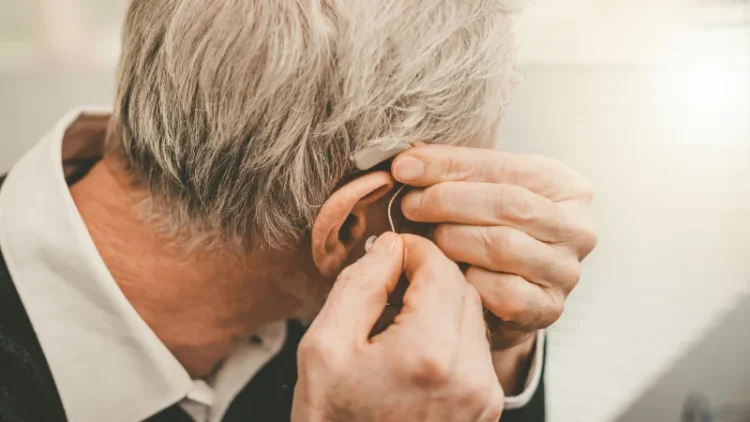
The ongoing challenge of balancing child safety with everyday usability has long been a central concern for the hearing loss community. For many members of this community, the message has remained consistent: while implementing safer battery packaging to protect young children is undeniably important, these safety measures should be carefully designed to minimize the impact on usability and accessibility for older adults. Now, some manufacturers are beginning to take meaningful steps toward addressing this critical issue, signaling a shift toward more inclusive product design.
At the annual American Academy of Audiology (AAA) convention held in April, Energizer’s Rayovac brand showcased a newly developed line of hearing aid battery packaging explicitly designed to be more "senior-friendly." Although cutting with a tool is still required to access the cells, this notable product update demonstrates that manufacturers and major corporations are indeed responding when consumers speak up about everyday accessibility barriers. Representatives from the Hearing Loss Association of America (HLAA) who attended the convention observed the introduction of these updated packages, noting that the design reflects a growing awareness of the real-world challenges faced by consumers who rely on assistive hearing technology every day.
Why Hearing Aid Battery Packaging Changed
The push for heavily secured, child-resistant packaging for zinc-air button cell hearing aid batteries became a strict federal requirement in March 2024. The primary goal of this regulatory shift was to prevent accidental ingestion by small children, thereby aligning with federal safety requirements established by the Consumer Product Safety Commission (CPSC) under the legislative mandate known as Reese’s Law. This consumer safety legislation was enacted following numerous tragic incidents involving young children swallowing small button or coin cell batteries, which can cause severe internal chemical burns and life-threatening injuries within hours.
A key provision outlined in this federal law states that battery compartments containing replaceable button cell or coin batteries must be secured in such a manner that they require either the use of a tool or at least two independent and simultaneous hand movements to open. While these stringent protective standards are vital for safeguarding households with young children, they unintentionally introduced significant hurdles for the primary demographic that utilizes these batteries. Many hearing aid users—particularly older adults, as well as individuals living with conditions such as arthritis, hand tremors, neuropathy, low vision, or limited overall hand strength—struggle immensely with battery packaging designed to meet those rigid federal requirements.
What’s in the New Packaging
The newly redesigned packaging unveiled by Rayovac at the AAA convention represents a concerted effort to bridge the gap between strict child safety compliance and practical adult accessibility. HLAA representatives closely examined the updated packaging layout and labeling, which features clear, easy-to-understand visual instructions detailing how to access the cells. This combination of heightened safety compliance, improved visual clarity, and iterative design suggests that the manufacturing industry is finally paying closer attention to the actual lived experiences of end-users, rather than simply focusing on checking regulatory boxes to satisfy legal mandates.
The introduction of these senior-friendly packages marks a welcome departure from overly complex, frustrating barrier designs that previously dominated the market following the enactment of Reese’s Law. By incorporating clearer instructional labeling and refining the physical layout of the carded packaging, brands like Rayovac are demonstrating that safety and accessibility do not have to be mutually exclusive design goals. This iteration highlights an evolving understanding that protective packaging must remain accessible to the very populations who depend on small batteries to power their daily communication tools.
Tool-Friendly Packaging is Easier to Use
The burden imposed by tool-dependent and excessively rigid packaging is far more than a minor daily inconvenience for consumers dealing with dexterity impairments and chronic hand conditions. For individuals navigating severe arthritis, joint pain, or reduced tactile sensitivity, difficult-to-open packaging can create profound operational barriers. When packaging is overly complicated or requires excessive force, it may lead to dropped batteries, damaged hearing aid components, or complete frustration that discourages users from changing their batteries in a timely manner. In severe cases, the inability to independently open replacement battery packages can compromise a user’s access to amplification, isolating them from conversations, environmental sounds, and essential daily communications.
The redesigned packaging solutions introduced by Rayovac are intended to alleviate many of these persistent usability obstacles without compromising the underlying child-resistant integrity mandated by federal authorities. The HLAA warmly celebrates this industry advancement as tangible progress toward the broader objective of achieving child-resistant packaging that does not unnecessarily restrict access for individuals who genuinely need these power sources for their essential assistive listening devices. As manufacturers continue to refine their packaging techniques, advocacy groups and community members alike look forward to seeing the broader industry and federal regulators continue to collaborate constructively on this vital consumer safety and accessibility issue.