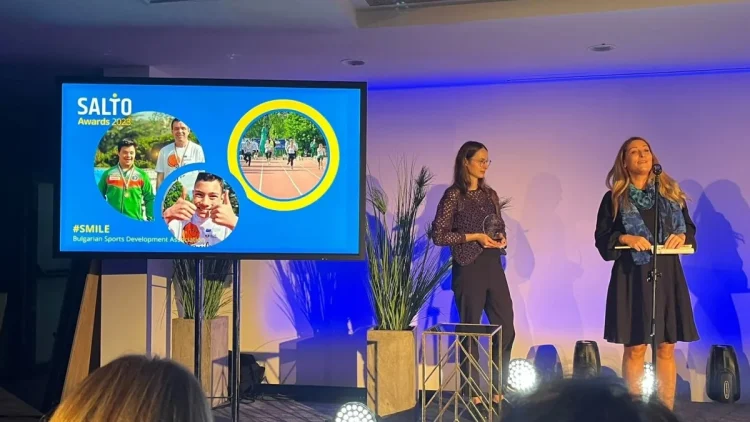
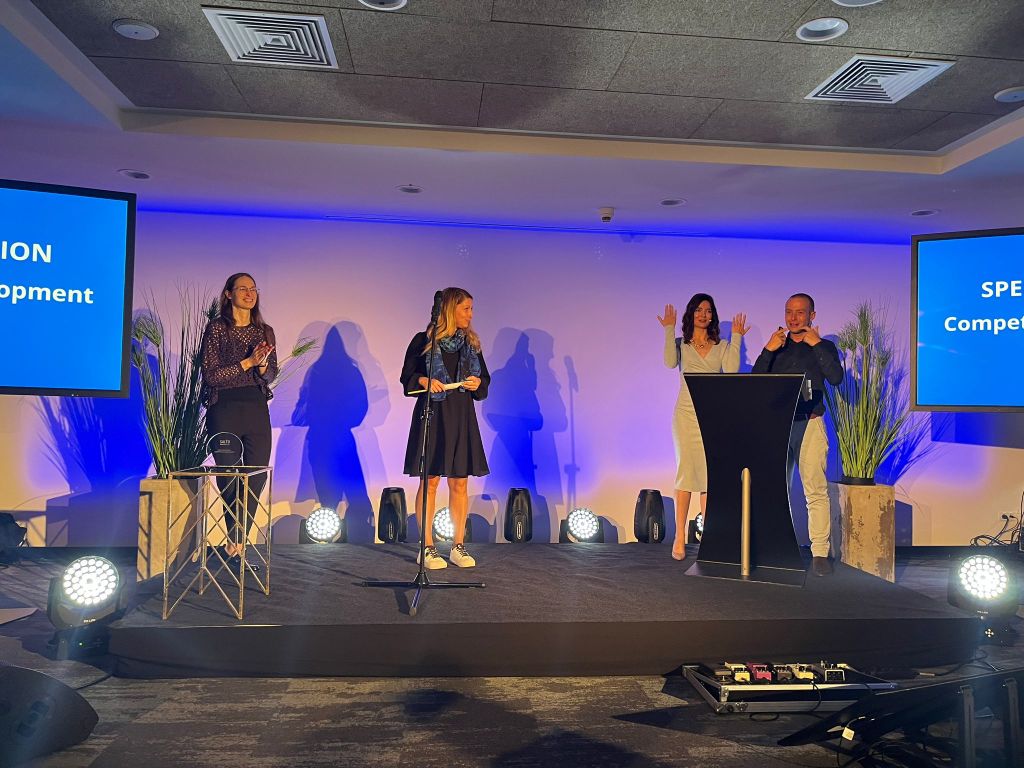
On October 5, 2023, the city of Lublin—proudly serving as the European Youth Capital for the year—hosted the prestigious annual SALTO Awards ceremony. Amidst an atmosphere of celebration dedicated to youth empowerment, civic engagement, and social innovation across the continent, delegates, project coordinators, and youth leaders gathered to honor initiatives that have left a profound mark on European society. Among the proud attendees was Yoanna Dochevska, chairperson of the Bulgarian Sports Development Association and coordinator of the groundbreaking #SMILE initiative, who stepped forward to accept a major European accolade on behalf of her team and international partners.
The SALTO Awards hold a distinct place within the landscape of European youth programs. Established to recognize outstanding work, the awards serve a dual purpose: they celebrate existing achievements while inspiring young people, European citizens, decision-makers, and applicants to the Erasmus+ and European Solidarity Corps programs to strive for even greater societal impact. The awards cast a wide net across critical themes shaping modern Europe, spanning categories such as Digital Transformation, Environment and Climate Change Action—a newly introduced focus for the year—Inclusion and Diversity, Participation in Democratic Life, Solidarity and Volunteering, and a highly competitive Special Category centered on Competence Development.
It was within this latter classification that the #SMILE initiative captured the attention of the international jury, securing a special award in the "Competence Development" category. Co-funded by the European Union’s Erasmus+ program, the #SMILE project was conceived to explore the powerful intersection between sports and social inclusion in an entirely innovative way. Rather than viewing sports merely as physical recreation, the project harnessed athletic engagement as a vehicle to provide international participation opportunities for individuals with intellectual disabilities, breaking down long-standing barriers and fostering a sense of shared European identity.

Throughout its operational lifecycle, the #SMILE project team rolled out a diverse array of national and international activities. These initiatives were specifically designed to support personal growth, enhance social inclusion, and foster the development of vital competencies for individuals with intellectual disabilities in both Bulgaria and Croatia. By creating structured platforms for mobility and active engagement, the project demonstrated how athletic environments can serve as powerful incubators for lifelong learning and self-confidence, ultimately leading to the high-profile recognition in Lublin.
The special category for "Competence Development" occupies a unique space within the SALTO Awards framework. Designed to champion lifelong learning, the category encourages the continuous acquisition of skills by actively involving a broad spectrum of stakeholders engaged in education and youth policies. Through this category, SALTO directs public attention toward the tangible impact that European youth programs have in supporting sustainable educational journeys. The selection committee sought out inspiring projects where youth participants, youth leaders, organization representatives, and external stakeholders are encouraged to reflect deeply on their learning processes. When evaluating submissions, the jury showed a distinct preference for practical methods and innovative approaches that actively support the learning curves and personal evolution of both young participants and youth workers.
Competition within this specialized arena was fierce. For the 2023 cycle, the "Competence Development" category evaluated roughly 200 distinct proposals spanning various fields of youth work and education. From this substantial pool of applicants, the selection committee was tasked with distinguishing a single project that stood head and shoulders above the rest in terms of operational quality, depth of engagement, and overall impact.
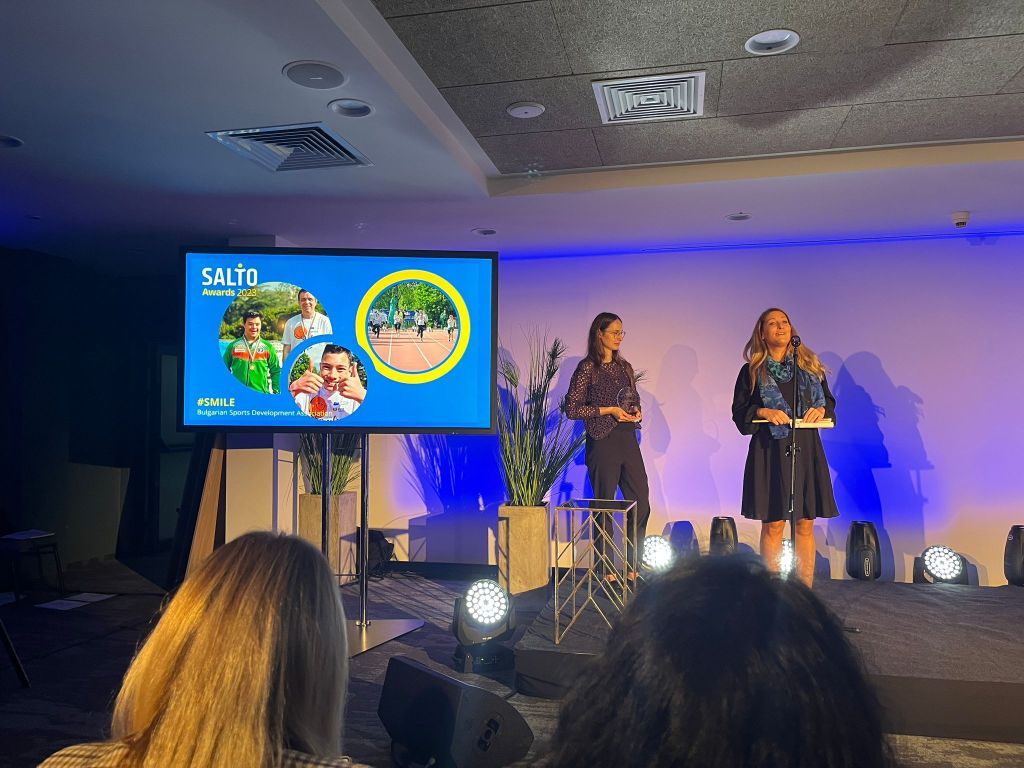
Dick Smit, chairman of the jury for the Competence Development category, elaborated on the committee’s unanimous decision during the ceremony. He noted that the #SMILE project was selected because it represents a rare and exemplary model within Europe. According to Smit, the initiative successfully and actively involves individuals with intellectual disabilities in international mobility while providing them with a concrete, supportive platform for genuine social inclusion and targeted competence development.
The philosophy underpinning #SMILE aligns seamlessly with the overarching horizontal objectives of the Erasmus+ program, which provides the financial backbone for the initiative. Erasmus+ places a heavy emphasis on ensuring inclusion and diversity across all operational spheres, encompassing formal education, vocational training, youth initiatives, and sports. The core mission of #SMILE speaks directly to this ethos by opening doors to international activities for individuals who traditionally experience fewer opportunities in society. Furthermore, the project resonates strongly with the European Union’s priority of promoting participation in sports and physical activity for all demographics, ensuring that the activities implemented by the project team are geared toward sustainable, long-term inclusion at local, national, and international levels.
The success of the #SMILE initiative is the result of a collaborative transnational partnership. The project is jointly executed by the Bulgarian Sports Development Association and the Rijeka Sport Association for People with Disabilities—two dedicated organizations renowned for their commitment to creating inclusive environments and expanding opportunities for individuals with disabilities in their respective countries. Together, these organizations have worked to build a replicable framework that demonstrates how targeted sports programming can drive meaningful social change.
As the initiative continues to build upon its successes, comprehensive information regarding the ongoing efforts, methodologies, and outcomes of the #SMILE initiative remains accessible to the public and interested stakeholders through the official project website at www.inclusivesport.org, ensuring that the best practices recognized in Lublin can continue to inspire similar endeavors across the European Union and beyond.