
In classrooms across the country, educators are increasingly recognizing that academic achievement relies on far more than traditional subject-matter comprehension. Cognitive processes such as planning, sustained attention, emotional self-regulation, organizational habits, and mental flexibility form the bedrock of a student’s ability to navigate both school and everyday life. While various curricula and behavioral interventions have been developed to target these crucial abilities, a growing number of educators are turning to a surprisingly simple and engaging pedagogical tool: the thoughtful use of quotations.
Often deployed as motivational bell-ringers or daily discussion prompts, carefully selected quotes are proving to be effective vehicles for developing executive functioning skills in children and adolescents. Because young minds are still developing, targeted interventions that encourage deep reflection help students connect abstract cognitive concepts directly to their own lived experiences. Rather than relying solely on direct instruction, teachers are finding that analyzing meaningful statements allows students to explore complex cognitive skills in a collaborative, low-stakes environment.
The Role of Executive Functioning in Education
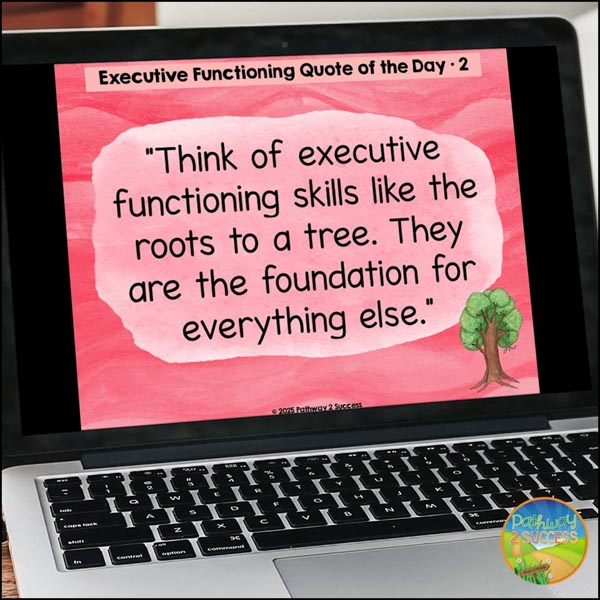
Experts often compare executive functioning skills to the roots of a tree, serving as the hidden foundation from which all other learning and behavior grow. These mental processes enable individuals to plan projects, manage time, initiate tasks, focus during conversations, and navigate unexpected obstacles. When students grasp this metaphor, they frequently develop a deeper appreciation for why cognitive self-regulation matters. Understanding that these abilities underpin virtually every classroom activity helps learners embrace the process of building mental stamina and organizational awareness.
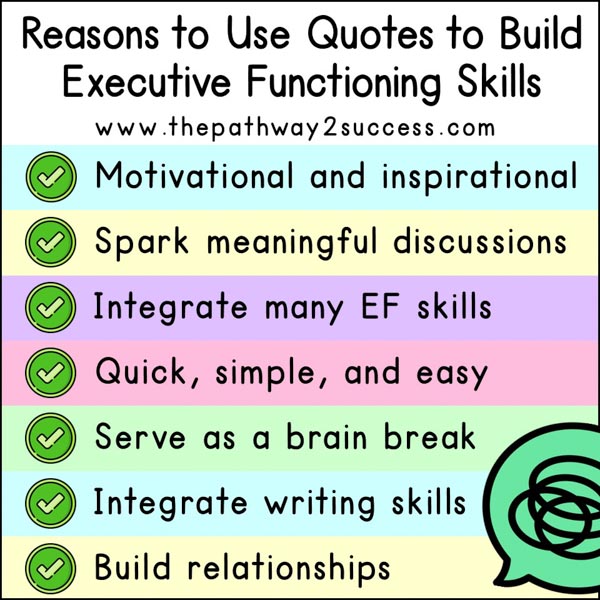
Educators utilizing this approach emphasize that selecting the right material is vital. A successful quote for this purpose does more than offer a pleasant sentiment; it challenges teens and children to think critically and apply the underlying message to their daily routines. By integrating these discussions into the daily school schedule, teachers can address multiple cognitive domains without overwhelming students.
Fostering Self-Control and Future-Mindedness
Among the most challenging executive functioning domains to cultivate in young learners is self-control—the capacity to pause and evaluate choices before acting. To make this abstract concept tangible, educators have begun exploring quotes that reframe self-discipline not as a restriction, but as a form of proactive care.
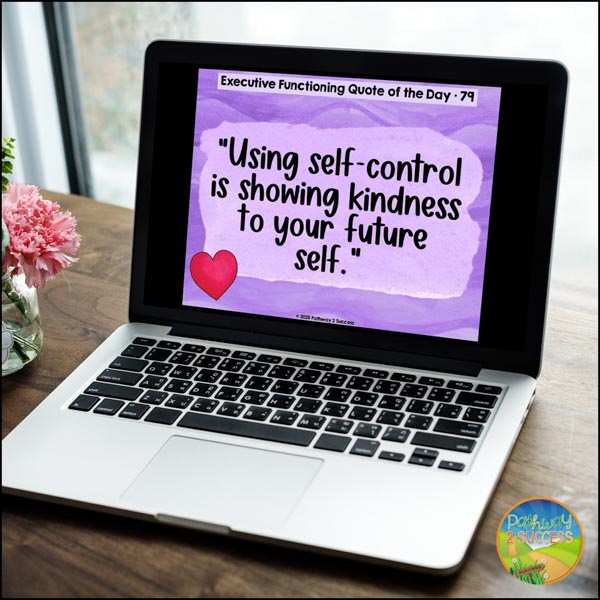
One prominent example used in classrooms is the concept that using self-control is akin to showing kindness to one’s future self. In practice, this might involve organizing a messy binder or studying ahead for an upcoming examination. Even when students feel reluctant to engage in these tasks immediately, recognizing that such efforts will ease future stress helps bridge the gap between impulse and intentional action. Through guided discussions, students explore what it means to practice this form of self-kindness and identify practical ways to apply it during their school day.
Overcoming Inertia and Enhancing Task Initiation
Another persistent hurdle for developing minds is task initiation—the ability to begin an assignment, particularly when motivation is low or the project feels daunting. Educational experts note that getting started is frequently the most difficult phase of any academic endeavor. Once momentum is established, however, students are much more likely to sustain their focus and see the work through to completion.
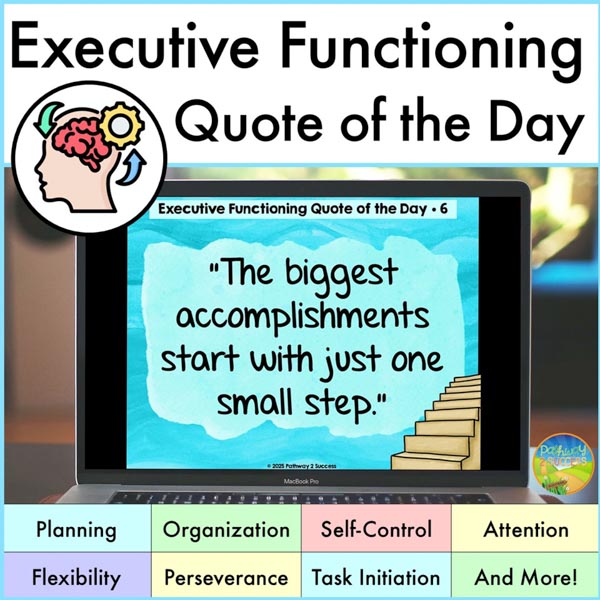
To address this challenge, classrooms are utilizing reminders that emphasize the power of simply taking the first step. Discussions around task initiation often focus on identifying the psychological barriers that cause hesitation and brainstorming concrete strategies to break through procrastination. By normalizing the difficulty of starting, educators help students develop the resilience needed to tackle complex assignments independently.
Cultivating Attention Through Emotional Calm
Attention and emotional regulation are deeply intertwined. Cognitive research demonstrates that a calm mind is inherently more capable of sustained focus, clear thinking, and optimal performance. Consequently, strategies designed to promote relaxation and emotional regulation directly support a student’s capacity to concentrate in busy classroom environments.
When discussing the relationship between tranquility and focus, students are encouraged to examine why emotional distress or overwhelm tends to scatter attention. By exploring personal calming techniques—such as controlled breathing, brief physical movement, or structured pauses—learners discover how to prepare their minds for academic tasks. This holistic approach connects emotional well-being directly to cognitive productivity.
Strengthening Perseverance in the Face of Adversity
Perseverance, or the capacity to continue working toward a goal despite obstacles, is a cornerstone of long-term success. While the concept of persistence is straightforward, maintaining motivation during challenging moments requires deliberate practice.
Educators introducing perseverance into daily discussions often emphasize simplicity over complexity, reinforcing the idea that progress often comes down to the decision to keep moving forward. By reflecting on personal challenges they have already overcome and sharing the strategies that helped them succeed, students build a mental toolkit for handling future academic and personal setbacks. This ongoing dialogue helps reframe failure not as a permanent roadblock, but as a normal part of the learning process.
Fostering Cognitive Flexibility and Problem-Solving
Flexibility—the mental agility required to adapt to new situations, consider alternative viewpoints, and pivot when initial plans fail—is essential for effective problem-solving. When faced with unexpected hurdles, flexible thinkers are better equipped to generate multiple solutions rather than becoming stuck in rigid patterns.

Classrooms exploring this domain focus on the reality that most problems have more than one workable solution. By reviewing recent challenges and brainstorming alternative paths to resolution, students learn to appreciate the value of adaptable thinking. This practice encourages a growth mindset, preparing young people to navigate the unpredictable nature of both academic environments and the world beyond the classroom.
As schools continue to seek effective, manageable ways to support the holistic development of children and adolescents, the integration of targeted quotations offers a promising pathway. By blending motivational reflection with deliberate cognitive skill-building, educators are helping students lay a strong foundation for lifelong learning, self-regulation, and personal resilience.



