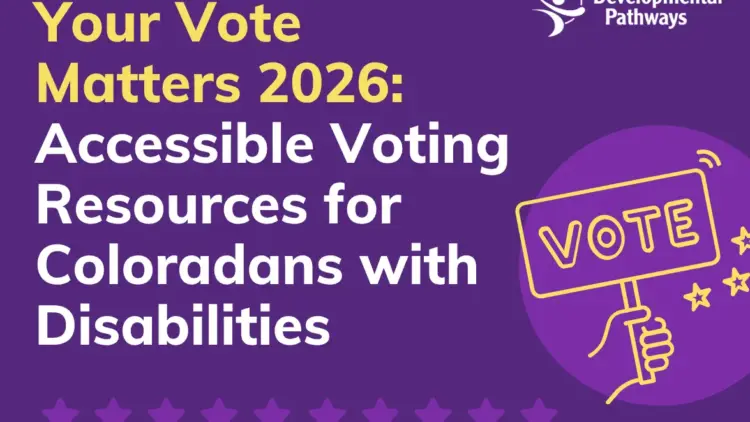
As the democratic process continues to evolve across the United States, civic engagement advocates are turning their attention to a persistent and significant participation gap that affects millions of potential voters. National data underscores a stark reality regarding democratic representation: if voters with disabilities cast their ballots at the same rate as voters without disabilities, roughly two million more voices would help shape the political and social landscape of the country. This profound statistic highlights both the scale of the current disparity and the immense potential for strengthening democracy by ensuring that every eligible citizen can make their voice heard at the ballot box.
In Colorado, organizations are stepping up to bridge this gap and ensure that civic participation is truly accessible to all. Developmental Pathways, a prominent organization dedicated to supporting individuals with developmental disabilities and their families, has reinforced its ongoing commitment to helping community members fully participate in civic life. Recognizing that voting is a cornerstone of community inclusion, the organization has rolled out comprehensive information and resources designed to support Colorado voters with disabilities as they prepare for the upcoming 2026 election cycle.
A central focus of these advocacy and educational efforts is reinforcing fundamental legal rights. For many individuals with disabilities and their families, navigating the legal systems surrounding autonomy can be complex. However, Colorado law maintains clear protections regarding political participation. In the state of Colorado, having a guardian or other legal decision-maker does not affect an individual’s right to vote. Any resident who is eighteen years of age or older and meets the state’s basic eligibility requirements retains the full legal ability to cast a ballot and make independent choices on election day.
To help voters understand these protections, the Colorado Secretary of State provides detailed eligibility guidelines and specialized resources, including a comprehensive set of frequently asked questions tailored specifically for voters with disabilities. Furthermore, Disability Justice Colorado, which serves as the state’s designated Protection and Advocacy System, plays a crucial role in safeguarding these rights. The organization offers guidance to help voters understand their protections under the law, learn about accessible voting options, and file formal complaints if their voting rights are ever compromised or denied.
Beyond understanding legal rights, successful electoral participation often relies on proactive preparation. To assist voters in navigating the logistics of the election, Developmental Pathways has made available a specialized planning tool known as the My Voting Plan sheet, which individuals can easily print and use to organize their steps ahead of election day.
Colorado’s election infrastructure is designed to prioritize accessibility, offering multiple methods for voters to cast and return their ballots securely. State regulations mandate that every Voter Service and Polling Center must meet stringent accessibility standards to accommodate individuals with diverse physical, sensory, and cognitive needs. To provide peace of mind throughout the voting process, voters can also utilize online tracking tools provided by the Secretary of State, allowing them to monitor the status of their ballots from submission to tabulation.
In addition to physical and logistical access, navigating the complexities of the ballot itself remains a critical component of informed civic engagement. Understanding the candidates, measures, and propositions on the ballot is just as important as the act of showing up to vote. Because a wide variety of organizations publish voter guides—some operating on a strictly nonpartisan basis while others represent specific viewpoints—voters are encouraged to seek out trusted, transparent sources that align with their personal values and priorities.
To assist voters in this regard, community organizations continuously gather and share reliable ballot guides and educational resources as they become available. As the 2026 election approaches, these informational networks continue to update their offerings, providing a continuously growing repository of resources designed to ensure that every voter has the knowledge they need to make confident and informed decisions at the polls.