As the political landscape shifts toward the upcoming 2026 election cycle, advocacy groups and community organizations across Colorado are renewing their focus on a vital yet historically underrepresented demographic: voters with disabilities. National data underscores the profound impact this community could have on the democratic process. According to research from Rutgers University highlighted in reports by the U.S. Election Assistance Commission (EAC), if individuals with disabilities cast ballots at the exact same rate as voters without disabilities, approximately two million additional voices would actively participate in shaping local, state, and national policy.
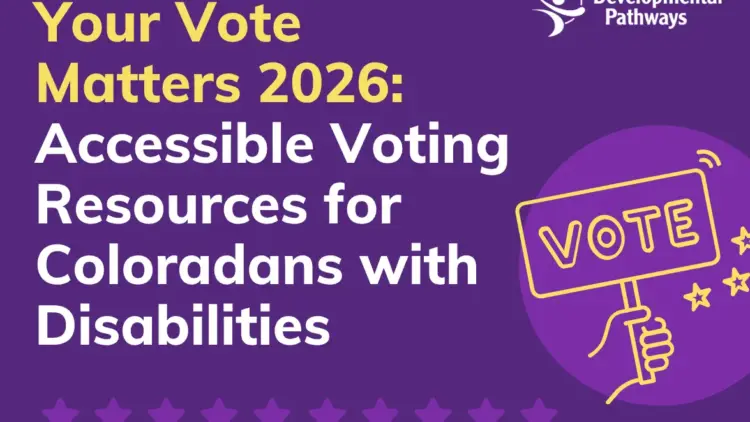
To bridge this participation gap and ensure that every eligible citizen can exercise their fundamental right, Developmental Pathways (DP) has launched a comprehensive initiative aimed at supporting Colorado voters with disabilities as they prepare for the 2026 election. Grounded in the core mission of helping individuals with disabilities fully participate in all aspects of community life—including civic engagement—the organization is providing essential information, practical resources, and advocacy pathways designed to navigate the voting process with confidence.
At the heart of this initiative is a strong emphasis on individual legal rights and autonomy. For many voters, navigating the intersection of disability support and legal guardianship can create confusion. However, officials and advocates stress that in the state of Colorado, having a designated guardian or other legal decision-maker does not strip an individual of their right to vote. Any resident who is at least 18 years of age and meets the state’s basic eligibility requirements retains the full legal ability to cast a ballot and make independent choices in the voting booth. To reinforce this principle, organizations point prospective voters toward the official eligibility details provided by the Colorado Secretary of State, as well as the comprehensive Voters with Disabilities Frequently Asked Questions page, which outlines accessible voting mechanisms, identification requirements, and accommodations available at polling locations.
Beyond basic eligibility, ensuring that voters understand their protections under the law remains a critical priority. Disability Justice Colorado, which serves as the state’s designated Protection and Advocacy System, plays a central role in this effort. The organization is equipped to help voters understand their rights, explore accessible voting options, and take formal action by filing complaints if those rights are compromised or ignored during any stage of the election cycle.
Practical preparation is another cornerstone of the ongoing voter engagement campaign. Advocates emphasize that making a concrete voting plan significantly increases the likelihood of successful participation. Tools such as the downloadable "My Voting Plan" resource created by Developmental Pathways offer a structured way for voters to outline how, when, and where they will cast their ballots. Colorado’s decentralized and accessible voting infrastructure provides multiple avenues for participation. Under state guidelines, every Voter Service and Polling Center (VSPC) is legally required to be fully accessible, accommodating individuals with diverse physical, sensory, and cognitive needs. Voters can choose to vote in person using specialized accessible equipment, drop off mail-in ballots at secure drop boxes, or utilize traditional mail-in voting methods. Furthermore, transparency and peace of mind are maintained through digital oversight tools, such as the Colorado Secretary of State’s BallotTrax system, which allows voters to track the status of their mail-in ballots online from the moment they are printed to the time they are officially accepted and counted.
Understanding the content of the ballot is considered just as crucial as the physical act of voting. As campaigns heat up for the 2026 election, a wide array of civic organizations, community coalitions, and advocacy groups are preparing to release independent ballot guides. Because these materials vary widely—ranging from strictly nonpartisan analytical breakdowns to perspective-driven commentary—advocates advise voters to seek out trusted, transparent sources that align with their personal values and community interests. Developmental Pathways and allied organizations are actively compiling these resources, planning to continuously update their information repositories as new nonpartisan guides and educational materials become publicly available in the months leading up to election day. Through these sustained efforts, community leaders hope to ensure that the voices of voters with disabilities are not only heard, but fully integrated into the democratic fabric of Colorado.