As the winter season sets in and holiday breaks approach, educators, parents, and youth development specialists are increasingly focusing on strategies to help children and teenagers manage their emotions, thoughts, and behaviors. The transition into the colder months—marked by disrupted routines, more time spent indoors, and the natural excitement or stress of the holiday season—often brings distinct behavioral challenges for children and young adults. In response, schools and households are exploring creative, engaging self-regulation activities designed to restore calm and focus during a demanding time of year.
Self-regulation, defined as the ability to effectively manage one’s thoughts, feelings, and behaviors, is a foundational skill that allows children to navigate everyday emotions, maintain concentration on tasks, and build positive social connections. While this capability is vital throughout the entire calendar year, experts note that self-regulation strategies become exceptionally critical immediately before and after extended winter breaks. The combination of shifting schedules and environmental changes means that children and young adults frequently require additional emotional and cognitive support to stay grounded.
To address these seasonal challenges, specialists emphasize that practicing self-regulation skills does not have to be a rigid or tedious task; rather, it can be seamlessly integrated into daily routines through enjoyable, interactive exercises. A diverse array of winter-themed activities has emerged as a popular approach for educators and families looking to foster emotional well-being and resilience in children.
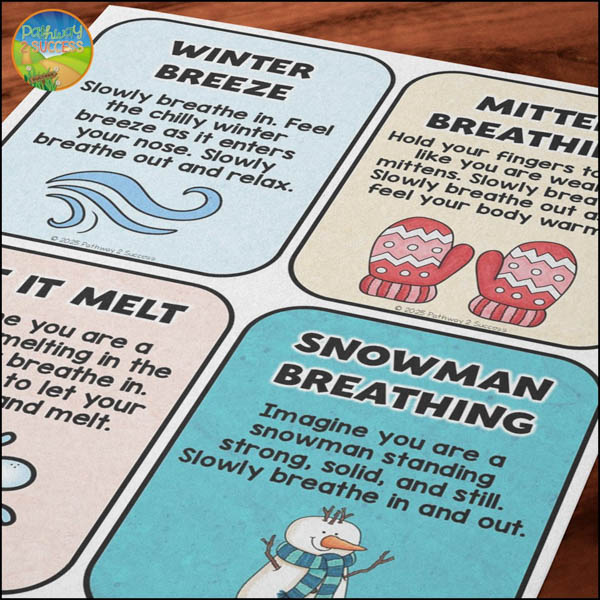
Among the primary approaches gaining traction are winter-themed breathing exercises. Rooted in the practice of mindful breathing, these exercises encourage children to focus intentionally on their inhales and exhales as a way to hit a mental pause button. Rather than reacting immediately to impulses or stressful feelings, participants learn to use slow, deep breaths to activate the parasympathetic nervous system—the biological mechanism that enables the body to truly rest and relax. Extensive research has consistently demonstrated that mindful breathing supports self-regulation, enhances cognitive focus, and cultivates an overall sense of calm, making it a versatile tool that children can utilize in any setting.
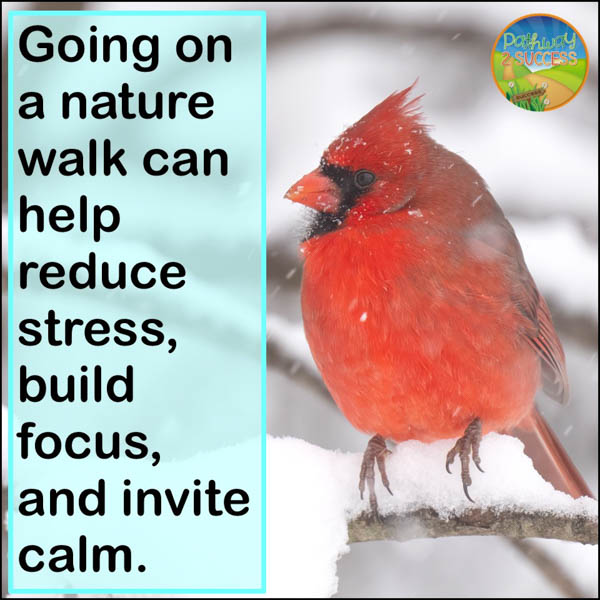
Alongside indoor mindfulness practices, educators are also turning to the great outdoors to support emotional health. Outdoor nature walks, structured around sensory exploration, invite children to observe their immediate surroundings by tuning into what they see, feel, hear, smell, and taste in the moment. Whether it is noticing a hawk soaring across a brisk winter sky or feeling a chilly breeze, these walks ground children in the present. Research has shown that spending time in nature significantly reduces stress, strengthens attention spans, and improves overall mood. Furthermore, outdoor excursions during the darker, colder winter months encourage essential physical exercise and exposure to natural daylight, fulfilling a seasonal need for both children and adults.
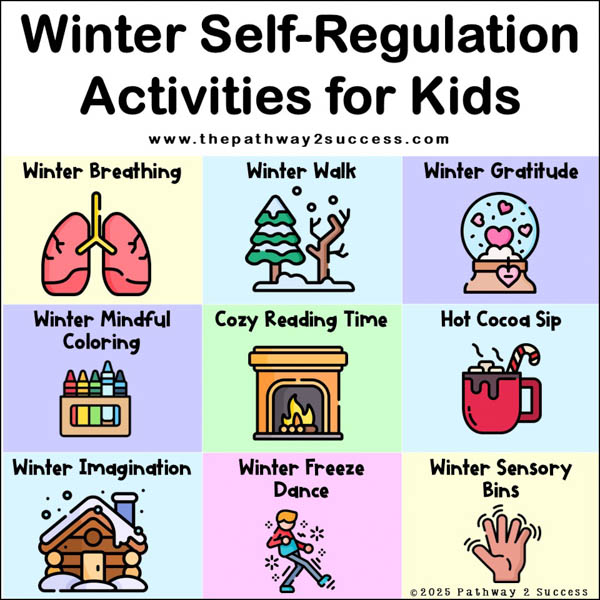
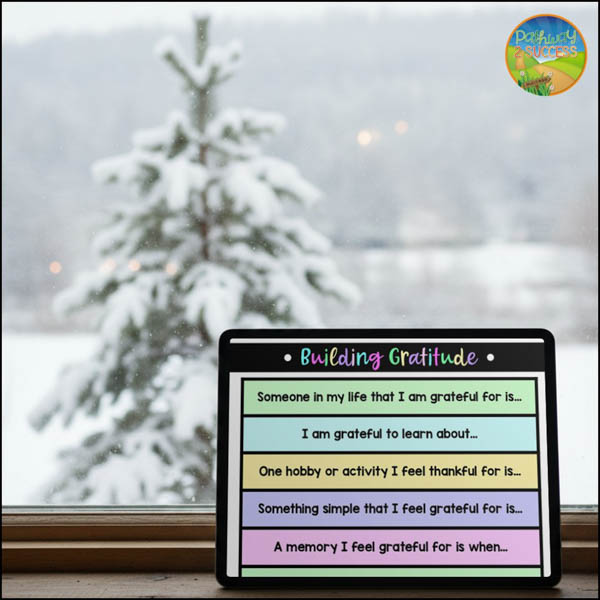
Reflecting on the positive aspects of the season has also proven to be a powerful mechanism for emotional regulation. Winter gratitude initiatives encourage children to move beyond surface-level observations and reflect deeply on what they appreciate during the colder months, ranging from the warmth of sunshine on a chilly afternoon to time spent with loved ones. Scientific studies indicate that practicing gratitude helps rewire the brain to focus on positive stimuli, resulting in reduced stress, enhanced mood, stronger psychological resilience, better sleep quality, and a greater sense of overall well-being.
For children who benefit from creative and tactile outlets, mindful winter coloring offers an evidence-based method to reduce stress and alleviate anxiety. Unlike traditional meditation that requires physical stillness, coloring allows for gentle movement while still engaging the mind in a focused, relaxing task. By using positive self-talk coloring pages or sketching winter scenes from scratch, children can channel their energy into a calming activity that promotes emotional equilibrium without requiring rigid discipline.
Similarly, fostering cozy reading environments has long been recognized as a reliable method for inducing relaxation. Immersing young readers in a good book—whether through independent silent reading or shared classroom read-alouds—helps lower physiological stress levels, ease muscle tension, enhance empathy, and promote long-term well-being. The shared experience of a read-aloud further benefits children by fostering social connection and co-regulation among peers.
Hands-on tactile experiences, such as winter-themed sensory bins filled with specialized materials, provide another avenue for self-regulation. Through sensory exploration, children engage in tactile play that naturally encourages mindfulness and curiosity while simultaneously supporting fine motor skill development and narrative storytelling.
In classrooms and homes alike, simple culinary traditions are also being reframed as mindfulness exercises. The practice of sipping hot cocoa serves as mindfulness in action, where children are encouraged to hold the warm cup, inhale its aroma, and mindfully pace their sips. Beyond the immediate comfort it brings, the sensory focus required for the activity helps quiet an overactive mind, while the warmth of the drink physically signals the central nervous system to relax.
When direct physical or culinary activities are not feasible, winter imagination and visualization exercises offer a mental alternative. By guiding children to close their eyes and mentally explore relaxing winter landscapes through detailed sensory prompts, facilitators help young participants practice shifting their internal states toward calm and composure through the power of visualization.
Creative arts and crafts further contribute to emotional regulation by engaging fine motor skills and personal expression. Whether structured around specific winter projects or left open-ended, hands-on crafting requires sustained attention, sequential problem-solving, and emotional resilience when creative challenges arise.
Finally, auditory and movement-based activities have become staples for managing classroom and household energy levels. Playing gentle, winter-themed instrumental music in the background creates a calm atmosphere that facilitates focus during independent work or transitions. Conversely, active games like winter freeze dance allow children to channel physical energy while practicing essential self-control, as they learn to listen attentively, manage their physical movements, and rapidly transition between dynamic action and complete stillness in response to seasonal cues.