It started with a lingering stare, lips caught delicately between a downturned pout and a sympathetic smile. For Stevie Morris, the expression was all too familiar, signaling the imminent arrival of an unprompted inspirational affirmation—something along the lines of “you’re an angel.” Having already spent years adjacent to the disability experience through her son, Robert, Morris assumed she knew precisely what script to expect. But what followed next caught her completely off-guard, cutting through her expectations with startling specificity.
The scene unfolded during the second date between Morris and John Morris, enjoying a quiet breakfast before heading out to visit the Knoxville Museum of Art. Though their first in-person date had taken place only the night before, their connection was already deep, built upon an ongoing long-distance relationship and a strong foundation of friendship. They were relishing the rare excitement of quality time together when a restaurant staff member abruptly interrupted their meal.
The employee expressed sheer amazement that John was not only responsible for his own food but had managed to retrieve his own juice from the serving station. Then, leaning into the absurdity of the moment, the staff member exclaimed, “He doesn’t even have a whole body!”
The comment was so pointed and bizarrely specific that Morris found herself momentarily wordless. Stifling a spreading grin, she offered a curt nod of the head and briskly walked out of the restaurant, barely making it past the front doors before bursting into a fit of laughter—the first of many such giggle-fits that John would come to witness throughout their relationship.
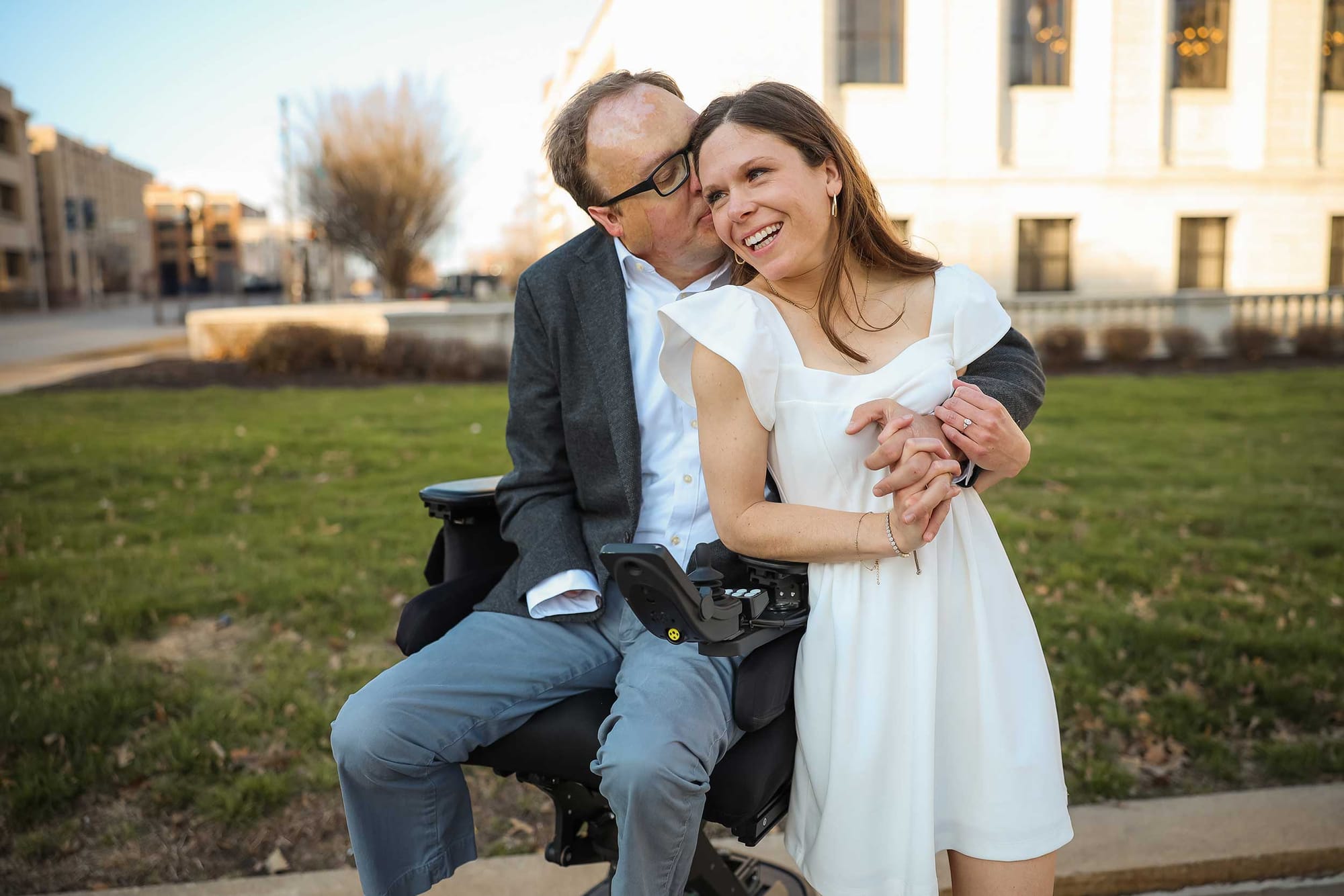
For John and Stevie, finding humor in the absolute absurdity of public ignorance has become a shared coping mechanism. It is an approach that occasionally elicits an eye-roll from a teenage Robert, though his parents attribute this reaction to normal adolescent angst, recognizing that he ultimately benefits from the shared humor as they navigate everyday moments as a family.
Reflecting on the encounter later, Morris considered whether she would have reacted differently if Robert had been with them, or how she would have expected Robert to respond in a similar situation. Teaching a young person how to respond to ableism is a continuous, mentally demanding task. It involves a complex set of nuances that directly challenge many of the unwritten social rules individuals unknowingly adopt as they learn to function in society. Uncovering these hidden biases and equipping Robert with the tools to respond to ableism has become one of the most recurring and vital conversations in their parenting journey.

Society often teaches children that it is rude to ignore people, yet Morris has explicitly taught Robert that he has full permission to walk away when faced with intrusive, condescending, or infantilizing comments. Similarly, people are routinely conditioned to submit blindly to authority. Yet, John actively models and helps Robert practice prioritizing his own needs while critically evaluating which claims to authority are actually valid.
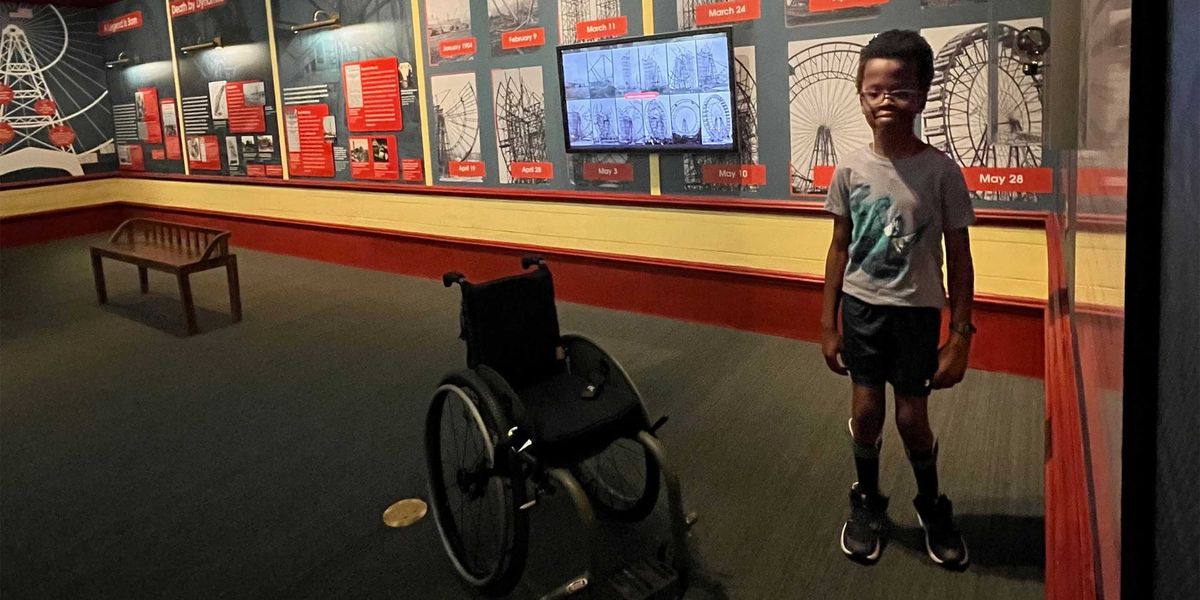
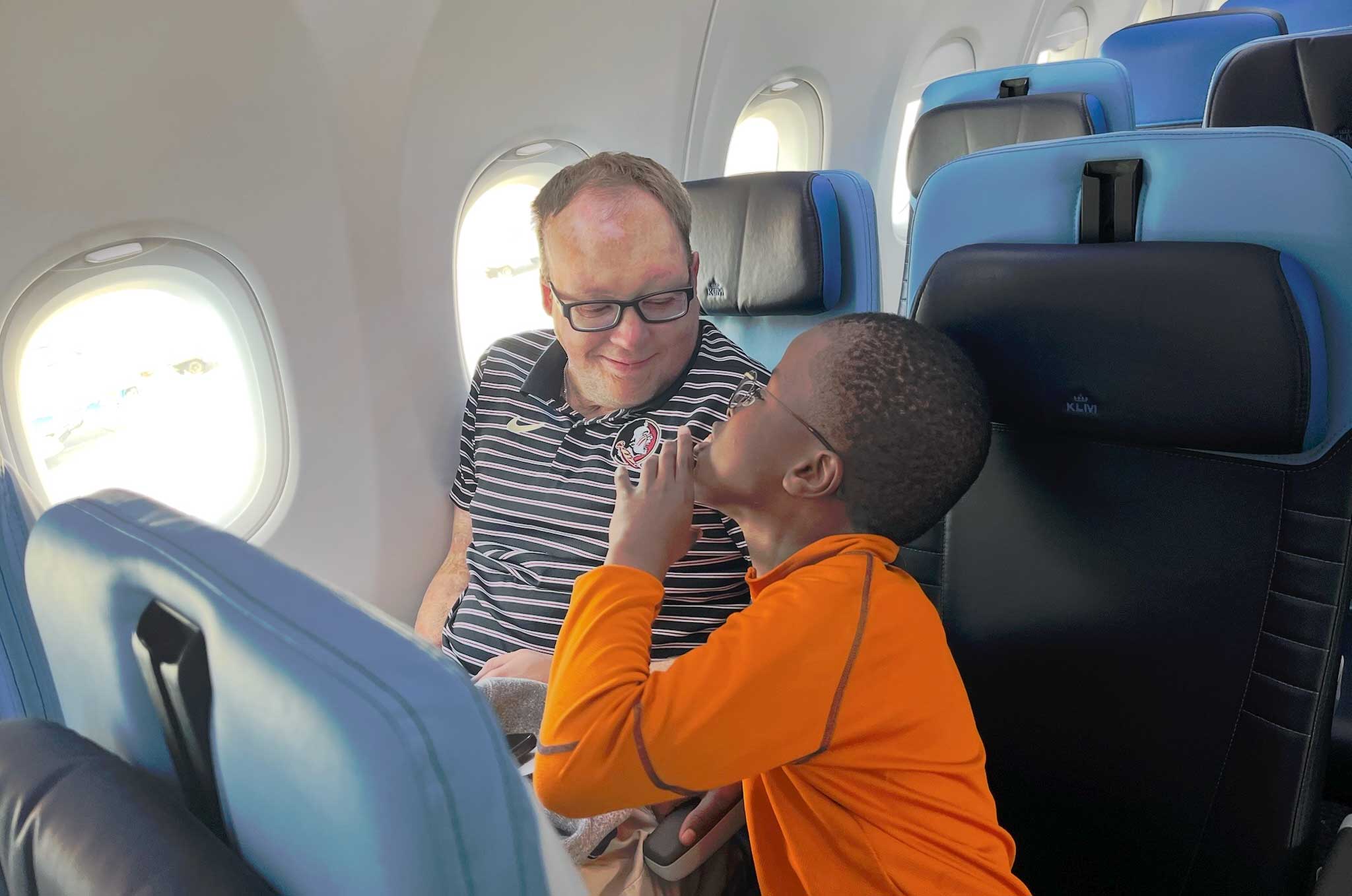
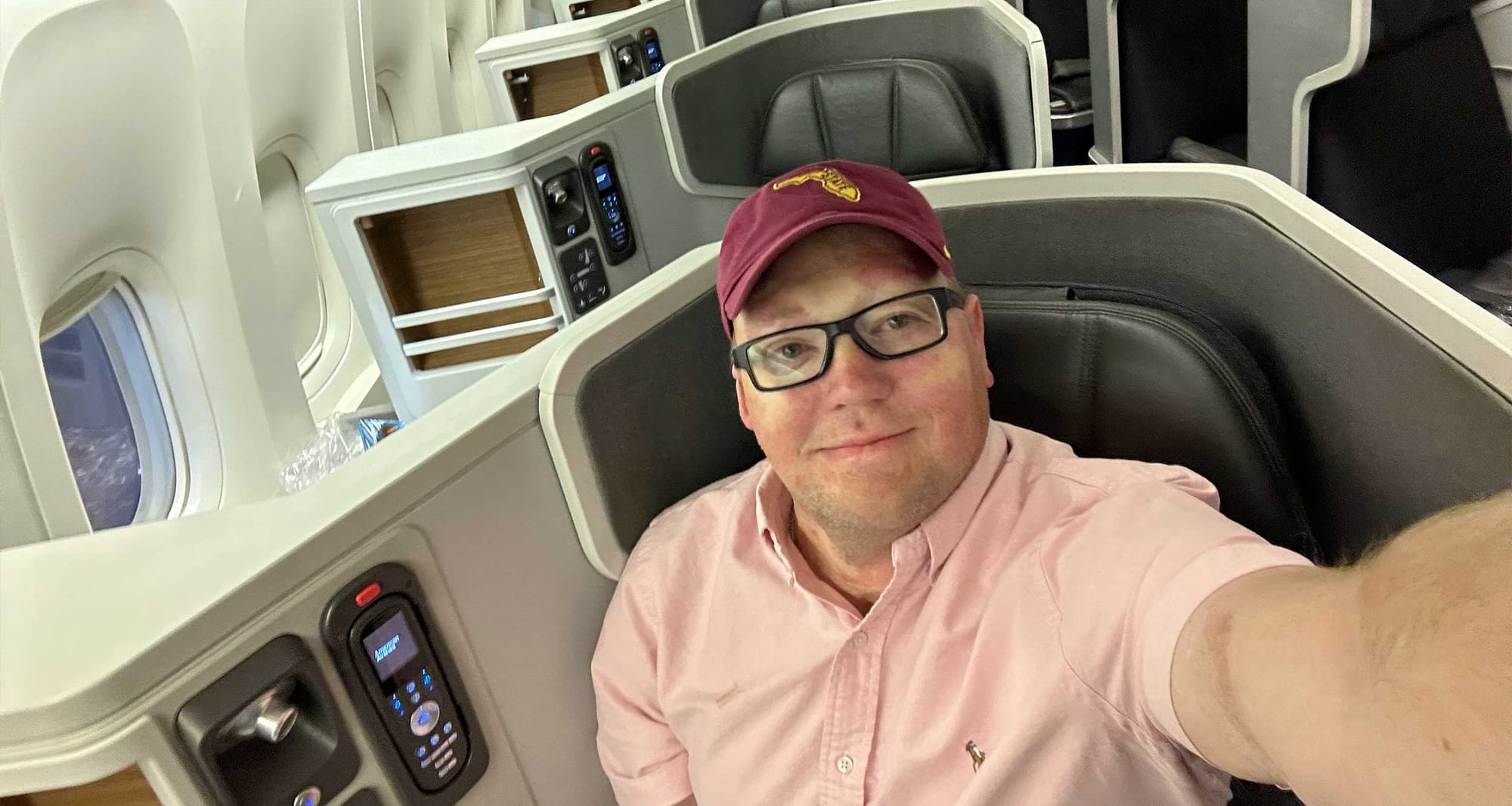
This tension frequently manifests during travel. When airline wheelchair assistance staff demand that John and Robert exit an airplane before their personal wheelchairs have been brought back up to the jetbridge, both refuse to comply. Such routine threats of police intervention and forced compliance faced by disabled passengers have been documented extensively by John, highlighting the ongoing battle for basic dignity and autonomy in public spaces.
The expectations placed on disabled individuals extend far beyond air travel. Public encounters often carry an underlying demand for explanations regarding mobility aids and personal accommodations. To counter this, the family keeps a repertoire of set responses ready for deployment, such as the firm boundary that they simply do not share personal medical information.
Social conditioning also dictates that a warm “thank you” is the mandatory response whenever help is offered, regardless of whether that help was solicited or respectful. Morris has explicitly told Robert that he is entirely within his rights to pull away without so much as a glance if an overzealous stranger attempts to grab his wheelchair without permission. The societal pressure placed on disabled children to display excessive gratitude for basic, reasonable accommodations is a subject Morris has explored in depth in her writing, questioning whether such gratitude is ever truly warranted when equal access should be a baseline standard rather than a favor.

Honesty remains a core value within their household, with one notable exception: the invention of entirely fabricated, highly dramatic tales regarding how John or Robert acquired their disabilities. When confronted with intrusive, rude inquiries of “What happened to you?”, John has been known to casually attribute his leg amputations to a shark attack, successfully shutting down the conversation with humor and absurdity.
Some critics might argue that it would be easier to maintain a single, uniform response strategy for Robert, or to deny him agency over his own reactions to avoid how he might be perceived by the public. But Morris asks a fundamental question: at what cost? Making choices in the present requires looking toward the future. Raising a teenager who blindly follows rules and fits an unchallenging mold means sacrificing a piece of his dignity. Conversely, raising a young person who may occasionally ruffle feathers but remains fiercely true to himself and capable of self-advocacy serves a much greater good.
Despite the clarity of this vision, tackling such a pervasive social issue on a daily, personal level remains exhausting. To maintain focus without burning out, Morris has developed specific mental shifts.
Chief among these is perspective. Morris has come to view the ongoing work against ableism much like doing laundry—it is a perpetual cycle that is never truly finished. There is no point at which the task can be checked off a list permanently. A household is always in some phase of the laundry cycle: piling up dirty clothes, washing, drying, folding, and putting them away. Sometimes chores are avoided for an embarrassing length of time, while other days involve powering through multiple loads. Even when caught up, the clothes currently being worn will eventually need cleaning. Recognizing this cyclical reality rather than chasing an impossible finish line has provided a more balanced viewpoint. Success is not measured by the complete eradication of ableism, but by addressing it incrementally through learning, pivoting, and occasionally resting when energy runs low.

Another crucial component is continuous discussion. A guiding principle in their home is to always ask questions and examine responses together. Morris frequently checks in with Robert, asking what can be learned from a particular interaction, what worked, what did not, and how specific comments made him feel. Because a young person’s feelings and perspectives naturally evolve with age and maturity, the goal is not to find a single magic fix, but to engage in collaborative problem-solving.
To prepare for high-stress environments, the family actively rehearses potential scenarios. When boarding commercial airplanes became a consistent source of stress—largely due to assistance staff making unilateral decisions about Robert’s mobility or moving his wheelchair without permission—they talked through the best approaches at home. Role-playing the scenarios, with Morris acting as an intrusive assistant and Robert practicing a clear, respectful refusal, helped build the muscle memory and confidence needed when faced with the same situation during actual travel.
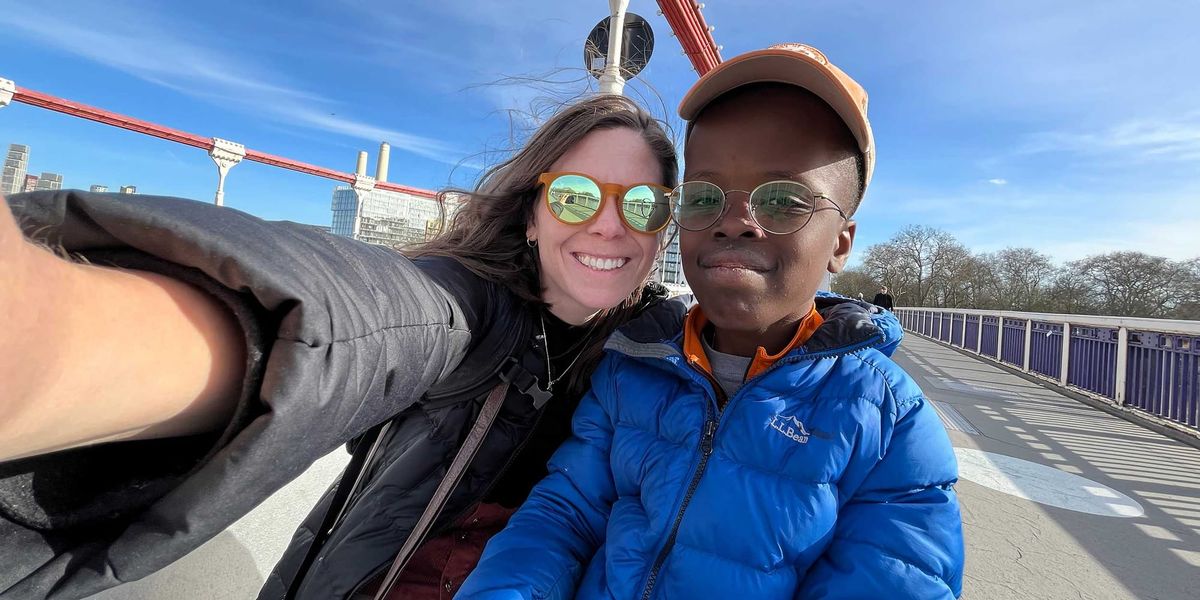
Navigating the world as a family while documenting these experiences remains central to their platform at Wheelchair Travel, even as they balance the broader realities of travel journalism. At this point in their lives, armed with a wide array of skills and coping mechanisms, they still occasionally stumble, second-guessing whether a different approach might have yielded a better result. The pressure to constantly analyze social interactions is heavy, and they remain acutely aware that acceptable responses to ableism shift depending on intersecting factors such as age, race, gender, and the specific nature of a disability, all of which trigger pre-existing societal assumptions.
By combining proactive planning with flexible strategies, the family continues to foster Robert’s confidence in standing up against ableism, offering a practical blueprint for others navigating similar journeys.