As the winter season sets in and holiday breaks approach, educators, parents, and youth development specialists are increasingly focusing on the critical need for self-regulation support among children and young adults. The combination of shifting daily routines, extended periods indoors, and the anticipation or aftermath of winter holidays often creates unique emotional challenges for youth. In response, child development experts are emphasizing that teaching children how to manage their thoughts, feelings, and behaviors during these colder months is essential for maintaining emotional well-being, enhancing focus, and fostering positive social interactions.
Self-regulation is broadly defined as the fundamental ability to effectively manage emotional responses, maintain attention on tasks, and navigate interpersonal relationships constructively. While these skills are vital throughout the entire year, professionals note that they become especially critical during periods of seasonal disruption. The disruption of predictable school schedules and increased indoor confinement can heighten stress levels in children and teens, translating into difficulties with emotional control and concentration. To combat these seasonal hurdles, experts are advocating for proactive, engaging approaches that integrate self-regulation practices directly into daily routines, proving that building these vital life skills can be both effective and enjoyable.
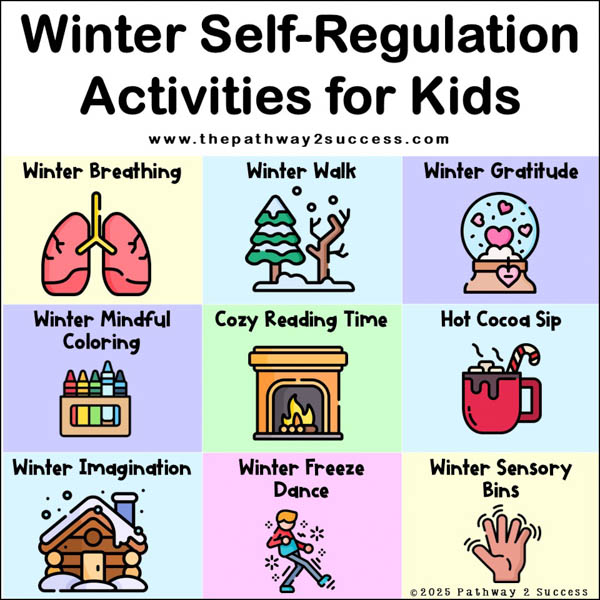
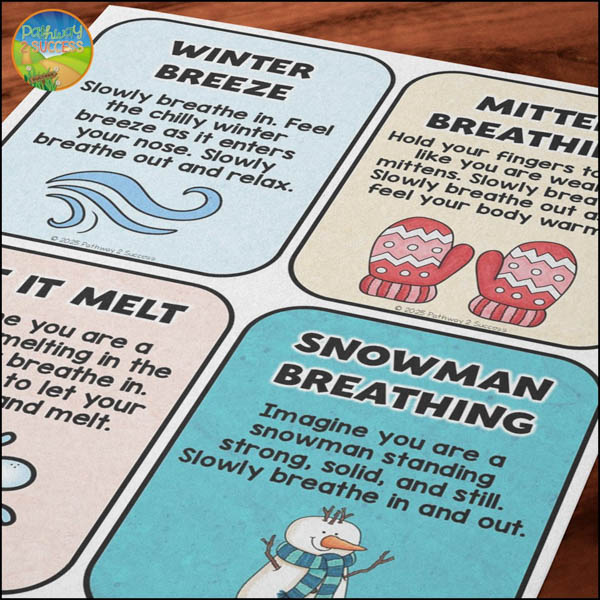
Among the primary methods recommended by specialists are winter-themed breathing activities. Mindful breathing serves as an essential foundational exercise designed to help children pause rather than immediately react to emotional impulses. By teaching youth to focus deliberately on their inhales and exhales, caregivers provide them with a tangible mechanism to activate the parasympathetic nervous system—the biological pathway responsible for rest and relaxation. Extensive educational and psychological research underscores that intentional breathing exercises significantly support emotional regulation, sharpen cognitive focus, and cultivate an overarching sense of calm.
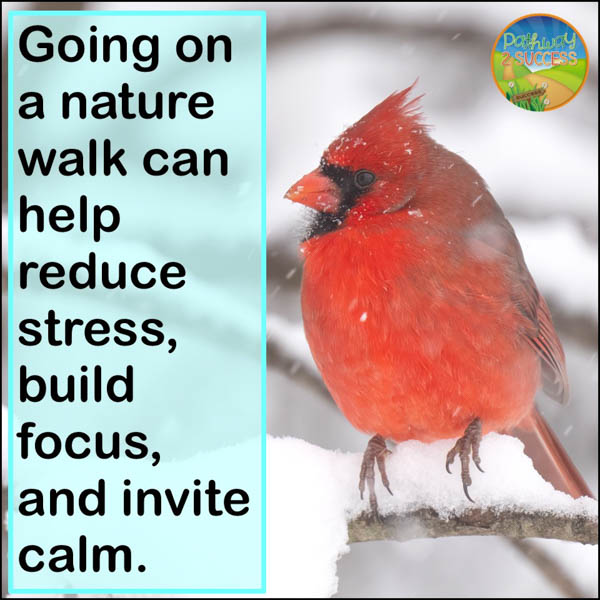
Beyond indoor breathing exercises, professionals are also highlighting the benefits of outdoor nature walks as a powerful tool for seasonal self-regulation. Even during the winter months, structured explorations outdoors encourage children to engage their senses by observing the environment around them, from feeling a chilly breeze to noticing winter wildlife. This active mindfulness not only reduces stress and strengthens attention spans, but it also promotes physical exercise and much-needed exposure to natural daylight, which can be scarce during the winter season. When outdoor excursions are impractical due to severe weather, similar psychological benefits are often achieved through nature-themed classroom brain breaks.
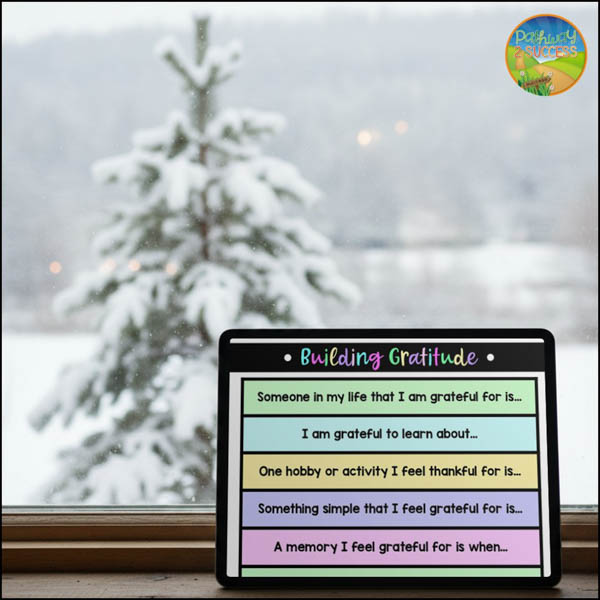
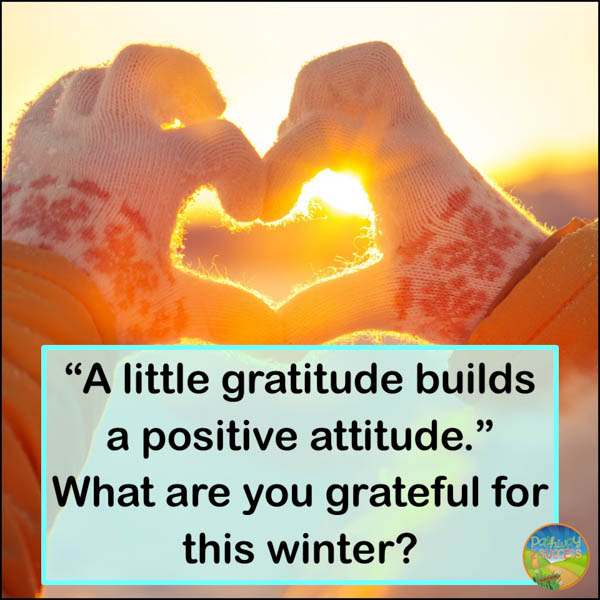
Reflective practices, such as winter gratitude exercises, offer another structured avenue for emotional management during the colder months. By dedicating time to articulate what they appreciate about the season—ranging from hot cocoa and family gatherings to the warmth of winter sunshine—children learn to reframe their cognitive focus toward the positive. Psychological studies consistently link regular gratitude practices with reduced stress levels, improved moods, enhanced resilience, and better sleep quality. Educators frequently facilitate these reflections through class discussions, gratitude sentence starters, and dedicated journal writing sessions.
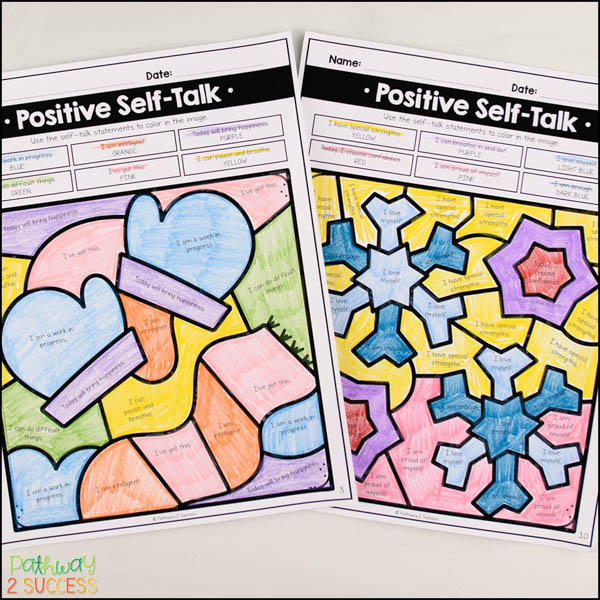
Creative outlets also play a prominent role in modern self-regulation frameworks. Mindful coloring utilizing winter-themed pages infused with positive self-talk phrases allows children to engage in a calming, low-pressure activity that promotes focus and relaxation. Unlike traditional meditation, which requires physical stillness, mindful coloring offers a constructive outlet for youth who may require gentle movement while settling their minds. Similarly, cozy reading sessions, whether through independent silent reading or shared classroom read-alouds, help lower overall stress, ease muscle tension, and build empathy while immersing young readers in comforting narratives.
Sensory integration activities have likewise gained traction as effective tools for emotional regulation. Winter-themed sensory bins filled with tactile materials offer hands-on exploration that naturally fosters calm, curiosity, and fine motor development. Alongside tactile play, culinary mindfulness activities, such as mindfully sipping a warm cup of hot cocoa, provide an immediate sensory experience that helps quiet the mind and signal the central nervous system to relax. When warm beverages are unavailable, specialists note that similar mindful awareness can be successfully practiced using virtually any food or drink.
To address cognitive and emotional needs further, educators frequently incorporate winter-themed imaginative visualization exercises. By guiding children to close their eyes and mentally picture a serene, relaxing winter landscape using sensory prompts, facilitators help youth learn how to intentionally shift their internal states toward tranquility. This imaginative practice is frequently complemented by hands-on winter crafts and the incorporation of gentle background music, such as instrumental piano or guitar tracks, which research shows can significantly enhance focus and trigger a physiological relaxation response during transitions or independent work periods.

Finally, active play continues to be a cornerstone of comprehensive self-regulation programs. Dynamic activities such as winter freeze dance combine physical movement with structured impulse control. By requiring children to dance freely and instantly freeze upon hearing designated winter vocabulary words, the game challenges participants to listen closely, manage their physical bodies, and practice smooth transitions between high energy and stillness. Through this diverse array of seasonal activities, professionals aim to equip children and teenagers with the robust self-regulation tools necessary to navigate winter disruptions with confidence and resilience.