As the political landscape shifts toward upcoming electoral cycles, civic organizations across the United States are renewing their focus on a crucial yet historically underrepresented demographic: voters with disabilities. According to recent data from a Rutgers University report supplement highlighted by the U.S. Election Assistance Commission, if voters with disabilities were to cast ballots at the exact same rate as voters without disabilities, approximately two million additional voices would actively participate in shaping American democracy.
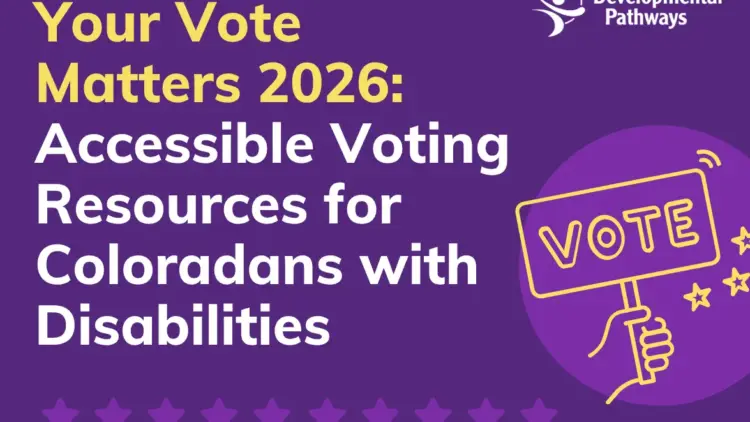
In Colorado, local organizations are taking proactive steps to bridge this participation gap. Developmental Pathways, a prominent community-focused organization dedicated to supporting individuals with intellectual and developmental disabilities, has announced a comprehensive initiative to ensure that individuals with disabilities can fully participate in their communities and exercise their fundamental right to vote. As part of this ongoing civic engagement effort, Developmental Pathways has compiled a robust suite of information and resources tailored specifically to support Colorado voters with disabilities as they prepare for the 2026 election cycle.
The initiative comes at a critical time when election administrators and advocacy groups nationwide are striving to make the ballot box more accessible. By demystifying the voting process and providing clear, accessible pathways to civic participation, organizations like Developmental Pathways aim to dismantle systemic barriers that have traditionally discouraged or prevented disabled citizens from making their voices heard.
Your Right to Vote
A central pillar of the voter empowerment effort in Colorado is reinforcing the legal understanding that having a disability, or having a guardian or other legal decision-maker, does not disenfranchise a citizen. Under Colorado law, guardianship and legal decision-making arrangements do not automatically strip an individual of their voting rights.
Any resident of Colorado who is 18 years of age or older and meets the state’s basic voter eligibility requirements retains the absolute right to vote. Furthermore, these voters maintain the right to make their own independent ballot choices without undue influence or interference. To ensure that voters, families, and guardians fully understand these legal protections, the Colorado Secretary of State provides comprehensive eligibility details as well as a dedicated Voters with Disabilities Frequently Asked Questions page. These official resources outline the precise legal framework governing voter eligibility and accommodations within the state.
Beyond state administrative resources, Colorado benefits from specialized advocacy networks dedicated to protecting the civil rights of disabled residents. Disability Justice Colorado, which serves as the state’s designated Protection and Advocacy System, plays a vital role in this ecosystem. The organization is equipped to help individuals understand their voting rights, learn about accessible voting options, and navigate the formal complaint process if their rights are ever violated during an election. Through these combined legal and advocacy frameworks, Colorado voters with disabilities are afforded multiple layers of protection to ensure their participation is unhindered.
Make a Plan to Vote
Transitioning from understanding one’s voting rights to successfully casting a ballot requires careful preparation. To assist voters in navigating the logistical complexities of the upcoming election, Developmental Pathways has introduced a specialized planning tool known as the My Voting Plan sheet, which voters can easily print and utilize to organize their voting strategy.
Colorado’s decentralized and accessible voting model offers multiple avenues for participation, accommodating diverse needs and schedules. State regulations mandate that every Voter Service and Polling Center across Colorado must be fully accessible to individuals with disabilities. These centers offer various accessible voting machines and alternative formats designed to ensure privacy and independence for every voter. Additionally, voters have the flexibility to choose how they return their ballots, whether by mail, through secure drop boxes, or by voting in person at a designated service center.
To maintain transparency and peace of mind throughout the voting process, the Colorado Secretary of State provides the BallotTrax online tool. This system allows voters to track the status of their mail-in ballots in real time, offering confirmation from the moment the ballot is printed and mailed out by election officials to the moment it is received and accepted by the county clerk’s office. This level of tracking helps alleviate common anxieties surrounding mail-in voting and ensures that every vote is accounted for.
Understanding Your Ballot
While casting a ballot is the ultimate goal, understanding the contents of the ballot is equally critical to meaningful civic participation. Navigating complex ballot measures, judicial evaluations, and candidate platforms can be a daunting task for any voter, making access to reliable, clear information essential.
Numerous organizations, ranging from nonpartisan civic groups to special interest entities, publish ballot guides designed to help voters decipher the issues and choices before them. Because these guides can vary widely in perspective, experts emphasize the importance of choosing trusted, transparent sources that align with an individual’s personal values and priorities.
To assist voters in making informed decisions for the 2026 election, Developmental Pathways has compiled a curated collection of ballot guides and supplementary resources. Recognizing that election information evolves rapidly as the primary and general election seasons progress, the organization has indicated that it will continuously update its resource library as new nonpartisan and educational materials are released by trusted community and civic partners. Voters and caregivers are encouraged to revisit these resources frequently to stay fully informed as election day approaches.