Choosing the right medical alert system, often referred to as a personal emergency response system, can be a lifesaving decision. With a vast array of options currently dominating the market, finding a solution that guarantees reliability, ease of use, and ultimate peace of mind has become a paramount priority for seniors and their families. Whether individuals require a traditional in-home setup for daily household safety or a modern mobile device equipped with advanced global positioning system tracking to support an active lifestyle, understanding the core features is crucial before making a financial commitment.
Industry experts and healthcare advocates emphasize that selecting the proper device involves weighing several critical factors, ranging from monitoring capabilities and fall detection technology to overall costs and everyday wearability. Families are increasingly tasked with evaluating these variables to ensure that an aging loved one remains safe without sacrificing personal comfort or straining a fixed budget.

At the heart of the selection process is determining whether an in-home or mobile system best fits the user’s daily routine. Standard in-home medical alert systems typically rely on a base unit connected to either a traditional landline or a cellular network. These configurations are generally ideal for seniors who spend the vast majority of their time inside or immediately around the house. Users can usually wander between 800 and 1,400 feet away from the base station before experiencing a drop in signal strength. For many individuals, this coverage is more than adequate, often extending far enough into the yard to tend to garden plants or retrieve the mail.
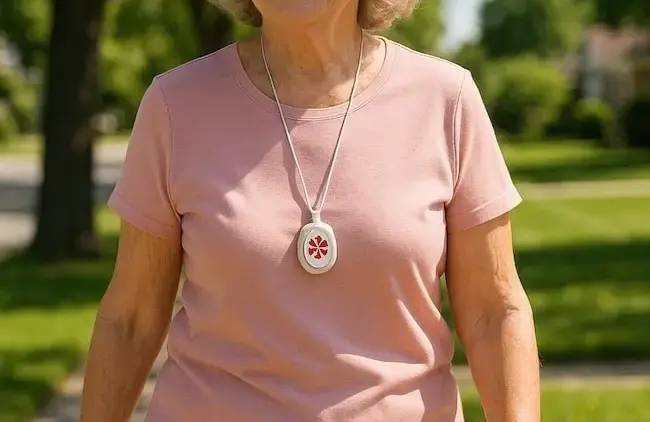
In contrast, mobile and GPS-enabled systems are engineered for seniors who maintain an active lifestyle outside the home. While in-home units serve homebound individuals well, cellular-based medical alert pendants and smartwatches allow users to drive to the local pharmacy, run errands, or visit friends without ever losing service. These portable devices incorporate GPS tracking, which is particularly beneficial for individuals who may wander or require location assistance during outings, making them exceptionally popular among active older adults who travel or spend significant time outdoors.
Hybrid options have also emerged to bridge the gap between fixed and mobile coverage. Recent installations in modern apartments, such as those utilizing cellular-connected base stations paired with portable pendants, demonstrate how technology has adapted to modern housing trends where traditional landline phone jacks are frequently absent. These systems often include internal battery backups to maintain functionality during unexpected power outages, ensuring continuous protection even when the home loses electricity.

Beyond basic connectivity, evaluating the inclusion of automatic fall detection technology remains a central consideration for high-risk individuals. Automatic fall detection systems utilize built-in motion sensors, such as accelerometers and gyroscopes, to identify a potential physical fall and automatically alert emergency dispatchers even if the user is physically unable to press the emergency button. While standard emergency buttons require manual activation, fall detection provides an essential layer of security for those prone to sudden slips or medical episodes, though this feature typically incurs an additional monthly fee.
The reliability of remote monitoring services and emergency response times represents another vital evaluation metric. Families should look for providers offering continuous twenty-four-hour professional monitoring with rapid response times, ideally under thirty seconds. Furthermore, cellular-based monitoring setups generally offer superior reliability compared to older landline configurations, as they remain operational during severe weather events or neighborhood power failures.
Financial considerations and contract terms frequently dictate the long-term feasibility of any medical alert investment. Upfront equipment charges vary significantly among providers, with some companies supplying hardware at no initial cost when bundled with a subscription, while others require separate purchases. Monthly service fees typically range from twenty to fifty dollars depending on the chosen features and tier of service. Consumer advocates consistently advise avoiding rigid long-term contracts in favor of flexible month-to-month plans, while also remaining vigilant about hidden activation fees, cancellation penalties, or extra charges associated with premium add-ons like fall detection.

Usability and physical comfort are equally decisive factors in ensuring daily compliance. If a wearable pendant or wristband is too bulky, heavy, or uncomfortable, seniors are far more likely to stop wearing it, rendering the service useless. Manufacturers now focus on lightweight, waterproof designs that integrate smoothly into daily life. For mobile devices, adequate battery life lasting between twenty-four and forty-eight hours on a single charge is essential, alongside straightforward installation processes that eliminate technical frustration for both seniors and their caregivers.
Additional modern features, such as automated family notification alerts and integration with smart home ecosystems like voice assistants, provide supplementary layers of convenience and oversight. Ultimately, researching customer feedback through reputable consumer protection agencies and senior advocacy platforms helps ensure that the chosen provider maintains a strong track record of reliability and customer support. By carefully assessing these elements against individual lifestyle needs and financial boundaries, families can successfully navigate the medical alert market and secure an appropriate safety net for their aging loved ones.