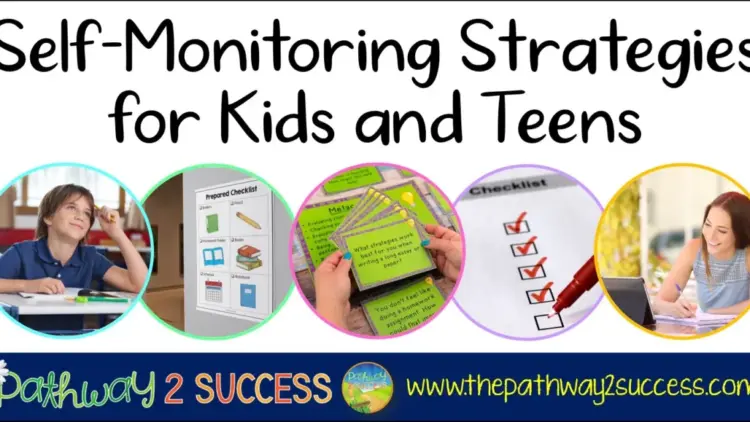
In an era defined by fast-paced digital distractions and complex academic demands, educators and child development specialists are placing renewed focus on a foundational executive functioning skill: self-monitoring. Defined simply as the ability to pay attention to one’s current actions in the moment and realign them to meet a goal, self-monitoring is increasingly recognized as a critical pillar for student success both inside and outside the classroom.
While adults frequently utilize self-monitoring to stay focused during meetings, meet professional deadlines, or manage their attention, children and teenagers are still developing the cognitive infrastructure required to master these behaviors. Experts emphasize that self-monitoring is not an innate trait that individuals either possess or lack; rather, it is an evidence-based skill that can be systematically learned, practiced, and strengthened over time.
Understanding Self-Monitoring and Metacognition
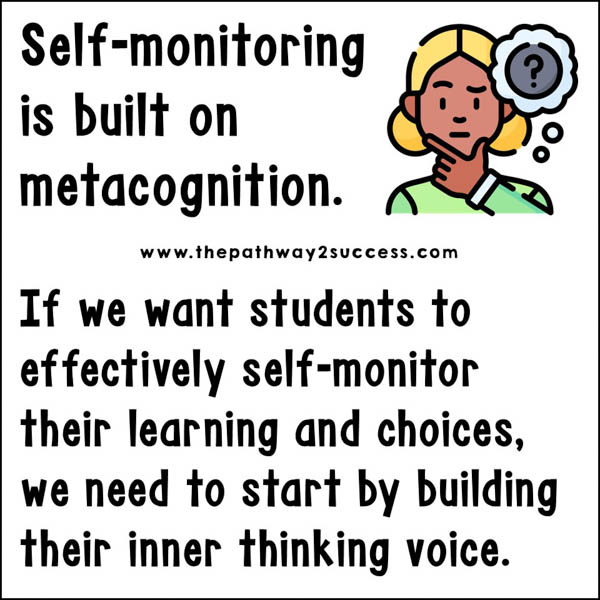
At its core, self-monitoring operates on the principle of metacognition—thinking about one’s own thinking. When young learners cultivate an active inner thinking voice, they build the capacity to pause, evaluate their progress, and make mid-course corrections before minor distractions derail their entire learning session.
Without these intentional check-ins, students easily lose sight of their objectives. This is particularly true during tasks that children find challenging or unengaging, such as complex mathematics assignments or lengthy reading exercises. Child development specialists note that teaching kids how to notice these moments of friction in real-time allows them to transition from passive participants in their education to independent, self-directed learners.
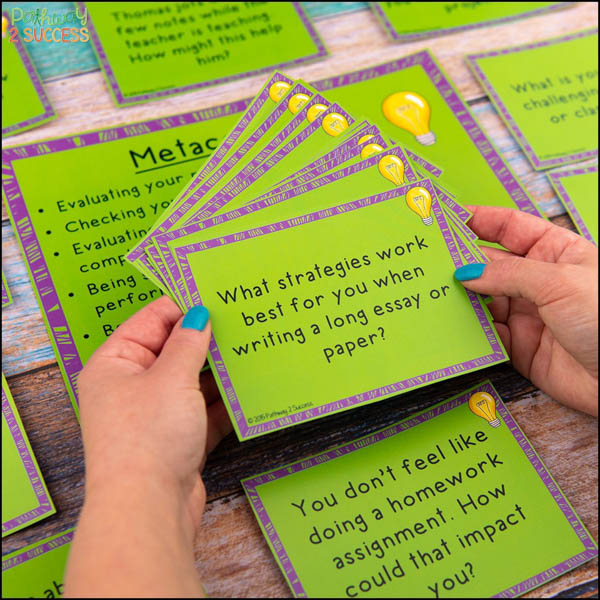
To foster this metacognitive awareness, educators are incorporating structured strategy discussions before, during, and after classroom activities. By reflecting collectively on what made a particular assignment difficult—such as losing focus when a task became challenging or getting distracted by boredom—students learn to normalize the struggle and collaboratively brainstorm actionable solutions.
Foundational Practices for the Classroom and Home
Building robust self-monitoring habits requires deliberate, daily integration rather than isolated interventions. Child development frameworks highlight several practical approaches that educators and parents can utilize to help youth establish greater ownership over their academic and behavioral trajectories.
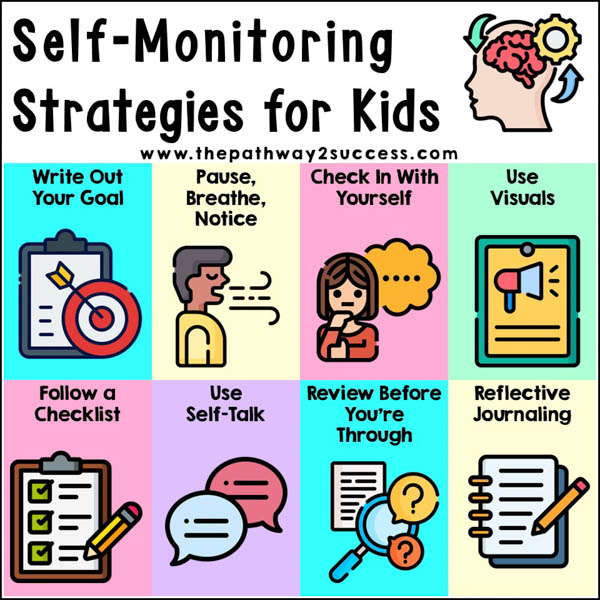
The journey often begins with clarity of purpose. Before a working session commences, having students physically write out their immediate objective on a sticky note or index card—such as reading a specific chapter for an English class—creates a concrete visual reminder of the task at hand. This simple act establishes accountability and anchors the student’s focus from the outset.

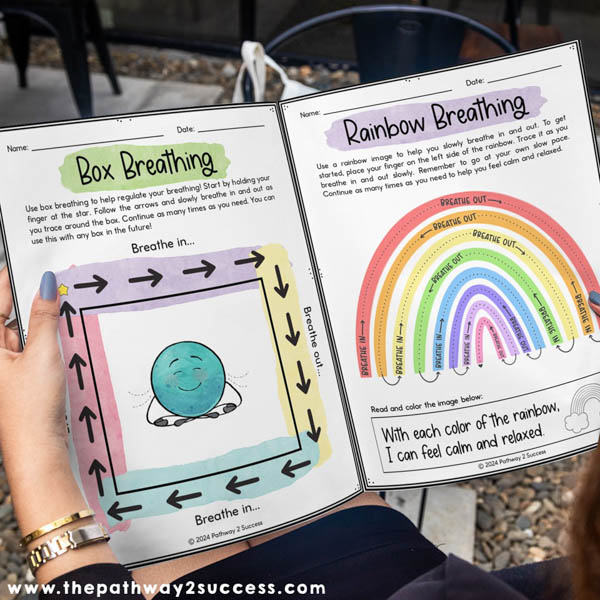
Interwoven with goal-setting is the crucial practice of pausing. Living in a hyper-connected society makes the simple act of stopping exceptionally difficult for young minds. Integrating brief, mindful breathing exercises into the daily routine offers a physiological anchor. By sitting comfortably, breathing slowly, and paying attention to the physical sensation of the breath, students learn the art of the pause. This pause serves as the essential framework for checking in on current emotional and mental states, supporting broader self-regulation and emotional management.
Structured Check-Ins and Self-Talk
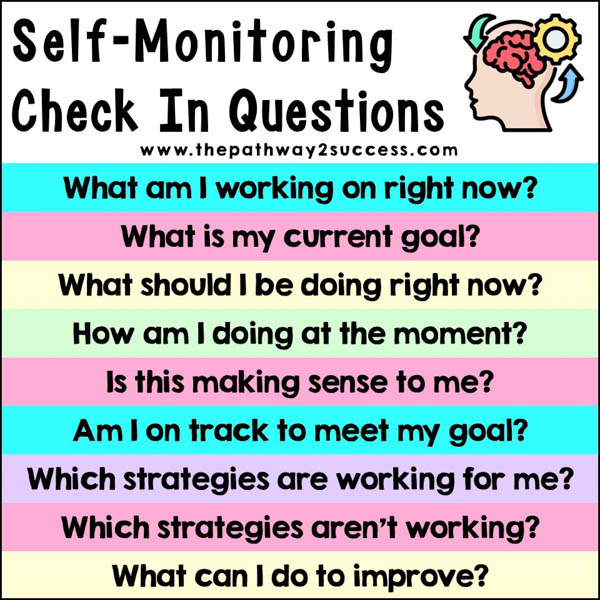
As working sessions progress, intentional check-ins help turn a student’s focus inward. Educators often utilize subtle auditory cues, such as a gentle chime halfway through an assignment or test, to prompt learners to ask themselves critical evaluative questions about their progress, pace, and strategy. This interruption invites students to assess whether their current approach is working and encourages them to pivot if necessary.
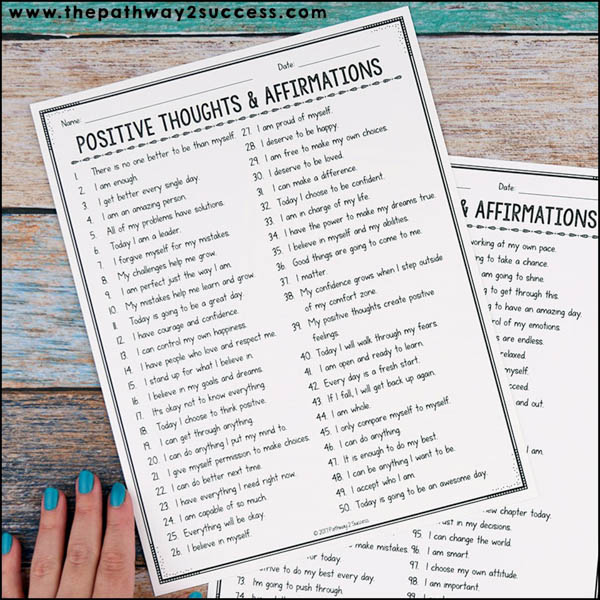
Complementing these check-ins is the intentional use of positive self-talk. Phrases designed to encourage and support confidence can significantly alter how a student handles frustration or fatigue. By practicing positive thinking affirmations, children and teens build the emotional resilience required to navigate difficult academic tasks without yielding to defeat.
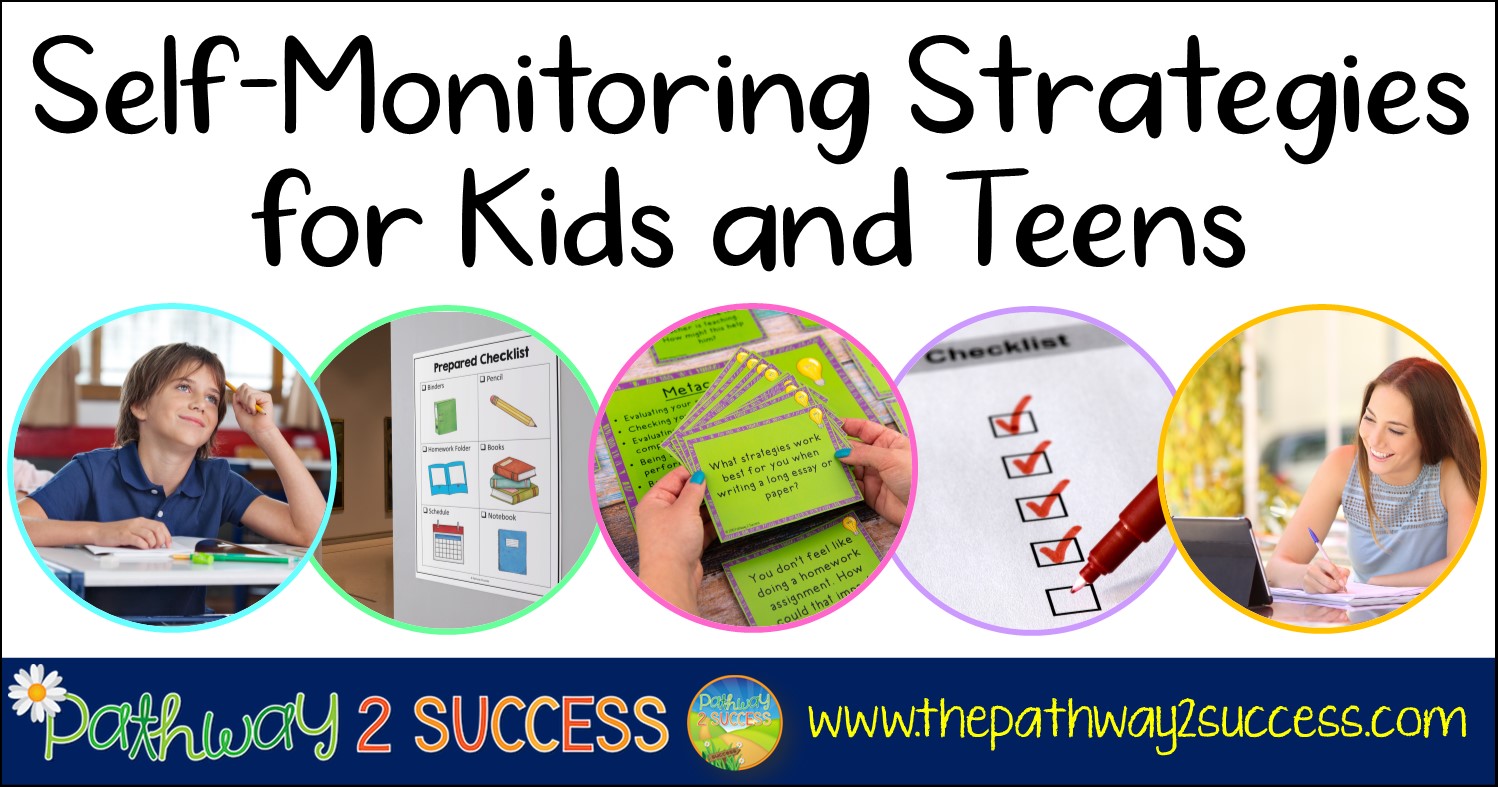
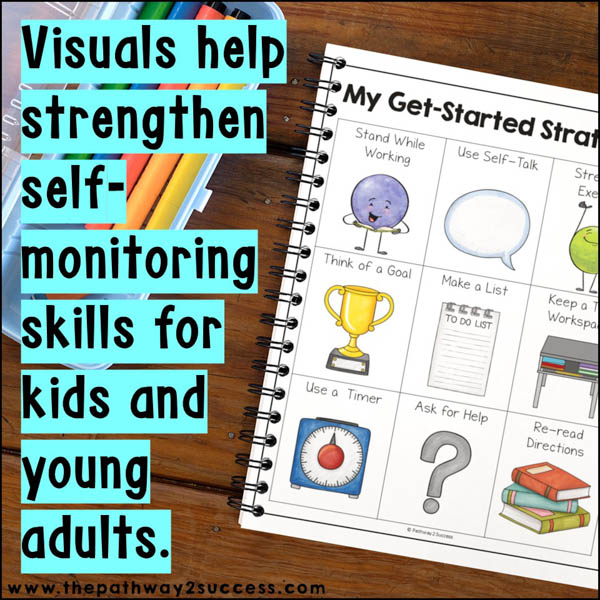
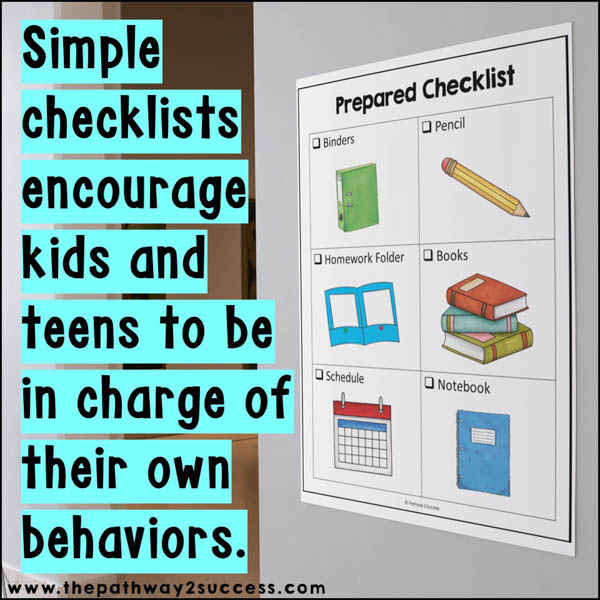
Visual supports and customized checklists further reinforce independence. For multi-step activities or assignments where students historically struggle, developing a clear visual checklist provides an external scaffolding that gradually becomes internalized. Similarly, tools like tally charts and timers help learners quantify their focus, allowing them to track target behaviors—such as completing math problems or maintaining journal momentum—over manageable increments of time.
Reflection and Comprehensive Executive Functioning
The self-monitoring cycle does not end when a task is completed; rather, it extends into thoughtful review and reflection. Educators emphasize the importance of having students review their work for accuracy and completeness before submission, turning quality control into an automatic habit.
Furthermore, post-activity journaling offers a space for deeper consideration. By examining what went well, identifying specific moments where attention drifted, and evaluating the effectiveness of their self-advocacy and self-talk, students actively strengthen their self-monitoring muscles for future endeavors.
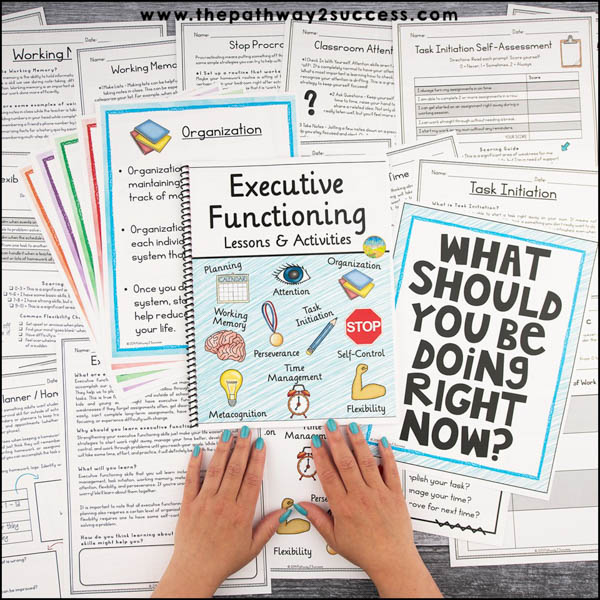
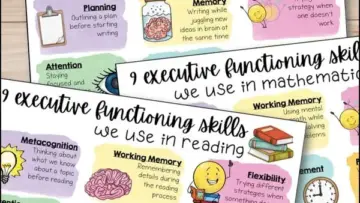
Ultimately, experts note that self-monitoring does not exist in a vacuum. It is deeply intertwined with a broader network of executive functioning skills, including self-awareness, cognitive flexibility, working memory, and impulse control. By supporting the holistic development of these interconnected capabilities, parents and educators can equip kids and teens with the lifelong tools necessary to navigate challenges independently, make informed choices, and consistently meet their personal and academic goals.