Four years after the landmark Supreme Court decision in Dobbs v. Jackson Women’s Health Organization overturned Roe v. Wade and dismantled federal protections for abortion across the United States, the landscape of reproductive health care has undergone a profound transformation. While 13 states now enforce complete bans on abortion provision and many others have enacted early gestational age limits, the widespread availability of medication abortion via telehealth has fundamentally altered how women obtain services, even in restrictive jurisdictions.
These insights come from the newly released 2026 KFF Women’s Health Survey, a comprehensive national assessment developed and analyzed by researchers at KFF. Fielded between March 11 and April 14, 2026, the survey captures reproductive-age women’s personal experiences with abortion, the ongoing fallout from the Dobbs decision, concerns regarding future pregnancies, and public knowledge surrounding medication abortion. Based on a nationally representative sample of 3,538 women ages 18 to 49, the findings paint a detailed picture of a nation deeply divided by state lines yet increasingly reliant on digital and remote health care pathways.
Women’s Experiences with Pregnancy, Miscarriage, and Abortion
The survey reveals that the vast majority of reproductive-age women have experienced pregnancy at some point in their lives. Specifically, 64% of women between the ages of 18 and 49 report that they are either currently pregnant (3%) or have been pregnant previously (61%), while 36% have never been pregnant. Among those with a history of pregnancy, 36%—representing 24% of all reproductive-age women—report experiencing a miscarriage.
While not every miscarriage requires medical intervention, many do, and clinical protocols used to manage pregnancy loss are virtually identical to those used in abortion care. Consequently, the researchers note that abortion bans and strict gestational limits frequently restrict vital medical care for patients experiencing pregnancy loss. In severe instances, care denials stemming from these restrictions have created health-threatening emergencies, long-term health complications, and preventable maternal deaths.
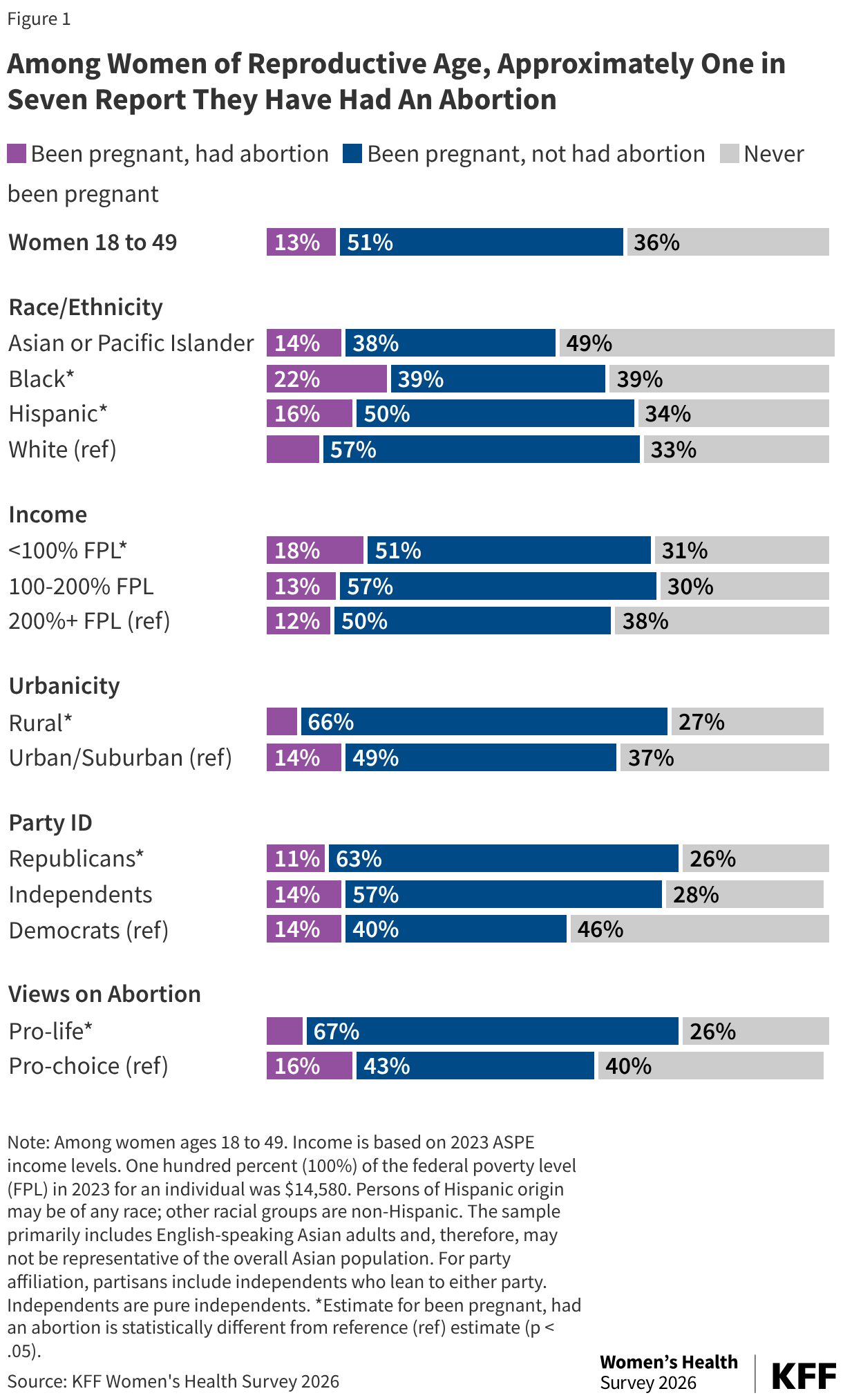
When looking at lifetime experiences with abortion, one in eight women of reproductive age, or 13%, report having had an abortion. The data highlights notable demographic variations: higher shares of Black (22%) and Hispanic (16%) women report having had an abortion compared to White women (10%). Income also plays a significant role, with nearly one in five women (18%) living with incomes below the federal poverty level reporting a past abortion, compared to 12% of women with incomes exceeding 200% of the federal poverty level.
Geographic and political disparities are similarly striking. Only 6% of reproductive-age women living in rural areas report a past abortion, compared to 14% of those residing in urban and suburban areas. Politically, 11% of women who identify as Republican or lean Republican and 14% of Democratic-leaning women report having had an abortion. Furthermore, fewer than one in ten women (7%) who currently identify as pro-life report a past abortion, compared to nearly one in five (16%) who identify as pro-choice.
Beyond past procedures, 3% of reproductive-age women report having wanted or needed an abortion at some point in their lives but were unable to obtain one. This figure rises among Black (9%) and Hispanic (5%) women compared to White women (2%). When asked why they could not access care, respondents overwhelmingly pointed to financial destitution, a lack of health insurance, prohibitive out-of-pocket costs, and severe logistical hurdles, such as protests, lack of transportation, and restrictive state laws. Testimonies from respondents underscore these barriers, with many describing how they were forced to carry pregnancies to term or seek alternative routes like adoption solely because they could not afford the fees or find accessible clinics.
Evolution of Abortion Access Over the Past Decade
The past ten years have witnessed unprecedented volatility in American abortion policy. Following the initial election of President Trump in 2016 and the subsequent overturning of Roe v. Wade in June 2022, the mechanics of receiving care shifted dramatically.
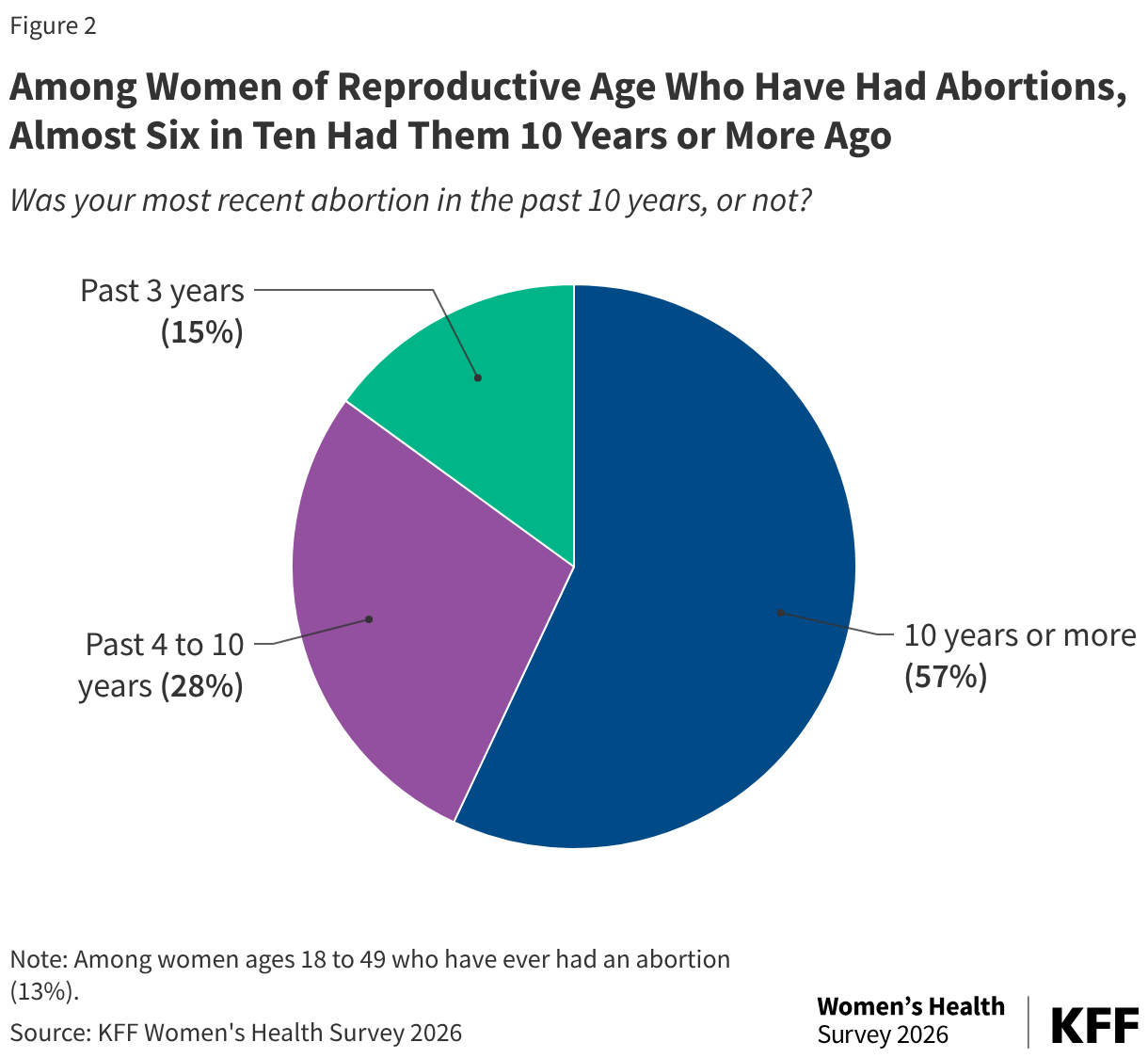
Among women ages 18 to 49 who have ever had an abortion, 15% report that their most recent procedure occurred within the past three years. Another 28% had their abortions four to 10 years ago, while nearly six in ten (57%) report their most recent procedure took place more than a decade ago.
State-level restrictions have historically forced many patients to travel across state lines for care, a trend that persists today. Among women who have had an abortion within the past 10 years, 13% report traveling out of state to obtain their most recent procedure. However, the rise of medication abortion has provided an alternative pathway. Six in ten women (59%) who obtained an abortion in the past decade report using medication abortion, while 41% underwent a procedural abortion. The use of mifepristone—approved by the FDA in 2000—has grown steadily, accelerated by post-pandemic telehealth flexibilities that removed prior in-person dispensing requirements and allowed remote clinicians to ship pills.
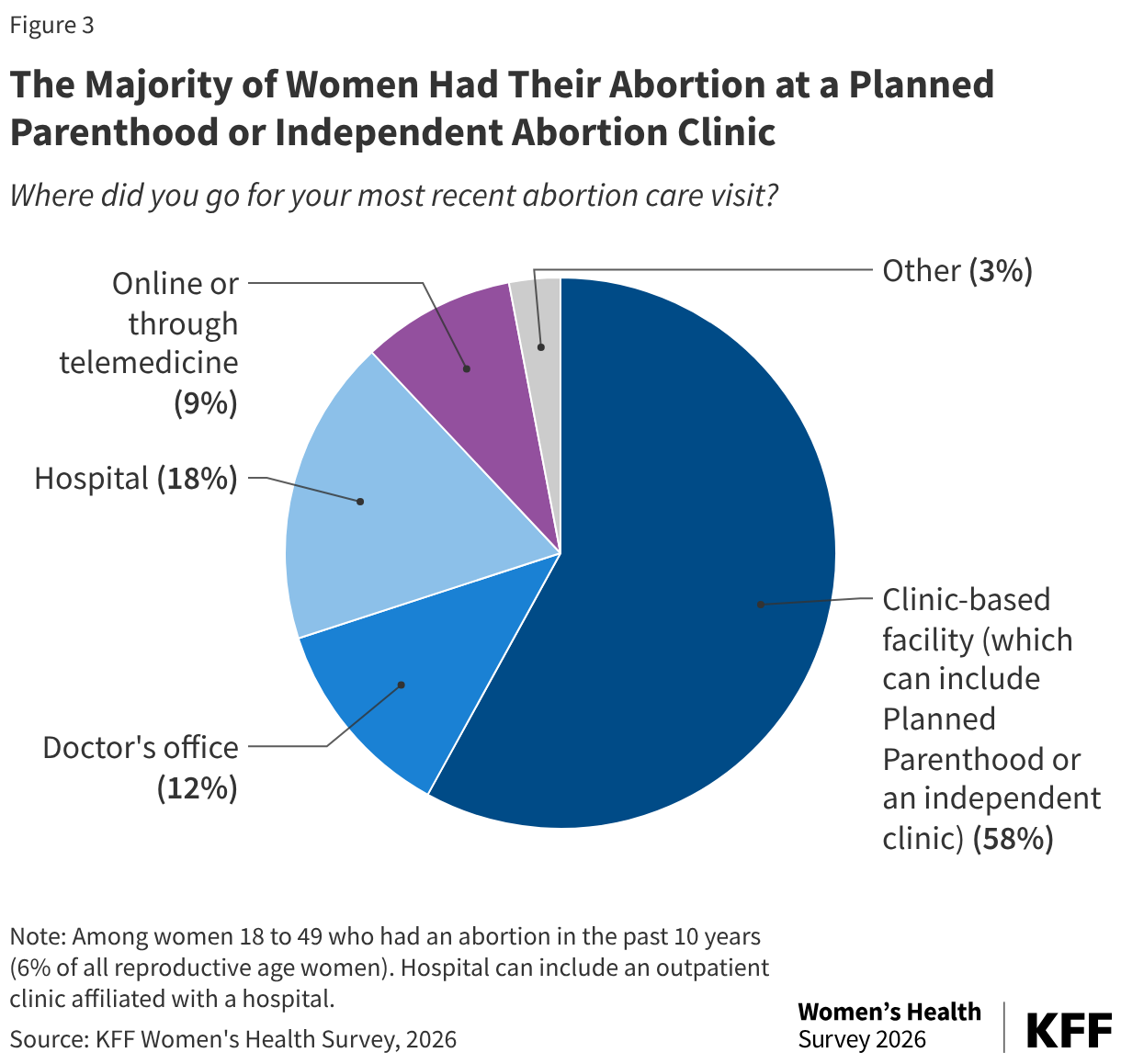
Despite the rise of telehealth, the majority of women obtaining abortions in the past 10 years still received in-person care at a clinic-based facility, such as Planned Parenthood or independent clinics (58%). One in five (18%) received care at a hospital or hospital-affiliated outpatient clinic, 12% in a doctor’s office, and 9% online or through telemedicine.
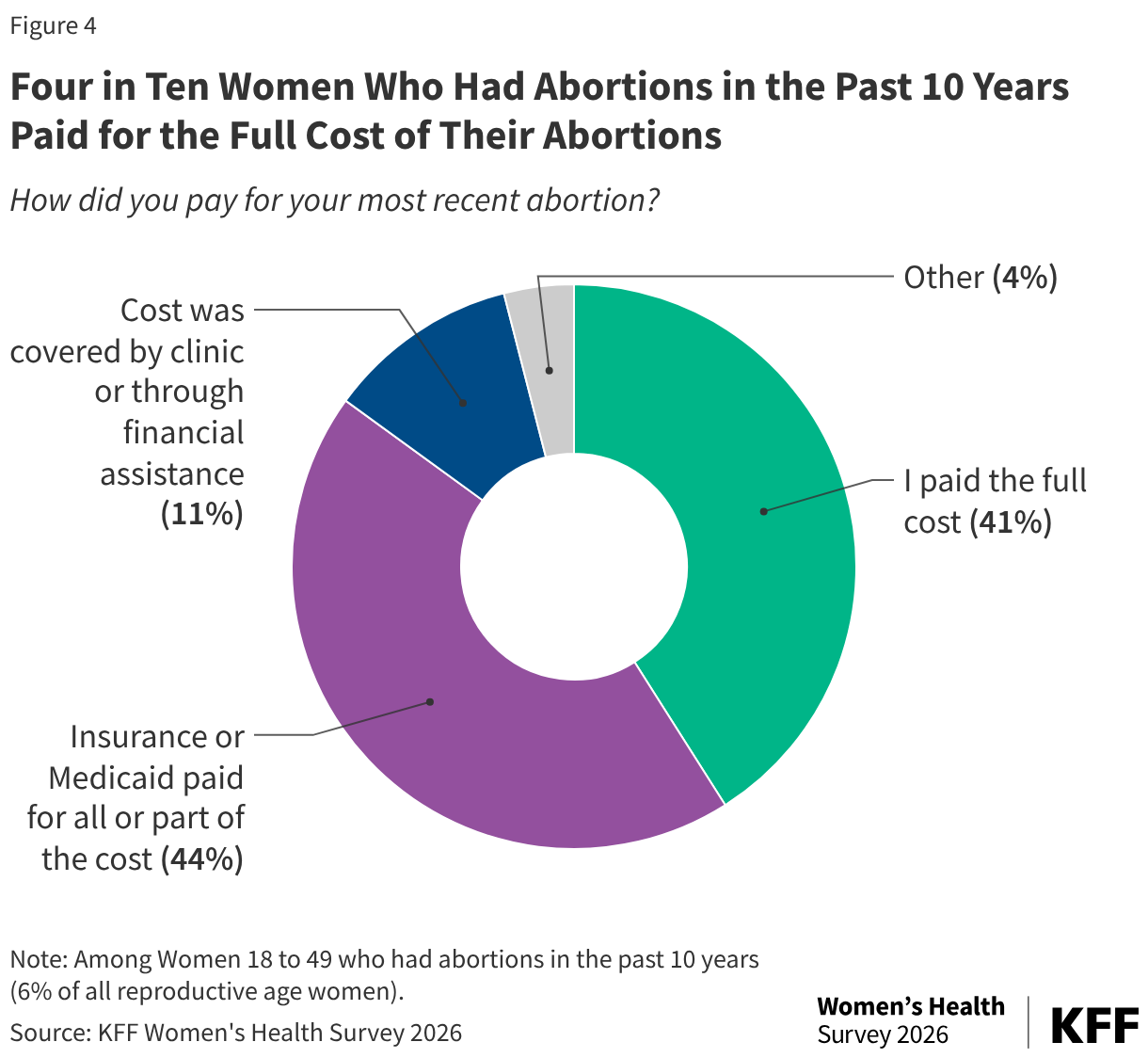
Financially, obtaining an abortion remains a heavy burden. Four in ten women (41%) who had an abortion in the past decade paid the full out-of-pocket cost themselves. These expenses are often compounded by non-medical costs, including travel, childcare, lodging, and lost wages. Meanwhile, 44% reported that insurance or Medicaid covered all or part of the cost, and 11% received financial assistance from a clinic. Federal Medicaid funding remains strictly limited by the Hyde Amendment, though 21 states currently use their own state funds to expand coverage for enrollees beyond federal exceptions.
Lasting Impact of the Dobbs Decision
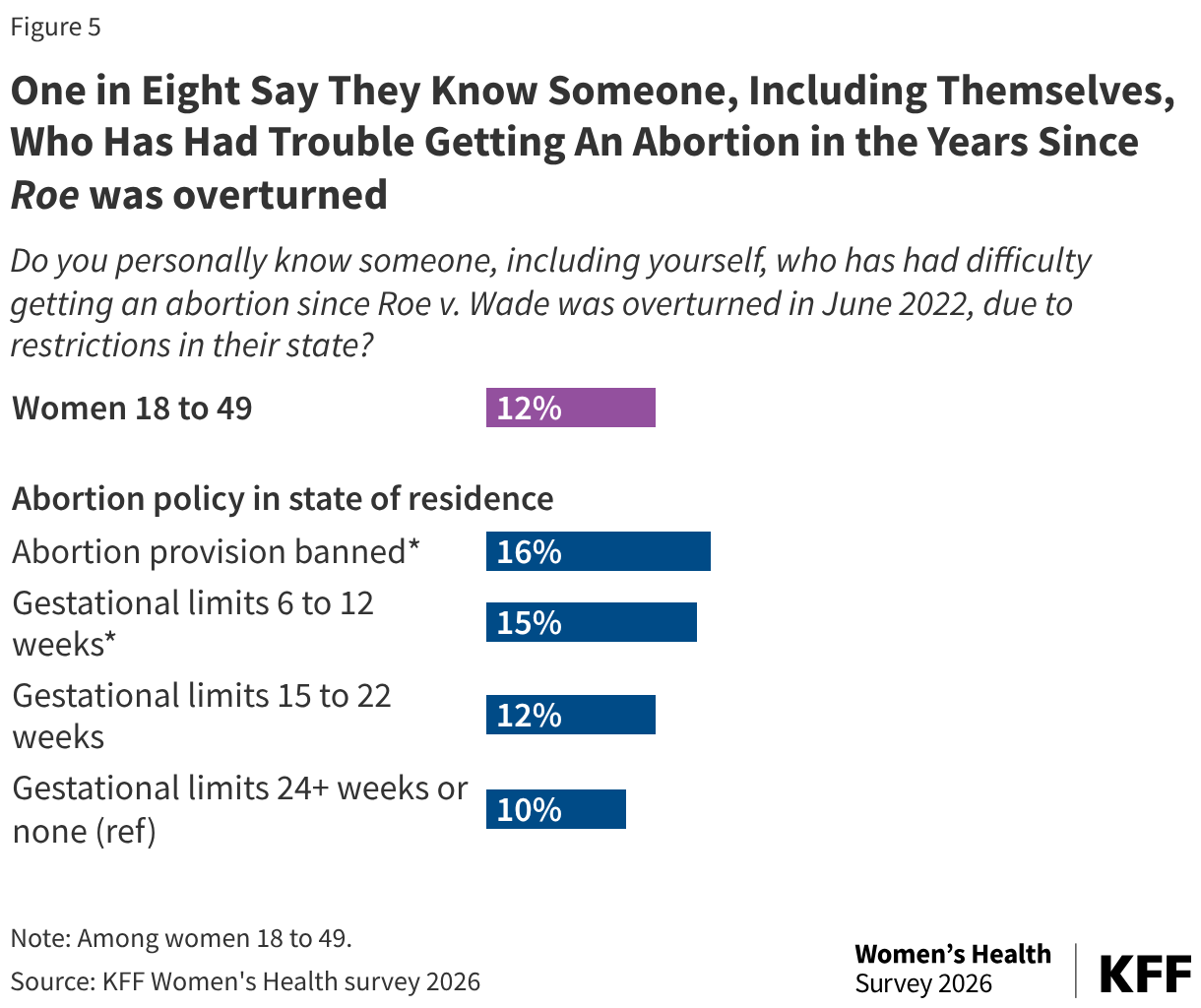
Four years post-Dobbs, 12% of reproductive-age women report that they personally know someone—or have experienced themselves—difficulty accessing an abortion due to state restrictions. This represents a slight increase from 8% in 2024. Women living in states with total bans (16%) or strict gestational limits between 6 and 12 weeks (15%) are significantly more likely to report knowing someone who faced such hurdles compared to those living in states with permissive laws.
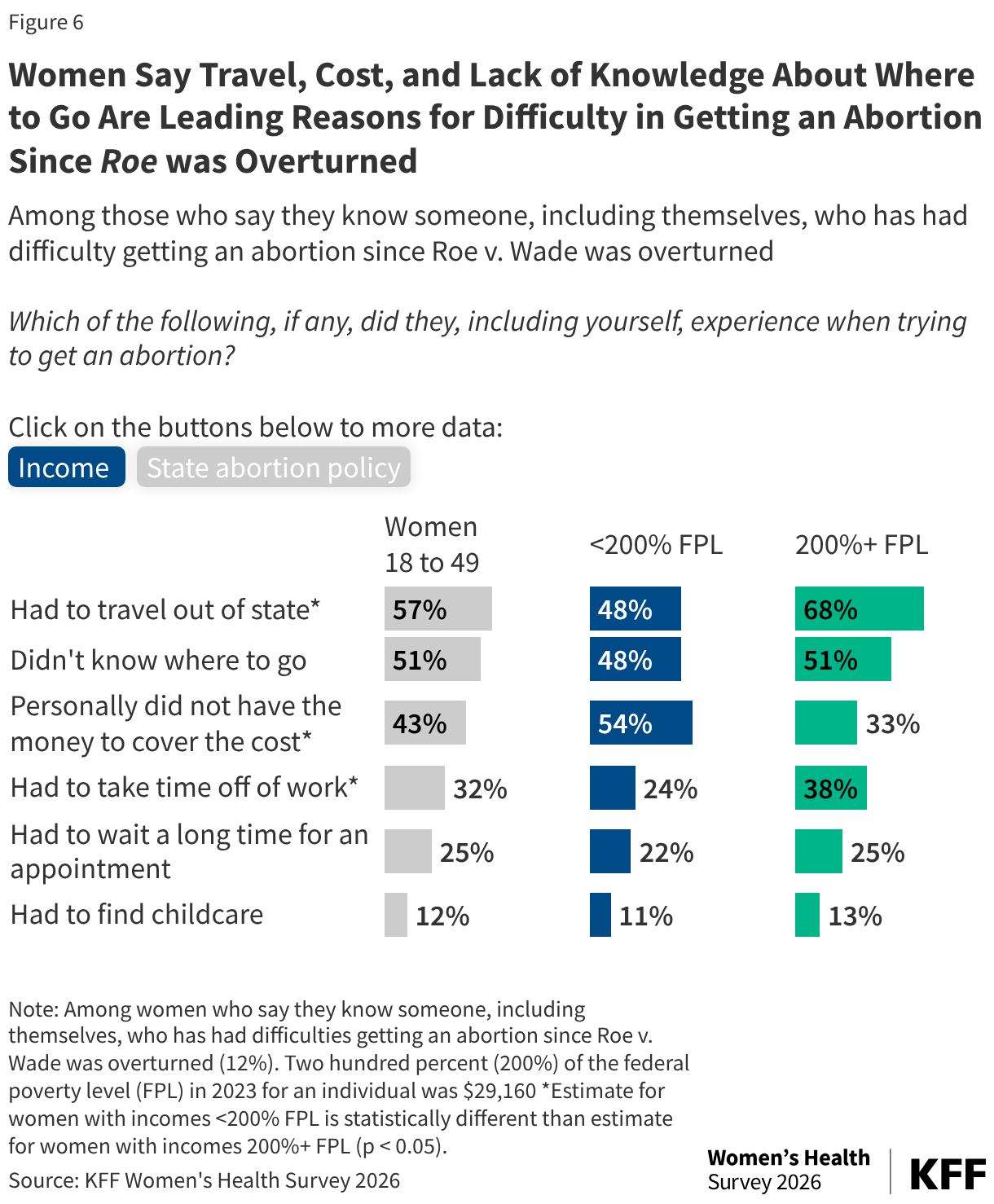
Among those who encountered difficulties, 57% noted that they or the person they knew had to travel out of state. Other major obstacles included not knowing where to go (51%), inability to afford the cost (43%), and needing to take time off work (32%). Low-income women most frequently cited cost as their primary barrier, whereas higher-income women more commonly reported logistical challenges like travel and lost wages.
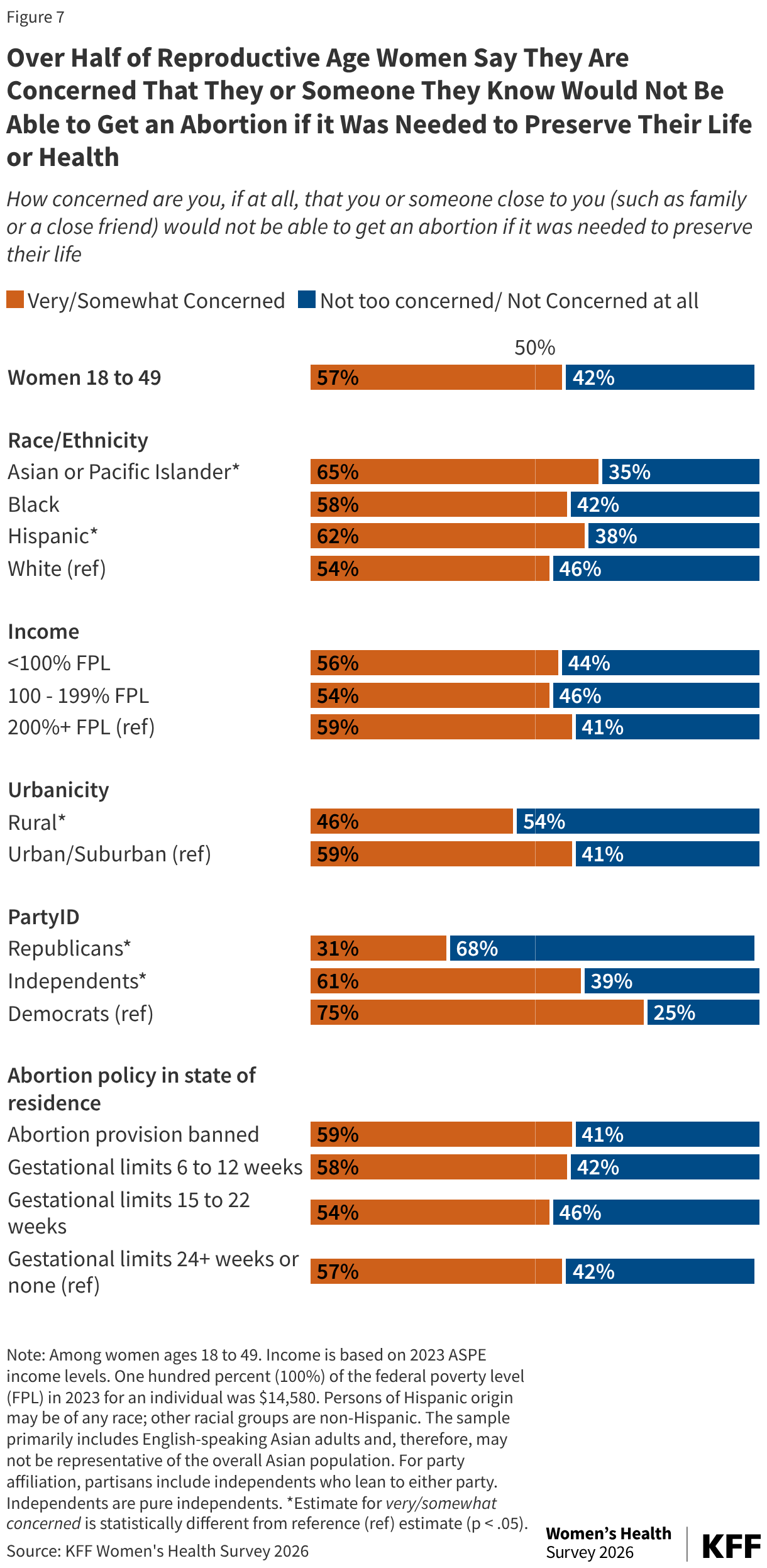
Anxiety surrounding reproductive healthcare extends beyond those immediately seeking procedures. Nearly six in ten reproductive-age women (57%) express concern that they or someone close to them would be unable to secure an abortion if it were necessary to preserve their life or health. Similar majorities (59%) worry that abortion bans negatively impact the safety of potential future pregnancies. These concerns are particularly pronounced among Asian, Black, and Hispanic women, as well as Democratic and independent voters, while Republican and rural respondents report lower levels of concern.
Awareness and Knowledge of Medication Abortion Availability
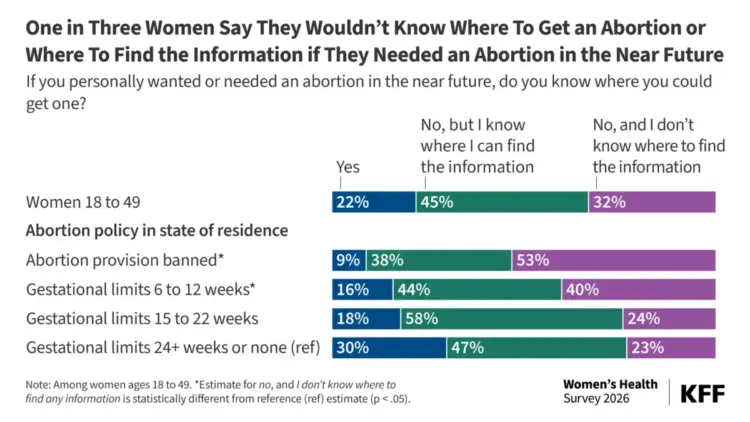
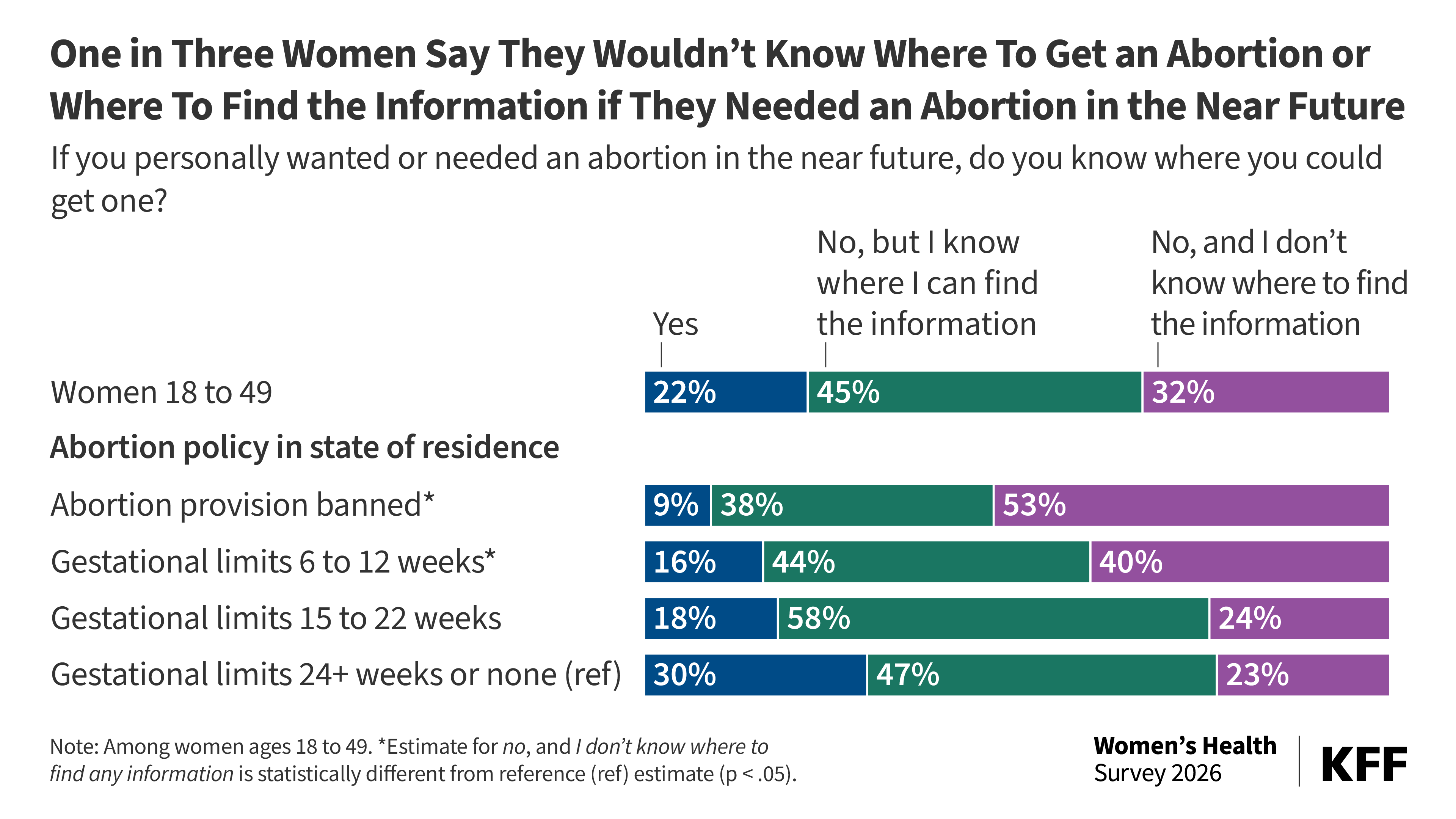
Public awareness regarding how and where to access abortion services reveals significant gaps. One in three women of reproductive age (32%) report that if they needed an abortion in the near future, they would not know where to go or how to find reliable information—an increase from 26% in 2024. This uncertainty is especially acute in states with total bans, where 53% of women say they would not know where to find information.
While online directories and telehealth networks have expanded, overall awareness of online medication abortion availability remains low. Only 18% of reproductive-age women are aware that medication abortion pills can be obtained online and shipped to their homes, a figure that has remained flat since 2024. Approximately 11% believe individuals in their state cannot get pills online, and 71% remain unsure or have never heard of medication abortion. Knowledge is notably lower among Black and Hispanic women and residents of states with strict abortion bans, highlighting persistent informational disparities in the post-Dobbs era.