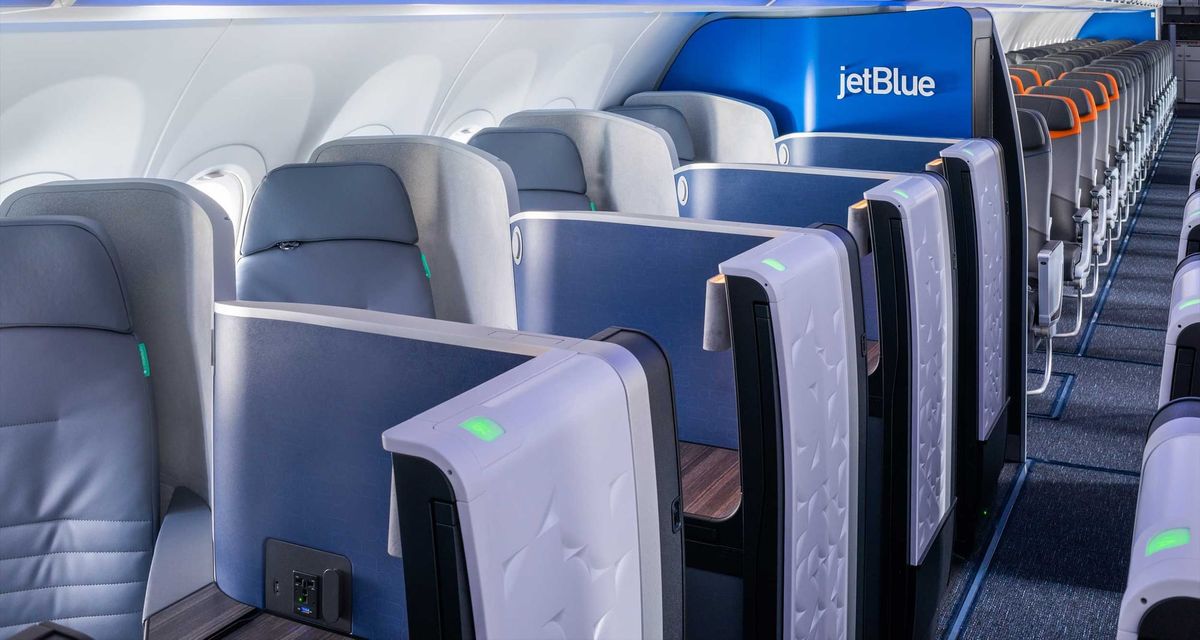
For wheelchair users navigating the commercial aviation system, stepping onto an airplane can quickly turn from a routine journey into a harrowing ordeal. John Morris, a prominent advocate and founder of WheelchairTravel.org, knows this reality all too well. In 2023, during a flight on JetBlue’s Mint Suite from Boston to Los Angeles, Morris experienced one of the most frightening moments of his life. Upon arrival, a team of airline staff attempted to lift him out of his seat using a sling. The staff lost their grip, leaving him dangling upside down with his head precariously near the floor. To compound the terror, one employee grabbed him by the shirt collar, effectively cutting off his air supply. Morris later documented the harrowing incident, labeling the configuration the least accessible business class seat flying today.
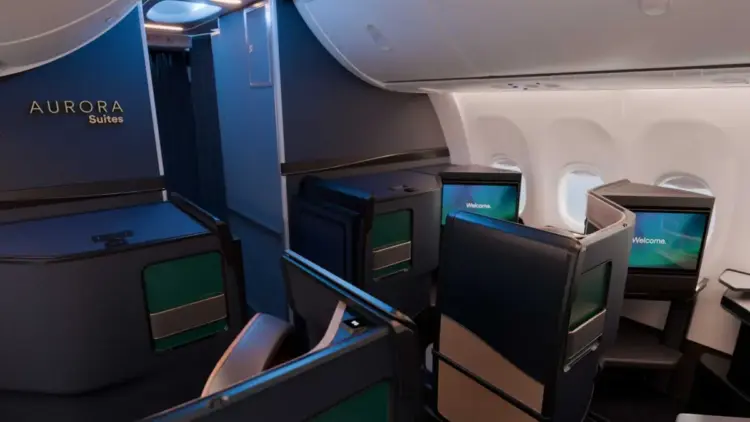
Given this history of perilous experiences, when Alaska Airlines unveiled its new Aurora Suites for the upcoming Boeing 737-10 MAX fleet last month, Morris bypassed the standard marketing highlights—such as the large entertainment screens and the signature northern lights paint job—to focus on a critical, often-overlooked design detail: the direction the seats face.
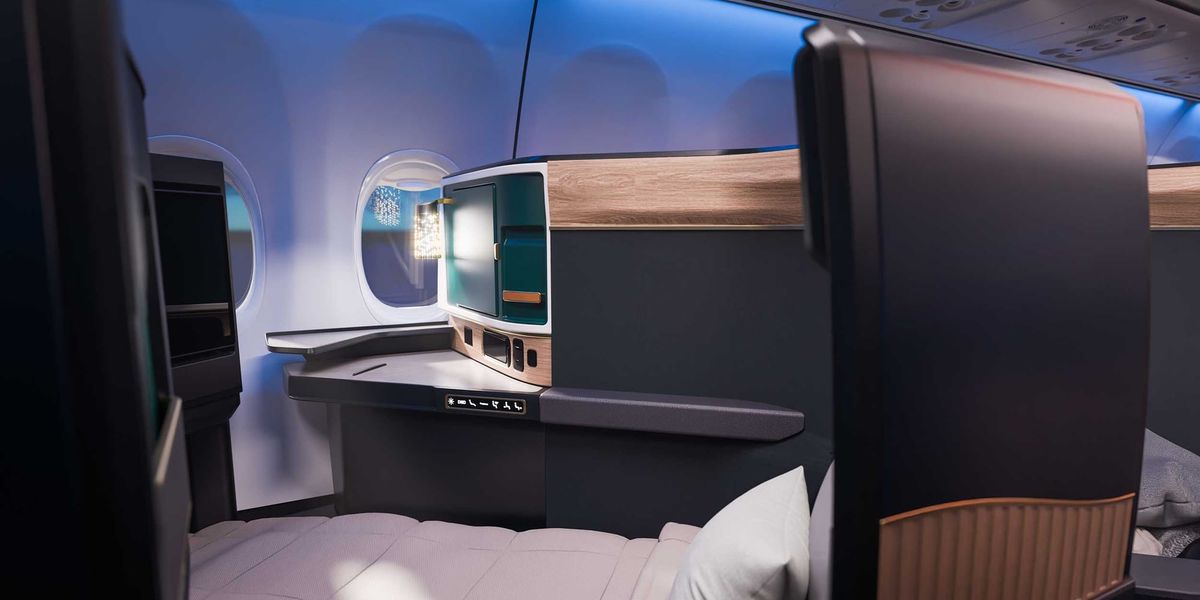
To his pleasant surprise, Alaska’s new seats are arranged in a reverse herringbone configuration, meaning they face the windows rather than the aisle. This design choice boldly bucks a growing industry trend established by competitors like JetBlue, American Airlines, and United Airlines. Those carriers have routinely installed herringbone seats that face the aisle on narrow-body aircraft. For travelers with mobility impairments, this architectural layout dictates whether a wheelchair user can independently transfer or be moved safely from an aisle transfer chair into the seat, or whether they must be awkwardly hauled and contorted over into a narrow, restrictive pod.
"Holy Aurora!," Morris reflected upon discovering the design schematics. Alaska had genuinely gotten this configuration right.

Hello, Aurora!
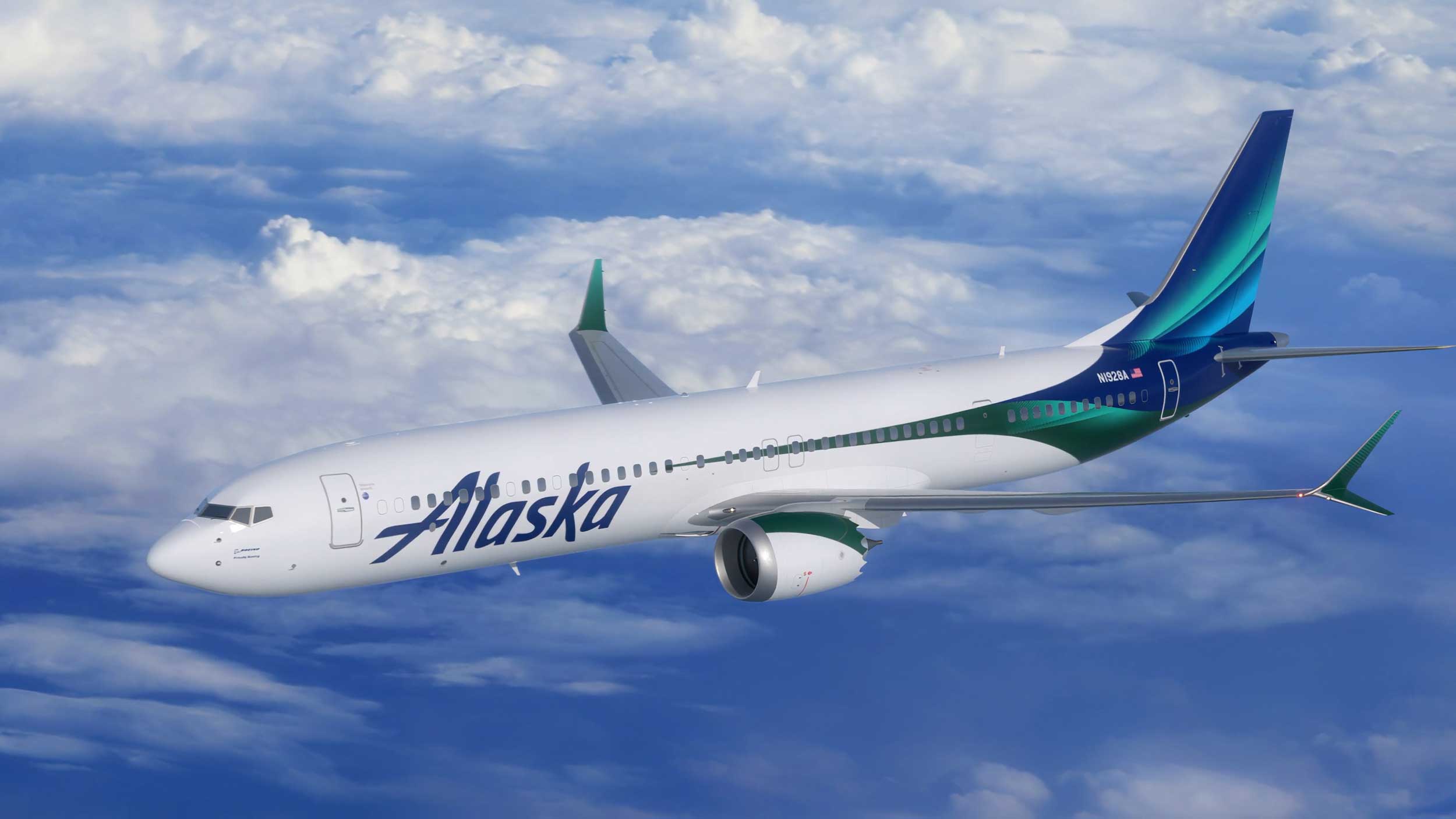
Aurora serves as Alaska’s new overarching brand name for its premier seats and top-tier service. On the airline’s wide-body Boeing 787 Dreamliners, Aurora represents the carrier’s international long-haul business class offering. However, on the narrow-body Boeing 737-10 MAX aircraft, the product will be sold as domestic first class on transcontinental and coast-to-coast flights. This milestone marks the first time Alaska Airlines will offer fully flat-bed seating on a single-aisle airplane, significantly elevating the passenger experience on domestic routes.
At least 25 of the new Boeing 737-10 MAX aircraft will feature these premium cabins, housing 12 Aurora Suites arranged in a staggered one-on-one layout on each side of the aisle across six rows. Each individual suite will feature direct aisle access, a seat that seamlessly transforms into a fully flat bed, a large personal entertainment screen, and an array of modern charging options for electronic devices. The aircraft are currently projected to enter commercial service in 2028, with early routes slated to connect major West Coast hubs with New York City.
The Elevate Ascent Business Class Seat
For this new fleet, Alaska Airlines will utilize a single-aisle variant of the Ascent seat, manufactured by Elevate Aircraft Seating. Elevate originated as Adient Aerospace, a joint venture originally co-founded by Boeing alongside automotive seating manufacturer Adient, before rebranding under its current name in 2025.
Morris is already familiar with the Ascent seating product, having flown it for the first time on American Airlines earlier this year. On American, the exact seat model is marketed as the "Flagship Suite" and has been integrated into select Boeing 787-9 and Boeing 777-300 airframes. In his detailed review of that experience, Morris noted that while the reverse herringbone seat fundamentally faces the correct direction toward the window, American boxed the suite in with a fixed wall that houses a sliding privacy door. That substantial wall blocks much of the seat from the aisle, rendering a safe lateral transfer from an aisle chair exceptionally challenging. Furthermore, the fold-down aisle armrest on that version collapsed under his weight when he attempted to use it for stability and repositioning.
Fortunately, preliminary renderings indicate that Alaska’s 737 variant appears to eliminate the sliding door while retaining the protective wall. This modification will hopefully provide a slightly more open side facing the aisle, easing the transfer process for passengers with disabilities.
What Alaska Still Needs to Get Right
While facing the right direction represents a monumental and encouraging start, industry advocates emphasize that it cannot serve as the final destination for accessibility. Alaska Airlines still has a window of two years before these aircraft take to the skies, and four crucial design details will ultimately determine whether the Aurora Suite truly functions safely and effectively for wheelchair users on the Boeing 737-10 MAX.
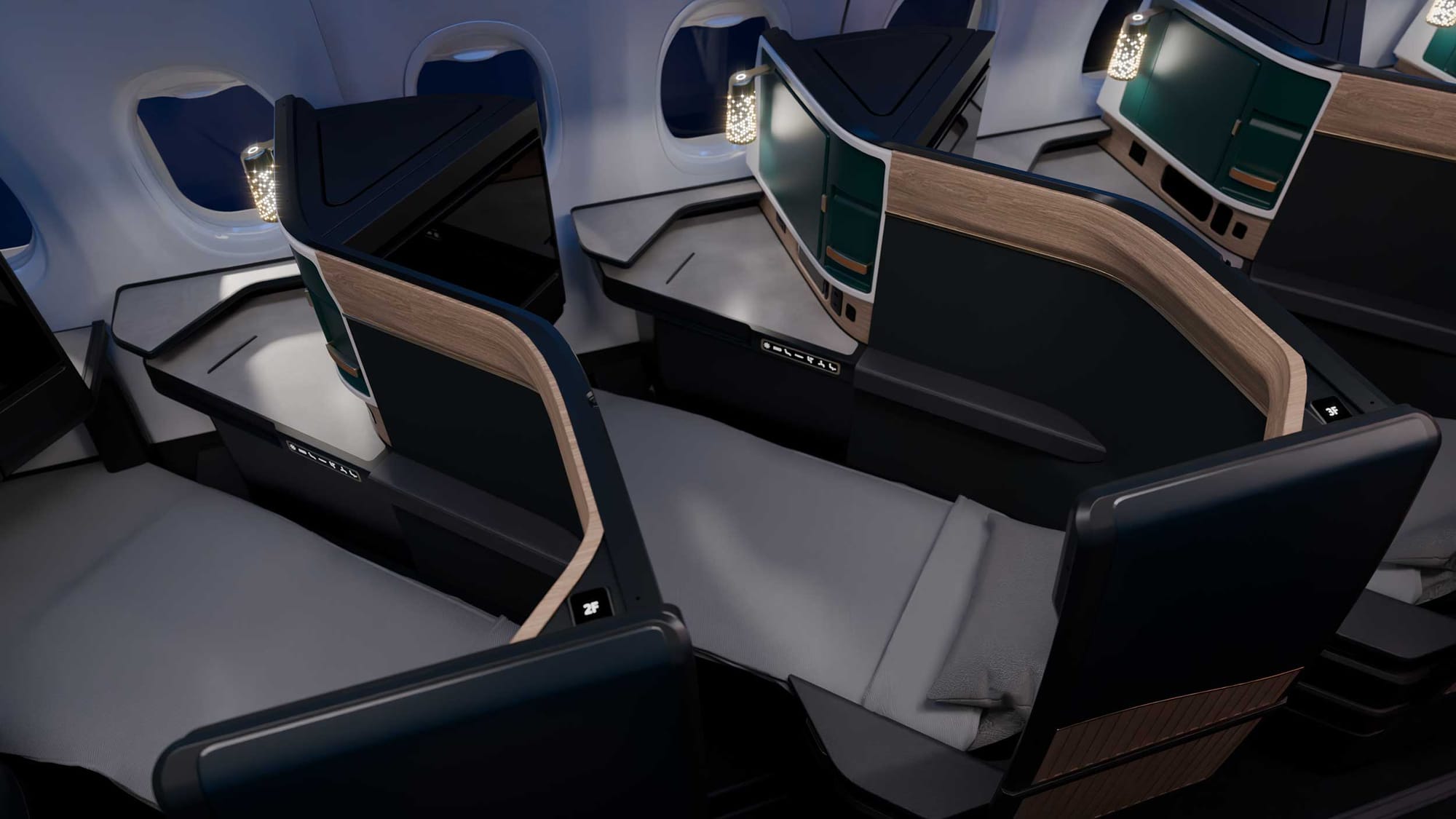
By deliberately selecting a reverse herringbone seating solution for the Aurora cabin, Alaska Airlines has successfully outperformed several of its major competitors before the planes even leave the hangar. Yet, consumer advocates maintain that more can and should be done to enhance the travel experience for disabled passengers.
The Bottom Line
Alaska Airlines watched its industry rivals make a severe, customer-unfriendly misstep by installing aisle-facing business class suites on narrow-body aircraft, creating massive physical barriers for passengers with reduced mobility. The carrier’s forthcoming Aurora business class product on the Boeing 737-10 MAX successfully averts that error, opting instead for a window-facing configuration that will inherently make transfers easier and safer for wheelchair users.
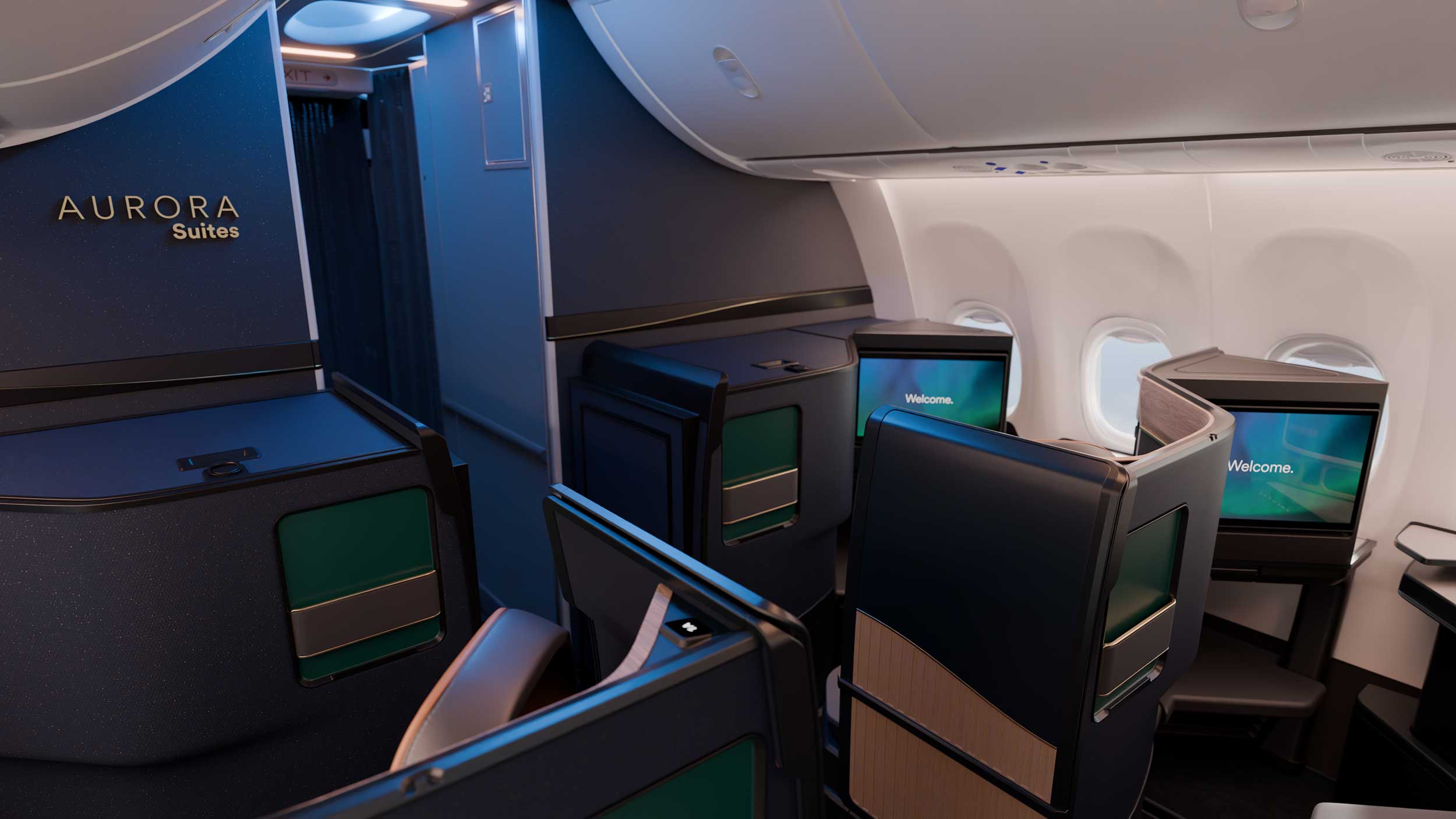
While accessibility may not have been the sole driving force behind this layout decision—given that the vast majority of travelers naturally prefer looking out the window rather than staring directly into the aisle—advocates are willing to accept a positive outcome regardless of its origin. If accessibility remains a genuine, actionable priority for Alaska Airlines leadership moving forward, the carrier will take the next vital steps by incorporating sturdy, weight-bearing armrests, retractable or flexible wall panels, comprehensive crew training, hands-on testing with actual wheelchair users, and a genuinely accessible lavatory into the final aircraft design. Addressing these remaining elements could transform the Aurora Suite into the most accessible lie-flat seat found on any single-aisle plane in the United States.