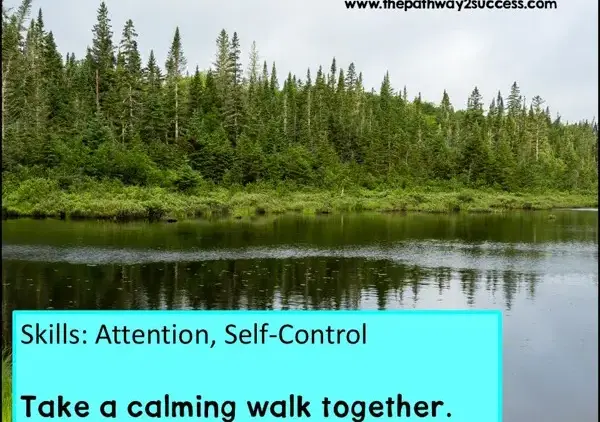
The great outdoors has long been celebrated for its motivating, highly engaging environments and its boundless capacity to inspire curiosity and expand human thinking. Now, educators, researchers, and developmental specialists are increasingly turning their attention to the natural world as an exceptional ecosystem for building and strengthening executive functioning skills in children and teenagers.
Executive functioning encompasses the foundational, brain-based cognitive abilities that individuals rely on to plan, organize, initiate, and successfully complete everyday tasks. These vital mental processes include self-control, working memory, cognitive flexibility, attention regulation, and metacognition. Far from being isolated academic concepts, these skills are utilized continuously across all areas of daily life. They are critical for processing new ideas and building solid academic foundations, while also playing an essential role in interpersonal relationships and social harmony. Furthermore, individuals depend heavily on these cognitive mechanisms to self-regulate, navigate personal challenges, and ultimately feel and function at their absolute best.
The rationale for leveraging nature to boost these cognitive capacities is deeply rooted in both historical precedent and contemporary scientific inquiry. Nature functions as the original classroom, offering a multitude of well-documented psychological and physiological advantages. To begin with, natural environments are inherently calming. Extensive scientific research indicates that even brief, twenty-minute excursions into green spaces can significantly reduce stress hormones in the human body. In a landmark, large-scale study encompassing twenty thousand participants, individuals who spent a minimum of two hours per week outdoors reported substantially higher levels of positive well-being and life satisfaction.
Taking these findings a step further, comprehensive reviews of existing academic literature reveal strong, consistent associations between regular exposure to nature and enhancements in overall mental health, sleep quality, cognitive function, and sustained attention. Beyond these cognitive and psychological benefits, natural settings naturally encourage physical activity and foster opportunities for meaningful social connection among peers. While the empirical evidence provides a robust framework, the restorative effects of nature are often intuitively understood. Simply pausing for a few moments outdoors to observe wildlife or a scenic sunset is often enough for individuals to experience these positive shifts firsthand.
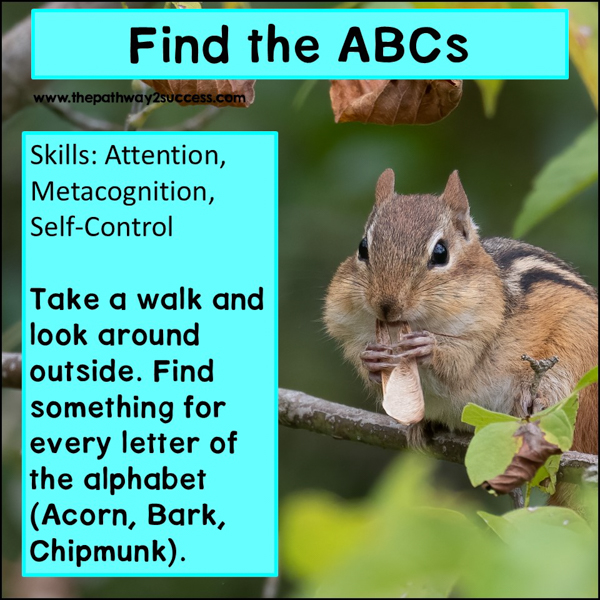
While executive functioning skills can certainly be cultivated through a variety of traditional indoor methods, stepping outside provides an ideal window to target specific cognitive domains, including attention, self-control, and mental flexibility. Any available green space can serve this purpose, whether it is an open courtyard immediately outside a school building, a neighborhood park down the street, or a more immersive hike through a wooded trail.
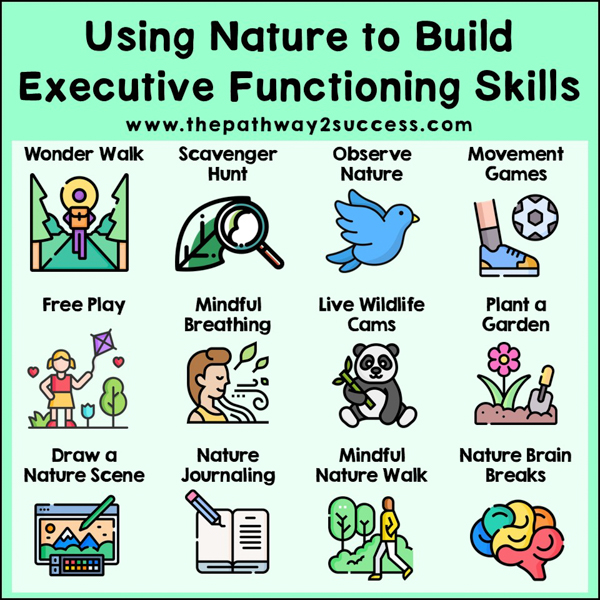
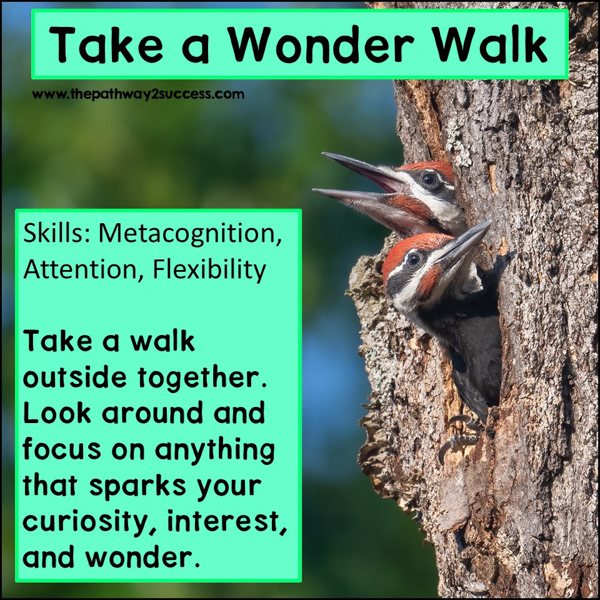
Among the myriad ways to engage with the environment, educators and specialists highlight open-ended exploration as a vital tool. Wonder walks, for instance, encourage children to focus intentionally on elements of the natural world that spark curiosity and personal interest. By formulating questions and hypotheses about phenomena such as why the sky appears blue or how wildlife communicates, participants actively exercise metacognition, attention, and cognitive flexibility while fueling intrinsic motivation. Similarly, structured observational exercises—such as searching for items corresponding to every letter of the alphabet or tracking distinct shades of color across leaves, soil, and sky—help students master the art of directing their attention and pulling their focus back on track when environmental distractions arise.
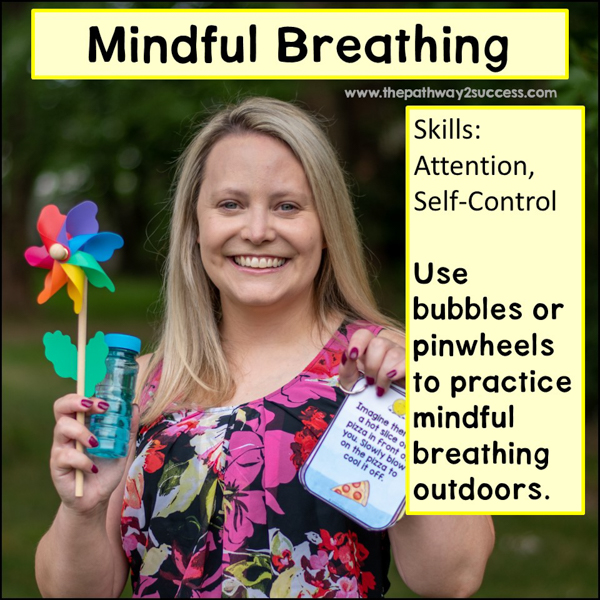
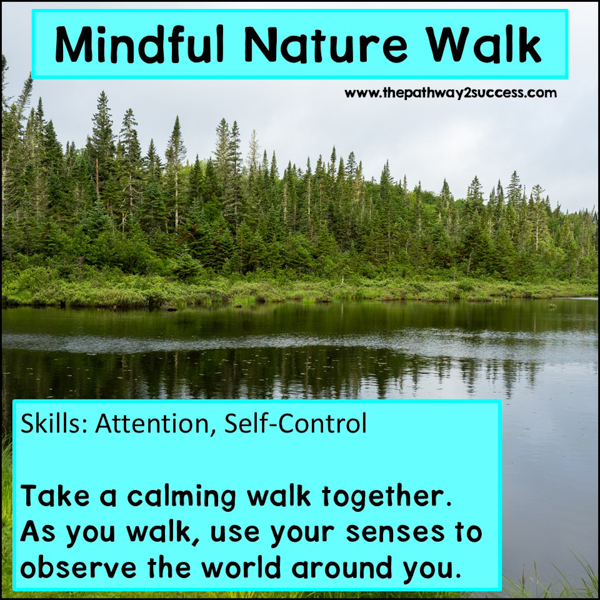
Mindful engagement in outdoor settings offers another effective avenue for developing self-regulation and impulse control. Practices such as slow, deliberate breathing exercises conducted in the fresh air, sometimes enhanced by simple props like bubbles or pinwheels, give learners tangible strategies to induce inner calm. These techniques can be seamlessly integrated with nature-inspired movement breaks or mindful walks where participants deliberately slow their pace to process sensory inputs through sight, sound, smell, and touch. Over time, these immersive experiences equip children and teens with accessible, memorable self-regulation tools that they can deploy whenever they require heightened focus or emotional stabilization.
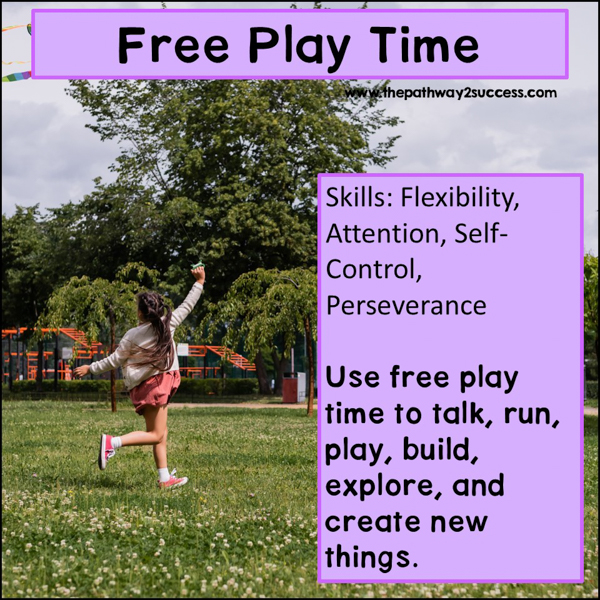
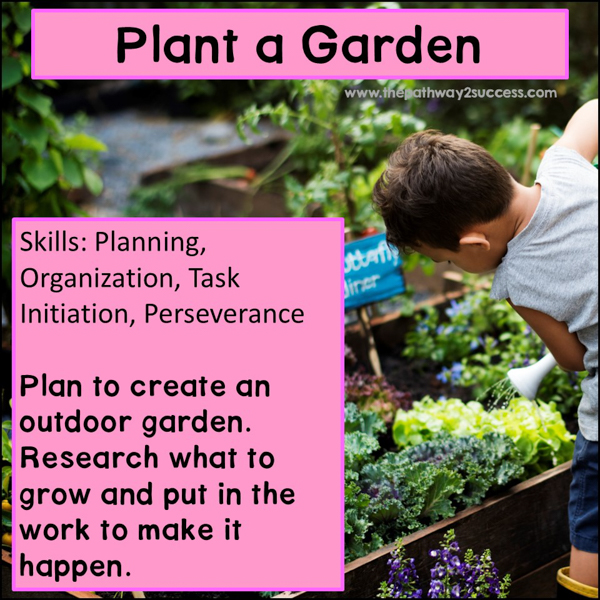
More complex cognitive tasks, such as planning, organization, and task initiation, find a natural home in collaborative outdoor projects like planting and maintaining a garden or organizing a community park clean-up. The preparatory phases of these projects require young participants to research appropriate growing conditions, list necessary materials, and map out sequential steps, translating abstract organizational concepts into concrete, goal-directed actions. Similarly, maintaining a nature journal, tracking environmental changes over time, or engaging in unstructured free play allows learners to navigate unstructured time, solve interpersonal challenges, and exercise perseverance and time management without rigid adult intervention.
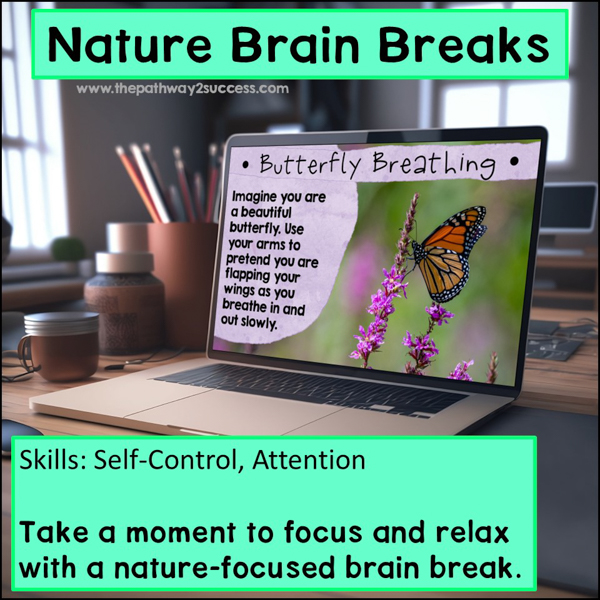
Even when physical access to the outdoors is limited, educators have found innovative ways to bridge the gap between technology and the environment. The use of live wildlife cameras allows students to monitor animal habitats and migration patterns from a classroom setting, tracking species such as ospreys, bald eagles, and various zoo animals over extended periods. This technological integration supports sustained attention and cognitive flexibility, ensuring that the developmental benefits of observing nature remain accessible regardless of weather constraints or geographic location.
Ultimately, integrating the natural world into daily routines offers a holistic approach to cognitive development. Whether through quiet observation of an insect on a flower, collaborative movement games, or creative art projects inspired by surrounding landscapes, the outdoors provides a dynamic, responsive environment where essential brain-based skills can flourish naturally.