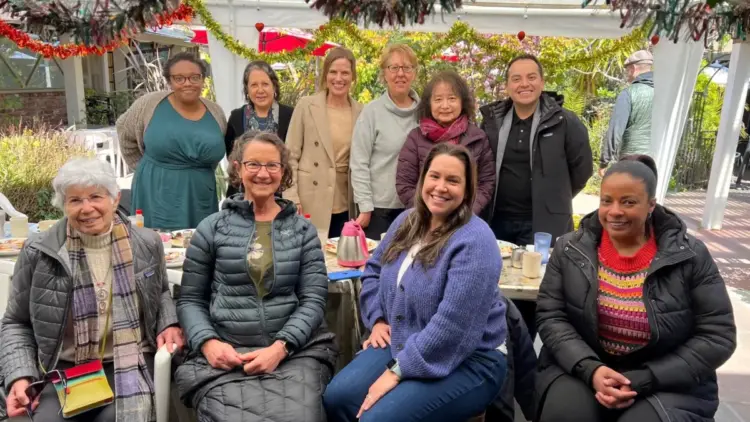
As the national disability voting movement REV UP marks its tenth anniversary, reflections on its growth highlight not just the pursuit of systemic electoral reform, but the profound strength found in community collaboration, mutual support, and solidarity. Founded in 2016 by grassroots activists in Texas, REV UP—an acronym for "Register, Educate, Vote, Use your Power!"—has grown from regional beginnings into a formidable national movement. To celebrate a decade of impact, advocates and key supporters are shining a light on the leaders whose dedication reflects the increasing influence of the disability vote across the United States.
When many observers think about building the power of the disability vote, their minds often turn to the potential for systemic change. They envision improved elections, more inclusive political campaigns, and accessible public policies that naturally emerge when a powerful voting bloc makes its voice heard. However, the true heartbeat of the REV UP movement extends far beyond the ballot box; it is fundamentally about building enduring power within communities through deep collaboration, shared resources, and collective resilience.
For The Grove Foundation, a vital philanthropic supporter of REV UP, investing directly in the operational capacity of communities has long been considered essential to building a more equitable future. Established in 1986 by philanthropists Andy and Eva Grove, the foundation was rooted in their personal lived experiences—Andy as a refugee and Eva as an immigrant. Guided by the core mission that all people deserve access to resources, respect, a sense of belonging, and the full opportunity to live and contribute authentically, the founders made civic engagement a cornerstone of their philanthropic strategy, with a particular focus on historically excluded communities.
In its earlier years, The Grove Foundation’s portfolio of grantees concentrated heavily on Black power building, immigration advocacy, and reproductive justice. Leslie Dorosin, the executive director who spearheaded the foundation’s civic engagement program, vividly recalls the pivotal moment that introduced her to the critical world of disability advocacy.
Recalling a specific conference meeting, Dorosin describes a presenter clicking through a standard series of PowerPoint slides and statistical graphs. Without warning, a person who was blind stood up in the audience and delivered a pointed critique. "You’re sitting here talking about equity and inclusion, but I am being excluded," the attendee stated. "I can’t see your slides, and you’re not describing them." According to Dorosin, the remark brought an immediate, heavy silence to the room.
Unable to shake the impact of that encounter, Dorosin began searching for ways to bridge the gap in her own philanthropic work. She reached out to Rebecca Cokley, who at the time served as the U.S. Disability Rights Program Officer for the Ford Foundation, seeking guidance on how The Grove Foundation could effectively support disability organizations. That inquiry ultimately led her to REV UP.
"REV UP really stood out because REV UP is led and rooted in the disability community," Dorosin explained. Emphasizing the universal nature of the cause, she noted that disability crosses both age and race barriers, meaning that every deliberate step taken to make voting and civic engagement more accessible ultimately benefits everyone in society.
Blanch Vance, Deputy Director at The Grove Foundation, echoed this sentiment, emphasizing the foundation’s trust-based philosophy. "We recognize that the people closest to the work understand their communities and their needs best," Vance said. As funders, they believe in providing flexible resources that empower grantees to decide how best to allocate funds in direct service of their shared mission, rather than imposing rigid, top-down mandates.
This trusting approach also reflects a profound understanding of the natural ebb and flow inherent in grassroots community organizing. Dorosin shared her deep appreciation for the fact that REV UP never waits for a formal coalition to be entirely established before beginning its engagement. Instead, the movement actively meets people right where they are—connecting with individual organizers, supporting emerging coalitions as they find their footing, and maintaining steadfast partnerships with established coalitions through periods of organizational transition and change.
Within the broader landscape of the REV UP movement, broad and sustained financial support from The Grove Foundation enabled the American Association of People with Disabilities (AAPD) to initiate a vital program: providing annual operating stipends directly to each participating REV UP coalition across the country. These crucial stipends help pay grassroots organizers, facilitate deep community engagement, and ensure that the day-to-day work of coalition-building remains fully accessible to all participants.
Both REV UP and its partners at The Grove Foundation recognize that building the true power of the disability vote is not a seasonal endeavor, but rather year-round work. Coalitions must continuously develop new leaders, forge cross-movement collaborations, cultivate deep relationships within their local communities, and create educational resources. Furthermore, state-level legislative advocacy and the ongoing process of engaging local election officials demand constant attention throughout the calendar year. Organizers emphasize that this foundational "off-season" work is precisely what makes driving high voter turnout and supporting accessible elections possible when November finally arrives.
At the same time, organizers point out that there are significantly higher operational costs associated with organizing within the disability community. Financial support is not merely helpful; it is an absolute necessity to hire American Sign Language (ASL) interpreters and Communication Access Real-Time Translation (CART) providers, as well as to cover the costs of accessible transportation and personal assistance services that make it physically possible for disabled advocates to participate fully and assume leadership roles.
The tangible difference that this kind of financial backing makes was underscored by a leader from a state REV UP coalition. "Operational support was the difference between just doing activities and building real infrastructure," the coalition leader shared. "Because of this funding, we were able to compensate leaders, embed accessibility as standard practice, and show up consistently across Georgia. In a complex state like ours—especially in rural communities and communities of color—that stability matters. We’re seeing increased recognition of disability voices in broader democracy spaces, and that momentum is directly tied to having the structure to stay organized and engaged. Continued operational support will allow us to build on that progress rather than start over each year."
While the primary mission of REV UP centers on increasing access to the voting booth, the movement simultaneously strives to build resilient communities, amplify the voices of local disabled leaders, and foster deep cross-movement collaboration and solidarity. This holistic approach aligns seamlessly with The Grove Foundation’s overarching theory of social change.
"We say voting is necessary, but not sufficient," Dorosin emphasized. "When people are engaged in community, that’s how power is built, that’s how we drive change, and if we don’t include the voice of disabled people, then we don’t wield our power effectively, and we might not make the best decisions for everybody."
Reflecting on the broader impact of their grantmaking, Vance and Dorosin highlighted the powerful ripple effect that comes from investing in the disability community. "It’s a privilege for philanthropy to invest in you because disability-led movements help all movements become more accessible, inclusive, and representative," Dorosin observed. Vance added to this perspective, stating that "disability is part of the equity and democracy framework. Our democracy is stronger when more people are able to participate and shape the decisions that affect their lives."
As The Grove Foundation prepares to sunset its operations in 2030, at which point it will have distributed the final assets entrusted by Andy and Eva Grove, its catalytic support remains a cornerstone of REV UP’s historic milestone. That philanthropic partnership has helped the movement reach a full decade of dedicated organizing, expanding from a small group of passionate activists in Texas into a nationwide network boasting 27 distinct coalitions.
Looking toward the future of philanthropy and social justice movements, Vance and Dorosin offered reflections rooted in their years of collaborative experience. Offering advice to fellow funders, Vance kept her message simple yet profound: "Listen. And don’t underestimate how important building relationships is. Infrastructure begins by building a relationship, person to person, listening and figuring out what is possible together rather than coming up with a strategy alone."