Regular programming for the Wheelchair Travel Newsletter will resume next week following the return of John from leading group tours across Europe. Alongside his return, travelers can anticipate the announcement of a brand-new Summer 2027 tour, expanding the platform’s portfolio of accessible group travel options. In the interim, recent community updates shift focus toward an activity central to both travel downtime and everyday family life: reading.
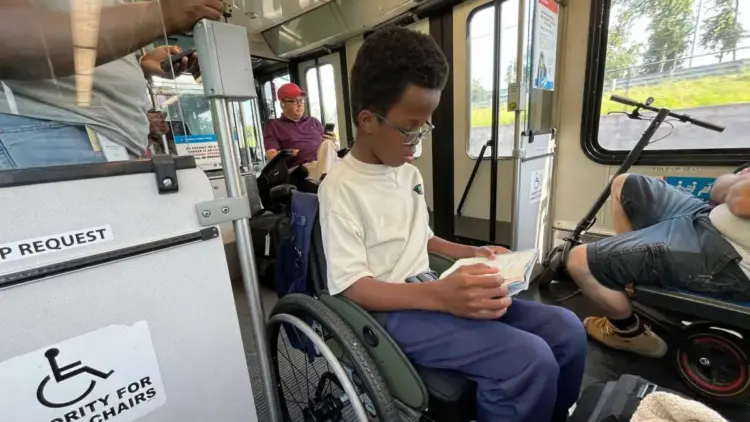
Whether navigating train journeys, waiting at airport boarding gates, or encountering unexpected travel delays, downtime offers an ideal opportunity for a good book. As the editorial team develops upcoming resources focused on travel activities for children, reading remains a cornerstone family pastime. With nightly reading routines and a nearly five-year tenure in a local book group with close friends, the importance of literature within the household remains a constant thread.
The family’s relocation to St. Louis brought a new local landmark into their routine: the Saint Louis Central Library. Housed within a grand, historic building that embodies the traditional atmosphere of a classic repository of books, the institution features prominent architectural inscriptions, including a notable quote from industrialist and philanthropist Andrew Carnegie: "I choose free libraries as the best agencies for improving the masses of the people because they only help those who help themselves. They never pauperize. A taste for reading drives our lower tastes."
Reflecting a longstanding commitment to introducing quality literature to broader audiences, the editorial team has curated a selective list of disability literature spanning various age groups. Drawing from a vast catalog of titles read over the years, the selection highlights four key works per category, chosen for their representation, cultural impact, and ability to resonate with readers of all backgrounds.

Early Childhood Picture Books
Literature for early childhood sets foundational understandings of the world, making representation crucial for young readers. Among the selected picture books is What Happened to You? by James Catchpole. Released in the United States in 2023, the book addresses an unspoken, everyday experience common among disabled children. Utilizing the main character, Joe, the narrative addresses the pervasive issue of ingrained ableism in a manner accessible to young audiences, providing language to articulate social barriers that many children previously lacked the vocabulary to express.
Another prominent selection is Best Day Ever by Marilyn Singer, illustrated by Leah Nixon. The upbeat narrative centers on a puppy devoted to her owner, a boy who happens to use a wheelchair. Offering seamless disability representation without heavy-handed exposition, the book serves as a literary "mirror"—reflecting lived experiences that have historically been underrepresented in children’s literature, complementing "window" books designed to offer perspectives into the lives of others.
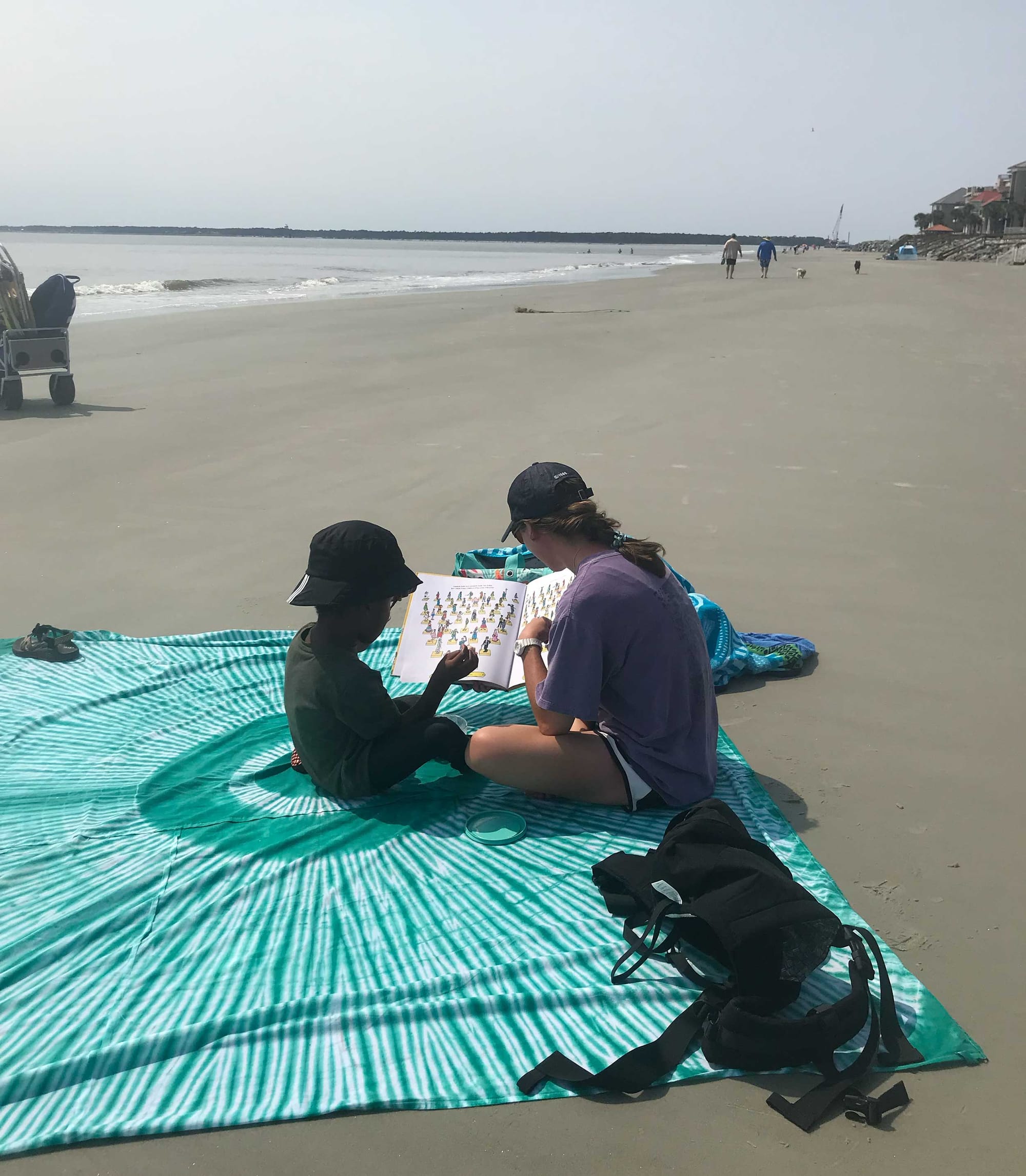
Rounding out the early childhood selections are I Talk Like a River by Jordan Scott, which explores a boy’s experience with a stutter through poetic text and illustrations that have earned widespread acclaim, and All the Way to the Top by Annette Bay Pimentel. The latter provides an illustrated biography of Jennifer Keelan-Chaffins, chronicling her participation in the historic Capitol Crawl and introducing young readers to grassroots disability history through the lens of a child advocate.
Middle Grade Novels
As readers transition into middle-grade novels, narratives expand to encompass complex themes of identity, humor, and self-discovery. Dusti Bowling’s Insignificant Events in the Life of a Cactus stands out as a household favorite. The story follows Aven, who was born without arms, as her family relocates. The novel blends lighthearted mystery and friendship while weaving in realistic depictions of disability, including a secondary character with Tourette Syndrome.
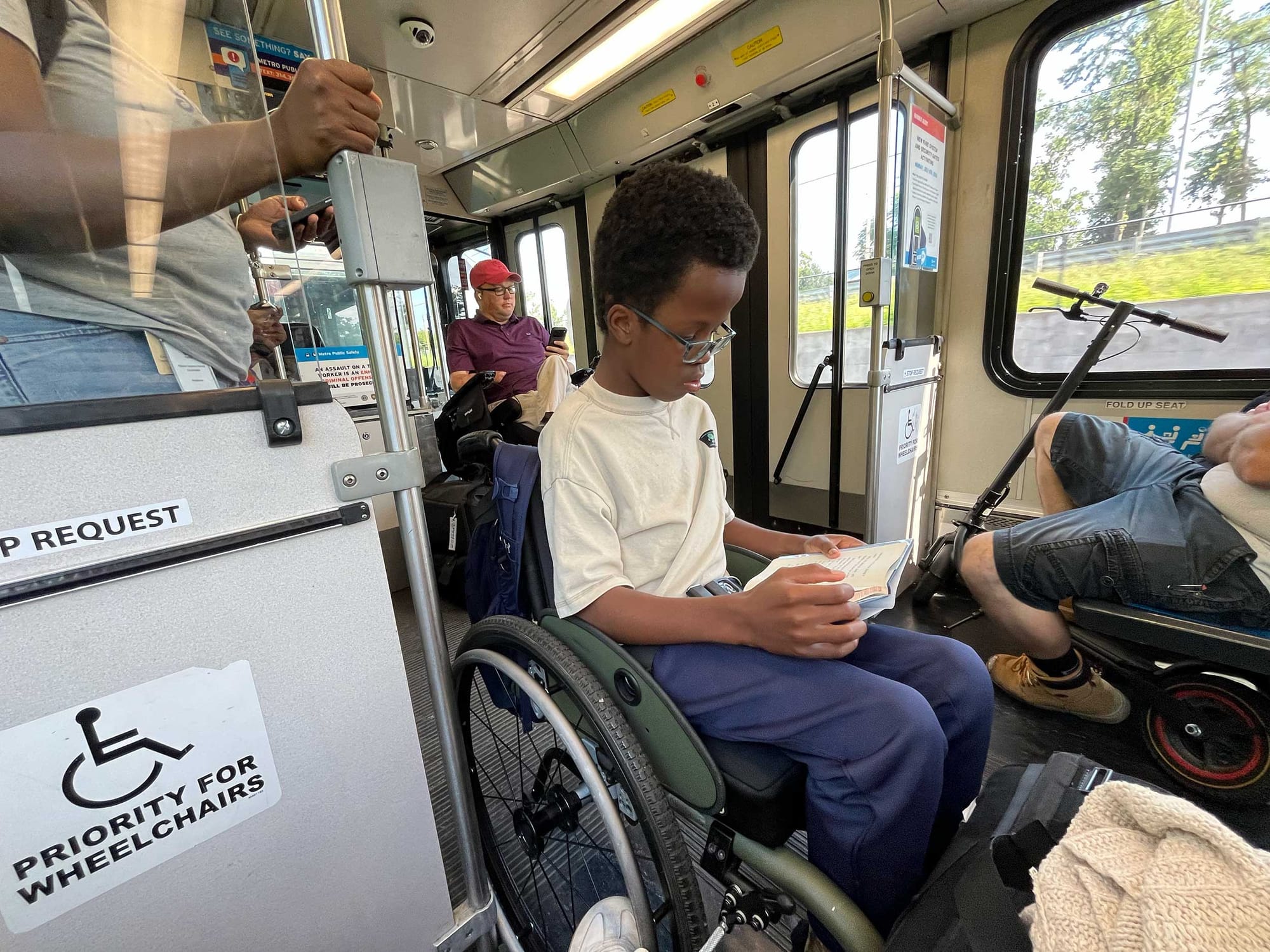
Similarly, Wink by Rob Harrell offers a humorous and reflective look at middle school life through the experiences of Ross, a student diagnosed with a rare form of eye cancer. Based on the author’s own childhood experiences, the book resonates with any reader who has felt outside the typical social framework of adolescence.
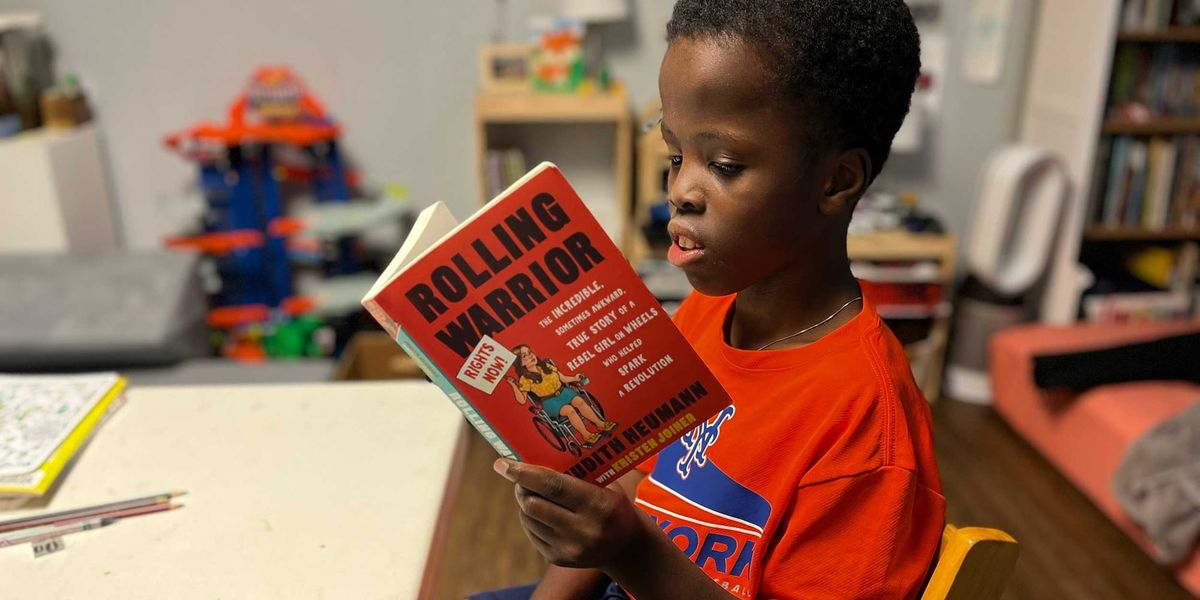
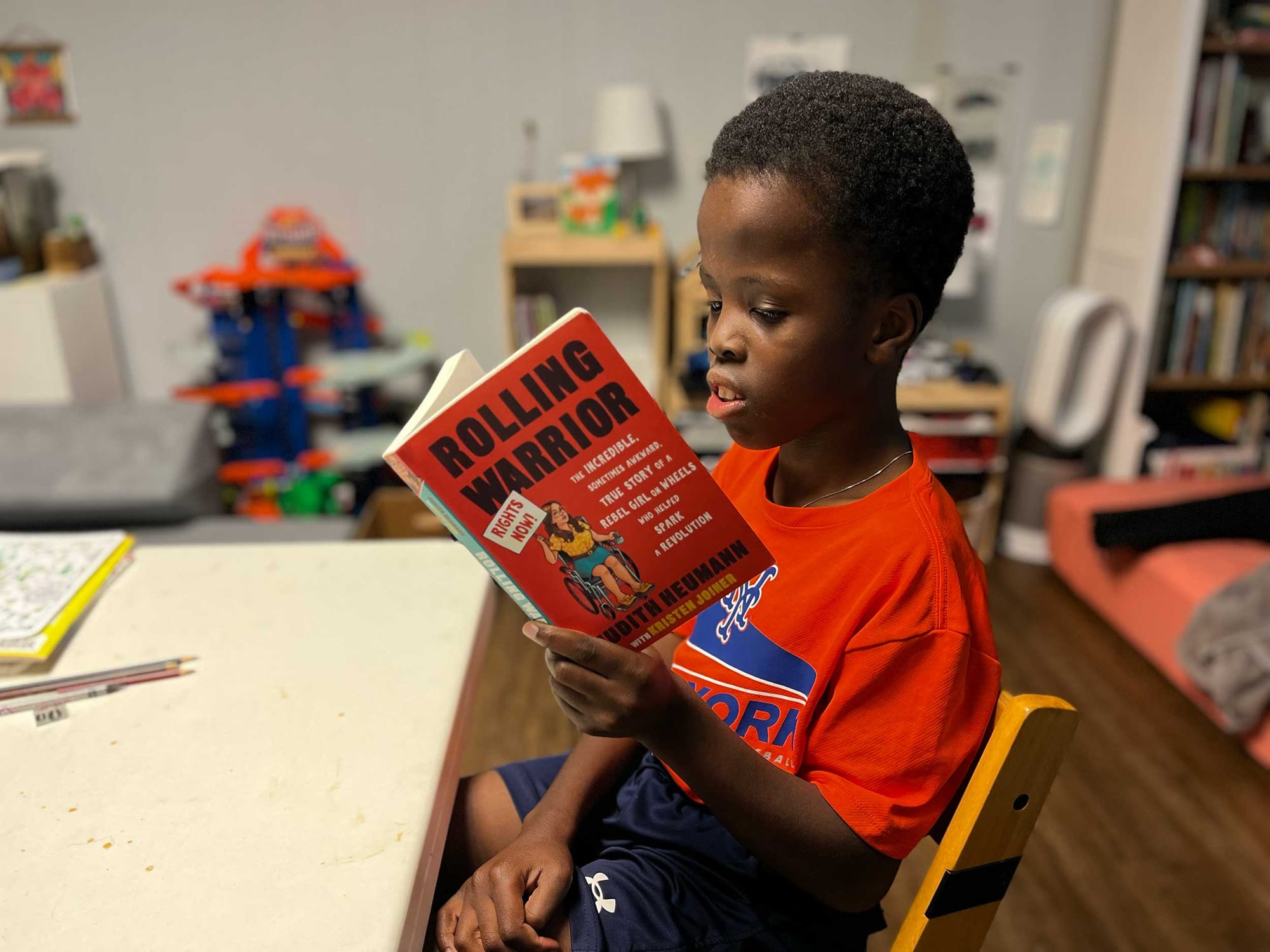
Biographical and historical nonfiction also anchors this age group. Rolling Warrior by Judith Heumann and Kristen Joiner adapts Heumann’s trailblazing memoir for younger audiences, detailing the perseverance of a "rebel girl on wheels" who helped spark the disability rights movement. This is complemented by Cerrie Burnell’s I Am Not a Label, which profiles more than 30 disabled artists, thinkers, performers, and activists, expanding horizons and offering diverse role models for growing readers.
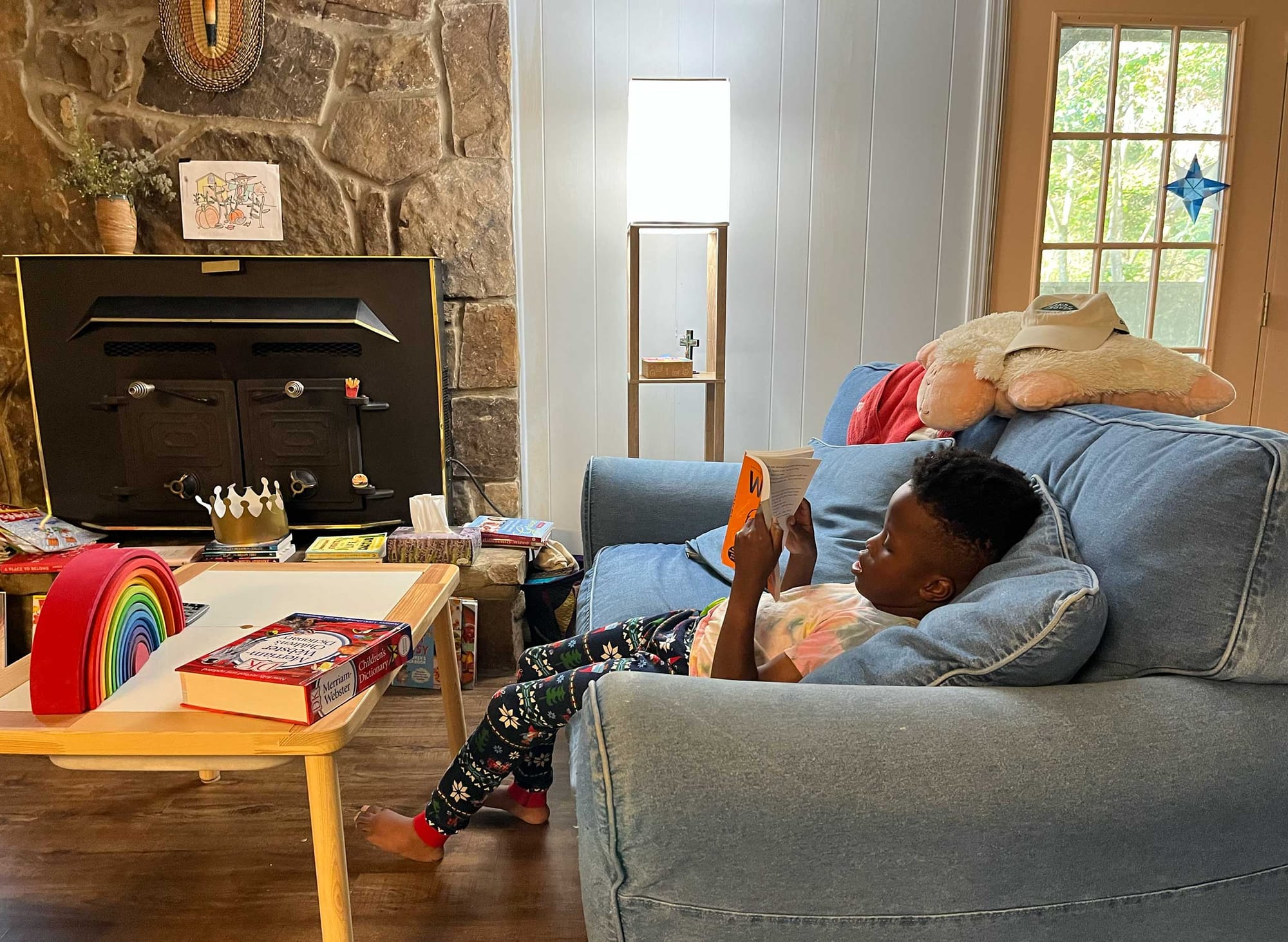
Titles for Young Adults and Adults
For mature audiences, memoir and essay formats provide deeper analytical frameworks regarding the human experience. Rebekah Taussig’s Sitting Pretty offers a collection of personal essays that examine disability both on an individual level and within broader societal structures, maintaining a realistic yet hopeful perspective.
Ariel Henley’s A Face for Picasso presents a raw exploration of growing up with Crouzon Syndrome, prompting readers to reevaluate societal standards of beauty and identity. Meanwhile, Judith Heumann’s adult memoir, Being Heumann: An Unrepentant Memoir of a Disability Rights Activist (co-written with Kristen Joiner), chronicles pivotal milestones in American civil rights history, from the historic 504 Sit-In to the passage of the Americans with Disabilities Act.
Finally, Haben Girma’s Haben: The Deafblind Woman who Conquered Harvard Law highlights the systemic adaptations and advocacy required to navigate educational and institutional landscapes that are frequently built without accessibility in mind, framing disability as a catalyst for innovation.
Beyond local library shelves, public institutions frequently offer additional community benefits. Cardholders are encouraged to inquire about library programs that provide free or discounted admission passes to local museums and cultural attractions, connecting community literacy resources with broader civic engagement.