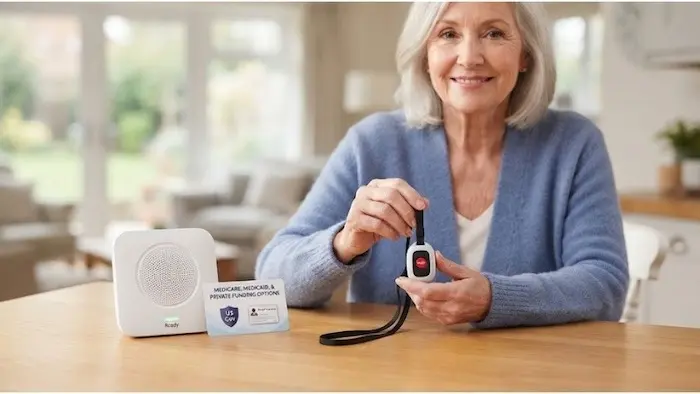
Purchasing a medical alert system is widely recognized as a straightforward investment in personal safety, yet navigating the maze of payment options requires precise information that many families only seek out during a crisis. For millions of seniors and the family members who care for them, a persistent assumption remains that federal healthcare programs will routinely foot the bill for these vital Personal Emergency Response Systems, commonly known as PERS. In reality, the financial landscape surrounding these devices is heavily fragmented, leaving many to discover too late that coverage depends entirely on individual insurance policies, state residency, and veteran status.
Understanding how to pay for a medical alert system demands a close look at what various government programs and private entities will and will not cover. For those relying on Original Medicare, which encompasses Parts A and B, the answer is a definitive lack of coverage. The Centers for Medicare and Medicaid Services do not classify personal emergency response systems as Durable Medical Equipment, meaning they are not deemed medically necessary under standard federal guidelines. Consequently, beneficiaries who rely solely on Original Medicare are faced with covering 100% of the equipment and monitoring costs out of pocket.
The financial equation shifts somewhat when examining Medicare Advantage, or Part C, plans. Because these alternative health plans are administered by private insurance companies, they possess the regulatory flexibility to offer supplemental health benefits that traditional Medicare omits. A growing number of these private plans now offer partial or full coverage for medical alert systems, viewing them as a preventative measure capable of averting costly hospital readmissions stemming from unattended falls. Policyholders must meticulously review their specific Summary of Benefits document or contact their provider directly to determine whether a particular device qualifies for coverage under their plan.
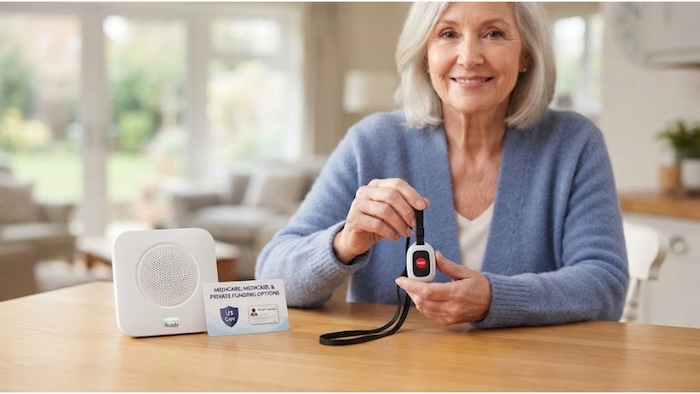
State-administered Medicaid programs offer a more robust, albeit highly conditional, path toward financial assistance. Under Medicaid’s Home and Community-Based Services waivers, numerous states absorb the cost of medical alert systems as part of broader initiatives designed to help older adults age safely in their own homes rather than transitioning prematurely into costly nursing facilities. Because Medicaid is regulated at the state level, eligibility rules and coverage parameters vary significantly from one jurisdiction to another. Families must apply for specific waiver programs within their home state. When approved, Medicaid typically pays the monthly monitoring fee directly to the approved vendor, though these arrangements frequently restrict beneficiaries to specific equipment brands chosen by the state.
For veterans of the United States armed forces, the Department of Veterans Affairs provides the clearest and most direct route to full coverage. The VA supplies medical alert systems to eligible veterans at absolutely no cost, sparing families the burden of purchasing a device upfront and seeking reimbursement. Instead of navigating a retail marketplace, a veteran must request a formal consultation with their VA primary care provider. If the clinician determines that an emergency response system is clinically necessary for the patient’s safety, the VA orders the equipment directly from an approved vendor, covering both the hardware and the ongoing monthly monitoring fees.
When government entitlement programs fail to cover the expense, families often turn to alternative financing methods to reduce their out-of-pocket burden. Flexible Spending Accounts and Health Savings Accounts can frequently be utilized to pay for medical alert systems, provided the account holder obtains a formal letter of medical necessity from a physician. Additionally, local resources such as Area Agencies on Aging often provide guidance, grants, or localized assistance programs to help older adults acquire necessary safety technology.
Industry experts emphasize that caregiving is an inherently exhausting endeavor, and battling with insurance companies only compounds the daily stress placed on families. Relying on Original Medicare offers no relief, forcing caregivers to navigate a frustrating labyrinth of private Advantage plans, conditional Medicaid waivers, and VA bureaucracy. Experts strongly advise against waiting for a catastrophic fall or medical emergency to figure out coverage options, noting that proactive families frequently contact their insurance providers well in advance to clarify whether modern medical alert systems are integrated into their specific policies.

When insurance providers ultimately deny coverage, families often utilize flexible spending arrangements, reach out to regional aging resources, or absorb the monthly expense out of pocket. For countless households, a medical alert system represents an absolute requirement for aging safely at home, with the monthly service fee proving negligible when compared to the devastating physical, emotional, and financial toll of an undetected medical emergency.
As policy guidelines and state regulations continue to evolve, healthcare advocates remind consumers that federal programs and private insurance parameters remain subject to change based on individual plan structures and annual calendar updates. Families seeking definitive answers regarding their specific eligibility are continually encouraged to consult with licensed insurance brokers, financial planners, or elder law attorneys to verify their coverage before finalizing safety arrangements for aging loved ones.