Choosing the right medical alert system, or personal emergency response system, can be a lifesaving decision, literally. With so many options currently available on the market, caregivers, family members, and seniors face a complex array of choices. Finding a solution that offers genuine reliability, ease of use, and lasting peace of mind is essential for protecting aging loved ones. Whether the goal is securing an in-home system for daily safety or outfitting an active lifestyle with a mobile device featuring GPS tracking, understanding the underlying technology and key features is crucial for making an informed investment.
Experts and family advocates emphasize that selecting the proper emergency response mechanism requires looking closely at several foundational factors. From evaluating fall detection capabilities and professional monitoring services to understanding the true cost and ensuring comfortable wearability, the decision-making process directly impacts both safety and daily quality of life. By addressing the top five central questions regarding medical alert technology, families can navigate the marketplace effectively, ensuring high-level safety without compromising personal comfort or stretching tight budgets.
Evaluating System Types: In-Home versus Mobile Solutions
The primary decision when selecting a personal emergency response system involves determining whether an in-home model or a mobile device best fits the user’s daily routines. Standard in-home medical alert systems rely on a base unit connected to a traditional landline or a cellular network. These traditional setups are ideal for seniors who spend the vast majority of their time within the house or immediate surroundings. Users can typically wander between 800 and 1,400 feet from the base station before losing their signal. For many homebound individuals, this coverage range is more than adequate, often stretching far enough into the yard to tend to garden plants or sit on the front porch.

Conversely, mobile and GPS-enabled systems cater to individuals who maintain a more active lifestyle. While in-home units serve indoor environments perfectly, cellular-based medical alert pendants and smartwatches allow users to drive to the pharmacy, visit friends, or run errands without ever losing service or compromising their safety net. These wearable devices feature integrated GPS tracking—making them particularly valuable if a user tends to wander or experience disorientation—and are exceptionally well-suited for active seniors who travel, walk independently, or spend time outdoors.
Hybrid options have also emerged to bridge the gap between fixed home environments and mobile lifestyles. Industry observers note instances where friends or relatives in modern apartments utilize flexible hybrid configurations, such as pendants connected to a larger cellular-linked base station. This setup proves especially beneficial in newer multi-family housing developments where traditional copper landline connections are no longer installed. Furthermore, these modern base units frequently include built-in battery backups to maintain functionality during unexpected power outages. A momentary disruption, such as unplugging a base station to rearrange a room, can instantly trigger emergency protocols, underscoring the sensitivity and rapid response capabilities of these integrated networks.
The Role and Reality of Automatic Fall Detection Technology
Beyond basic button-press operations, automatic fall detection has become a major focal point for families evaluating personal emergency response technology. This advanced feature utilizes built-in motion sensors, such as accelerometers and gyroscopes, to detect sudden changes in movement that suggest a physical fall. When a fall is identified, the system automatically alerts emergency services, providing a vital safeguard even if the user is rendered unconscious or unable to physically press the manual help button.

While standard medical alert buttons remain the industry baseline, they strictly require manual activation during an emergency. Fall detection technology adds an extra layer of security, particularly for high-risk individuals with a history of balance issues or mobility impairments. Industry analysts point out that fall detection typically incurs a separate monthly surcharge from service providers. At the same time, mainstream consumer technologies like smartwatches and advanced smartphones have begun incorporating similar motion-sensing safety features, broadening the landscape of fall-monitoring tools available to consumers.
Monitoring Services, Response Times, and Infrastructure Reliability
The backbone of any medical alert system is the professional monitoring center responsible for answering distress calls and coordinating emergency dispatches. When evaluating providers, industry experts advise families to look closely at the operational standards of the monitoring service. Reliable providers offer round-the-clock professional monitoring to ensure that help is available at any hour of the day or night.
Equally important are average response times, with rapid connections under thirty seconds representing the gold standard in emergency responsiveness. Furthermore, the underlying infrastructure matters significantly during regional emergencies or severe weather events. Cellular-based monitoring systems generally offer higher reliability than traditional landline setups because they remain operational during residential power grid failures, whereas standard landlines or unbacked digital phone routers can fail when electricity goes down.

Analyzing Total Costs, Contracts, and Additional Fees
Navigating the financial commitments associated with medical alert systems requires careful scrutiny of pricing structures and contract terms. Upfront costs vary widely across the industry; some manufacturers charge outright for the hardware, while others bundle the equipment fee into an ongoing subscription package. Monthly service fees typically range between twenty and fifty dollars depending on the tier of features selected, such as GPS tracking or cellular connectivity.
Consumer advocates strongly recommend avoiding long-term, binding contracts whenever possible. Flexible, month-to-month service agreements provide families with the freedom to cancel or switch providers if the user’s needs change or if the equipment proves unsatisfactory. Additionally, buyers must remain vigilant about hidden charges, such as initial activation fees, cancellation penalties, or recurring add-on costs for premium features like fall detection.
Ensuring Comfort, Usability, and Practical Wearability
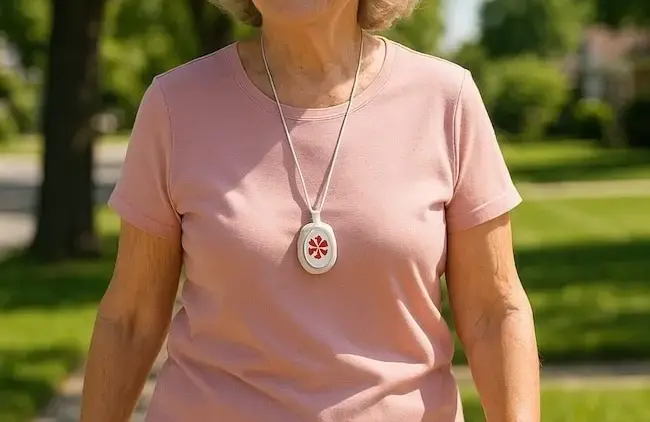
A medical alert device can only save a life if the user actually wears it consistently. Consequently, physical design, comfort, and ease of use are critical deciding factors. Pendants and wristbands must be lightweight, waterproof, and ergonomically designed for all-day wear. Clunky or overly bulky watch designs can cause wrist fatigue, while oversized pendants may discourage daily use.

For mobile devices, battery longevity is another essential metric, with quality units maintaining a charge for at least twenty-four to forty-eight hours before needing replenishment. In-home systems must offer straightforward installation processes accompanied by clear, accessible instructions for both seniors and their caregivers. Additional considerations, such as automated family notification features, smart home ecosystem integrations, and verified customer reviews from independent watchdog organizations, help round out a comprehensive evaluation.
Ultimately, choosing the right medical alert system involves balancing technical capabilities with the specific daily realities of the user. By carefully weighing the distinctions between in-home and mobile coverage, assessing the necessity of fall detection, reviewing monitoring response times, understanding financial commitments, and prioritizing physical comfort, families can secure a reliable safety net tailored precisely to their needs and budget.