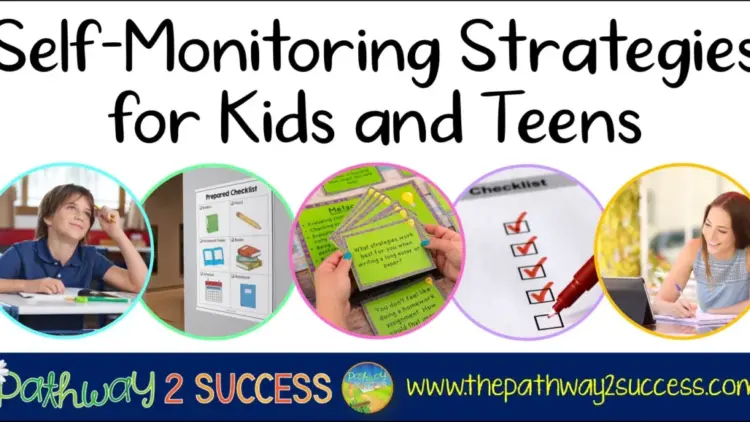
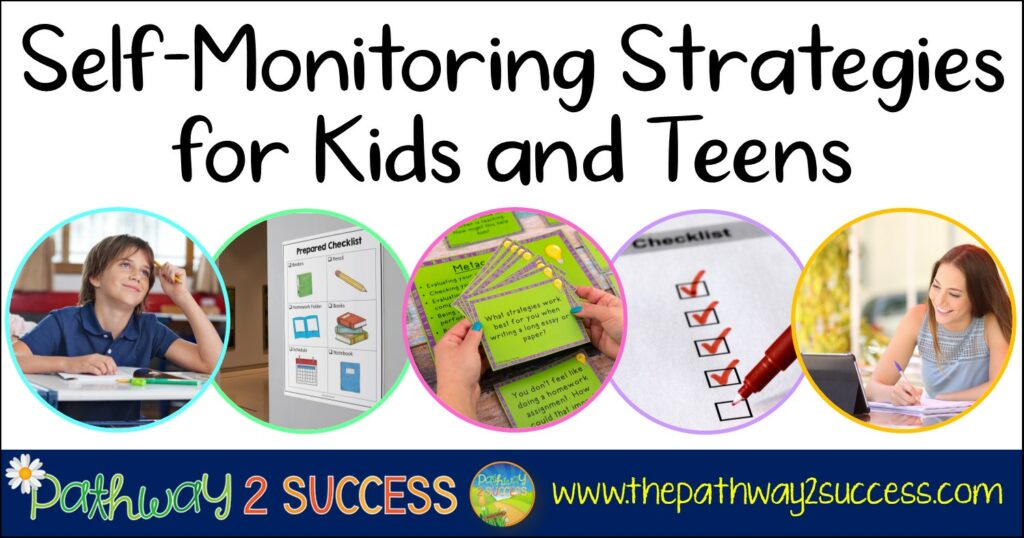
In modern classrooms, where distractions can easily derail academic focus, educators and child development experts are increasingly turning to self-monitoring as an evidence-based strategy to help children and teenagers manage their behaviors, improve attention, and independently meet their goals.
At its core, self-monitoring is a straightforward yet powerful executive functioning skill. By paying deliberate attention to their actions in the moment, young people can learn to realign their current behavior with their intended objectives. Whether staying focused while listening to a story, completing assignments without getting distracted, or meeting strict deadlines, self-monitoring serves as a foundational building block for success both inside the classroom and in daily life.
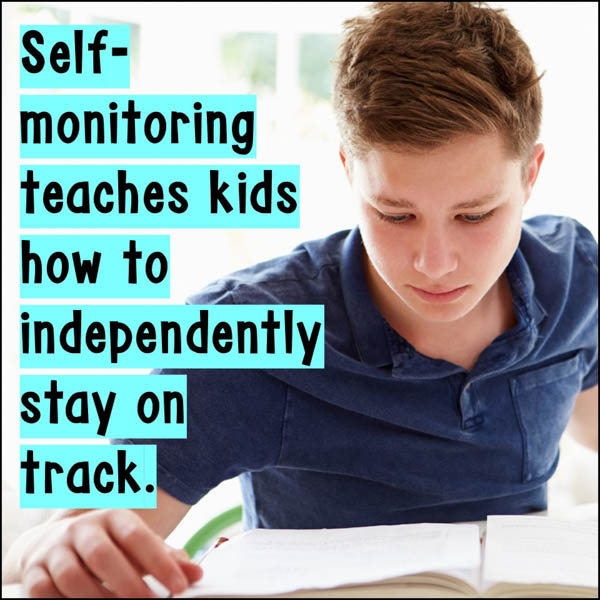
Experts emphasize that self-monitoring is essentially the process of pausing to check in with oneself to ensure alignment with a goal. Without this critical skill, students can easily lose sight of their tasks and veer off course. While it is vital for academic performance, it remains an indispensable life skill that individuals utilize across all facets of daily existence.
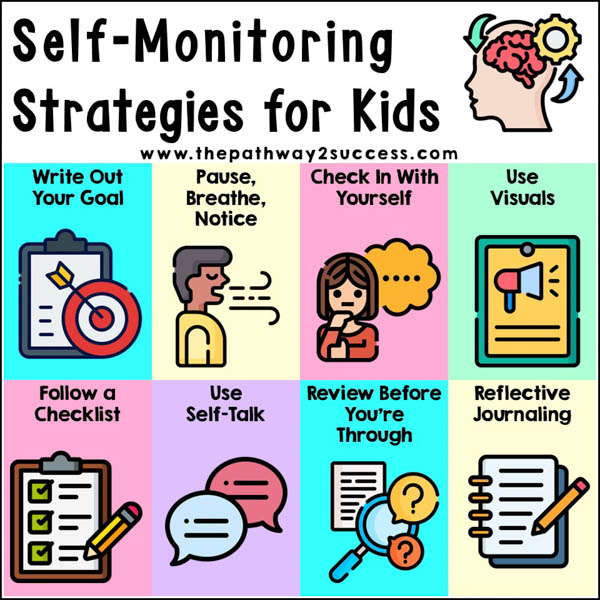
Despite its importance, the capacity to self-monitor does not always come naturally. Educators note that sticking to a goal can be particularly challenging when dealing with responsibilities or activities that students may find less than engaging. However, research and classroom experience show that self-monitoring is an ability that can be learned, practiced, and significantly strengthened over time. By implementing targeted strategies, adults can help children build their self-monitoring capabilities, ultimately leading to better decision-making, greater independence, and improved personal well-being.
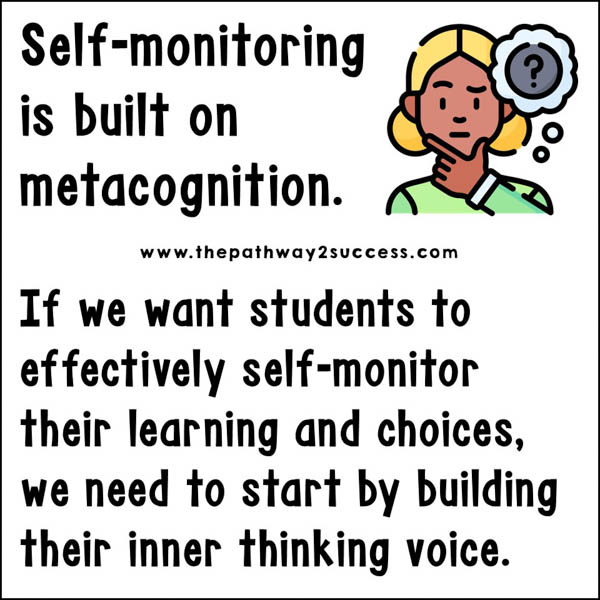
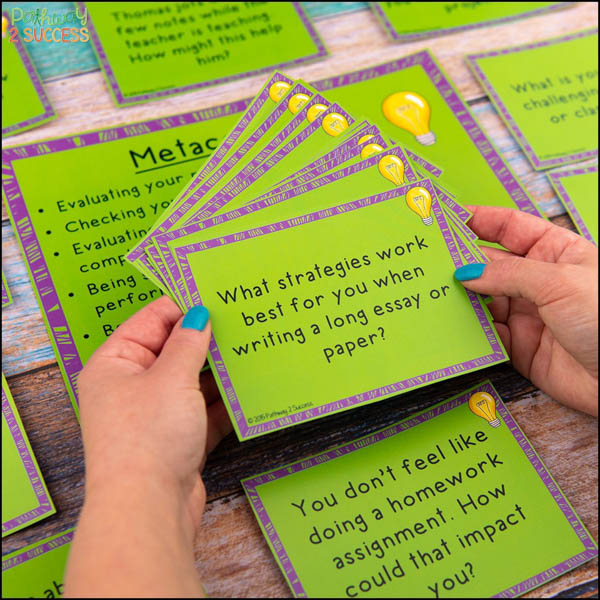
Building an inner thinking voice is one of the primary avenues for fostering these skills. Rooted in metacognition—the practice of thinking about one’s own thinking—this approach encourages students to reflect before, during, and after classroom activities. Educators often facilitate strategy discussions following assignments to help students analyze their learning processes. For instance, after a challenging math activity or a reading session, students might discuss why they lost focus and brainstorm ways to notice those moments of distraction in real time. These conversations allow learners to share practical ideas for working through academic roadblocks.
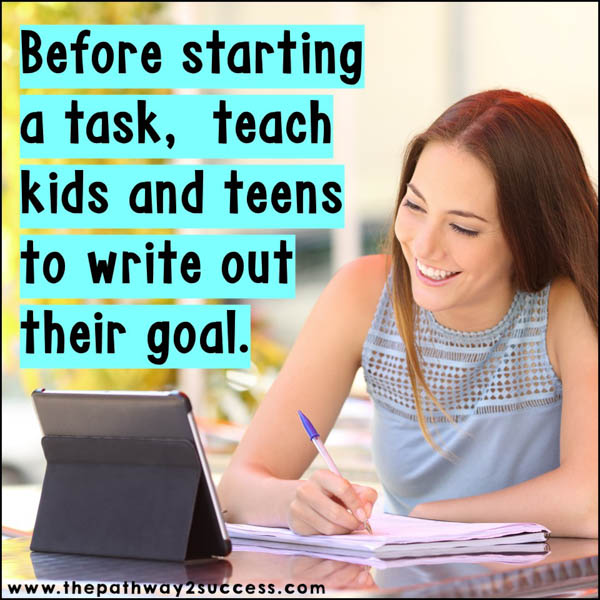
Establishing clear intentions is another fundamental step in the learning process. Before beginning a working session, educators often have students write down their specific goals on an index card or sticky note. By answering a simple question about what they are working on in the moment—such as reading a specific chapter for an English assignment—students create a tangible reminder of their objectives while taking immediate ownership of their behavior.
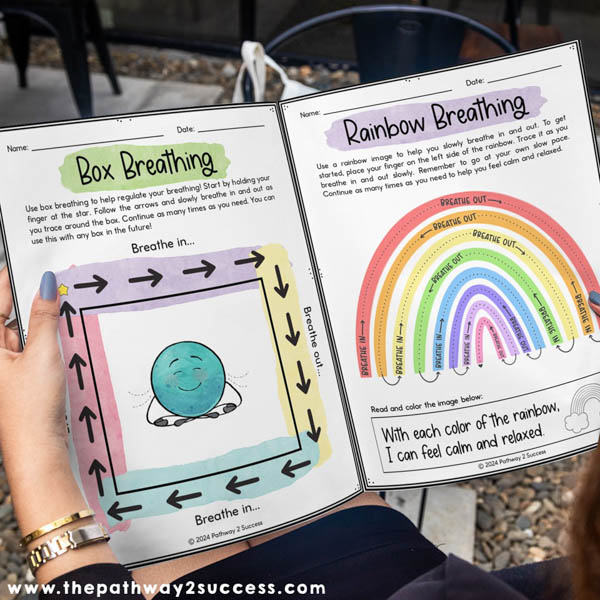
To support this inward focus, practitioners frequently incorporate mindfulness techniques, such as deep breathing exercises. Living in a fast-paced environment can make the simple act of pausing exceptionally difficult for young people. Simple breathwork routines encourage students to sit comfortably, regulate their breathing, and pay attention to physical sensations. This brief pause acts as a vital framework for checking in with oneself, serving as an evidence-based strategy that simultaneously supports emotional regulation and general focus.
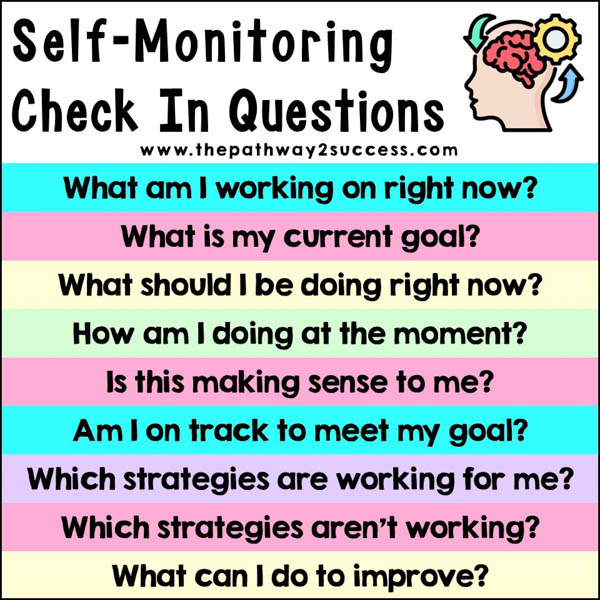
Structured check-ins during working sessions also prompt students to turn their attention inward. By pausing halfway through a task or a test—often signaled by a gentle chime to minimize disruption—students are encouraged to ask themselves critical questions about their progress. This interruption prompts learners to assess whether they are meeting their initial goals and provides an opportunity to adapt their approach if necessary.
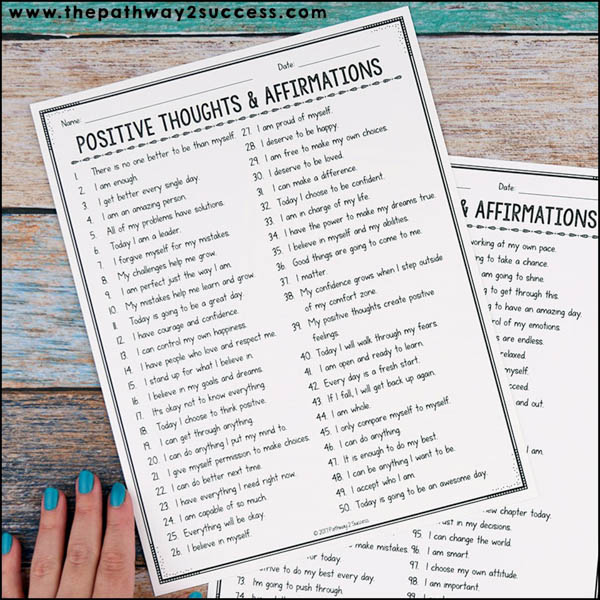
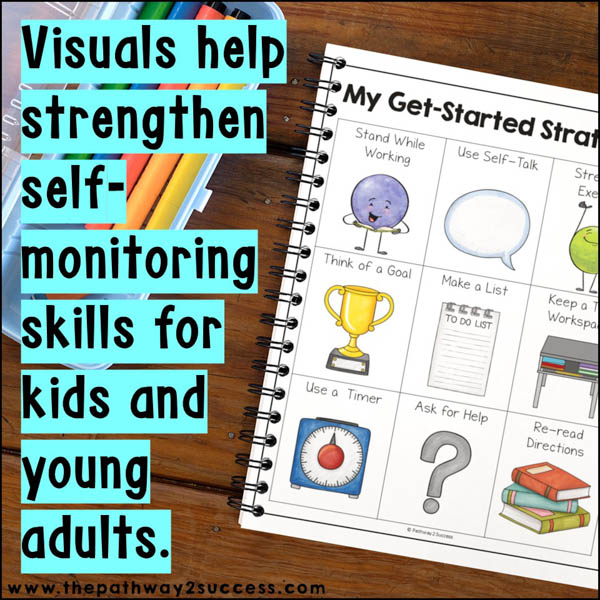
Alongside these reflective practices, the use of positive self-talk phrases has proven effective in helping kids and teens build confidence and manage challenging emotions. Encouraging students to use supportive internal dialogue aids in navigating tough moments and keeps them anchored to their tasks. Furthermore, visual supports, customized checklists, tally charts, and timed work sessions offer external frameworks that reinforce attention and organization. Tallying math problems solved or setting a timer for a short burst of independent writing helps students visualize their progress and maintain momentum.
Reviewing work prior to submission is another standard habit that reinforces accountability. By checking instructions and correcting errors independently, students ensure they are putting forth their best effort. Point sheets and strategic brain-boosting breaks also provide immediate feedback and necessary mental resets, allowing children to maintain high levels of engagement throughout the school day.
Finally, experts stress that self-monitoring does not operate in isolation. It relies on a constellation of related executive functioning and social-emotional skills, including self-awareness, cognitive flexibility, self-advocacy, and emotional regulation. Through reflective journaling and ongoing classroom discussions, students continue to refine these competencies, ensuring they are better equipped to navigate challenges and achieve their goals independently.