The great outdoors has long been celebrated for its physical and psychological benefits, but educators and researchers are increasingly pointing to natural environments as an ideal setting for developing critical cognitive abilities known as executive functioning skills. Far from being just a space for physical exhaustion, the natural world offers a dynamic, motivating arena that naturally challenges and expands the brain’s foundational capabilities.
Executive functioning skills encompass the core, brain-based mechanisms required for individuals to plan, organize, initiate, and successfully complete tasks. These cognitive processes are involved in virtually every daily activity, acting as the bedrock for acquiring new academic concepts and building robust learning strategies. Beyond the classroom, these skills are indispensable for social interaction, personal emotional regulation, and overall well-being, enabling children and teens to navigate complex social landscapes and feel their best.
The rationale for utilizing nature as a cognitive development tool is rooted in a growing body of scientific literature. Nature functions as an original, unstructured classroom that provides profound physiological and psychological advantages. Clinical research demonstrates that spending as little as 20 minutes immersed in a natural environment significantly reduces stress hormones. Furthermore, extensive population studies involving tens of thousands of individuals indicate that regular weekly exposure to green spaces strongly correlates with heightened self-reported positive well-being, alongside comprehensive reviews linking nature immersion to improvements in mental health, restorative sleep, sustained attention, and broader cognitive functioning.
While these empirical findings offer valuable backing, the immediate restorative effect is often self-evident to anyone who pauses to observe wildlife or watch a scenic sunset. Although executive functioning can be cultivated through various methodologies, stepping outside provides an organic window to target specific cognitive domains, including attention regulation, self-control, and mental flexibility. These benefits can be accessed in virtually any green space, ranging from an immediate schoolyard perimeter to a local neighborhood park or an established wilderness trail.
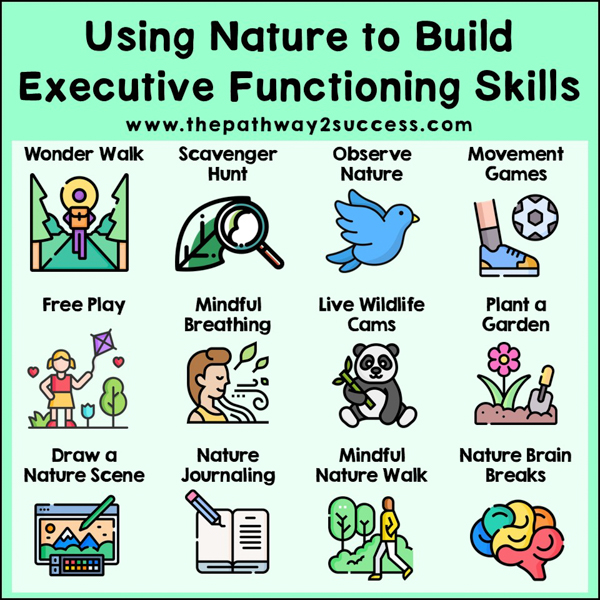
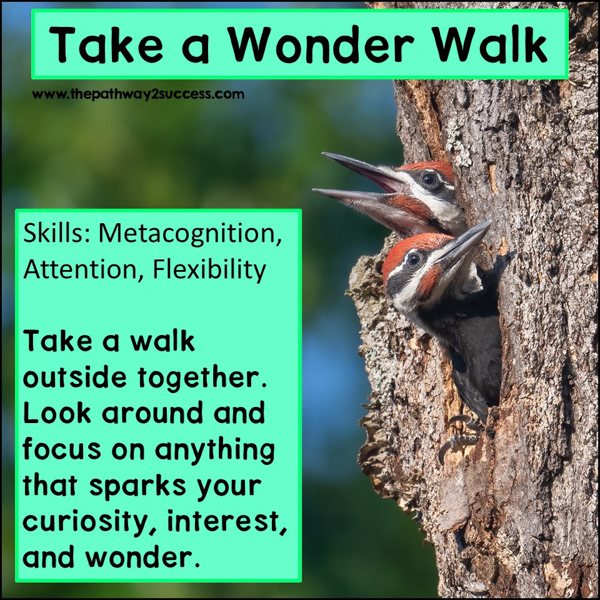
Integrating the outdoors into cognitive development can be achieved through a variety of observational and reflective practices designed to stimulate mental processing. A foundational approach involves what educators call a "wonder walk," an outdoor excursion where participants direct deliberate focus toward elements in the environment that provoke curiosity and intellectual inquiry. By formulating questions about natural phenomena—such as the coloration of the sky or animal communication systems—and occasionally following up with formal research, participants actively engage metacognition, attention, and cognitive flexibility, all driven by intrinsic motivation.
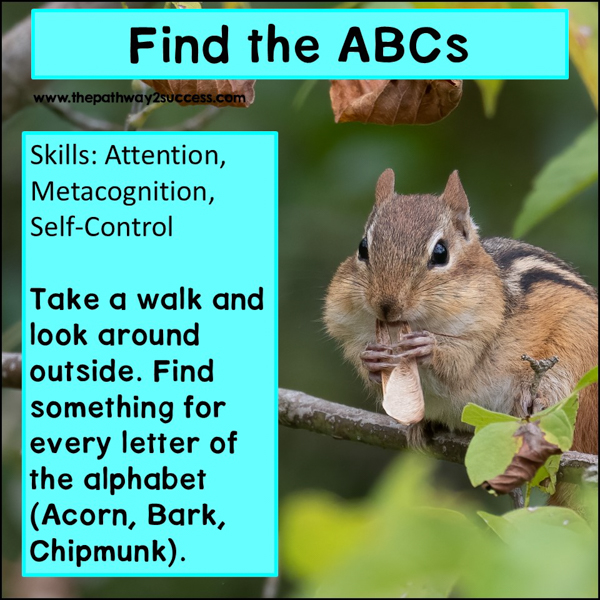
Similarly, structured observational exercises, such as searching for items corresponding sequentially to the letters of the alphabet or tracking distinct color palettes within an ecosystem, challenge the brain to maintain focus amidst distractions. These tasks teach learners that attention can be intentionally directed and corrected when the mind wanders. Practices of this nature reinforce self-control and metacognitive awareness, proving that environmental interaction can be systematically harnessed to sharpen cognitive control.
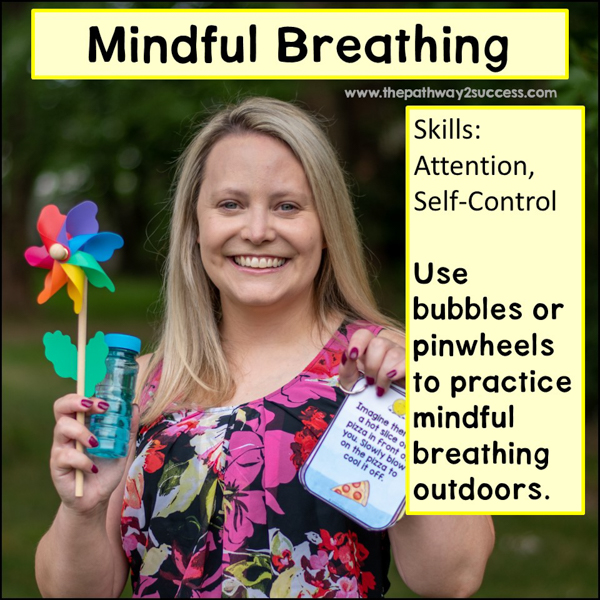
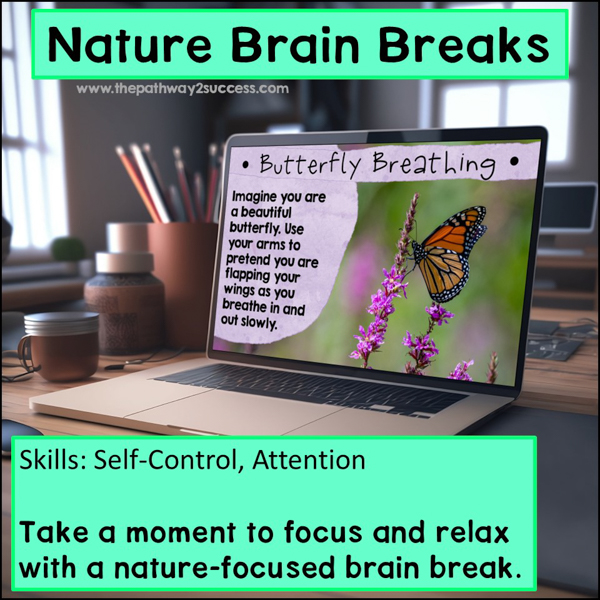
In tandem with observational tasks, physiological self-regulation is frequently paired with natural settings through mindful breathing and movement activities. Incorporating deep-breathing exercises, whether assisted by simple props like bubbles and pinwheels or practiced independently through nature-themed movements like mimicking the slow wingspan of a hawk, helps individuals ground their physical bodies and minds. These techniques serve as portable self-regulation tools that students can deploy whenever they require enhanced focus and inner calm.
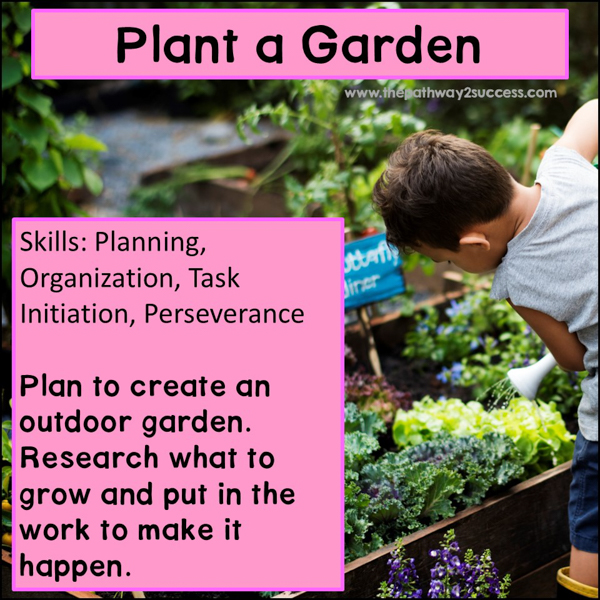
More complex cognitive architectures, such as task initiation, long-term planning, and structured organization, are effectively targeted through environmental projects like establishing and maintaining a garden or organizing community clean-up initiatives. The planning phase of a garden requires thorough research into plant biology, environmental strategies, and material procurement, compelling young people to organize their thoughts and list necessary resources before taking physical action. Once implemented, the sustained effort required for gardening fosters perseverance, time management, and a sense of shared responsibility.
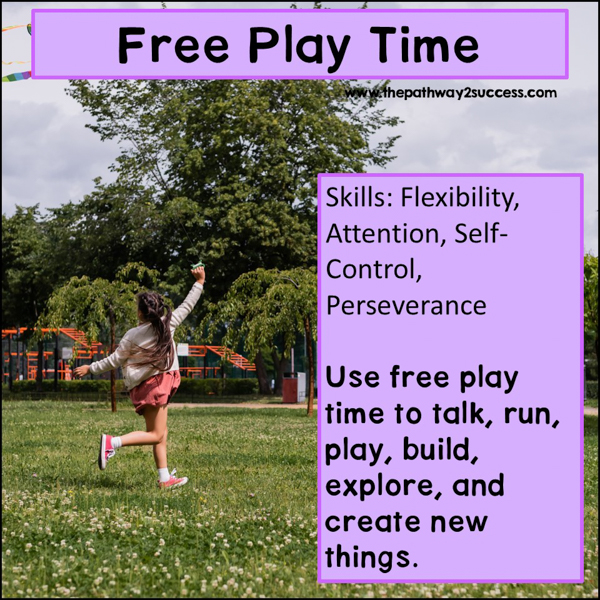
Unstructured free play and creative endeavors in natural settings further contribute to executive functioning growth by allowing groups of peers to negotiate social rules, solve emergent challenges, and manage their time independently. Whether through journaling observations over extended periods, participating in nature-focused scavenger hunts, or utilizing digital tools like live wildlife cameras to monitor nesting ospreys and eagles when physical access to the outdoors is restricted, the overarching goal remains consistent. By systematically engaging with the natural world, children and teens can strengthen the vital cognitive architecture needed to navigate both their academic pursuits and their daily lives.