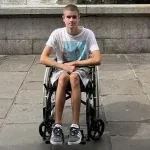
In an extensive dialogue on inclusive travel infrastructure, Ashley Olson, founder of WheelchairTraveling.com, sat down with Martin Heng, an accessibility advocate and former Lonely Planet employee based in Australia, to assess the current state of accessible travel across Melbourne and the broader Australian continent.
The discussion delivered a comprehensive evaluation of Australia’s urban accessibility, highlighting Melbourne’s robust public transport framework and specialized cultural programming alongside systemic challenges such as transit delays, urban physical barriers, and lingering misconceptions within the global hospitality sector. Beyond physical infrastructure, the conversation emphasized a critical paradigm shift: viewing accessibility not as an onerous regulatory burden, but as a vital economic opportunity driven by an aging global population and backed by international initiatives such as the United Nations World Tourism Organization’s (UNWTO) 2017 declaration of "Tourism for All."
Melbourne Wheelchair Accessibility Overview
Evaluating Melbourne’s overall suitability for travelers with physical disabilities, Heng offered a strong assessment of the city’s inclusive infrastructure, while noting operational nuances that require careful navigation by visitors.
A central component of Melbourne’s accessibility profile is its expansive fleet of wheelchair-accessible taxis. These specialized vehicle vans feature adaptable seating layouts—including seats that flip up—allowing them to accommodate multiple wheelchair users simultaneously. Heng noted that Australia’s investment in accessible taxi fleets, particularly in major hubs like Melbourne and Sydney, gives the country a distinct advantage over many other international destinations, both in developed and developing regions.
However, operational challenges persist within the centralized dispatch system for accessible taxis. Passengers booking through central dispatch services frequently encounter waiting times of up to two hours. To navigate these administrative bottlenecks, Heng advised travelers to build direct relationships with individual accessible taxi drivers, establishing private contact lists to secure reliable and efficient transport during their stay.
Accessible Transportation in Melbourne
While Melbourne’s public transportation network is generally regarded as high-performing, user experiences vary significantly across different transit modes, revealing structural and operational inconsistencies.
The city’s iconic tram network presents a mixed picture for passengers with mobility limitations. Although low-floor trams and level-access stops have been integrated across key corridors, implementation remains inconsistent throughout the network. As a result, travelers relying on step-free tram boarding must carefully plan their routes around specific low-floor schedules and modified stop infrastructure.
       +--------------------------------------------------------+
       |           MELBOURNE TRANSIT ACCESSIBILITY              |
       +--------------------------------------------------------+
       |  Taxis:  Large fleet, versatile seating; dispatch      |
       |          delays up to 2 hours require direct driver    |
       |          booking strategies.                           |
       |  Trains: Boarding ramps require driver assistance;     |
       |          reliance on driver memory/notes for stops.    |
       |  Trams:  Inconsistent low-floor rollout and level      |
       |          accessible stop coverage.                     |
       +--------------------------------------------------------+
Melbourne’s train network offers comprehensive physical access, but relies heavily on manual operational protocols. Passengers in wheelchairs require boarding ramps deployed directly by train drivers. To ensure passengers disembark at the correct station, drivers often rely on informal memory aids, such as sticking post-it notes on their control panels to track requested accessible stops.
Despite these operational quirks, the network maintains a baseline of accessibility that enables independent urban navigation, provided travelers factor in additional time for driver assistance.
Cultural Attractions and Urban Access Challenges
In evaluating Melbourne’s cultural and commercial districts, Heng praised the city’s major public institutions while identifying widespread physical obstacles within smaller commercial establishments.
Major public landmarks—including the Royal Botanic Gardens and the dense concentration of museums located within the South Central Business District (CBD)—were commended for their adherence to universal access design. Melbourne’s museums were singled out as leaders in inclusive programming, particularly for their proactive support of neurodiverse visitors. These institutions increasingly provide specialized sensory kits and designated quiet rooms, creating welcoming environments for individuals with sensory processing differences or cognitive conditions.
To further support inclusive participation in cultural life, Australia utilizes a national Companion Card program. Under this scheme, eligible individuals with severe, lifelong disabilities who require lifelong attendant care support receive a second complimentary ticket for their support worker when attending sporting, arts, or cultural events.
However, physical navigation within commercial zones remains hindered by architectural legacy features. Heng highlighted the widespread presence of single threshold steps at store fronts and business entrances throughout Melbourne—a design challenge common to urban landscapes globally. These minor vertical barriers present severe impediments for manual and powered wheelchair users alike, often preventing spontaneous entry into shops, cafes, and private businesses.
Specialized Facilities and Sanitation Infrastructure
Access to suitable restroom facilities remains a critical factor in accessible travel planning. During the discussion, Heng outlined key tools and high-grade facilities available across Australia that alleviate these logistical concerns.
Australia addresses public toilet accessibility through a centralized resource: the National Toilet Map app. Supported by government data, this digital tool enables travelers to locate accessible public restrooms nationwide, offering detailed descriptions of operational hours, physical features, and equipment availability.
       +--------------------------------------------------------+
       |             AUSTRALIAN SANITATION TOOLS                |
       +--------------------------------------------------------+
       |  National Toilet Map App:                              |
       |  - Nationwide database of public restroom access       |
       |  - Details availability, hours, and physical features  |
       |                                                        |
       |  Changing Places Facilities:                           |
       |  - Advanced facilities for complex physical needs      |
       |  - Equipped with adult-sized change tables & hoists    |
       |  - Access restricted to qualified key holders          |
       +--------------------------------------------------------+
For individuals with severe physical disabilities requiring specialized equipment, Australia has expanded its network of "Changing Places" facilities. Distinct from standard accessible restrooms, Changing Places facilities are equipped with full-sized, height-adjustable adult change tables and ceiling track hoist systems. To maintain sanitation standards and prevent misuse, access to these specialized units is restricted to qualified individuals holding standard master-key credentials, ensuring these resources remain functional for those who depend on them.
Accessible Travel Beyond Victoria: Highlights in Cairns
Extending the conversation beyond Victoria, Heng highlighted positive developments in regional destinations, drawing attention to specialized tourism operators in Cairns, Queensland.
Cairns—a primary gateway to tropical Far North Queensland and the Great Barrier Reef—features standout accessible attractions that accommodate travelers with high support needs:
- Skyrail Rainforest Cableway: Operates gondola cabins specifically designed for wheelchair access, allowing passengers with mobility impairments to travel over the tropical rainforest canopy.
- Quicksilver Cruises: Provides accessible marine excursions to the outer Great Barrier Reef, utilizing specialized pontoon infrastructure equipped with chairlifts that lower guests directly into the water for snorkeling and scuba diving activities.
Heng noted that these facilities demonstrate how marine and eco-tourism operators can successfully integrate specialized engineering solutions to offer fully inclusive recreational experiences.
Disability Awareness and Common Industry Misconceptions
A recurring theme of the discussion was the need for broader education within the hospitality industry regarding the definition of accessibility and the diverse needs of disabled travelers.
Heng pointed out a fundamental misconception held by many tourism providers: equating disability exclusively with wheelchair usage. Statistically, less than 5 percent of people with disabilities utilize wheelchairs. By focusing physical access efforts strictly on ramps and widened doorways, businesses frequently overlook the needs of individuals with sensory impairments, neurodivergent conditions, chronic pain, or hidden disabilities.
To illustrate this point, Heng shared an example of attending a cinema that lacked traditional step-free wheelchair access, yet remained functional for individuals with other forms of disability through alternative accommodations.
When planning travel, both Heng and Olson emphasized that published online information regarding accessibility is frequently inaccurate or incomplete. Venues often claim full accessibility on their websites without understanding functional requirements, such as roll-in showers or clear floor space in hotel rooms. Heng advised travelers never to rely solely on digital listings, but to call venues directly to ask targeted questions about room layouts and physical fixtures.
In hospitality design, hotel guest rooms frequently feature poorly designed "accessible" bathrooms, such as improperly mounted grab bars, non-roll-in shower steps, or inadequate sink clearance. Addressing these flaws requires directly consulting people with disabilities during the architectural design phase, as end-users possess the practical expertise necessary to evaluate functional space.
The Economic Imperative and Future Industry Outlook
Concluding the discussion, Heng reframed accessible tourism from a regulatory compliance obligation into a high-value commercial opportunity.
A major barrier to progress remains the industry perception that accessibility upgrades represent an non-recoverable expense rather than a revenue engine. As global demographics shift toward an aging population, the market segment of older travelers with emerging mobility and sensory needs is growing rapidly. Capitalizing on this demographic shift offers significant financial potential for destinations that proactively adapt their infrastructure.
               GLOBAL INCLUSIVE TOURISM FRAMEWORK

   Demographics      --->  Aging global traveler base seeking step-free
                           access and sensory-friendly spaces.

   Market Reality    --->  <5% of disabled travelers use wheelchairs;
                           broad access benefits diverse populations.

   Digital Tools     --->  Audio guides & podcasts (2B global listeners)
                           support low-vision and neurodiverse guests.

   Global Benchmark  --->  Guided by UNWTO 2017 "Tourism for All"
                           initiative for inclusive design standards.
Furthermore, accessible design innovations often yield broader operational benefits. For instance, the expansion of audio tours and podcast content—which serves an estimated global podcast audience of 2 billion listeners—provides crucial support for blind and low-vision visitors as well as neurodiverse individuals, while simultaneously enhancing the experience for general museum patrons.
Following the momentum of the UNWTO’s 2017 "Tourism for All" campaign, Heng expressed long-term optimism regarding the trajectory of accessible travel. As destinations like Melbourne refine their transport networks, expand sensory inclusions, and correct architectural shortcomings, the global travel industry is gradually recognizing that inclusive design benefits all travelers.