The American healthcare and educational systems continue to grapple with the profound aftershocks of the COVID-19 pandemic, facing an unprecedented staffing crisis that has rippled across hospitals, outpatient private practices, and local school districts. Among the most pressing casualties of this nationwide shortage is a severe deficit of licensed speech-language pathologists. As the professional workforce struggles to keep pace, the demand for speech therapy services has skyrocketed, fueled in large part by the extended lockdowns, social isolation, and remote learning mandates of the pandemic years.
Recent research studies emerging across the country have confirmed what many educators and parents suspected in real time: pandemic-related disruptions and remote learning significantly set children back in their vital speech and language development. During critical developmental windows when young children rely heavily on in-person social interaction, peer modeling, and direct auditory and visual cues to shape their communication skills, the modern world largely retreated behind computer screens.
While this growing body of research helps explain why countless families are currently experiencing prolonged delays in receiving school-based or clinic-based services, it does little to allay the immediate anxieties of parents watching their children struggle to communicate. Families find themselves stuck on lengthy waiting lists, wondering how missing early intervention windows might impact their child’s academic and social future. However, facing a system stretched to its absolute limits, an increasing number of parents are finding ways to take their children’s speech development into their own hands, utilizing clinically proven tools designed to bridge the gap in care.
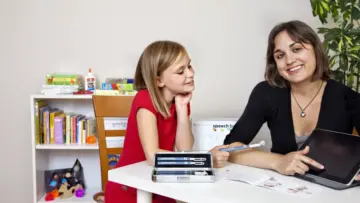
At the forefront of this movement are Speech Buddies, a set of patented, handheld therapeutic devices engineered to help children physically feel correct tongue placement for some of the most difficult speech sounds. Typically developing in the late preschool and early school years, sounds such as "R," "S," "SH," "L," and "CH" often present formidable hurdles for young learners. Traditional speech therapy relies heavily on verbal instruction and mirror work to teach children where to place their tongue, teeth, and lips. These physical tools, however, introduce a crucial sensory modality into the learning process: the sense of touch.
Since their introduction in 2007, thousands of speech-language pathologists and tens of thousands of parents and children have successfully integrated these devices into their therapeutic routines. By taking much of the guesswork out of eliciting specific speech sounds, the tools are designed to accelerate a child’s acquisition of hard-to-learn phonemes. The elegance of this solution lies in its unique combination of clinical efficacy and everyday flexibility, offering families a tangible way to practice proper mechanics between professional appointments or while waiting for formal placement.
Medical professionals and developers always recommend having any child evaluated and treated by a licensed speech-language pathologist for a diagnosed speech challenge, particularly if the difficulties appear to be more than mild in severity. Comprehensive professional evaluations remain the gold standard for diagnosing underlying phonological disorders or articulation delays. Yet, given the current landscape of healthcare staffing shortages, these handheld devices may provide a critical bridge to expedited care.
For many families, discovering these resources sparks an immediate sense of direction. Parents often report an intuitive breakthrough within the very first few minutes of using the device alongside an extensive library of accompanying training videos and lesson plans. This supplementary support system provides families with a significant head start on establishing a structured treatment regimen at home, transforming passive waiting into active, guided practice.
Because the tools are specifically engineered for distinct speech sounds—including individual devices for "R," "S," "SH," "L," and "CH"—parents only need to purchase the specific instruments that apply to their child’s unique diagnostic profile. Consequently, when a family’s name finally reaches the top of a local clinic or school district waiting list, the child may already be considerably farther along in the therapeutic process than they would have been otherwise. This head start can translate into reduced overall time spent in formal therapy for certain speech sound disorders, easing the long-term burden on both the family and the broader healthcare system.
Depending on the severity of the local speech therapy staffing predicament, these specialized tools also offer a practical option for families considering out-of-network services. Out-of-network providers, while often requiring private financial resources, rarely maintain the extensive waiting lists typical of public school systems and insurance-funded clinics, which frequently face strict funding caps and provider shortages. For parents with the resources to pursue out-of-network evaluations and intermittent consultations, integrating tactile home tools can potentially reduce the overall cost and frequency of professional sessions by maximizing the efficiency of practice time.

By bringing a specialized therapeutic modality directly into the living room, these handheld instruments empower both parents and children to actively recreate elements of a professional speech therapy
session. This hands-on involvement not only builds a child’s self-confidence as they master difficult sounds, but it also actively engages parents in the therapeutic process, turning daily routines into opportunities for reinforcement. To further assist families navigating this landscape, resources such as online therapist directories help connect parents with local professionals as availability permits.
While parents remain largely powerless over the systemic staffing challenges currently plaguing the American healthcare and educational infrastructure, the availability of clinically validated, accessible options offers a measure of agency. A child’s speech development is a complex and vital component of their overall growth, academic success, and social well-being. For families seeking guidance on whether these tactile solutions align with their child’s specific situation, continuing the dialogue with developers and speech professionals remains an important step toward finding actionable solutions during a challenging time.