In classrooms and educational settings today, the ability to self-regulate and stay focused remains a cornerstone of academic and personal achievement. Educators, child psychologists, and specialists are placing increasing emphasis on evidence-based self-monitoring strategies to help children and teenagers navigate complex learning environments. By developing the capacity to observe their own behaviors, attention spans, and progress in real-time, students are discovering how to bridge the gap between their current actions and their ultimate goals.
Self-monitoring functions fundamentally as a vital executive functioning skill. It requires an individual to pause, evaluate their current trajectory, and ensure they remain aligned with a targeted objective. Without these internal mechanisms, students easily lose sight of ongoing tasks, becoming distracted or overwhelmed—particularly when confronting assignments that require sustained concentration or tasks they find unengaging.
Understanding Self-Monitoring in Educational Contexts
In practice, self-monitoring is a universal mechanism applied across diverse academic and social scenarios. Whether a student is maintaining attention during a complex peer presentation, managing time limits to complete an examination without distraction, or progressing steadily through a multi-step project, the underlying cognitive process remains consistent. It involves an active internal check-in to evaluate focus and productivity.
While these skills are vital for navigating daily life, they are especially critical within the classroom environment. Experts note that self-monitoring is not an innate trait that remains static; rather, it is a malleable capability that can be systematically learned, practiced, and strengthened over time. As children and young adults face mounting academic demands, educational frameworks are increasingly integrating proactive supports to build these internal mechanisms, fostering greater independence, improved decision-making, and enhanced emotional well-being.
Cultivating Metacognition and an Inner Voice
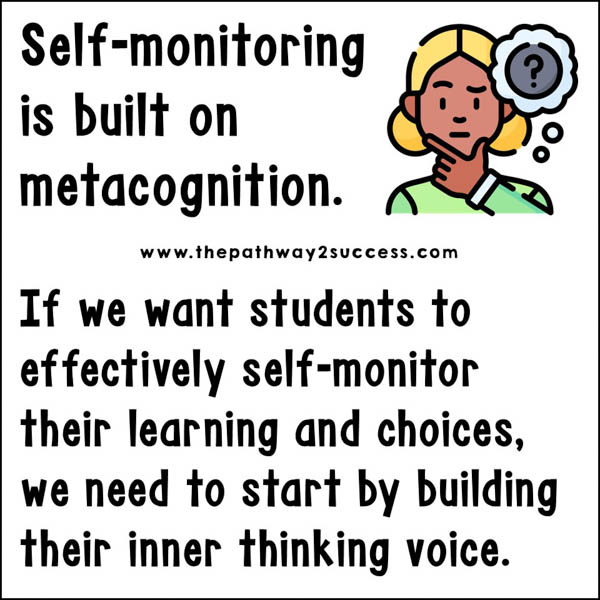
At the heart of effective self-monitoring lies metacognition, or the art of thinking about one’s own thinking. Educators are finding success in nurturing an active inner dialogue among students by embedding strategy discussions before, during, and after classroom activities. Rather than simply evaluating a finished product, instructional approaches now frequently feature structured conversations where students analyze the learning process itself.
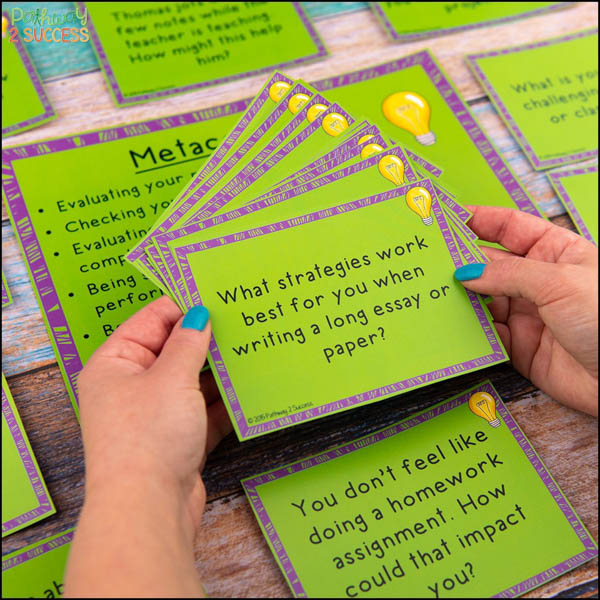
Following a challenging math assignment or a reading session, classroom discussions often center on identifying the precise moments focus began to wane. For instance, students might analyze how tackling more difficult mathematical concepts triggered frustration or how boredom with a reading selection led to daydreaming. By verbalizing these challenges, learners develop the awareness necessary to catch themselves in the moment and deploy corrective strategies. This reflective practice is frequently reinforced through regular classroom dialogue or brief executive functioning task discussions, seamlessly integrating metacognitive habits into the daily routine.
Establishing Clear Goals and Intentional Pacing
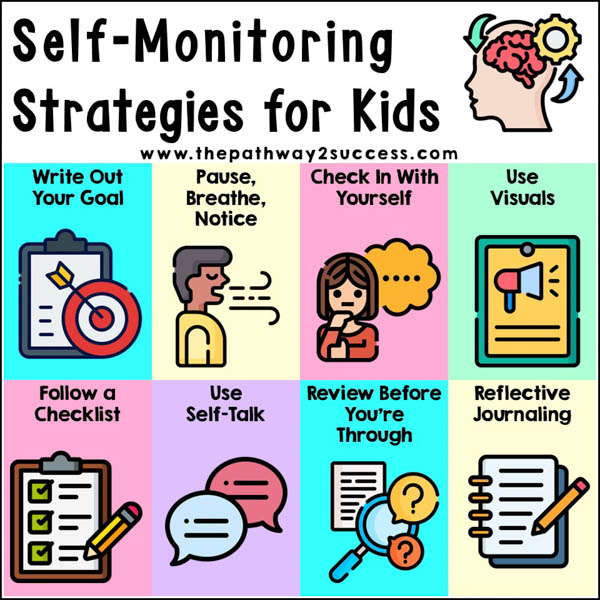
A foundational prerequisite for effective self-monitoring is the clear articulation of a goal. Before launching into a work session, educators encourage students to explicitly define their immediate objective—often utilizing a simple sticky note or index card to document what they intend to accomplish. This physical or mental reminder establishes immediate behavioral ownership, anchoring the student’s focus to a concrete benchmark.

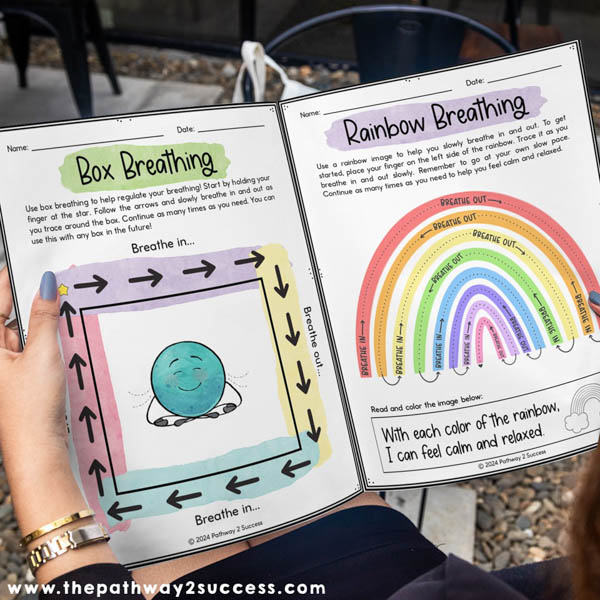
Coupled with goal-setting is the cultivation of intentional pausing. In a fast-paced contemporary environment, teaching children and adolescents how to slow down is an essential hurdle. Mindfulness-based practices, such as structured deep-breathing exercises, serve as practical tools for introducing this pause. By focusing on the physical sensation of breath and counting inhalations and exhalations, students learn to ground themselves, quiet external distractions, and create the mental space required for self-evaluation. Research increasingly supports mindful breathing as an evidence-based mechanism for improving emotional regulation, stress management, and sustained attention across all age groups.
Internal Check-Ins and Behavioral Tracking
As students progress through their assignments, structured check-ins provide a reliable framework for ongoing evaluation. Educators often utilize subtle auditory cues, such as a gentle chime, halfway through a working session to prompt students to pause and assess their progress. During these intervals, learners ask themselves targeted evaluative questions regarding their pace, comprehension, and adherence to their original goal, allowing them to adjust their approach before minor issues compound.
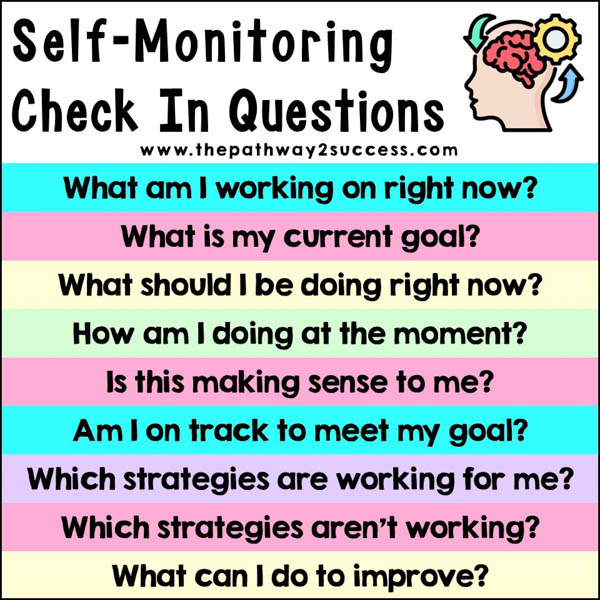
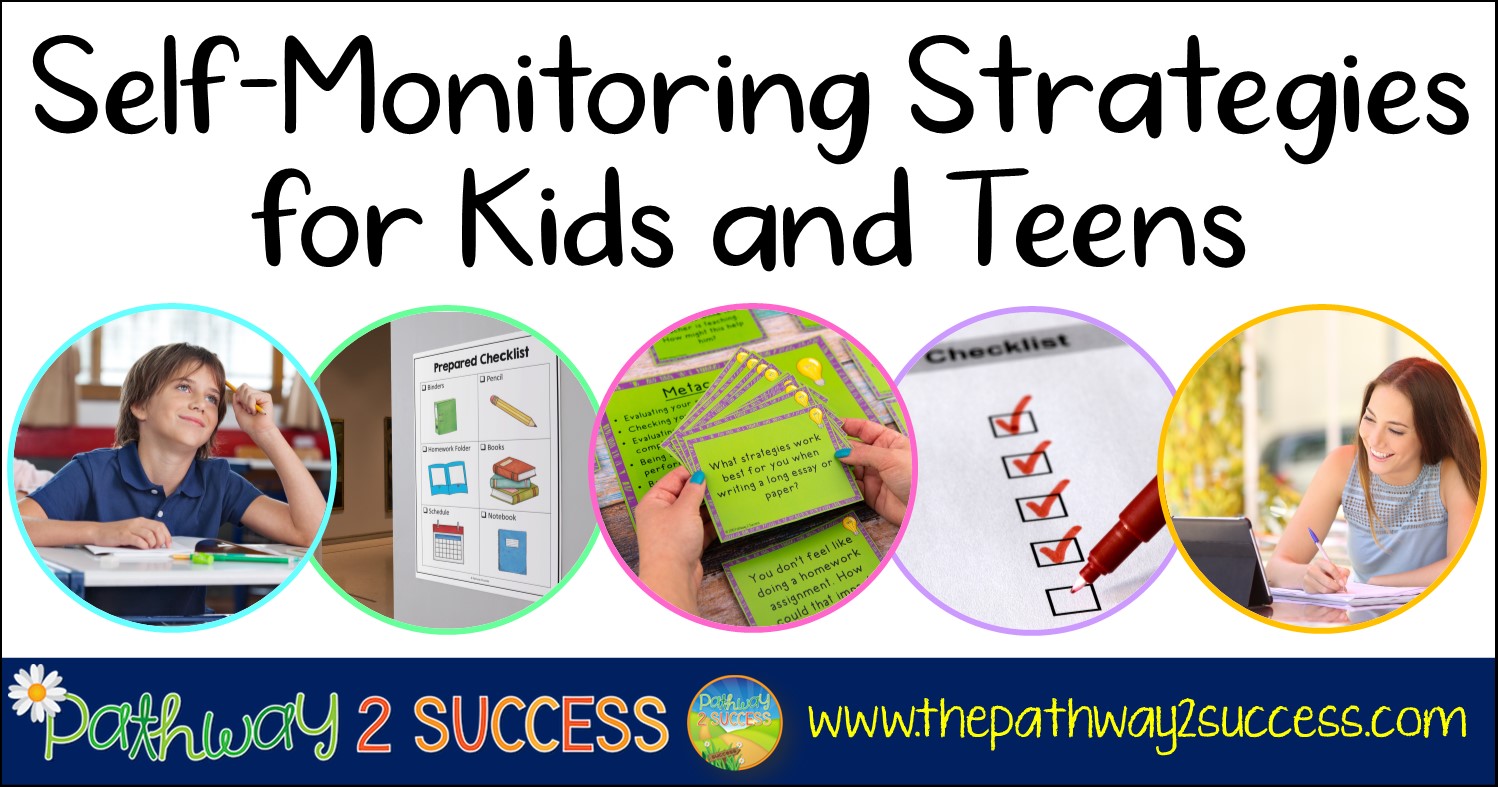
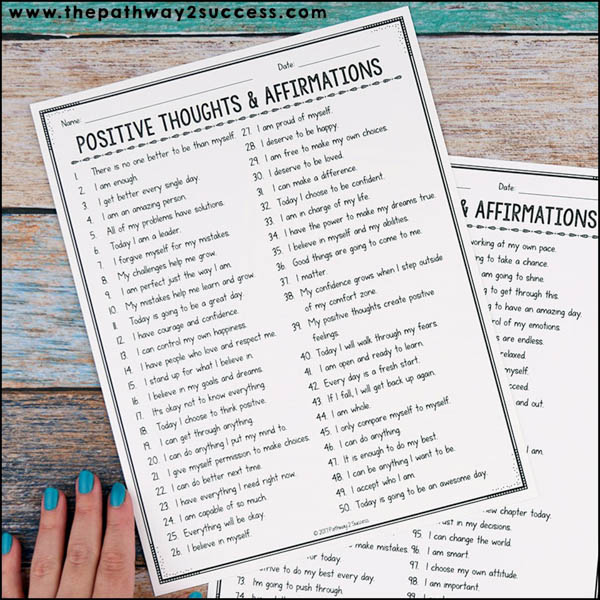
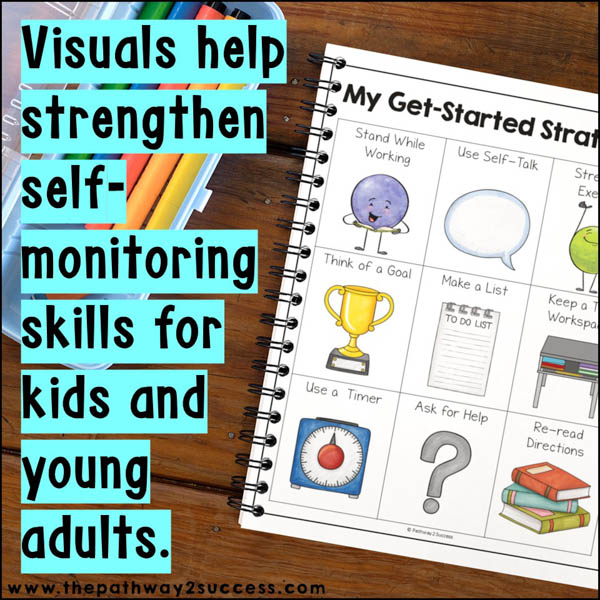
To support this internal tracking, various structured aids are frequently deployed in the classroom. Positive self-talk phrases—deliberate affirmations designed to build confidence and manage frustration—help students sustain momentum when faced with difficult material. Additionally, visual supports, customized checklists for multi-step projects, and targeted tally charts enable learners to independently monitor their target behaviors, such as tracking completed math problems or managing independent writing time with a visual timer.
Reflection and the Broader Executive Functioning Network
The process of self-monitoring does not conclude when a task is submitted; rather, it extends into thoughtful review and reflective journaling. Encouraging students to thoroughly review their work before turning it in ensures they have met all instructional parameters and put forth their highest quality effort. Furthermore, post-activity journaling gives learners the opportunity to analyze what went well, identify specific distractions encountered during the project, and consider alternative approaches for future assignments.
Experts emphasize that self-monitoring does not operate in a vacuum. It is deeply interconnected with a broader network of executive functioning skills, including self-awareness, cognitive flexibility, working memory, and emotional regulation. By intentionally strengthening these foundational capabilities alongside self-monitoring practices, schools and support systems provide children and teens with the comprehensive toolkit needed to navigate academic challenges independently and achieve long-term success.