
As educators and school administrators continuously look for innovative approaches to support student growth, a growing pedagogical strategy is turning toward an unexpected medium: the daily quote. While inspirational sayings have long adorned classroom walls as mere decoration, modern educational frameworks are repurposing them into targeted tools designed to build and strengthen executive functioning skills among children and adolescents.
Executive functioning encompasses the foundational mental processes that allow individuals to plan, focus attention, exercise self-control, maintain organization, and adapt to shifting circumstances. These cognitive skills are widely recognized by educators and child development experts as critical determinants of academic achievement and long-term success beyond the classroom environment. By embedding strategic quotations into daily routines, teachers are discovering an engaging method to prompt deep reflection, encourage critical thinking, and help students draw direct connections between abstract concepts and their own daily lives.
The Role of Executive Functioning in Student Development
Developing minds require targeted support to navigate complex academic and social landscapes. Executive functioning serves as the invisible framework behind virtually every task a student undertakes, from organizing a binder and initiating a daunting project to maintaining focus during a classroom discussion and problem-solving through academic roadblocks.
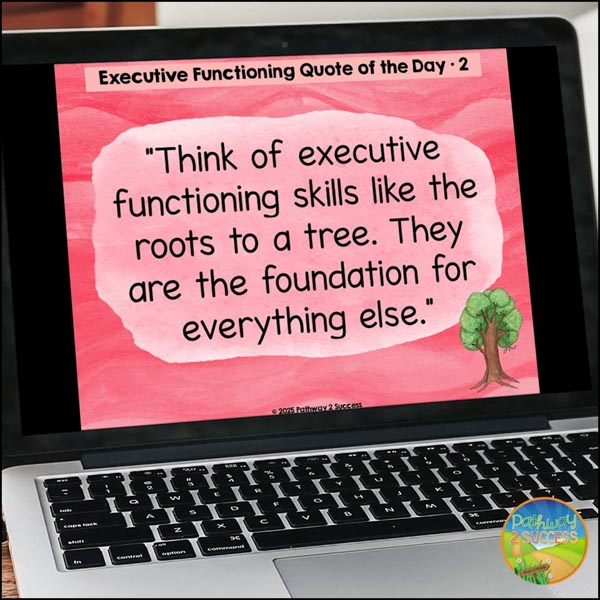
Without these underlying cognitive skills, students frequently experience frustration, disengagement, and academic underperformance. Experts often describe executive functioning skills as being comparable to the root system of a tree, acting as the vital foundation from which all other learning, resilience, and personal development grow. When students begin to understand their cognitive processes through accessible metaphors and guided classroom conversations, they are better equipped to embrace strategies for self-improvement.
Strategic Implementation in the Classroom
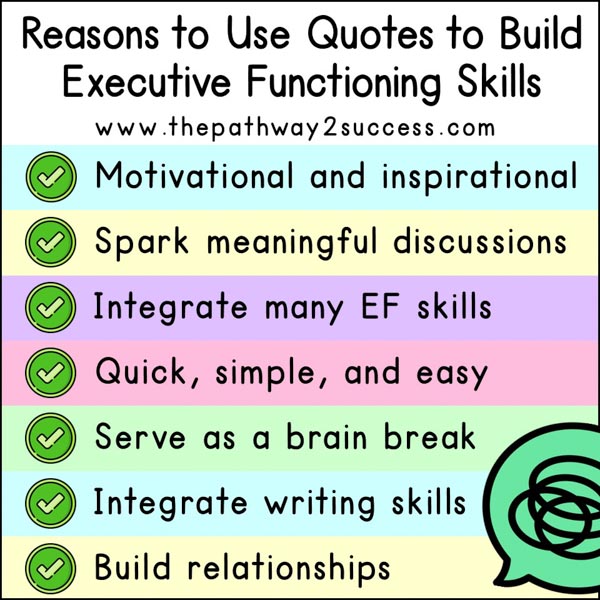
Integrating quotations into the daily school schedule is designed to be a straightforward yet impactful practice. Rather than serving as passive reading material, selected statements are utilized as focal points for classroom discourse. Educators carefully choose quotations that challenge teenagers and younger learners to look beyond surface-level meanings, encouraging them to analyze the text and relate its core message to personal experiences, classroom challenges, and future goals.
To maximize effectiveness, educators often rely on structured bell-ringer activities or dedicated morning meeting discussions centered around a quote of the day. This consistent exposure helps establish a routine where students can mentally transition into the learning environment while engaging in meaningful introspection. Accompanying educator guides often provide targeted questions designed to steer conversations toward specific executive functioning domains, ensuring that the exercise remains purposeful and aligned with developmental objectives.
Examining Core Executive Functioning Domains Through Quotes
Different quotations can be deliberately selected to target specific cognitive areas, transforming a brief reading exercise into a multifaceted learning opportunity.
Understanding the Foundation of Executive Functioning
When introducing the concept of cognitive skills to students, educators often utilize foundational metaphors to establish baseline comprehension. A frequently cited concept compares these mental processes to the roots of a tree, emphasizing that they form the bedrock for all subsequent learning and daily activities. Through guided discussions, students explore how planning, time management, and emotional regulation support the activities they already enjoy, helping them recognize the personal relevance of strengthening these capabilities.
Cultivating Self-Control as Self-Care
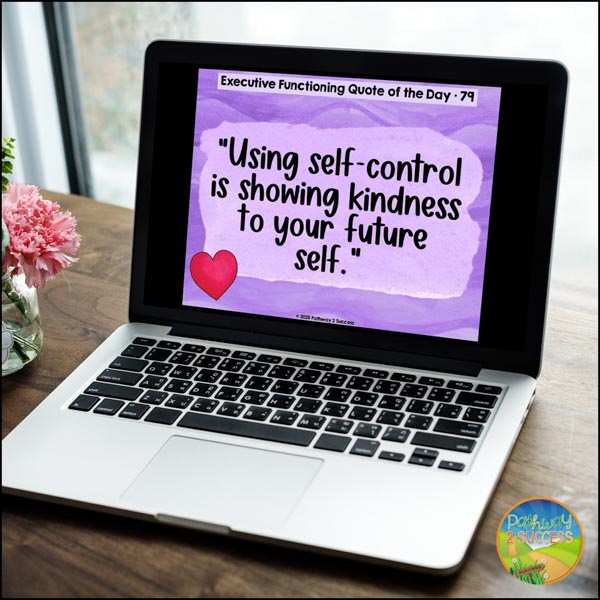
Self-control is fundamentally defined as the capacity to pause and evaluate choices before taking action. Through targeted reflection, students learn that exercising restraint is not merely about compliance with rules, but rather an act of consideration for one’s future self. For instance, organizing academic materials or completing assignments ahead of schedule may feel challenging in the immediate present, but students are encouraged to reframe these disciplined choices as practical acts of self-kindness that alleviate future stress and pave the way for success.
Overcoming Barriers to Task Initiation
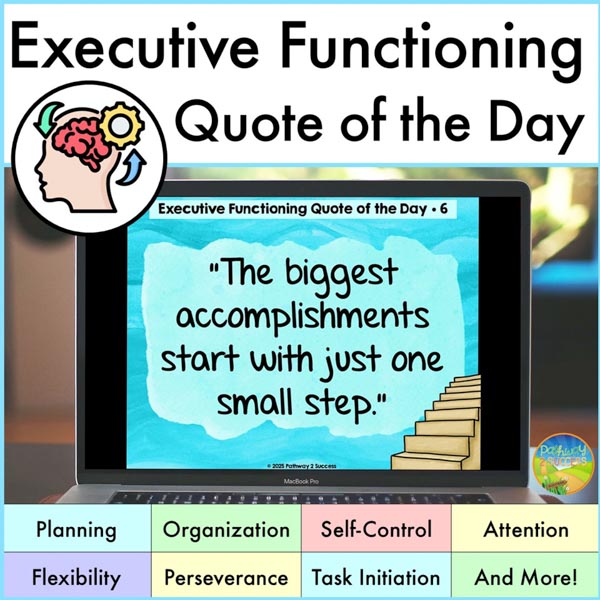
Task initiation—the ability to begin a task even when motivation is low—frequently presents a significant hurdle for growing learners. Educational discussions around this domain emphasize that the initial step of any endeavor is often the most formidable obstacle. By acknowledging that getting started is inherently difficult, students explore momentum-building strategies that help them push past initial hesitation and sustain effort through the completion of a goal.
Linking Calmness to Attention and Focus
The relationship between emotional regulation and cognitive performance is another critical area of focus. Educational materials highlight the principle that a calm mind is inherently more capable of sustained attention, clear thinking, and optimal performance. By connecting relaxation techniques directly to focus strategies, students learn that cultivating emotional stability and mindfulness can directly enhance their ability to concentrate during complex academic tasks.
Fostering Perseverance in the Face of Challenge
Perseverance requires students to maintain effort toward a long-term objective despite encountering obstacles or setbacks along the way. While maintaining determination is rarely effortless, classroom discussions focus on the simplicity of the underlying concept: the necessity of continuing forward. By reflecting on past challenges they have successfully navigated, students identify personal coping mechanisms and mental frameworks that enable them to persist when the temptation to give up arises.
Developing Cognitive Flexibility and Problem-Solving
Cognitive flexibility involves the capacity to adapt thinking patterns, perspective-take, and navigate unfamiliar situations successfully. When confronted with academic or social difficulties, students are encouraged to use flexible thinking to recognize that complex problems rarely have only one correct path to a resolution. Brainstorming multiple potential solutions helps learners build adaptability, reducing anxiety when plans change or unexpected obstacles emerge.
Integrating Reflection into Daily Academic Life
The deliberate incorporation of reflective quotations into daily schedules offers schools a scalable and versatile method for nurturing essential cognitive habits. By shifting the focus toward intentional dialogue about planning, self-control, attention, perseverance, and flexibility, educators can foster environments where students develop both academic proficiency and the self-awareness necessary for lifelong success.



