As students across the country return to the classroom, educators are placing a renewed emphasis on executive functioning skills to help learners navigate the transition smoothly. While academic subjects like reading and math remain central to education, experts note that foundational cognitive skills—such as planning, organization, time management, and self-regulation—often determine how successfully a student adapts to the demands of a new school year.
When students possess a strong command of these cognitive processes, the beginning of the academic year generally proceeds with minimal friction. Conversely, learners who struggle with executive functioning frequently face a disruptive start. Common challenges include misplaced assignments, confusion over class schedules, and difficulty managing the sudden increase in daily responsibilities. These hurdles can create significant stress for students, teachers, and families alike.
However, educational specialists emphasize that executive functioning is not an innate trait that students must possess entirely on their own; rather, these are skills that can be intentionally modeled, cultivated, and strengthened within the school environment from the very first day of class.
Why Executive Functioning Skills Matter for Back-to-School Success
Executive functioning encompasses the mental processes that enable individuals to plan, focus attention, remember instructions, and successfully juggle multiple tasks. While these competencies are vital throughout the entire year, the back-to-school period acts as a critical staging ground. Establishing supportive strategies early allows teachers to build a stable framework that aids children and teenagers as academic and social expectations escalate.
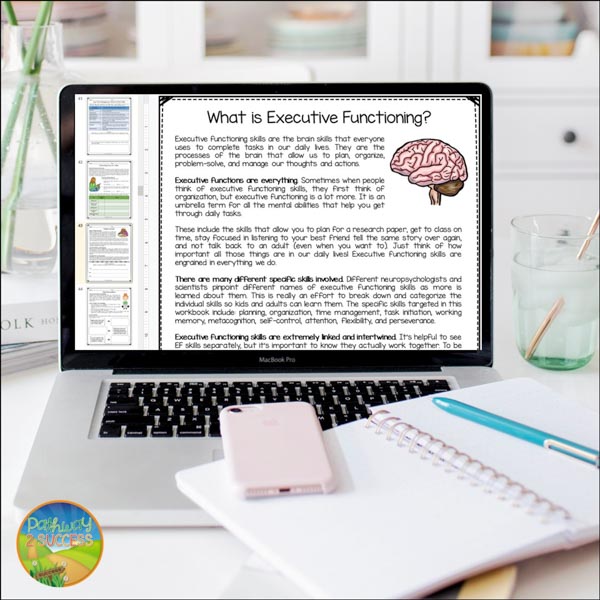
A strong foundation in executive functioning helps mitigate anxiety, reduces cognitive overload, and empowers students to take ownership of their learning environment. Rather than reacting to daily chaos, well-supported students are better equipped to anticipate transitions, manage their materials, and persist through complex academic challenges.
Developing Routines and Explicit Instruction
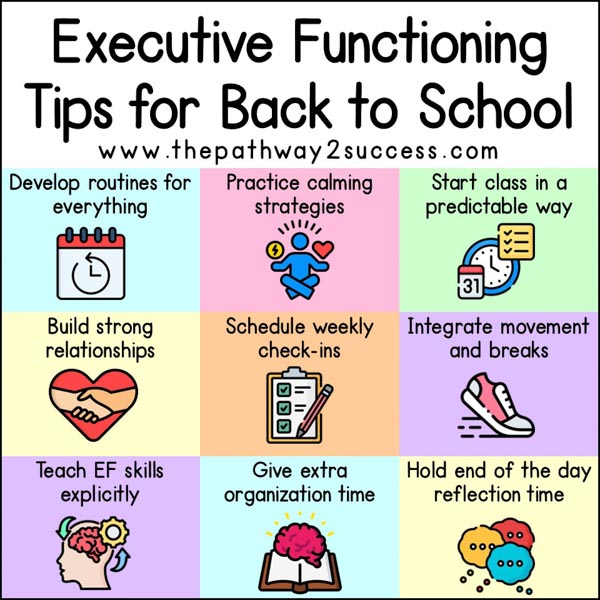
A primary approach utilized by educators involves establishing clear, predictable routines for virtually every classroom activity. Structured routines provide a reliable framework and eliminate ambiguity, ensuring that students understand expectations without having to guess what comes next. Teachers often begin by outlining daily activities and breaking them down into simple, sequential steps. Through repeated practice, these routines become second nature, inadvertently reinforcing organization, planning, self-control, and attention.
In addition to routines, educators advocate for the explicit teaching of executive functioning skills. Much like reading comprehension or algebraic formulas, cognitive strategies—such as perseverance, attention control, and goal setting—benefit from direct instruction. Rather than assuming students arrive with these abilities fully developed, classrooms increasingly incorporate structured lessons and dedicated curricula designed to build these competencies over the course of the full academic year.
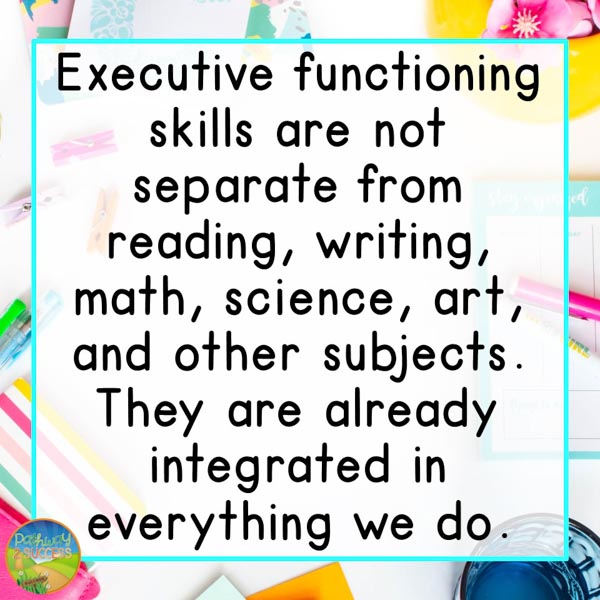
Furthermore, these skills are deeply intertwined with everyday academic content. Rather than treating executive functioning as a separate subject, teachers are finding success by embedding cognitive strategies directly into standard coursework. Whether students are outlining a research paper, organizing data for a science project, or breaking down multi-step math problems, integrating planning and monitoring techniques into core subjects reinforces their practical application.
Managing Stress and Fostering Classroom Environment
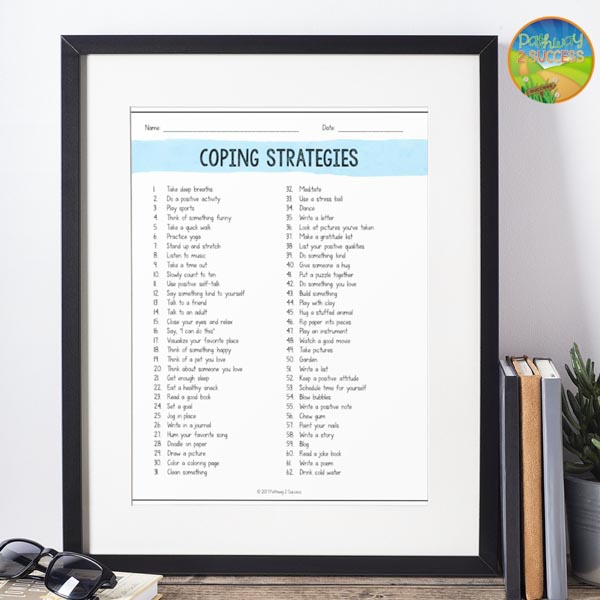
Because optimal learning requires a calm mind and body, managing stress is another critical component of a successful school year. Children and adolescents frequently lack the innate tools to self-regulate when feeling overwhelmed. To address this, educators are prioritizing evidence-based calming strategies, mindfulness practices, and structured brain breaks from the outset of the term, giving students accessible tools to regain focus when needed.
Physical and social environments also play a profound role in cognitive development. Designing an organized classroom space—where materials have designated locations and clutter is minimized—serves as a physical model for the organizational habits teachers hope to instill in their students.

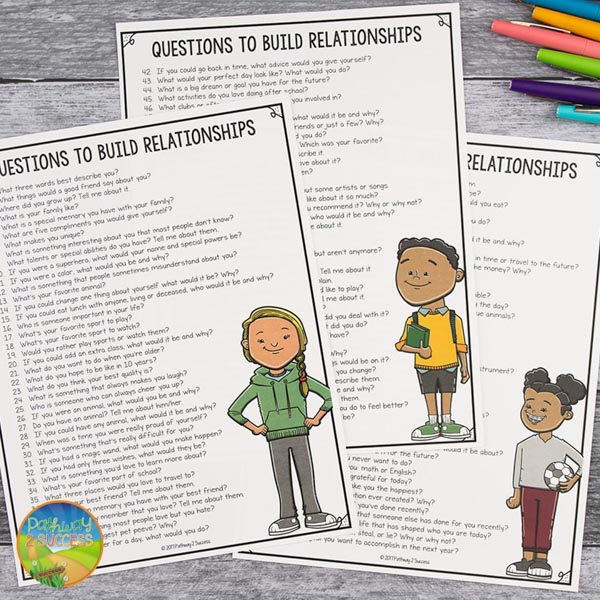
Simultaneously, building strong relationships among both teachers and peers creates a supportive classroom community. When students feel secure within their peer group, they are more likely to take healthy academic risks, accept constructive feedback, and collaborate effectively to overcome obstacles.
Maintaining Consistency Through Predictable Schedules and Reflection
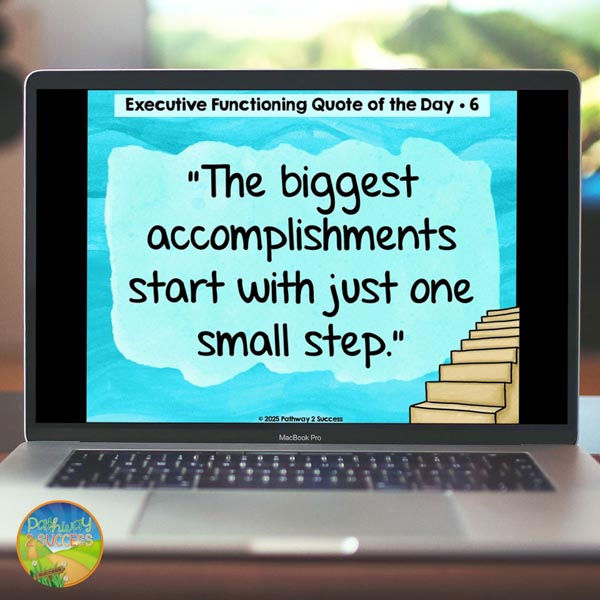
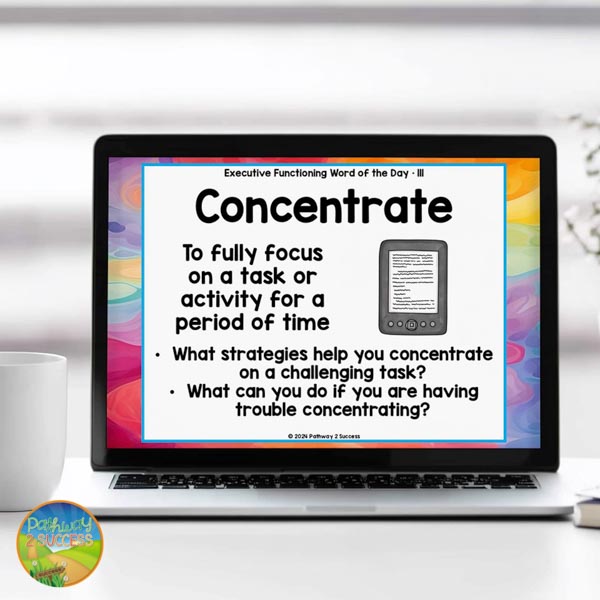
Predictability remains a cornerstone of effective classroom management. Starting the day with a consistent routine reduces cognitive fatigue, allowing students to direct their mental energy toward learning rather than figuring out how to begin their morning. Whether through morning bell-ringers, motivational quotes, or previewing schedule changes well in advance, structure provides a reliable anchor for students navigating busy school days.
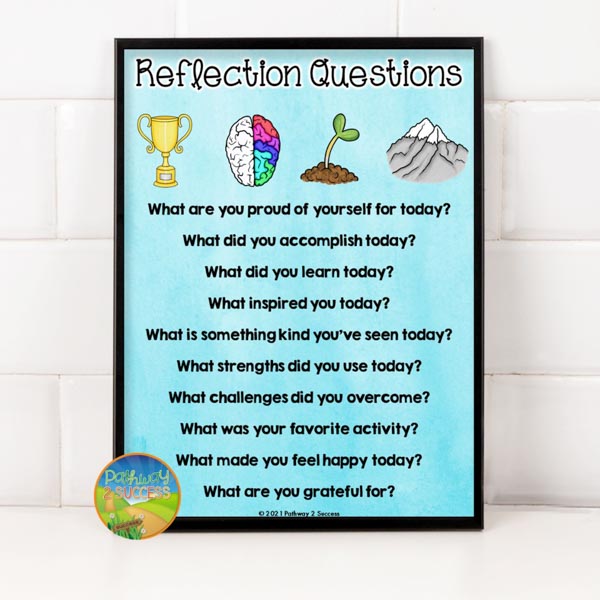
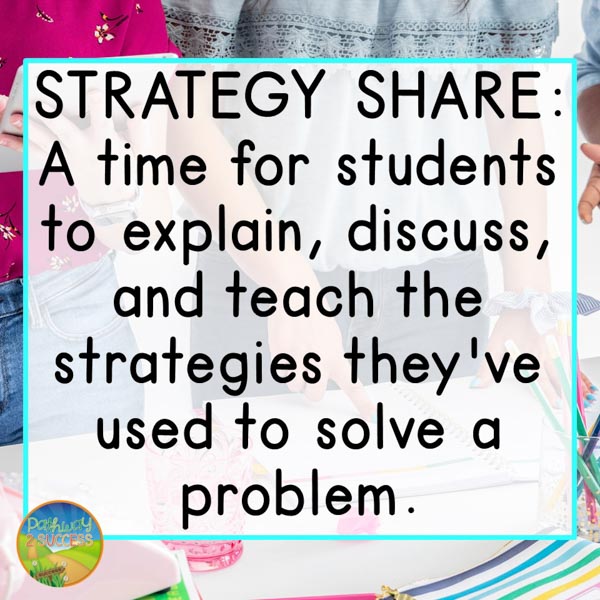
As the academic day progresses, intentional pauses—such as strategy shares and end-of-the-day reflections—allow students to evaluate their progress, discuss problem-solving techniques, and build a personal toolbox of effective habits. Through regular individual check-ins and structured organization time, teachers can monitor student well-being, provide proactive interventions, and celebrate incremental milestones.
Ultimately, educators emphasize that the transition back to school is a learning process for everyone involved. By normalizing executive functioning challenges, celebrating small victories, and maintaining patience for both students and themselves, school communities can lay the groundwork for a productive and resilient academic year.