As the state looks toward the upcoming electoral cycle, a concerted effort is underway to address a significant disparity in civic participation. According to comprehensive data from a Rutgers University report supplement published by the U.S. Election Assistance Commission, if voters with disabilities cast their ballots at the exact same rate as voters without disabilities, roughly two million more voices would actively participate in shaping American democracy.
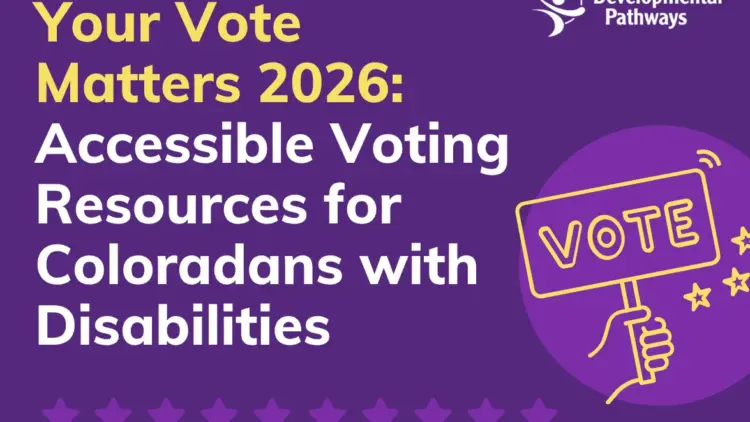
In response to this persistent participation gap, Developmental Pathways (DP) has reaffirmed its deep organizational commitment to helping individuals with intellectual and developmental disabilities fully engage in their local communities, with a primary focus on the fundamental right to vote. As part of this ongoing civic mission, the organization has rolled out a comprehensive set of information and resources designed specifically to support Colorado voters with disabilities as they prepare for the 2026 election cycle. By breaking down barriers to access and providing clear, reliable guidance, the initiative seeks to ensure that every eligible citizen has the necessary tools to make their voice heard at the ballot box.
Your Right to Vote
A cornerstone of the initiative centers on reaffirming and protecting the legal voting rights of individuals with disabilities across the state of Colorado. A common point of confusion among voters and their support networks involves legal guardianship and decision-making structures. In Colorado, having a designated guardian or utilizing another legal decision-maker does not strip an individual of their fundamental right to vote.
Under state guidelines, any resident who is 18 years of age or older and satisfies Colorado’s standard eligibility requirements retains the absolute right to cast a ballot and make their own independent choices on election day. To help voters and families navigate these rules, the Colorado Secretary of State’s office maintains detailed eligibility criteria as well as a specialized Voters with Disabilities Frequently Asked Questions page, which outlines the specific accommodations and rights guaranteed under state and federal law.
Furthermore, navigating potential obstacles or addressing civil rights concerns is a critical component of ensuring fair access. Disability Justice Colorado, which serves as the state’s designated Protection and Advocacy System, stands ready to assist voters. The organization plays a vital role in helping individuals thoroughly understand their voting rights, explore accessible voting technologies and options, and file formal complaints or seek remediation if their rights happen to be violated during the voting process.
Make a Plan to Vote
Transitioning from eligibility to actual participation requires careful preparation, particularly for voters who may benefit from structured planning. To assist individuals in organizing their voting process, Developmental Pathways has made available a printable resource titled My Voting Plan. This tool is designed to help voters systematically think through logistical details, such as how, when, and where they will cast their ballot.
Colorado’s electoral system relies heavily on Voter Service and Polling Centers (VSPCs), and state regulations mandate that every single VSPC must be fully accessible to individuals with disabilities. Voters enjoy multiple secure avenues to cast their ballots, whether they choose to vote in person at an accessible center, utilize accessible electronic voting machines that accommodate various physical and sensory needs, or return a mail-in ballot through secure drop boxes and postal services.
To maintain peace of mind throughout the voting process, the Colorado Secretary of State’s office provides the BallotTrax tool. This online tracking system allows voters to monitor the exact status of their mail-in ballot from the moment it is printed and mailed out by election officials, to when it is received and successfully counted by county election workers.
Understanding Your Ballot
Casting a ballot effectively requires more than just showing up at a polling place or dropping an envelope in a box; understanding the complex issues and candidates on the ballot is equally vital. In the lead-up to any major election, numerous civic, advocacy, and community organizations publish comprehensive ballot guides. These materials range from strictly nonpartisan breakdowns of ballot measures to publications from organizations with specific ideological viewpoints.
Navigating these guides requires careful consideration. Voters are encouraged to select trusted, transparent sources of information that align with their personal values and community interests. To assist in this process, Developmental Pathways has gathered a curated selection of ballot guides and educational resources specifically aimed at helping individuals make informed decisions throughout the 2026 election cycle.
As new analyses, nonpartisan guides, and community resources are published by trusted organizations, additional materials will be integrated into the resource hub. Voters and community members are encouraged to check back frequently for updated information as the election approaches, ensuring they have access to the most current and comprehensive resources available.