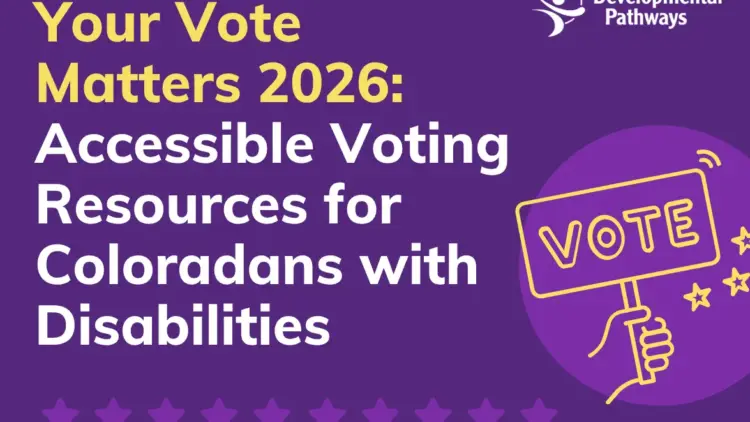
As the state of Colorado looks ahead to the upcoming 2026 electoral cycle, local organizations and civic advocates are ramping up efforts to address a persistent participation gap that affects millions of Americans nationwide. If voters with disabilities were to cast their ballots at the exact same rate as voters without disabilities, an estimated two million additional voices would enter the democratic process, actively helping to shape the future of local and national communities.
In an effort to bridge this gap and ensure that every eligible citizen can make their voice heard, Developmental Pathways (DP) has reaffirmed its deep organizational commitment to helping individuals with intellectual and developmental disabilities fully participate in civic life. As part of this ongoing mission, the organization has curated a comprehensive array of information, tools, and resources specifically designed to support Colorado voters with disabilities as they prepare for the 2026 election. From clarifying fundamental legal rights to providing practical planning resources, the initiative serves as a crucial roadmap for inclusive political participation.
Understanding Your Fundamental Right to Vote
A central hurdle for many voters with disabilities and their families involves navigating legal misperceptions regarding guardianship and voter eligibility. To combat this confusion, civic leaders and advocacy groups emphasize a vital legal reality in Colorado: having a guardian or another designated legal decision-maker does not strip an individual of their fundamental right to vote.
Under current Colorado law, any resident who is 18 years of age or older and meets the state’s basic voter eligibility requirements retains the absolute right to cast a ballot and make their own independent choices in the voting booth. To help voters and their support networks verify these standards, the Colorado Secretary of State provides detailed eligibility guidelines alongside a dedicated frequently asked questions page specifically tailored for voters with disabilities.
Furthermore, safeguarding these rights remains a top priority across the state. Disability Justice Colorado, which functions as the state’s official Protection and Advocacy System, stands ready to assist community members who encounter barriers or need guidance. Whether a voter needs help understanding their rights, wishes to learn more about accessible voting options, or must file a formal complaint regarding a violation of their voting rights, the organization offers specialized assistance to ensure equitable access to the ballot box.
Making a Concrete Plan to Vote
Translating the right to vote into actual civic participation often requires careful preparation, particularly for voters who may benefit from structured planning tools. To assist individuals in mapping out their electoral participation, Developmental Pathways encourages voters to utilize practical planning resources, such as printable voting plan sheets designed to help streamline the process from registration to ballot submission.
Colorado’s robust electoral framework provides multiple avenues for participation, ensuring that voters can select the method that best fits their accessibility needs. Every Voter Service and Polling Center (VSPC) across the state is legally required to meet stringent accessibility standards, accommodating voters with diverse physical, sensory, and cognitive needs. Whether residents choose to vote in person at an accessible polling location, utilize accessible marking devices, or vote by mail, the system is structured to offer flexibility and security.
To ensure peace of mind once a ballot has been cast, voters can take advantage of modern tracking technology. The Colorado Secretary of State offers an online ballot tracking tool, BallotTrax, which allows citizens to monitor the status of their mail-in or dropped-off ballot in real time, confirming every step of its journey through the processing and counting stages.
Navigating and Understanding Your Ballot
Cast ballots carry the same weight regardless of how they are filled out, making informed decision-making just as critical as the physical act of voting. As elections draw closer, a wide variety of organizations publish specialized ballot guides to help voters parse complex ballot measures, judicial evaluations, and candidate platforms. While some of these guides are strictly nonpartisan, others may reflect specific organizational perspectives.
Experts emphasize the importance of selecting trusted, transparent information sources that genuinely reflect an individual’s personal values and priorities. To assist the community in navigating this landscape, Developmental Pathways has compiled a centralized collection of nonpartisan ballot guides and educational resources tailored to the 2026 election cycle. Because election information continuously evolves as new guides and community resources are published, organizers encourage voters and their families to check back frequently for updated materials and additional tools designed to foster an accessible, inclusive, and fully engaged democracy throughout Colorado.