
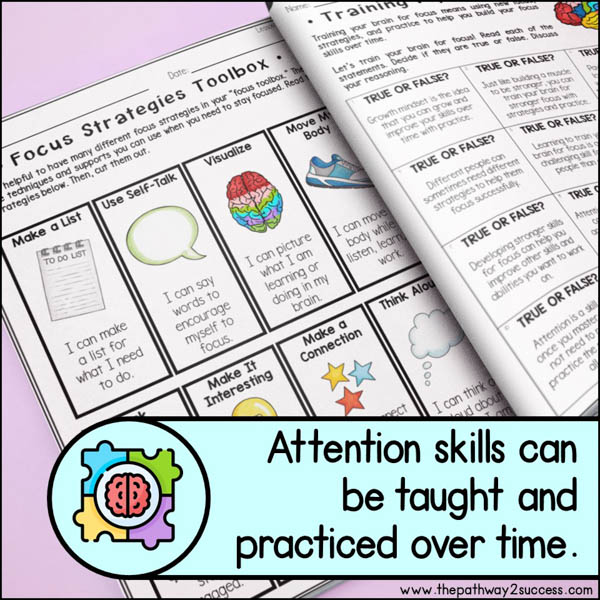
In an era defined by endless digital interruptions and mounting demands on young minds, educators, parents, and researchers are increasingly focused on how children and adolescents sustain attention. Attention is widely recognized as a foundational cognitive skill—the bedrock mechanism that allows young learners to actively listen, absorb new information, pursue complex goals, and push through challenging academic hurdles. Fortunately, extensive scientific literature shows that attention is not a fixed trait; rather, kids and teens can actively learn and cultivate targeted attention strategies to tune in, concentrate, and achieve their unique goals.
Understanding what makes an approach "evidence-based" is crucial for educators and caregivers navigating a crowded marketplace of productivity hacks. In scientific terms, an evidence-based strategy is one backed by substantial research demonstrating its efficacy. The gold standard for identifying these approaches often involves looking at meta-analyses, which are comprehensive reports that systematically review and synthesize findings across dozens of independent studies. By examining both individual research articles and broad meta-analyses, scientists have identified a robust toolkit of interventions that directly support cognitive focus, emotional regulation, and academic success in youth.
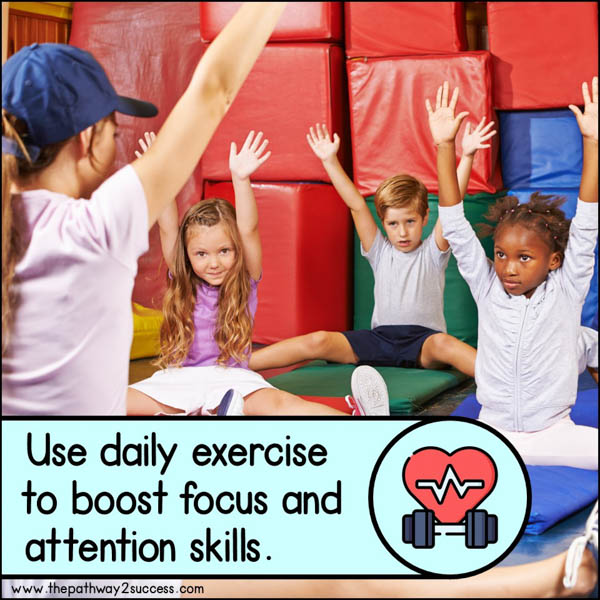
Among the most thoroughly researched physical interventions is regular exercise. Scientific consensus demonstrates that physical activity has a profoundly positive effect on attention and overall academic performance. A comprehensive meta-analysis conducted by researchers found that the most significant cognitive benefits stem from structured, regular exercise sustained over many weeks. Furthermore, institutional guidelines emphasize that embedding physical movement directly into classroom lessons increases student attention and prolongs time-on-task, providing a dynamic way to re-engage growing brains.
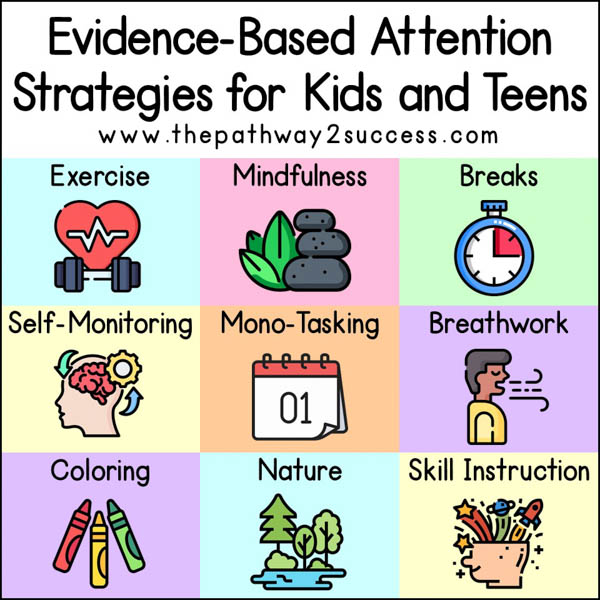
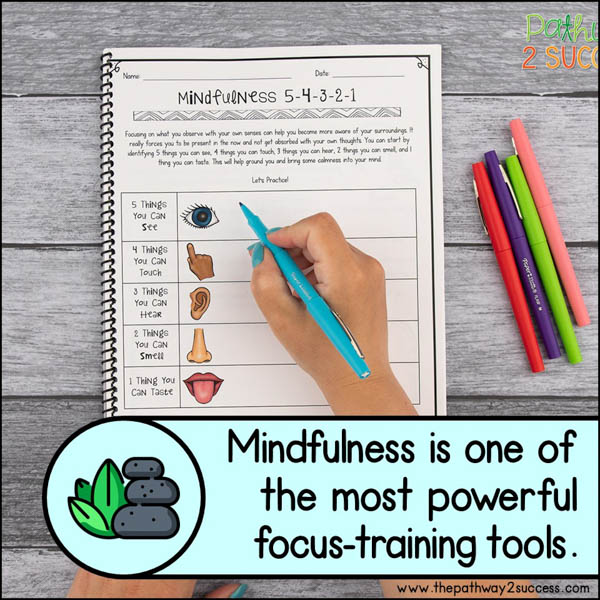
Closely related to physical movement is the practice of mindfulness and meditation, which centers on anchoring awareness in the present moment. Mindfulness can be cultivated through various techniques, including focused breathing, mindful observation using the senses, and guided relaxation. Substantial research highlights the broad benefits of these practices, ranging from improved behavioral regulation and reduced emotional reactivity to enhanced overall well-being. When examining cognitive function specifically, meta-analytic data reveals that mindfulness training yields significant, measurable improvements in both focused and sustained attention, cementing its status as a powerful cognitive tool.
Interspersing rigorous academic tasks with deliberate breaks is another critical component of sustaining attention. Breaks provide essential windows for the brain to regroup, refresh, and consolidate information, ultimately boosting productivity and focus. Experimental studies comparing passive breaks—such as listening to a narrative—with active breaks involving physical exercise have found that both formats yield significant short-term improvements in attention. Broader educational research confirms that periodic pauses from intensive academics lead to sustained on-task behavior and enhanced classroom performance.
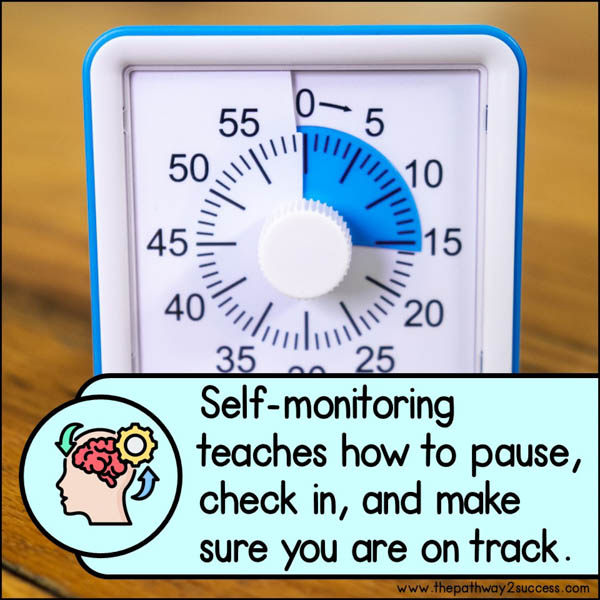
Beyond physical activity and scheduled pauses, researchers emphasize the value of self-monitoring, a metacognitive process where learners continuously evaluate and adjust their own behaviors to ensure alignment with their objectives. When students practice self-monitoring, they learn to pause, assess their current level of engagement, recognize when their minds have drifted, and autonomously deploy strategies to get back on track. Meta-analytic evaluations confirm that self-monitoring is an exceptionally effective intervention, particularly for students experiencing challenges with attention and executive functioning.

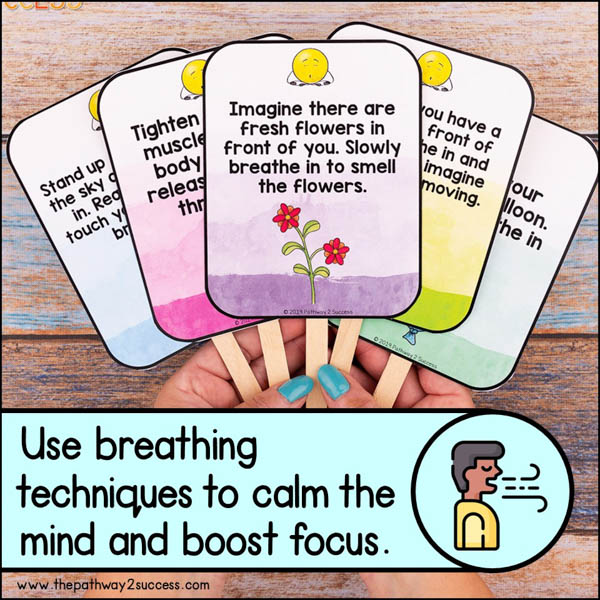
Conscious breathing techniques offer another scientifically validated method for cultivating calm and sharpening focus. Purposeful diaphragmatic breathing has been shown in clinical studies to improve sustained attention, mitigate negative affect, and lower physiological stress markers like cortisol levels. Neurobiologically, these breathing practices help regulate the amygdala—the brain’s emotional center—thereby reducing stress and clearing the pathway for enhanced cognitive concentration.
In an age of constant connectivity, researchers are also drawing attention to the pitfalls of multitasking and the benefits of mono-tasking. Scientific studies demonstrate that what humans perceive as multitasking is actually rapid task-switching, a cognitive juggling act that degrades attention, diminishes productivity, increases error rates, and accelerates mental fatigue. Mono-tasking—the intentional choice to direct cognitive resources toward a single goal at a time—serves as the primary behavioral antidote to this digital-age fatigue.
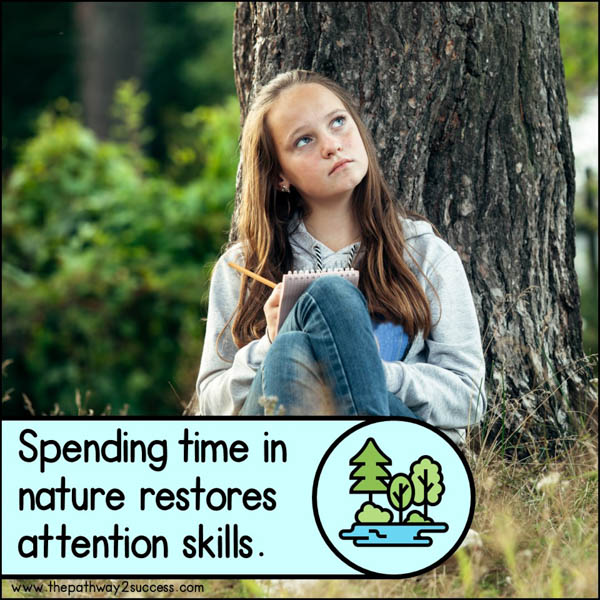
Environmental factors play an equally vital role in cognitive restoration, with extensive evidence supporting the benefits of nature exposure. According to attention restoration theory, spending time in natural settings significantly reduces mental fatigue and restores cognitive capacities. Meta-analyses indicate that exposure to natural environments enhances working memory, cognitive flexibility, and attention control. Crucially, research shows that even indirect exposure, such as viewing natural scenery through a window, can confer similar restorative cognitive benefits when outdoor access is limited.

Direct skill instruction represents another cornerstone of evidence-based educational practice. By explicitly teaching foundational skills—ranging from reading and mathematics to task initiation and study techniques—educators help students build a personalized internal toolbox of strategies. Structured instruction of this nature significantly bolsters executive functioning skills, providing young learners with the explicit guidance they need to master complex cognitive demands over time.
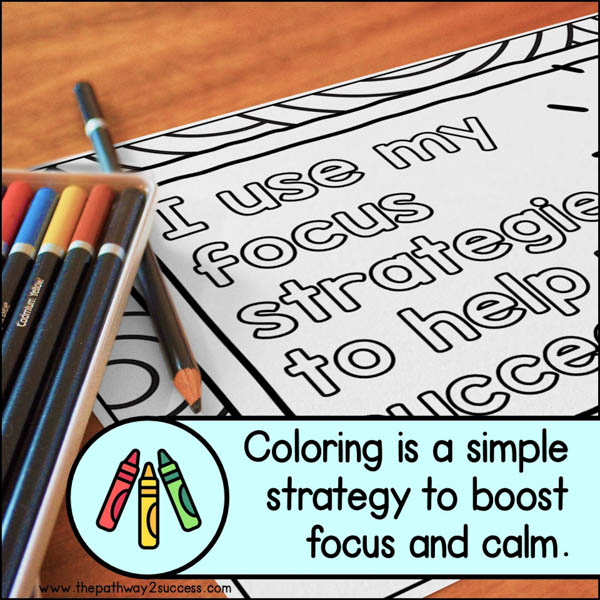
Creative and expressive activities have also been shown to support attention and emotional regulation. Controlled experiments examining activities like coloring indicate that focused artistic engagement reduces anxiety while strengthening selective attention. Recent studies further demonstrate that students who incorporate coloring into their routines report enhanced abilities to concentrate in noisy environments, manage external distractions, and successfully refocus their attention. Crucially, these cognitive benefits extend across age groups, supporting adolescents and adults alike.
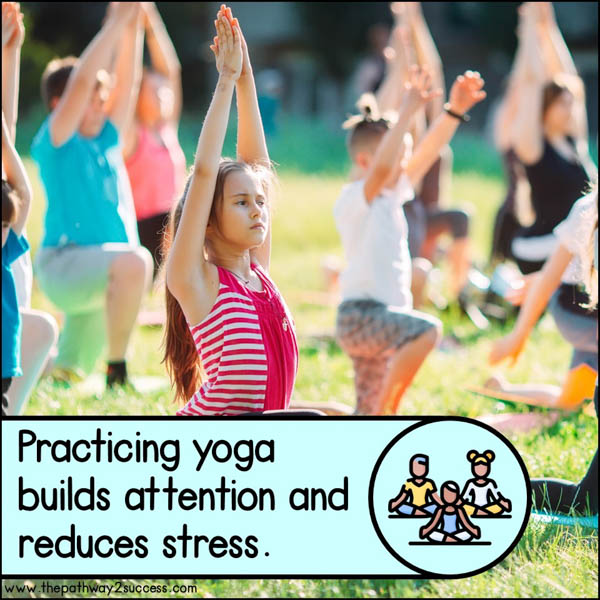
Similarly, yoga—a mind-body practice that combines physical postures with mental focus—has garnered significant empirical support. Systematic reviews of studies examining yoga and attention in children indicate that regular practice yields substantial improvements in attentional control, alongside secondary benefits such as enhanced memory and reduced stress and anxiety.
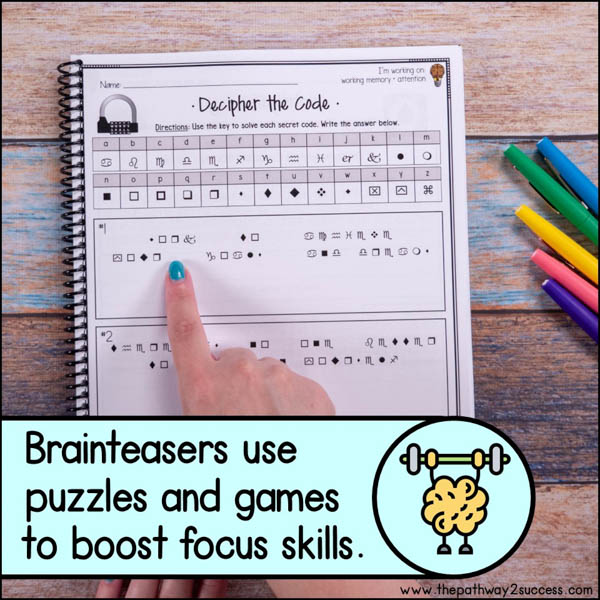
Cognitive puzzles and brainteasers offer yet another engaging pathway to strengthening focus. Recent behavioral studies demonstrate that children who regularly engage with collaborative puzzles and structured brainteaser curricula exhibit heightened self-regulation, stronger impulse control, and visibly expanded attention spans compared to control groups.
Finally, while not a classroom-based intervention, adequate sleep is perhaps the most fundamental biological prerequisite for attention. Extensive clinical and neuroscientific research details how high-quality sleep allows the brain to perform critical housekeeping and memory-consolidation functions. Sleep deprivation directly compromises attention spans, degrades concentration, and slows neural reaction times, making proper rest an indispensable element of cognitive performance.
As researchers and educators continue to study these diverse interventions, experts emphasize that attention strategies are not one-size-fits-all. Because every child and teen is a unique individual, the most effective approach involves experimenting with a variety of evidence-based techniques, assessing what works best in different contexts, and helping young learners actively engage with the methods that allow them to feel and perform their best.