In an era defined by fast-paced digital distractions, educators, psychologists, and parents are increasingly turning to the original classroom—nature—to support the cognitive development of children and adolescents. Emerging educational strategies highlight the outsized role that the great outdoors plays in fostering executive functioning skills, the foundational brain-based abilities essential for planning, self-regulation, attention, and goal completion.
Executive functioning serves as the neural command center for human behavior. These critical cognitive processes allow individuals to organize tasks, initiate projects, manage time, exercise cognitive flexibility, and maintain self-control. Far from being confined to academic performance, these skills underpin every facet of daily life, influencing how young people navigate complex social relationships, regulate their emotions, and achieve personal well-being.
While classrooms traditionally rely on structured desk-bound exercises to build these competencies, a growing body of research points to the natural world as an exceptionally powerful catalyst for cognitive growth. The rationale is rooted in both neurological science and everyday observation. Nature offers a uniquely motivating and immersive environment that naturally engages the human brain while simultaneously providing a profound sense of calm.
Scientific literature consistently underscores the restorative power of green spaces. Medical and psychological studies have demonstrated that spending as little as twenty minutes outdoors can significantly reduce stress hormones. Broader epidemiological research involving tens of thousands of participants has linked regular, weekly exposure to nature with heightened reports of positive psychological well-being. Comprehensive reviews of this growing field further indicate strong correlations between outdoor engagement and improvements in mental health, restorative sleep, focused attention, and overall cognitive function.
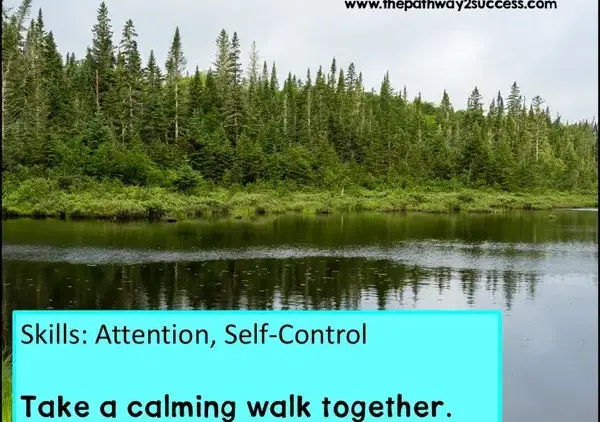
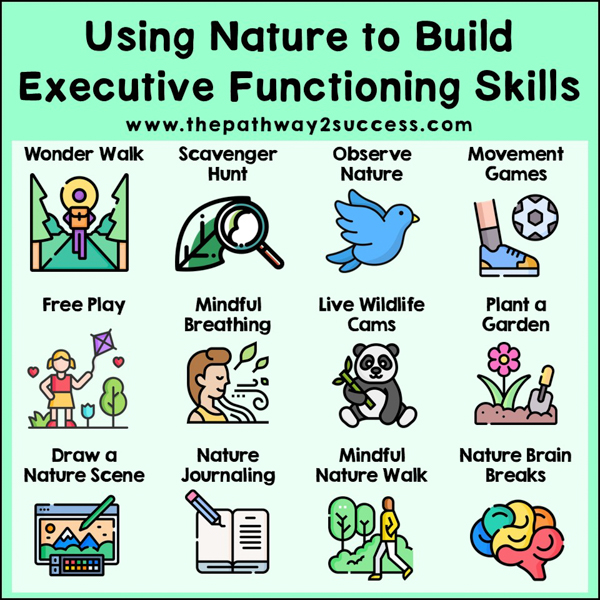
For educators and families seeking practical ways to integrate these insights, the approach does not require remote wilderness expeditions. Any local green space—ranging from a modest courtyard outside a school building to a neighborhood park or a hiking trail—can serve as a functional laboratory for cognitive development. Experts have cataloged a diverse array of outdoor activities designed to target specific executive functioning domains, transforming simple recreation into purposeful cognitive practice.
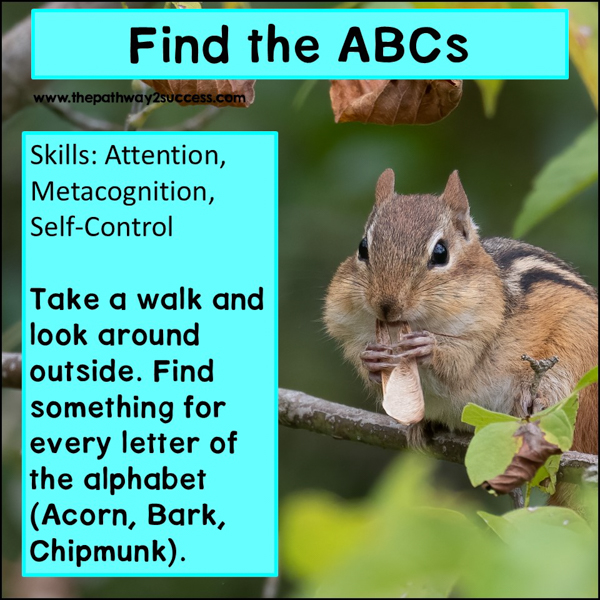
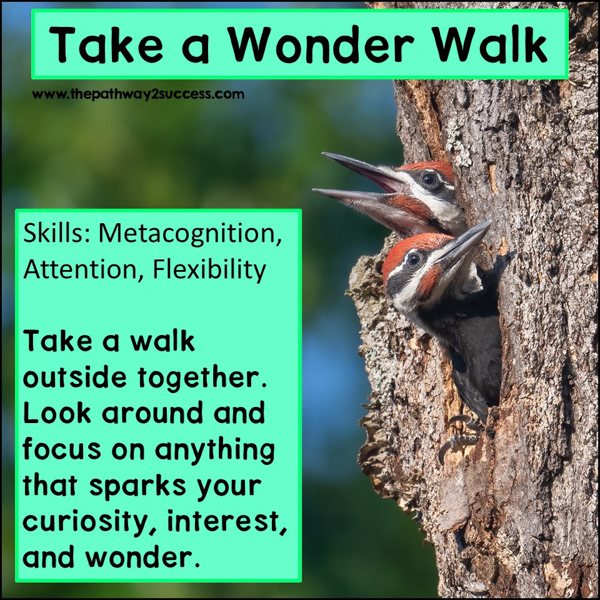
Activities such as "Wonder Walks" invite children to direct their attention toward elements in the environment that spark genuine curiosity and inquiry. By forming questions about natural phenomena—such as the coloration of the sky or animal communication—participants engage in metacognition, self-directed motivation, and cognitive flexibility, occasionally following up with formal research when time permits. Similarly, observation games that require finding elements corresponding to every letter of the alphabet challenge learners to sustain selective focus, filter out environmental distractions, and practice mental redirection when attention wanders.
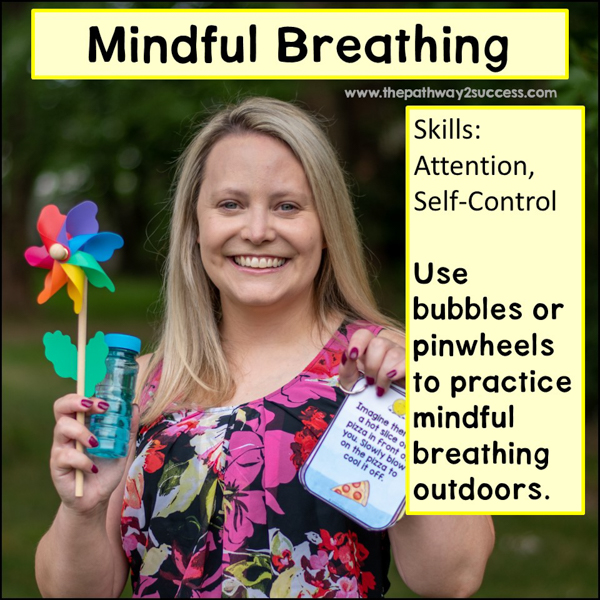
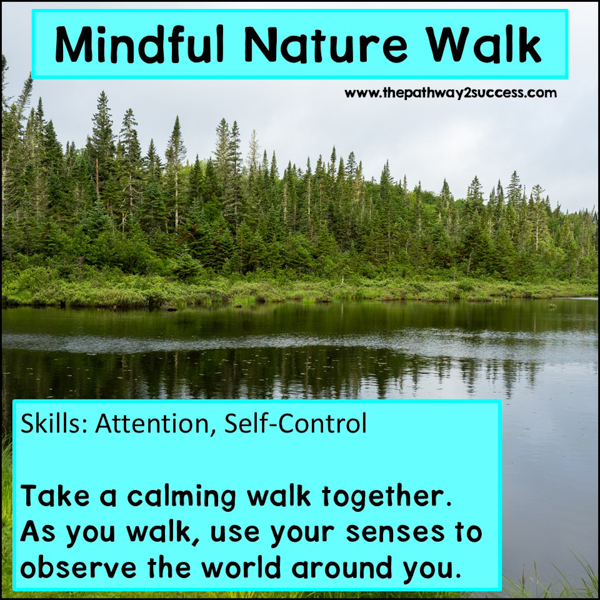
Self-regulation and emotional control are similarly reinforced through somatic practices conducted in the open air. Mindful breathing exercises, sometimes enhanced by tactile props like bubbles or pinwheels, offer children tangible methods to anchor their attention and restore inner calm. When adapted seasonally, these breathing techniques help students develop self-monitoring skills that they can independently deploy whenever they require heightened focus or emotional equilibrium.
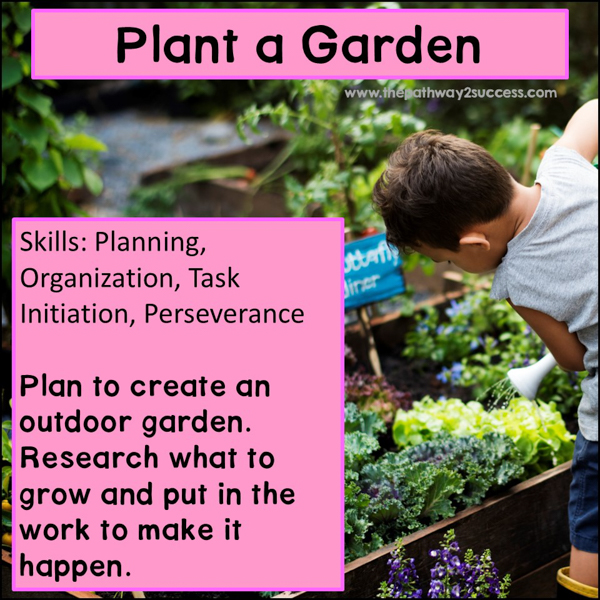
Long-term projects further extend these cognitive benefits by requiring advanced planning and organizational foresight. Establishing an outdoor garden, for example, demands that children move through distinct phases of research, material gathering, strategic scheduling, and sustained task initiation. Because gardening yields results only through consistent effort and patience, it serves as a powerful exercise in perseverance, teaching young people how to oversee a complex project from conception to completion.
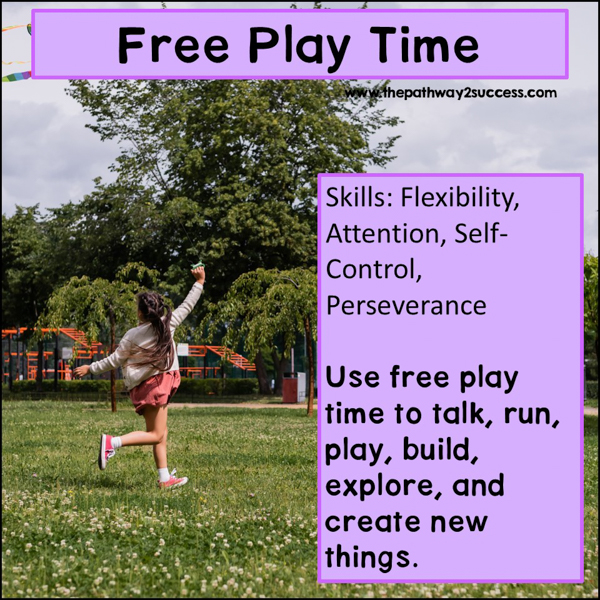
Unstructured free play in natural environments provides yet another vital avenue for executive development. In an era where children’s schedules are frequently over-managed, open-ended outdoor play allows participants to navigate peer dynamics, negotiate social rules, solve unexpected challenges, and exercise self-control organically. When groups of learners are given the autonomy to explore green spaces independently, they routinely practice time management, adaptability, and mutual cooperation.
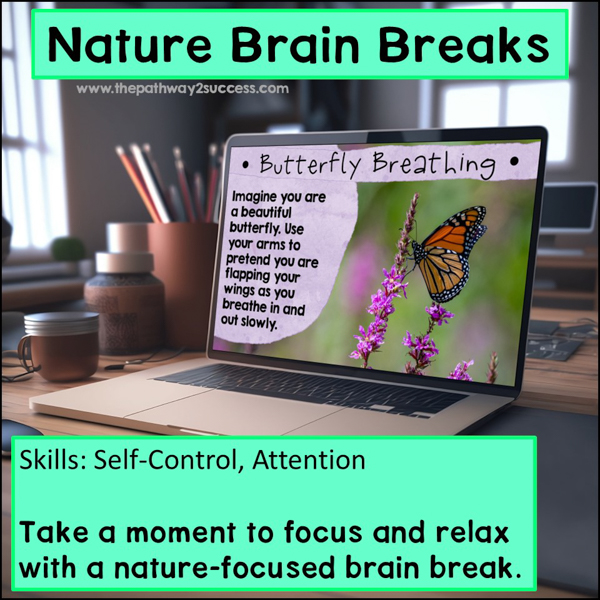
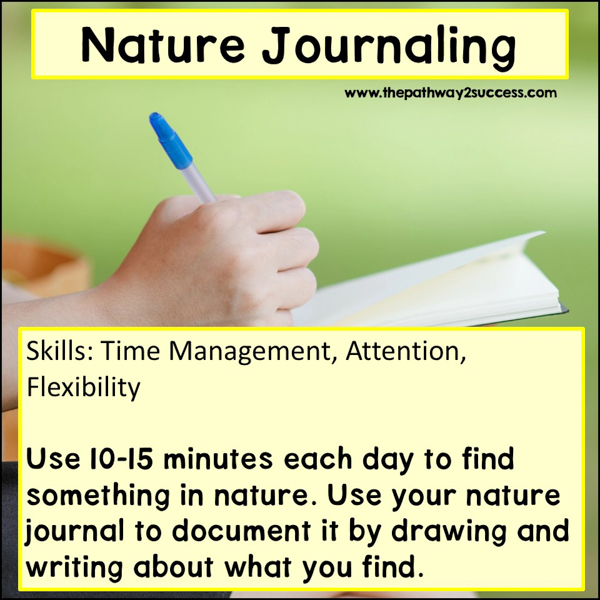
Other targeted exercises, such as nature journaling, scavenger hunts, and color-sorting collections on clipboards, offer structured ways to reinforce visual attention, working memory, and mental organization. Movement-based games like rhythm-matching, "Stoplight," and "Simon Says" adapt traditional self-regulation drills into active physical play, strengthening the neural pathways responsible for impulse control and auditory processing.
Even when physical access to the outdoors is restricted by weather or logistical constraints, educators have found innovative ways to simulate these cognitive benefits. Virtual wildlife cameras, which broadcast live feeds of nesting birds, marine life, and zoological habitats, allow students to monitor natural developments over extended periods, fostering long-term attention and intellectual curiosity from indoors. Similarly, integrating nature-themed art projects, reflective writing, and discussions around positive self-talk help reinforce the mental resilience and self-awareness necessary for effective task management.
Ultimately, whether through quiet observation of an insect on a leaf, a community park clean-up initiative, or the deliberate tracking of seasonal changes in a neighborhood tree, the intentional use of nature provides a robust framework for developing the mental architecture children need to thrive academically, socially, and personally.