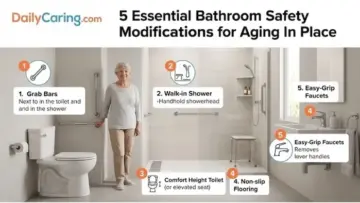
Keeping an aging loved one safe, healthy, and independent remains a top priority for millions of family caregivers navigating the complexities of eldercare. Two of the most formidable threats to independent aging are physical falls, which can lead to severe injuries and lengthy hospitalizations, and progressive cognitive decline.
Fortunately, ongoing research and health policy updates show that consistent physical activity and targeted brain training can significantly reduce these risks. Even better, many older adults already have access to comprehensive fitness programs at absolutely no cost through their existing health insurance policies.
While Original Medicare Parts A and B do not include fitness benefits, many private Medicare Advantage plans—along with select Medicare Supplement or Medigap plans—offer robust fitness packages designed specifically for older adults. These benefits are increasingly being recognized by progressive health plans and advocacy groups not as optional perks, but as core preventive care measures capable of curbing costly medical emergencies down the line.
The Link Between Fitness, Fall Prevention, and Brain Health
Regular exercise is far more than a simple strategy for staying trim; for older adults, it serves as a critical defense mechanism against the physiological changes that accompany aging. Strength and stability exercises directly combat the muscle loss, or sarcopenia, that frequently leads to unsteadiness, impaired balance, and devastating falls. Because regular, structured physical activity has proven highly effective at reducing fall-related hospitalizations, a growing number of Medicare Advantage insurers now classify senior gym memberships and fitness programs as essential preventive care.
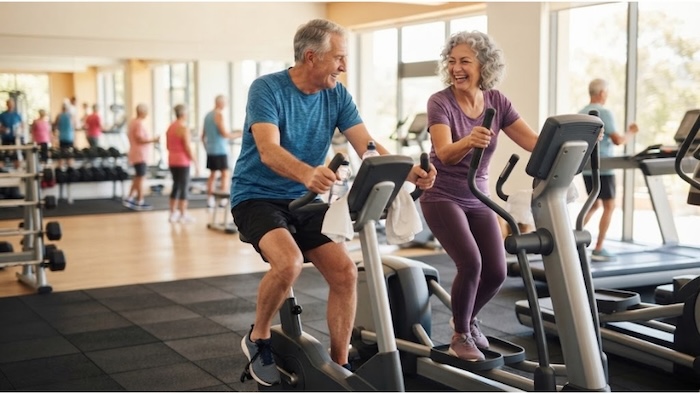
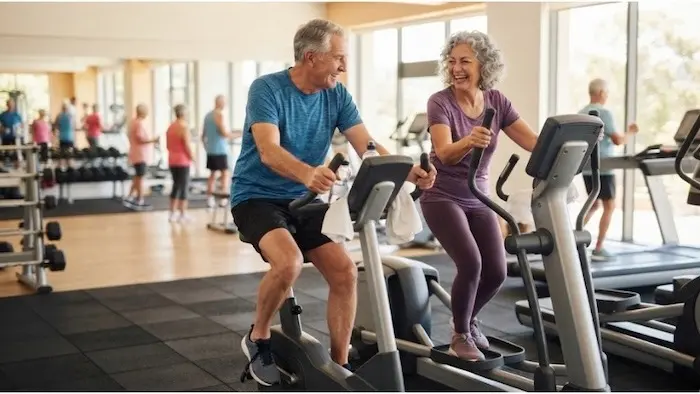
In addition to protecting physical mobility, cardiovascular exercise plays a vital role in neurological health by increasing blood flow and oxygen to the brain. When combined with targeted cognitive exercises, this holistic approach can help delay the onset of dementia and keep seniors mentally sharp. Organizations like the National Council on Aging (NCOA) heavily advocate for evidence-based programs designed to minimize fall risks and promote longevity, emphasizing that maintaining an active lifestyle is one of the most proactive steps an aging adult can take.
Which Gym Memberships Are Free With Medicare Advantage?
For care recipients enrolled in a qualifying Medicare Advantage plan or Medigap policy, fitness coverage typically falls under one of three major national programs. Each offers a unique network of participating locations, specialized classes, and supplementary tools tailored to the needs of older adults.
SilverSneakers remains the most widely recognized senior fitness program in the country. It provides unlimited free access to more than 17,000 participating gyms nationwide. This extensive network includes popular commercial chains like Planet Fitness and Anytime Fitness, as well as community fixtures like local YMCAs.
A major highlight for family caregivers is the program’s specialized class lineup, which features "SilverSneakers Stability," a curriculum specifically engineered to improve balance and prevent dangerous falls. Other offerings include classic aerobics, circuit training, and water aerobics classes, alongside an on-demand mobile application for home workouts. SilverSneakers also coordinates community classes in non-traditional spaces such as local parks, community churches, and senior centers. This flexibility is particularly valuable for older adults who might find a commercial gym setting intimidating or overwhelming.
Caregivers should note that major insurers periodically adjust their program partnerships. For instance, UnitedHealthcare transitioned away from SilverSneakers several years ago to launch its own exclusive program, Renew Active.

Renew Active, available exclusively to UnitedHealthcare Medicare Advantage members, boasts the largest national network with over 25,000 participating fitness locations. For caregivers primarily concerned about cognitive decline and brain health, Renew Active offers distinct advantages. The program goes beyond traditional physical fitness by incorporating specialized cognitive tools, including online brain-training resources designed to support mental acuity.
Silver&Fit, offered through a variety of regional and national insurers, provides access to more than 15,000 gym locations. For seniors who may be hesitant or physically unable to visit a public fitness facility, Silver&Fit stands out by offering alternative home fitness kits. Eligible members can have items such as resistance bands, yoga mats, and stability balls shipped directly to their homes, allowing them to maintain a safe exercise routine from the comfort of their living rooms.
Evaluating the Coverage Options
Navigating senior fitness benefits requires understanding how these programs differ in scale and availability. SilverSneakers maintains a broad network of over 17,000 locations and is featured across major insurers like Aetna, Humana, Anthem, and Cigna, making it a strong option for seniors seeking community-based classes outside traditional gym walls. Renew Active leads in network size with over 25,000 locations exclusively for UnitedHealthcare members, appealing heavily to those prioritizing brain-health tracking tools. Meanwhile, Silver&Fit covers more than 15,000 locations through select regional carriers and serves as an ideal alternative for older adults who prefer home-based workouts utilizing shipped equipment.
Checking eligibility for these programs is a straightforward and cost-free process, as beneficiaries are not required to pay enrollment or cancellation fees if the benefits are already integrated into their plan’s summary of coverage. Caregivers can easily verify these details during annual open enrollment periods by reviewing their plan documents or contacting their insurance provider directly.
As healthcare providers continue to emphasize preventative care, utilizing these fitness benefits represents a practical and accessible way to preserve mobility, enhance mental sharpness, and support independent living for aging loved ones.