It started with a look that has become all too familiar: a lingering stare, lips caught somewhere between a downturned pout and a sympathetic smile. Standing nearby, watching the interaction unfold during a breakfast date in Knoxville, Tennessee, the expectation was set for one of those standard, well-meaning yet condescending affirmations that often accompany the disability experience. Having already navigated the nuances of disability through Robert, expectations were high for the usual platitudes. Instead, what followed completely defied anticipation.
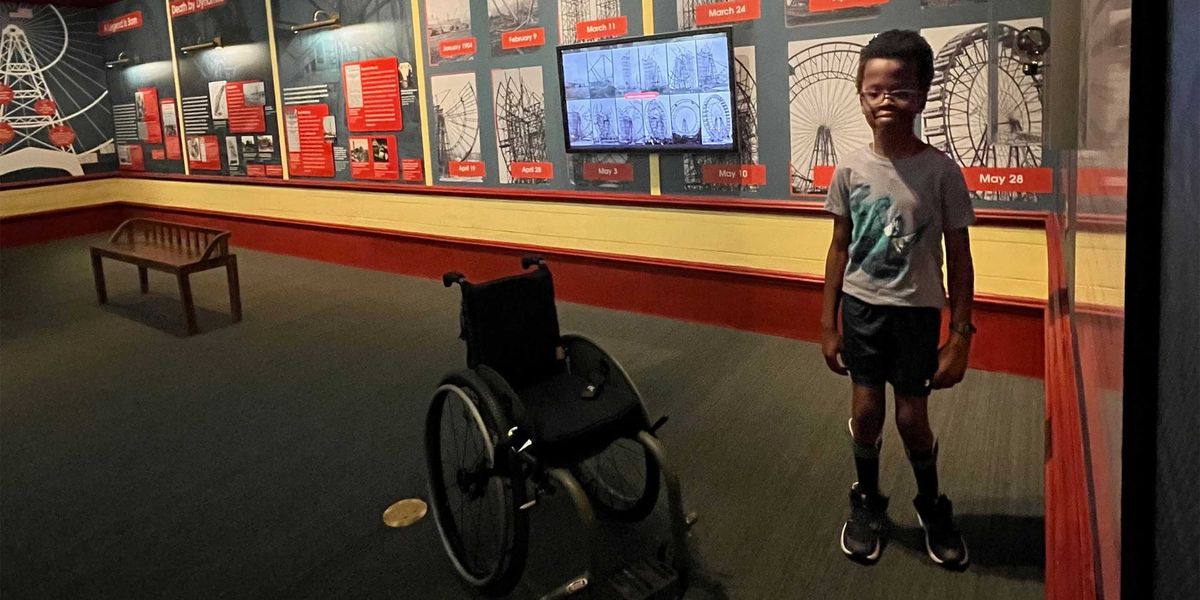
The morning was meant to be a quiet prelude to an afternoon at the Knoxville Museum of Art. Though only on their second in-person date—following a strong foundation built through a long-distance friendship—the couple was enjoying the unhurried joy of shared time. That atmosphere of ease was abruptly punctured when a restaurant staff member approached their table, expressing visible amazement that John was capable of managing his own meal and navigating the serving station to pour his own juice. The disbelief culminated in an exclamation so specific and startling that it left the table momentarily speechless: "He doesn’t even have a whole body!"
The sheer specificity of the remark paralyzed conversation in the moment. A suppressed grin, a curt nod of the head, and a swift retreat from the restaurant proved to be the only immediate defense. Stepping outside into the fresh air triggered the first of many shared bouts of laughter between the couple—a coping mechanism born out of recognizing the absolute absurdity of everyday ignorance. While such moments often elicit a classic teenage eye-roll from Robert, the shared humor serves as an essential parenting tool, helping to process the surreal nature of public encounters.
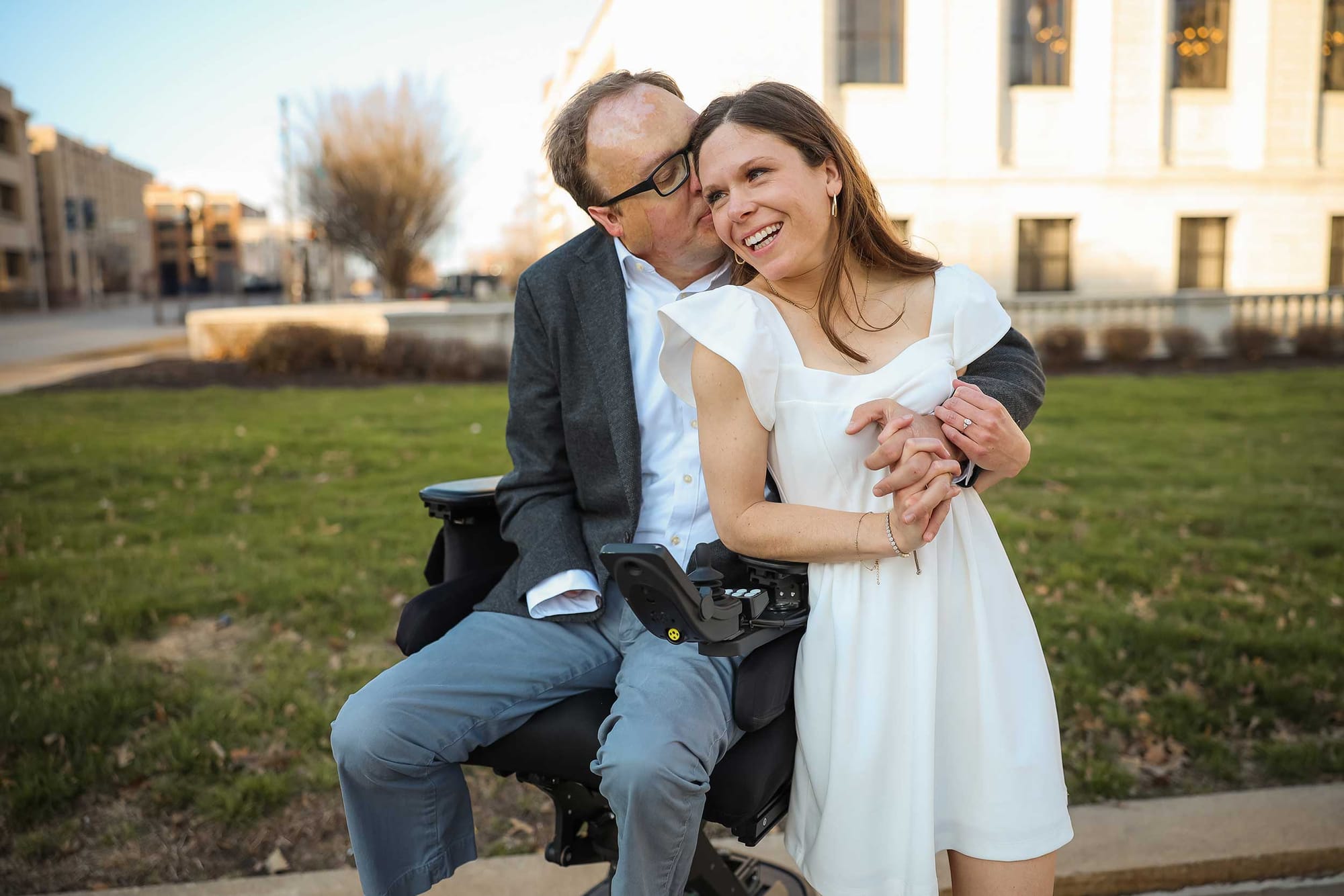
Reflecting on the interaction brings up lingering questions about how differently a similar situation might play out if Robert were the target, or how he might be expected to handle it. Guiding a child through the complexities of ableism is a continuous, mental exercise. It requires challenging deeply ingrained social conditioning that runs counter to how people normally learn to function in polite society. Uncovering these hidden biases and teaching a young person how to respond effectively forms one of the most recurring and vital conversations in their household.
Society heavily enforces certain rules of engagement. For instance, ignoring people is routinely labeled as rude, yet children with disabilities are often taught that walking away is a valid and necessary defense against intrusive, infantilizing, or dehumanizing comments. Similarly, people are conditioned to submit automatically to authority. To counter this, John actively models and practices how to prioritize personal needs while critically evaluating whether a claim to authority is actually valid.

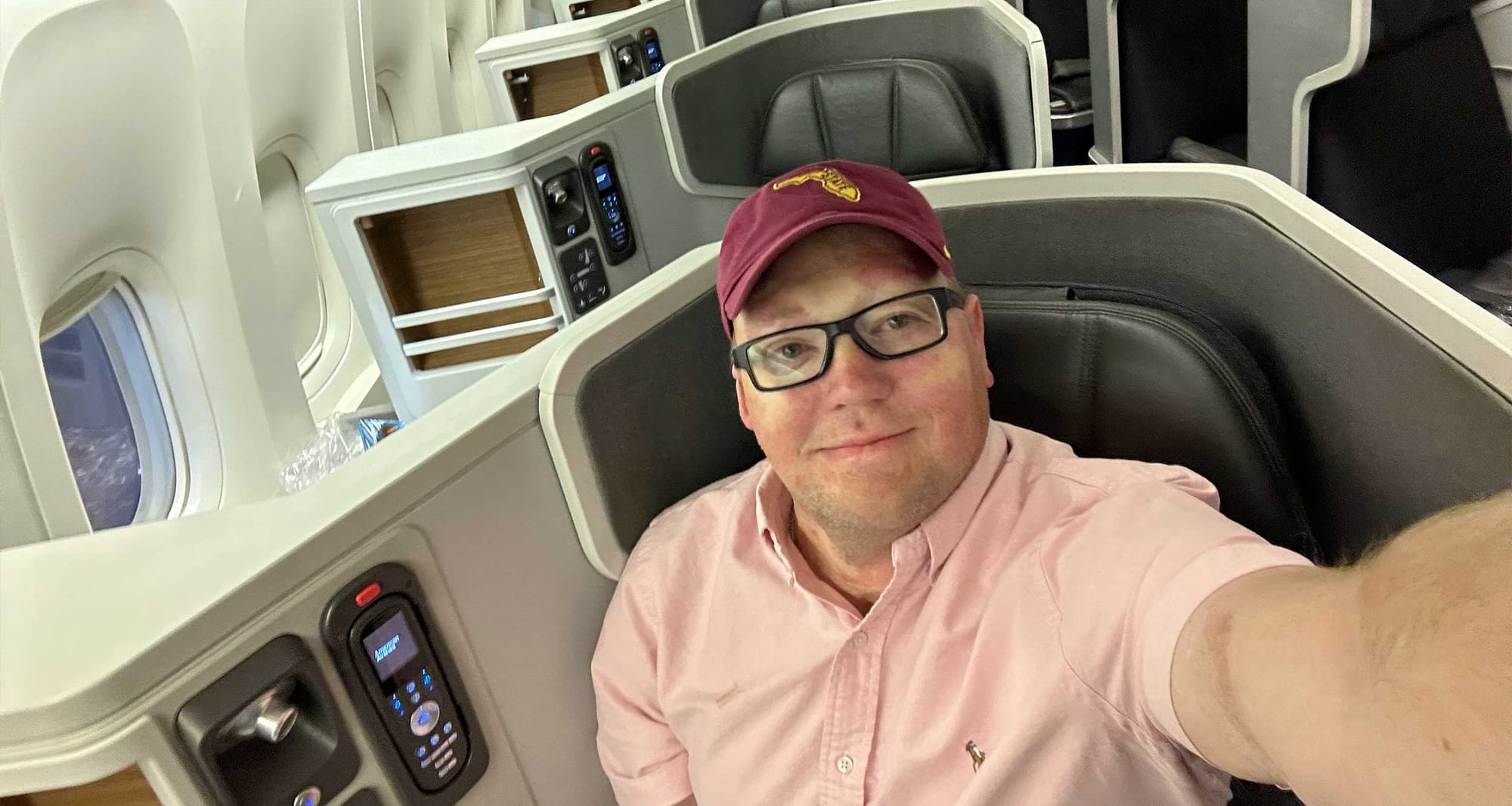
A prime example of this dynamic occurs frequently during air travel. Airline wheelchair assistance staff routinely demand that disabled passengers exit the aircraft before their personal mobility devices have been brought up to the jetbridge—a directive that John and Robert regularly and rightly decline. Challenging the overreach of airline gate agents and assistance staff is a recurring hurdle that requires steadfast boundaries, proving that blind compliance to questionable authority is never mandatory.
Public encounters also bring persistent demands for personal medical explanations regarding mobility aids and accommodations. To combat this invasive curiosity, the family relies on practiced, ready-to-use responses, such as a firm statement that personal medical information is not for public consumption. Likewise, while social etiquette dictates that receiving help must always be met with a polite "thank you," disabled children are frequently conditioned to express intense gratitude simply for receiving equal access. Instead of enforcing this forced indebtedness, Robert has been given the permission to pull away without a glance if an overzealous stranger attempts to grab his wheelchair without consent.
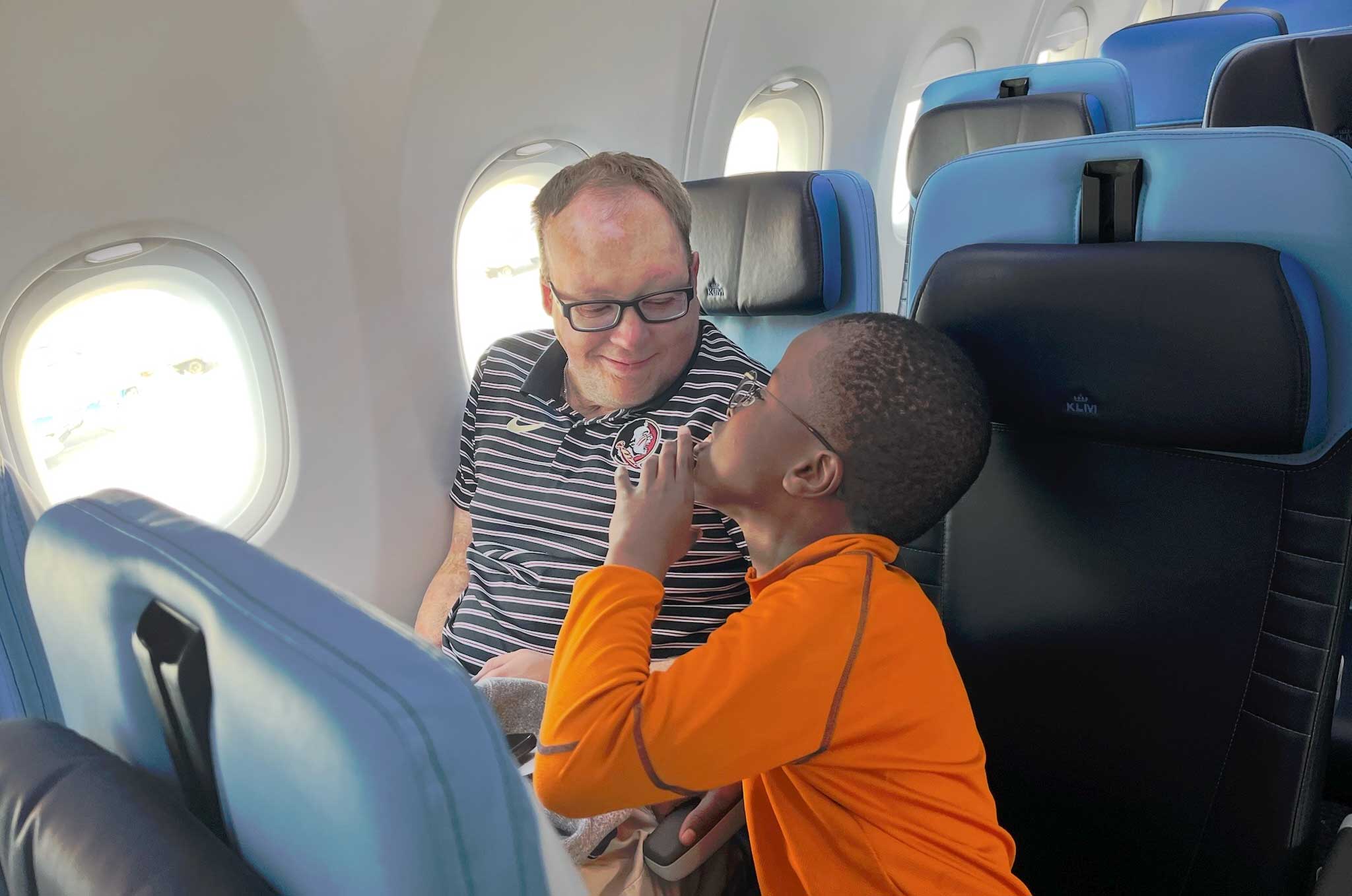
Honesty remains a foundational value within their home, with one notable exception: fabricating wildly exaggerated, humorous tales about how John or Robert acquired their disabilities. When faced with intrusive "What happened to you?" questions from strangers, John has occasionally shut down the inquiry by attributing his leg amputations to a dramatic shark attack.
Critics might argue that establishing a single, consistent response strategy for Robert—or denying him the agency to formulate his own reactions—might make social navigation smoother and reduce how he is perceived by the public. Yet, such an approach carries a severe cost. Evaluating future outcomes against present strategies reveals a stark choice: raise a teenager who blindly follows social rules and fits an unchallenging mold at the expense of his own dignity, or nurture a young person who may ruffle feathers but remains fiercely true to himself and capable of self-advocacy. For the family, the choice of the greater good is glaringly obvious.

Even so, tackling such a pervasive social justice issue on a personal, day-to-day basis is undeniably exhausting. To maintain focus without burning out, the family relies on specific mental shifts. Chief among them is reframing perspective. Dealing with ableism is remarkably similar to doing laundry; it is an ongoing cycle that is never truly finished. There are times when piles of clothes sit untouched for days, and other times when multiple loads are powered through in a single day, only for the clothes currently being worn to end up dirty once again. Recognizing this cyclical reality rather than chasing an impossible checkbox mentality brings a sense of balance. Success is not measured by the complete eradication of bias, but by the steady, ongoing effort of learning, practicing, and occasionally resting when energy runs low.
Discussion forms another cornerstone of their approach. Rather than searching for a single magic fix, the family focuses on collaborative problem-solving. Regular conversations involve asking questions like what can be learned from a specific encounter, what tactics worked, and how certain comments made Robert feel. Because a child’s emotional responses evolve with time and maturity, these ongoing debriefs keep the lines of communication open and adaptable.
Rehearsing responses in safe environments helps transform theory into practical skill. When recurring issues are identified, the family acts them out using stuffed animals, role-playing scenarios, or even drawing comic books to visualize desired strategies. Airplane boarding, for instance, long served as a high-stress environment where assistance staff routinely made unilateral decisions about mobility equipment without consultation. By discussing and practicing appropriate, respectful, yet firm pushback at home, the stress of high-pressure real-world encounters is significantly mitigated.
Ultimately, despite years of accumulating skills and strategies, navigating ableism still involves moments of hesitation and second-guessing. The pressure to constantly evaluate social interactions is heavy, and the appropriate response often shifts depending on variables such as age, race, gender, and the specific nature of a disability, all of which intersect with deeply entrenched societal assumptions. By combining advanced planning, open communication, and a willingness to try different approaches, the family continues to foster confidence, offering a practical blueprint for anyone learning to navigate the complexities of a less-than-accessible world.