Choosing the right medical alert system—frequently referred to as a personal emergency response system, or PERS—can ultimately prove to be a lifesaving decision for seniors and their families. With a sprawling array of devices and monitoring packages currently dominating the consumer market, finding a solution that balances round-the-clock reliability, ease of use, and everyday peace of mind requires careful evaluation. Whether caregivers are shopping for a traditional in-home unit to safeguard a relative during daily household routines or looking for a modern mobile device equipped with global positioning system (GPS) tracking to accommodate an active lifestyle, understanding the core features and potential pitfalls is more critical than ever.
Industry experts and family advocates consistently emphasize that selecting the proper emergency response equipment involves more than simply picking a recognizable brand name. Consumers must weigh critical factors such as hardware design, monitoring center response times, coverage radiuses, and hidden contract terms to ensure that a chosen device protects a vulnerable senior without sacrificing personal comfort or straining a household budget.
To help families navigate these complex purchasing decisions, technology specialists have outlined five essential questions regarding functionality, fall detection, monitoring services, overall costs, and wearability. By examining these key areas, caregivers can make informed choices that foster independence while maintaining a vital safety net.

Which Type of Medical Alert System is Right for Me? In-Home Versus Mobile
The foundational decision when shopping for a personal emergency response system centers on mobility and coverage range. Traditional in-home medical alert systems rely on a stationary base unit that connects either to a standard landline or a cellular network. These systems are specifically tailored for seniors who spend the vast majority of their time inside the house or the immediate surrounding property. Typically, users can wander anywhere from 800 to 1,400 feet away from the base station before the wireless signal drops. For many homebound individuals, this coverage is more than adequate, often extending far enough into the yard to tend to garden beds or retrieve the mail.
However, for active seniors who regularly drive to run errands, visit the pharmacy, or take walks independently, mobile and GPS-enabled systems provide a necessary bridge. These cellular-based pendants or smartwatches allow users to leave the house entirely without sacrificing emergency coverage. Equipped with built-in location tracking, they are particularly valuable for older adults who travel, spend time outdoors, or experience mild cognitive decline that might lead to wandering.
Hybrid options have also emerged to bridge the gap between stationary home units and mobile hardware. In recent real-world applications, such as a setup deployed for a resident in Spokane, Washington, advanced pendants link back to a central base station operating on a cellular network rather than an aging landline connection. This configuration proves especially useful in modern apartment buildings where traditional telephone jacks are frequently absent. These contemporary base stations often include built-in battery backups, ensuring uninterrupted operation during brief power outages, though users must remain mindful of accidental triggers that can prompt immediate dispatches from local emergency services.

Is Fall Detection Technology Included?
One of the most heavily debated features in modern personal emergency response technology is automatic fall detection. This specialized capability utilizes built-in motion sensors, such as accelerometers and gyroscopes, to recognize sudden physical impacts and rapid changes in elevation associated with a fall. When a fall is detected, the system automatically initiates an alert to emergency monitoring services, even if the user is unconscious, disoriented, or otherwise unable to press the physical help button.
While standard emergency alert buttons remain the industry baseline, they strictly require the user to manually activate the device during a crisis. Fall detection technology adds a vital layer of protection for high-risk individuals, though it typically incurs an additional monthly fee on top of the standard subscription cost. Consumers should also note that while dedicated medical alert pendants offer specialized fall-monitoring algorithms, similar motion-sensing technology is increasingly integrated into mainstream consumer electronics, such as modern smartphones and smartwatches.
Does the Medical Alert System Have Remote Monitoring Services and Fast Response Times?
The hardware is only as effective as the monitoring network behind it. When evaluating providers, families must closely examine the quality and reliability of the remote monitoring services. The ideal system features 24/7 professional monitoring staffed by trained operators who can quickly assess the situation and dispatch appropriate local responders.

Response times are a critical performance metric. Industry standards suggest that systems should boast average response times of under 30 seconds from the moment an alert is triggered. Furthermore, the underlying connection method matters significantly. Cellular-based monitoring connections generally offer superior reliability compared to traditional landline setups, as cellular units remain operational during severe weather events or residential power failures that might knock out standard phone lines.
What is My Total Cost and What Are the Contract Terms?
Financial transparency is a major consideration when integrating a medical alert system into a senior’s household budget. Total expenses typically involve a combination of upfront hardware costs and ongoing monthly subscription fees, which generally range between $20 and $50 per month depending on the selected features and level of monitoring.
Industry watchdogs strongly advise consumers to scrutinize contract terms before committing. Whenever possible, families should avoid long-term service contracts, opting instead for flexible month-to-month plans that allow for cancellation if the senior’s living arrangements or health needs change. Additionally, buyers must watch out for hidden fees, including activation charges, equipment restocking penalties, or extra monthly costs for premium add-ons like GPS tracking and automatic fall detection.

Is the Medical Alert System Easy to Use and Comfortable to Wear?
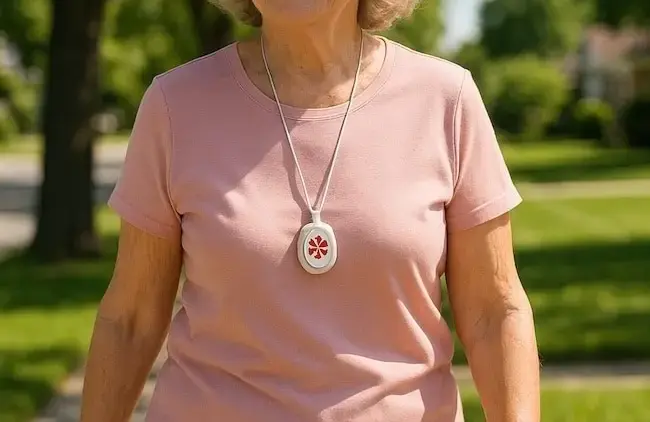
A medical alert device can only save a life if the user actually wears it consistently. Comfort and usability are therefore paramount when selecting a specific model. Pendants and wristbands must be lightweight, waterproof, and designed for all-day wear without causing skin irritation or physical strain. Form factor is equally important; devices that are excessively bulky can become uncomfortable on the wrist or cumbersome around the neck, leading seniors to take them off and leave them on a nightstand where they are inaccessible during an emergency.
For mobile hardware, battery life is a crucial performance indicator. Reliable mobile devices should maintain a charge for at least 24 to 48 hours before requiring recharging. In-home systems must offer straightforward installation procedures with clear, easy-to-read instructions for both seniors and their family caregivers, ensuring that the technology integrates smoothly into daily routines without causing unnecessary frustration.