Purchasing a medical alert system is widely recognized as a straightforward investment in personal safety and independence for aging adults, yet navigating the maze of payment options requires precise information. Many seniors and their family caregivers naturally assume that federal healthcare programs will automatically foot the bill for these vital safety devices. However, the operational reality of personal emergency response systems (PERS) is far more fragmented across government agencies and private insurers.
For families researching how to fund these technologies, coverage depends entirely on a senior’s specific insurance plan, state of residence, and veteran status. Understanding the shifting landscape of government programs, private insurance, and alternative financing has become increasingly critical as more older adults choose to age in place rather than move into assisted living facilities or nursing homes.
Government and private entities approach the coverage of personal emergency response systems through vastly different frameworks. While some programs view these devices as essential preventive tools, others maintain strict statutory exclusions that leave families entirely responsible for the costs.
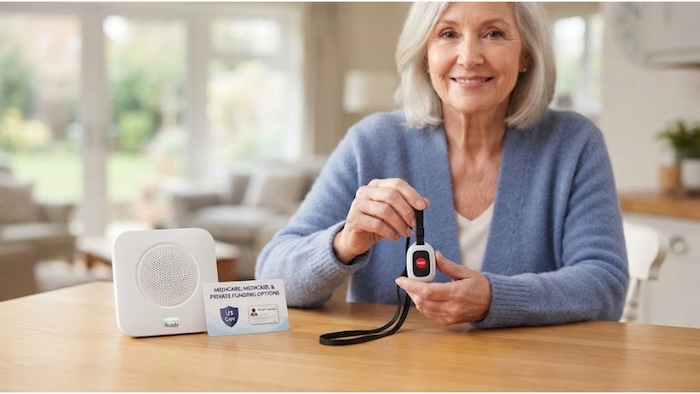
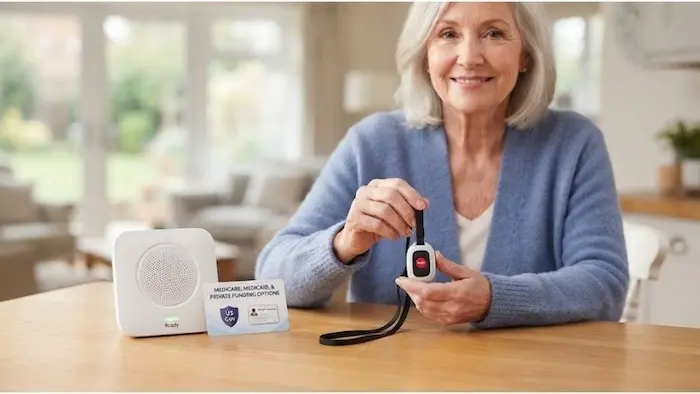
When examining Original Medicare, comprising Parts A and B, the answer for policyholders is definitively negative. The Centers for Medicare & Medicaid Services do not classify medical alert systems as Durable Medical Equipment. Because these monitoring devices are not deemed medically necessary under the strict statutory guidelines of Original Medicare, enrollees must pay one hundred percent of the equipment and monitoring costs out of pocket if this serves as their sole coverage.
The financial equation shifts when examining Medicare Advantage, or Part C, plans. Because these plans are administered by private insurance companies rather than the federal government, they possess the structural flexibility to offer supplemental health benefits. A growing number of Medicare Advantage plans cover partial or full costs for medical alert systems as a preventive measure designed to mitigate the risks of unassisted falls and prevent costly hospital readmissions. Seniors holding these policies must carefully review their specific Summary of Benefits document or contact their insurance provider directly to confirm whether a chosen device qualifies for supplemental reimbursement.
State-administered Medicaid programs offer a more robust avenue for coverage, though access remains highly conditional and geographically dependent. Under Medicaid’s Home and Community-Based Services waivers, numerous states cover the cost of medical alert systems specifically to help seniors age safely in their own homes rather than transition prematurely into institutional care facilities. Because Medicaid programs are managed at the state level, coverage rules, approved vendor lists, and eligibility thresholds vary widely. Seniors must apply directly through the specific waiver program operating within their state of residence. When approved, Medicaid programs typically remit monthly monitoring fees directly to the authorized vendor, though these arrangements may restrict the patient’s freedom to choose specific equipment brands or advanced technological features.
For military veterans, the Department of Veterans Affairs provides the most direct and reliable path toward obtaining full coverage for emergency monitoring technology. The VA supplies medical alert systems to eligible veterans at zero cost, removing the traditional burden of purchasing equipment upfront and seeking complicated reimbursements. To secure a system through the VA, a veteran must request a formal consultation with their primary care provider within the VA healthcare system. If the clinical provider determines that a medical alert system is medically necessary to ensure the veteran’s safety at home, the department orders the equipment directly from an approved federal vendor. Crucially, the VA absorbs both the initial equipment costs and the ongoing monthly monitoring fees for the duration of the service.

Families who do not qualify for government-sponsored assistance programs still have alternative avenues available to lower their out-of-pocket expenses. Flexible Spending Accounts and Health Savings Accounts can frequently be utilized to purchase medical alert systems on a pre-tax basis, depending on the specific administrative rules governing an employer-sponsored plan or individual account. Additionally, local community resources such as Area Agencies on Aging often maintain localized grant programs, charitable funds, or regional partnerships designed to help older adults acquire essential safety technologies.
The burden of caregiving is frequently exhausting, and fighting with bureaucratic insurance companies only compounds the stress experienced by family members. Original Medicare leaves caregivers unsupported in this arena, forcing families to navigate a complex maze of private Advantage plans, conditional Medicaid waivers, and VA procedures. Experts advise that families should research their coverage options long before a medical crisis or a serious fall occurs in the home. Proactive planning allows adult children and their aging parents to contact health insurance representatives well in advance to clarify whether modern medical alert systems are integrated into their specific policies.
When insurance companies issue formal coverage denials, families often turn to alternative funding mechanisms, utilize health savings funds, or coordinate with local aging resources to manage the out-of-pocket investment. For many older adults, a dependable medical alert system functions as a fundamental requirement for maintaining a secure and independent lifestyle at home. The recurring monthly cost of monitoring services is widely considered negligible when weighed against the devastating physical, emotional, and financial toll of an undetected medical emergency.