
The fall calendar of wheelchair-accessible group tours in Europe has officially drawn to a close, marking another successful season of exploration for Wheelchair Travel. Over the past several months, more than 30 travelers joined the group to experience some of the continent’s most celebrated destinations. From taking in the breathtaking vistas of the Swiss Alps to learning the delicate art of crafting authentic Italian pasta in Sicily, these recent journeys delivered unforgettable memories for all involved.
Even as the final autumn tours wrapped up, preparation for the upcoming travel season was already underway, with a brand-new group excursion to Scotland officially slated to go on sale to the public next week. Yet, the road leading to these triumphs was far from straightforward, punctuated by unexpected personal emergencies, chaotic transit logistical hurdles, and a broader industry-wide conversation regarding the fundamental rights of disabled travelers.
Facing the Unexpected and a Family Emergency
The autumn travel block originally promised a continuous stretch of group tours and side trips that would have kept travel writer and advocate John Morris away from home for well over a month. However, those plans shifted instantly upon receiving an urgent phone call: his son, Robert, was hospitalized and required immediate, unexpected emergency surgery.
Adhering to a strong family value of personal privacy, particularly concerning private health matters, details regarding the specific medical condition remain private. The overarching update, however, is a positive one. The surgery was a complete success, and Robert demonstrated remarkable strength and resilience throughout the ordeal, leaving his family deeply proud.
Following a week at home to support his family during the recovery process, Morris returned to Europe to resume his scheduled itinerary. The journey picked back up in London, England, where an entirely different kind of emergency awaited—one involving a missing passport, frantic airport searches, and a temporary state of logistical limbo.
Temporarily Trapped in London
The itinerary began with a flight from the United States to London, where Morris planned to catch a connecting, same-day Eurostar train to Cologne, Germany, for his first-ever visit to the city. Those plans unraveled upon reaching the Eurostar check-in desk at London’s King’s Cross-St. Pancras Train Station, when a check of his bag revealed a startling absence: his passport was gone.
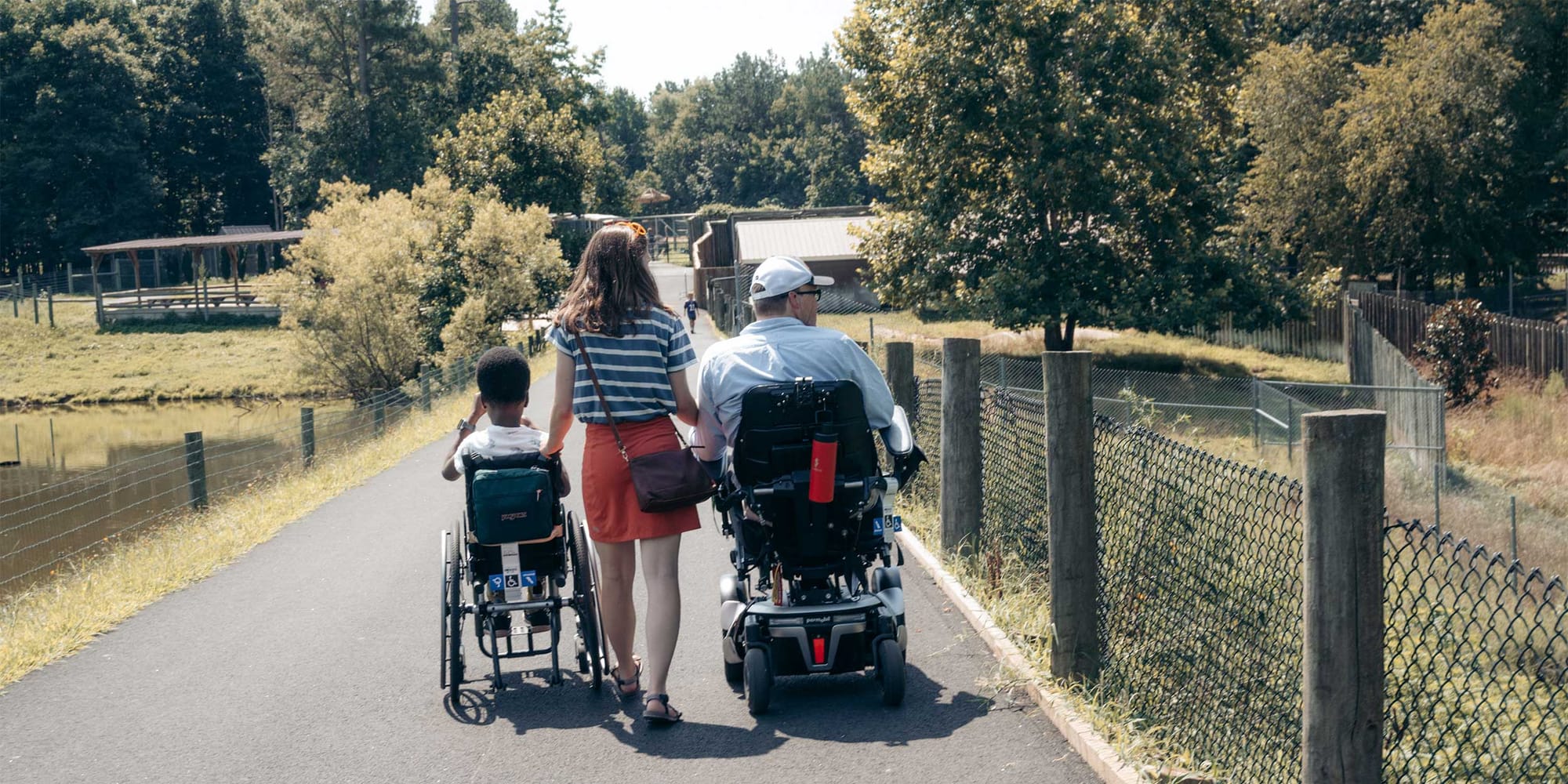
A frantic search ensued, covering every conceivable location—through carry-on bags, the tight crevices of his power wheelchair, nearby restrooms, and the cafe where he had recently ordered coffee. Ultimately, he was forced to retrace his steps back to Heathrow Airport.
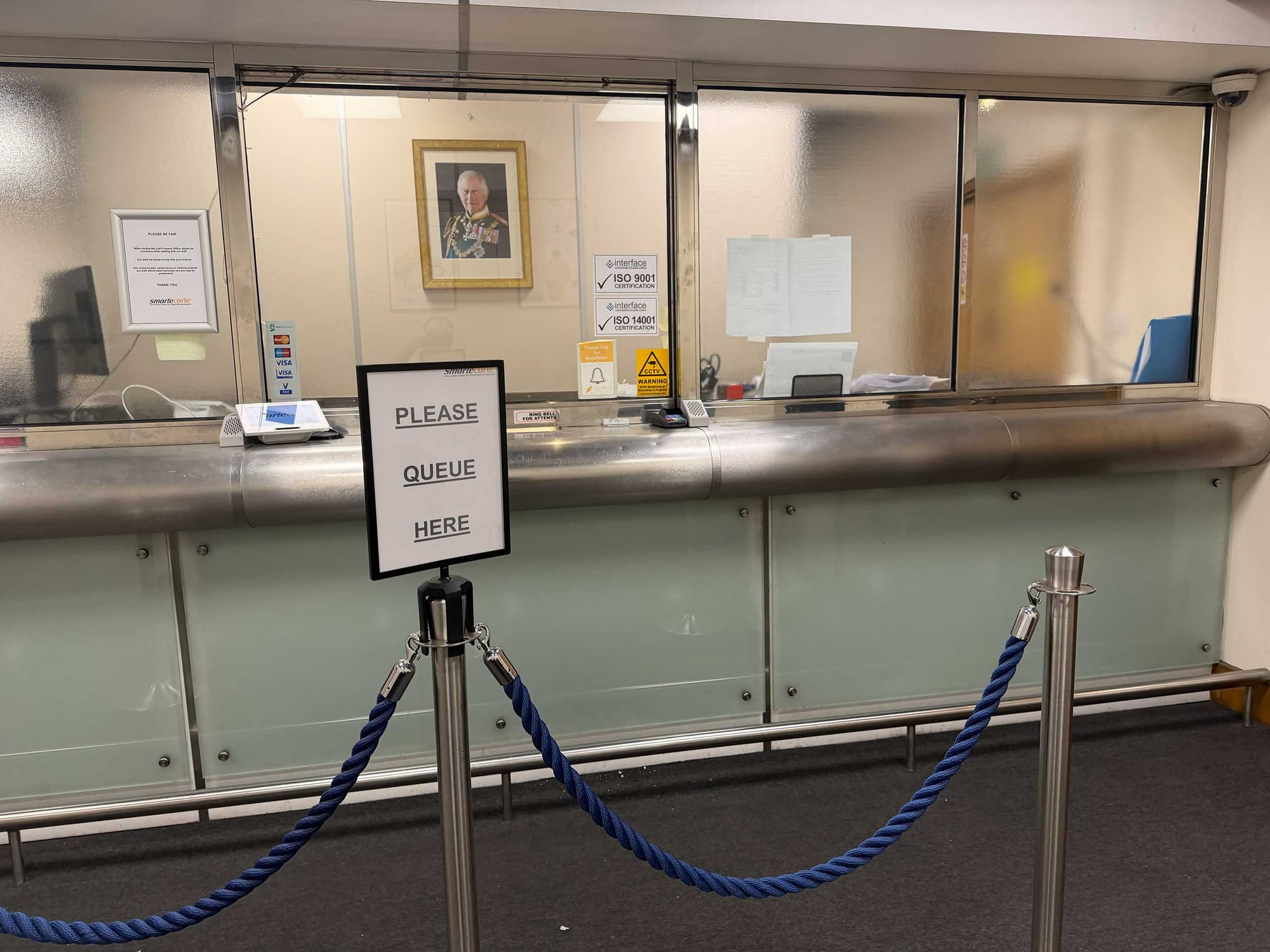
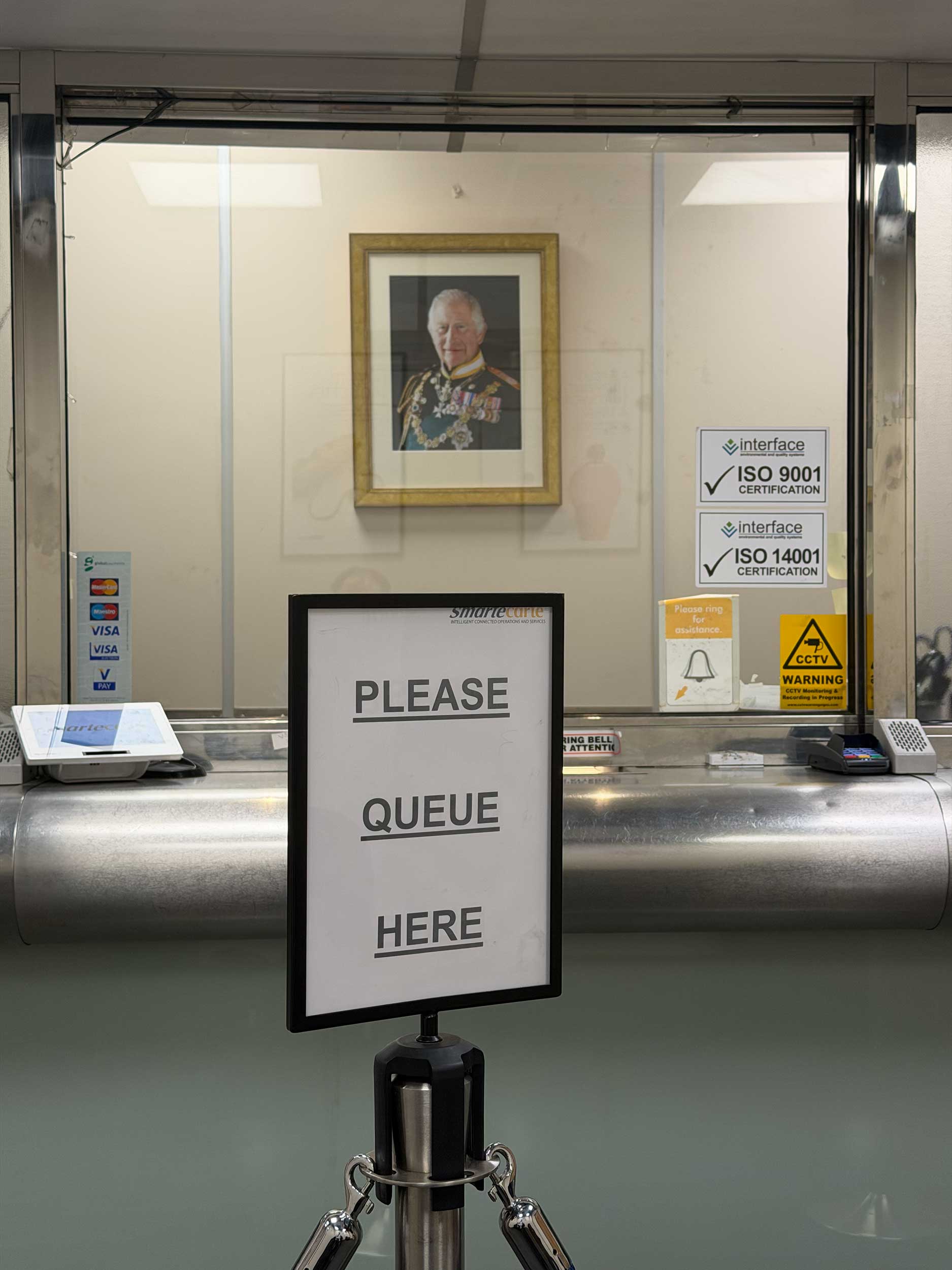
After filing official lost item reports with both the airport and Transport for London, Morris joined the queue at Heathrow’s lost and found office. Staring in silence at a framed portrait of King Charles while awaiting assistance, he received the predictable, disheartening news that no one had turned the document in. Compounding the stress, it was a Saturday, meaning the United States Embassy was closed until Monday. Even if it had been open, the emergency passports issued under such circumstances are typically not accepted at the French border, a crucial checkpoint for Eurostar passengers departing from London.
With his train to Cologne missed and the realization setting in that he would be spending at least one night stranded in London, Morris made a final, speculative stop at the American Airlines check-in desk. Though confident he had not left the document on the aircraft—having used it successfully at U.K. immigration—he hoped a desk manager might offer some guidance.
Approximately twenty minutes later, a manager emerged with a passport in hand, calling out his name. As it turned out, the passport had slipped onto the floor near the baggage carousel. Someone had found it containing his boarding passes and handed it over to an American Airlines agent who had not yet processed it into the formal lost-and-found system.
While acknowledging the incident as an amateur mistake that can happen even to seasoned travelers, the experience underscored the absolute vulnerability of becoming temporarily undocumented, stateless, and unidentifiable while abroad.
Amid the travel disruption, Eurostar’s customer policies offered a welcome silver lining. The rail operator permits free ticket changes up to one hour prior to departure with no exchange fees, requiring passengers to cover only potential fare differences. This flexible policy allowed Morris to reschedule his departure multiple times without financial penalty.
Door Ajar on the Eurostar and a Bad Merger
With his passport successfully recovered and a restful night’s sleep in London behind him, Morris resumed his journey the following day, traveling via Brussels, Belgium, toward Cologne.
The first leg of the trip aboard the Eurostar from London to Brussels met high accessibility standards, featuring a spacious train interior and a large, fully accommodating bathroom designed for power wheelchair users. Unfortunately, that standard of accessibility did not extend to the connecting train operating the route from Brussels to Cologne.
In 2023, Eurostar and Thalys, two of Europe’s largest high-speed rail operators, officially completed their corporate merger. While European high-speed rail networks generally boast strong accessibility frameworks, the specific TGV train sets deployed on former Thalys routes—such as the Brussels-to-Cologne corridor—fall severely short. The corridors are exceptionally narrow, the designated "accessible" cars feature only a single wheelchair space, and the onboard restrooms are physically too small to accommodate a wheelchair inside, forcing passengers to contend with partially open doors during use.
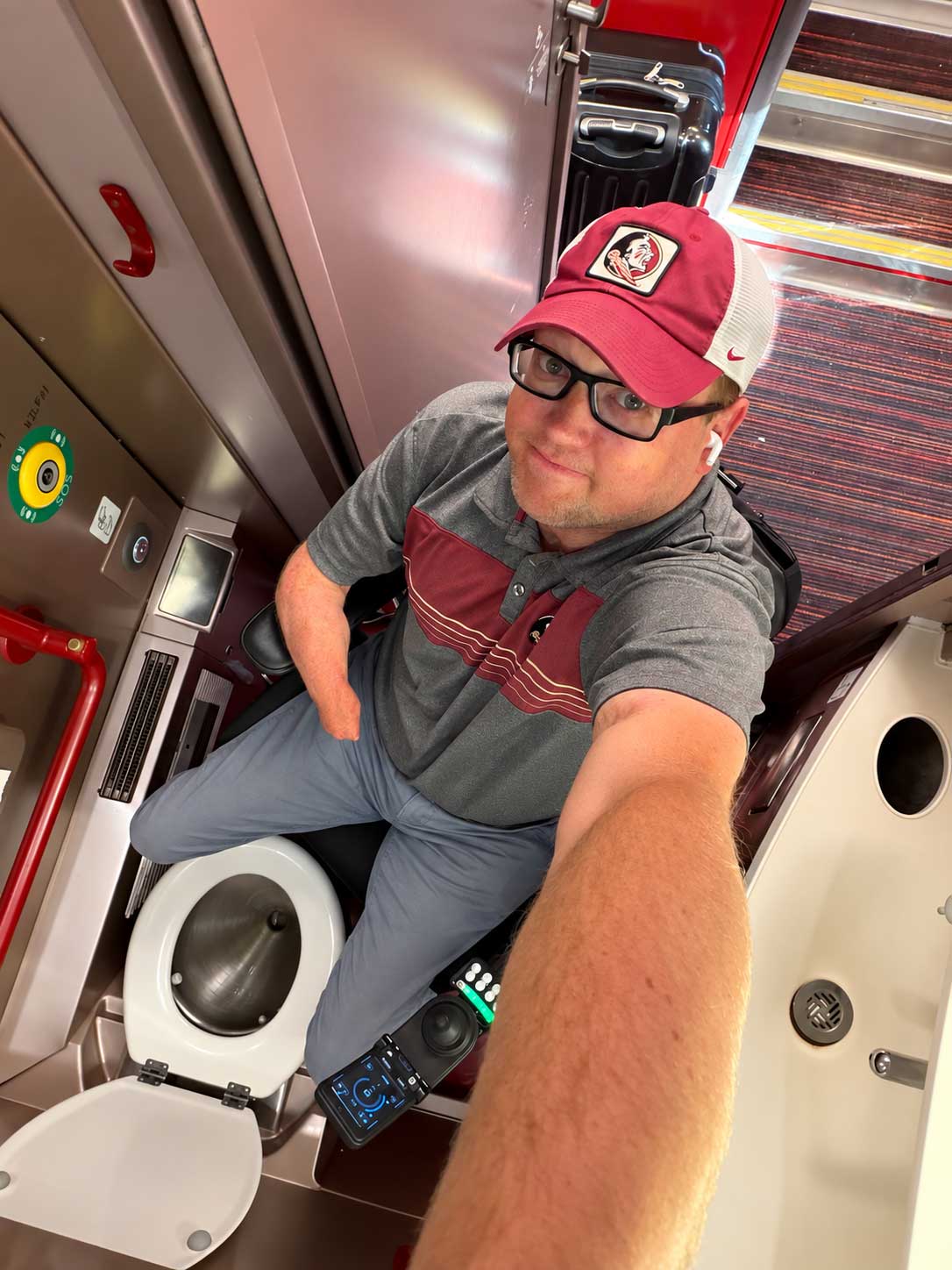
For travelers accustomed to the highly accessible Eurostar services connecting London to Amsterdam, Brussels, or Paris, encountering these restrictive train designs serves as a jarring disappointment. The lack of a consistent, reliably accessible experience across all integrated routes highlights an ongoing challenge for the unified Eurostar brand.
Trainspotting and Railbuffing in Wuppertal, Germany
Because of the initial travel delay in London, Morris’s planned stay in Cologne had to be cut short, leading to an immediate transfer to a Deutsche Bahn train for a 45-minute journey to a destination long featured on his personal travel bucket list: Wuppertal, Germany.
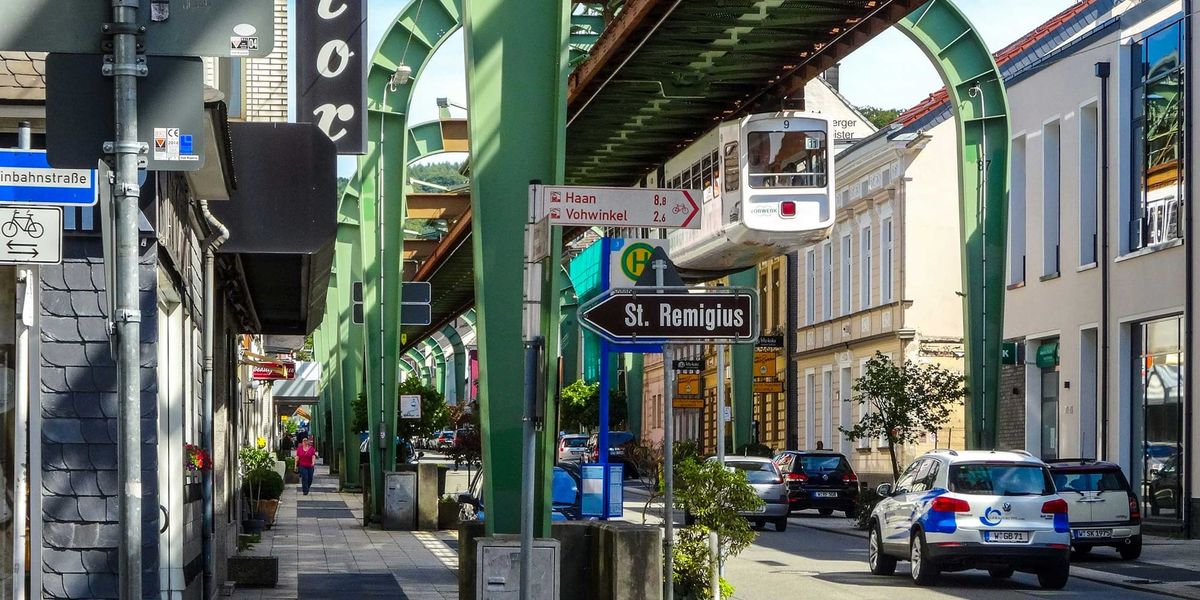
While Wuppertal has begun drawing increased attention from international tourists, it remains relatively under the radar for mainstream travelers. The city’s crown jewel is its historic Schwebebahn, an iconic suspended railway that earlier this year celebrated 125 years of continuous operation. Historically recognized as an industrial powerhouse, Wuppertal is also notable as the birthplace of Friedrich Engels, the philosopher who co-authored The Communist Manifesto alongside Karl Marx.
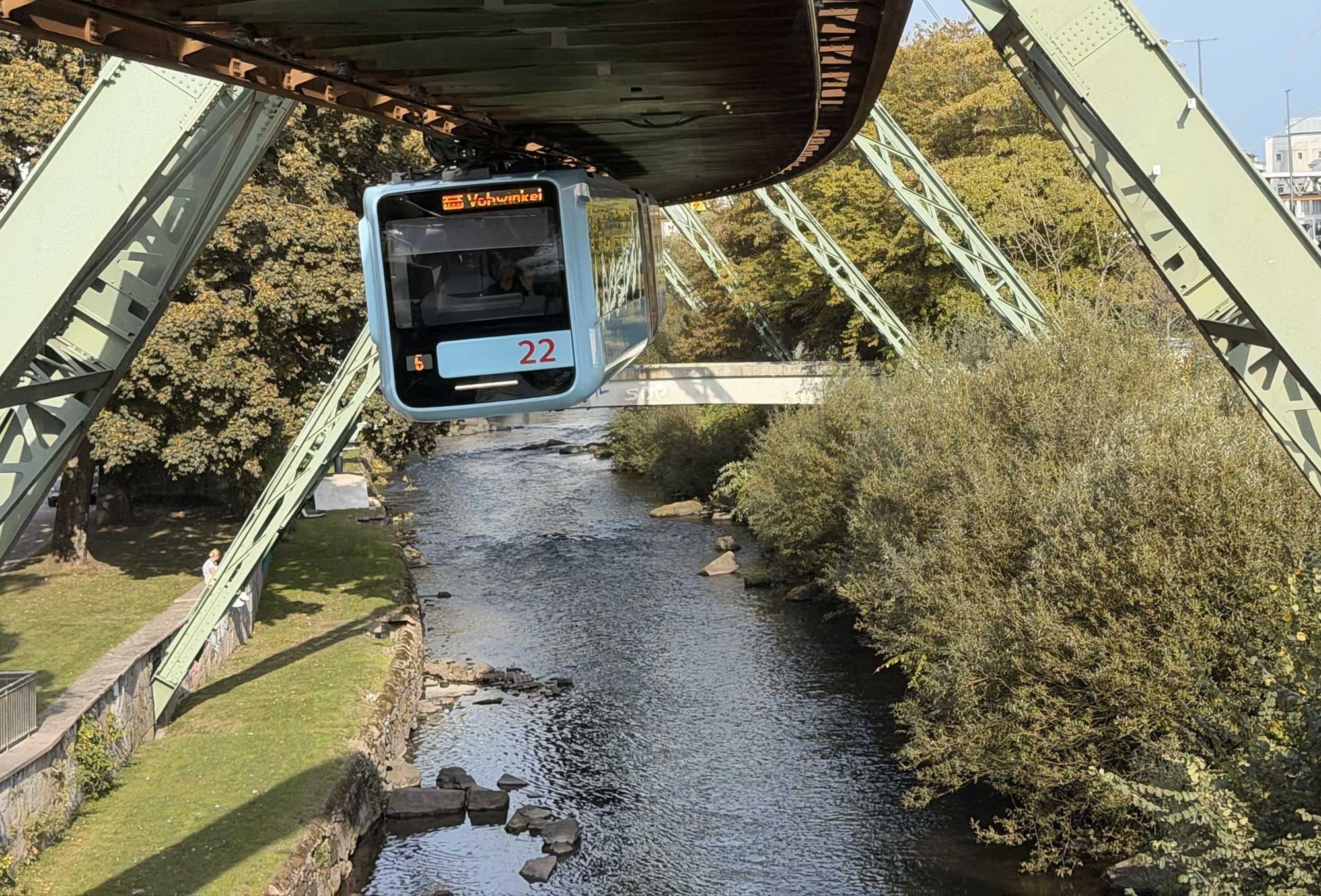
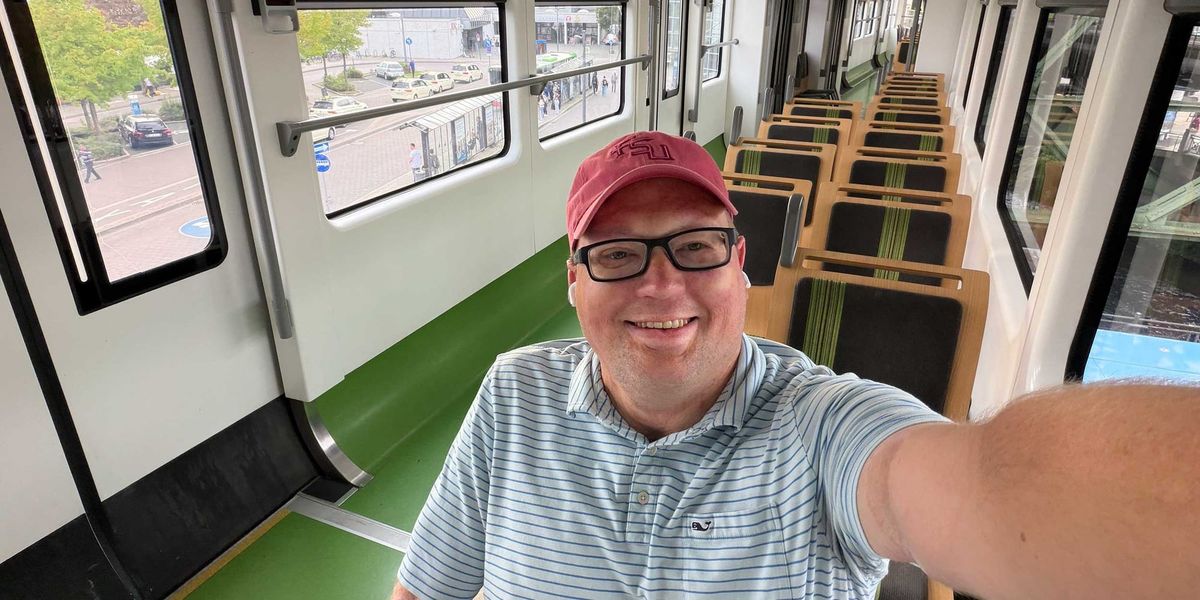
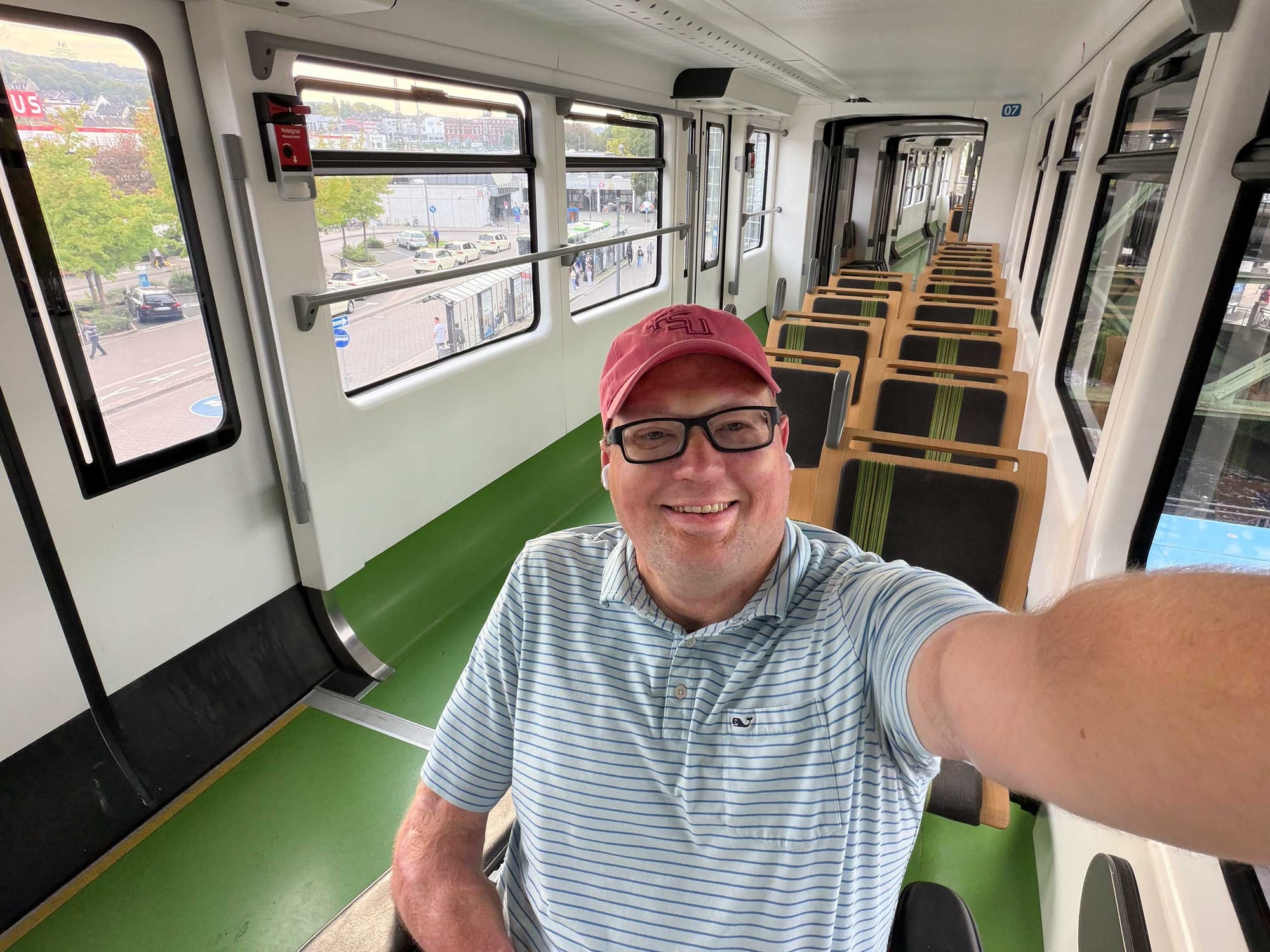
As an enthusiast of public transit infrastructure, Morris dedicated his time in Wuppertal to thorough exploration, riding the historic suspended railway end-to-end in both directions, capturing extensive photography and video documentation, and picking up a commemorative 125th-anniversary t-shirt. The destination also houses the Wuppertal Green Zoo, praised as a standout example of accessible animal park design.
Coming Soon: Wheelchair Travel Group Trip to Scotland
Looking ahead to the upcoming travel calendar, Wheelchair Travel Tours has officially announced its next major international group itinerary: a comprehensive tour of Scotland scheduled for the summer of 2027.
The 11-day tour will take place from June 6 to June 16, 2027, offering participants an immersive exploration of Scotland’s historic cities, including Edinburgh, Glasgow, and Inverness. The itinerary is designed to highlight the country’s rich history, art, culture, and culinary traditions through a fully wheelchair-friendly framework.
The complete tour itinerary is scheduled for release exclusively to paid newsletter subscribers, granting them an early three-day private booking window. If remaining spaces permit, registration will subsequently open to free subscribers.
Itzhak Perlman and ADA Hotel Room Reservations
The logistical hurdles of modern travel extend far beyond public transit, striking at the core of the hospitality industry. Renowned violin virtuoso Itzhak Perlman recently shared a frustrating experience on social media following a concert performance in North Bethesda.
Upon arriving to check in at a prominent hotel where he had confirmed an accessible room six months prior, Perlman presented his identification and credit card, only to be told after a ten-minute wait that his guaranteed room had been given away. With no alternative solutions offered by hotel staff, Perlman was forced to search for accommodations several miles away, ultimately securing a room with the assistance of his accompanying concert promoter.

The incident is part of a broader, persistent pattern faced by travelers with disabilities. Confirmed accessible rooms represent a vital commitment rather than a mere preference or luxury; for disabled guests, physical accessibility is an absolute necessity.
Under Americans with Disabilities Act (ADA) regulations, hotels are legally mandated to guarantee that guests receive the specific accessible room type they reserved, covering specifications such as bed configurations and bathroom fixtures. Despite these legal protections, enforcement lapses remain common.
Coincidentally, Morris encountered a remarkably similar situation just weeks prior during his stay in Wuppertal, Germany, where a hotel mistakenly gave away his reserved accessible room, requiring a hurried relocation to a nearby property. While the ADA does not govern international hospitality properties outside the United States, the resulting disruption and frustration remain universal.
On a more positive note, the challenges of accessible hospitality stand in contrast to brighter travel encounters, such as Morris’s 2018 meeting with Perlman following a performance in Dallas, Texas—a reminder of the shared community and memorable moments that continue to drive the advocacy for universal travel access.
Looking Ahead
With the autumn travel season concluded, the immediate schedule focuses on editorial catch-up and newsletter publishing from home. Upcoming features will include photographic highlights from Switzerland, followed by a trip to Tallahassee, Florida. There, Morris will attend a collegiate sporting event and speak before business school students at Florida State University, sharing key insights on the economic value and social importance of accessibility with future corporate leaders.
The Florida itinerary will also include a stop in Tampa for the annual TravelAbility Summit. Having served on the conference’s advisory board since its inception, Morris will connect with representatives from major international airlines, hotel chains, cruise lines, and destination marketing organizations to continue advancing the mission of inclusive global travel.