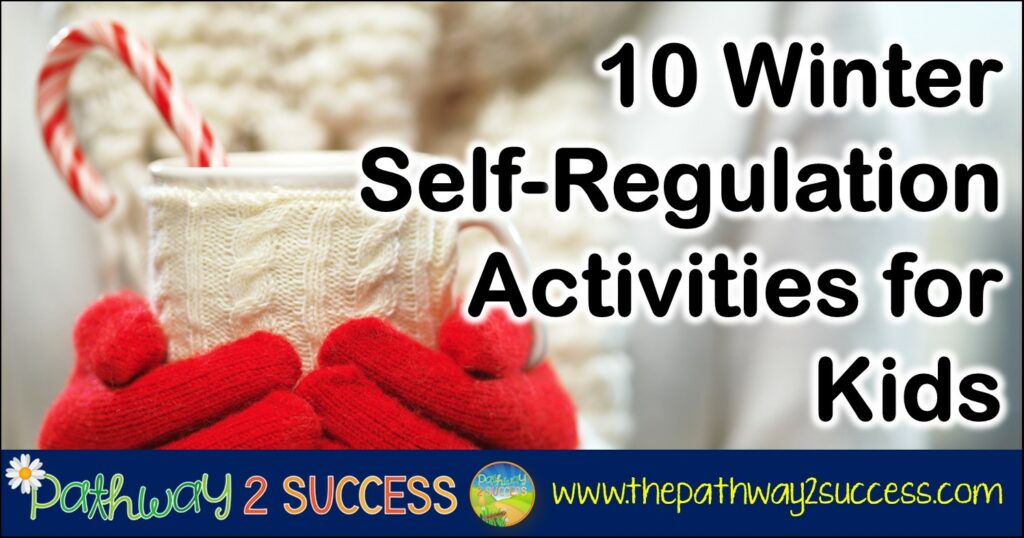
As the winter season settles in and communities face the unique disruptions of holiday breaks, shifting daily routines, and extended periods of indoor confinement, educators and child development specialists are placing a renewed focus on a critical developmental skill: self-regulation. Defined as the ability to effectively manage thoughts, feelings, and behaviors, self-regulation enables children and young adults to navigate everyday emotions, maintain focus on tasks, and foster positive social connections. While foundational throughout the entire year, these strategies become acutely vital immediately before and after winter breaks, when children frequently require extra emotional and behavioral support.
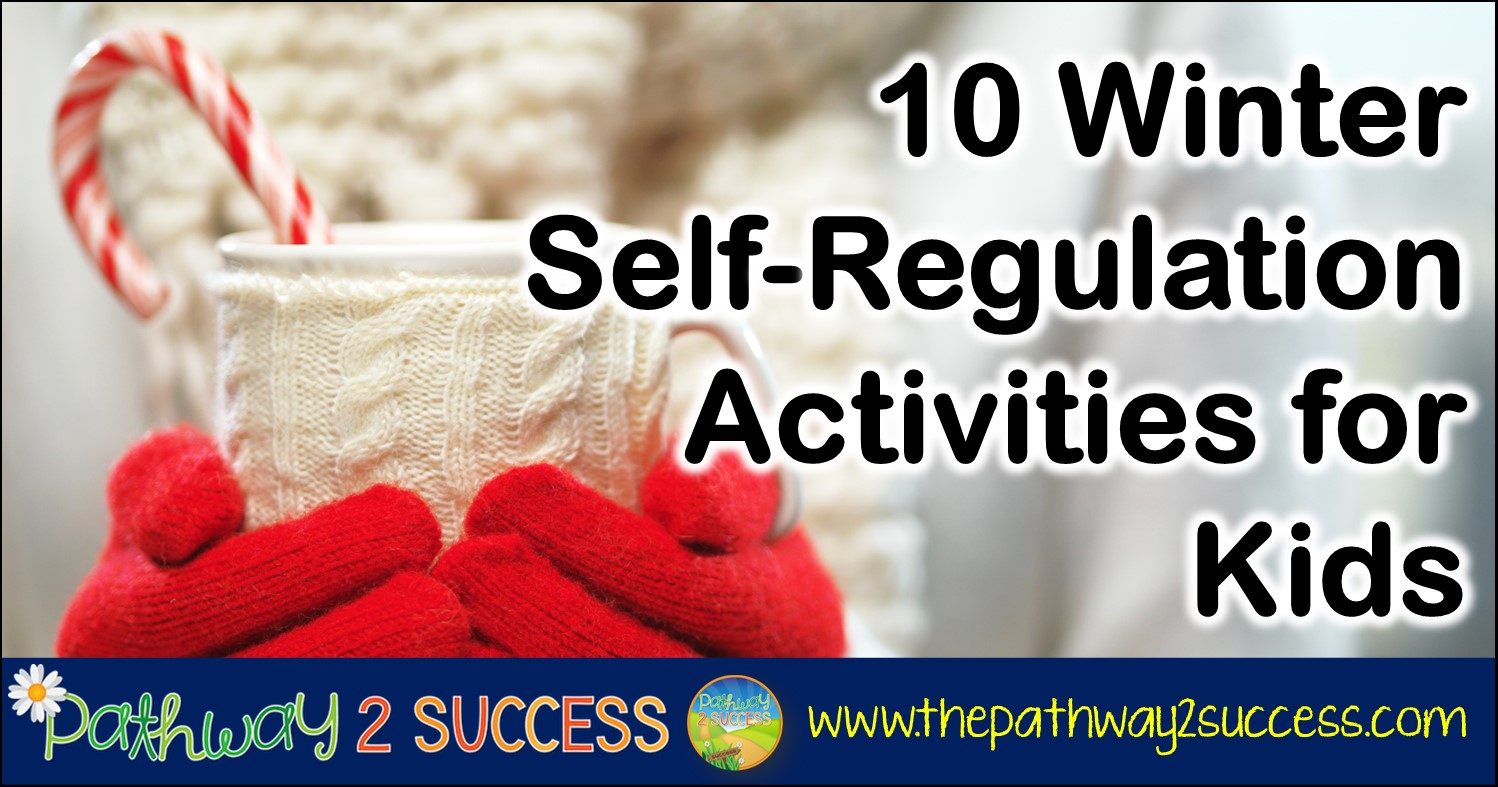
The challenge for educators and parents lies in delivering this support without making it feel like a chore. Experts emphasize that practicing self-regulation skills can and should be an engaging, enjoyable experience. To address this seasonal need, a comprehensive collection of ten interactive activities has been introduced to help kids and teens build and strengthen their self-regulation capacities during the colder months, blending evidence-based mindfulness techniques with seasonal creativity and play.
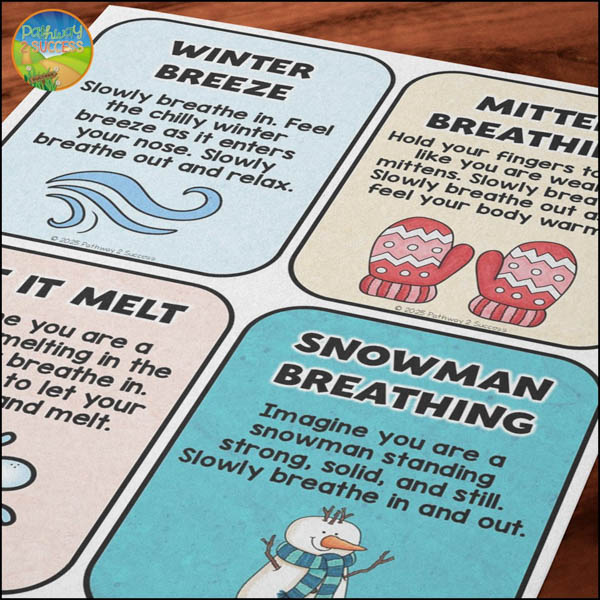
At the core of many emotional management programs are winter breathing exercises. By focusing on intentional inhales and exhales, children learn to utilize deep breathing as an effective cognitive pause button. Instead of reacting impulsively to immediate feelings or stressors, youngsters can slow down their physiological responses to achieve a sense of calm, relaxation, and renewed focus. Scientific research underscores the physiological mechanism behind this approach: mindful breathing activates the parasympathetic nervous system, the bodily network responsible for rest and recovery. Countless studies have consistently demonstrated that intentional breathing supports self-regulation, enhances concentration, and generates an overarching sense of tranquility that can be deployed at any moment.
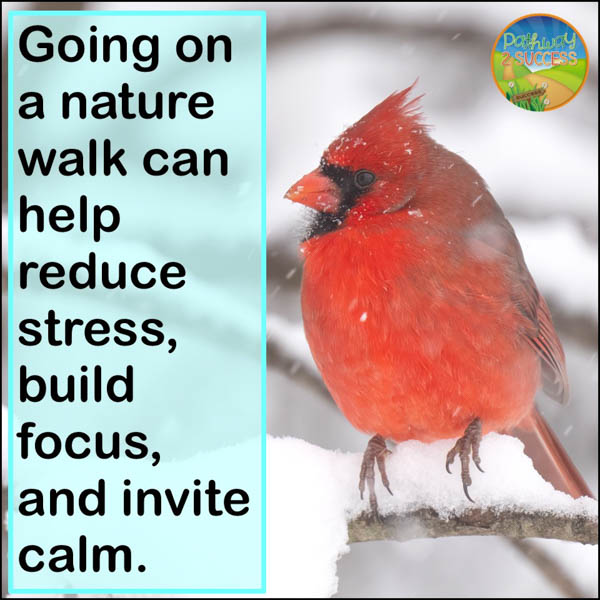
When weather permits, outdoor nature walks provide another powerful avenue for cultivating mindfulness and emotional balance. Such excursions involve structured exploration where participants tune into their immediate sensory surroundings, noting what they see, feel, hear, smell, and taste in the present moment. Whether it is observing a hawk soaring through the air or feeling a brisk breeze against the skin, getting outdoors encourages physical exercise and increases exposure to winter sunshine—elements known to boost mood. Research indicates that spending time in nature substantially reduces stress, strengthens attention spans, and improves overall emotional well-being, serving as a practical antidote to cabin fever.
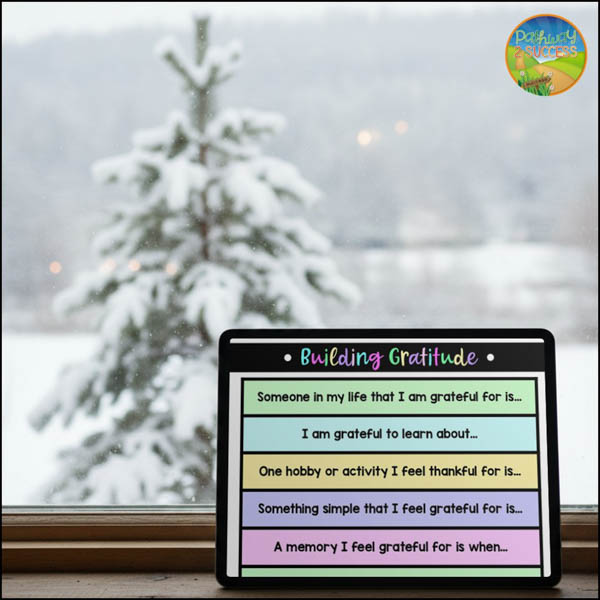
Reflection and appreciation also play a significant role in seasonal emotional health through winter gratitude exercises. By taking time to articulate what they are thankful for—ranging from hot cocoa and seasonal holidays to the simple warmth of winter sunshine—children are encouraged to look beyond surface-level observations and deepen their emotional awareness. Journal writing and structured sharing sessions allow students to process these feelings creatively. Scientific literature confirms that practicing gratitude actively rewires neural pathways to emphasize positive stimuli, yielding tangible benefits such as reduced stress, elevated moods, enhanced resilience, and improved sleep quality.
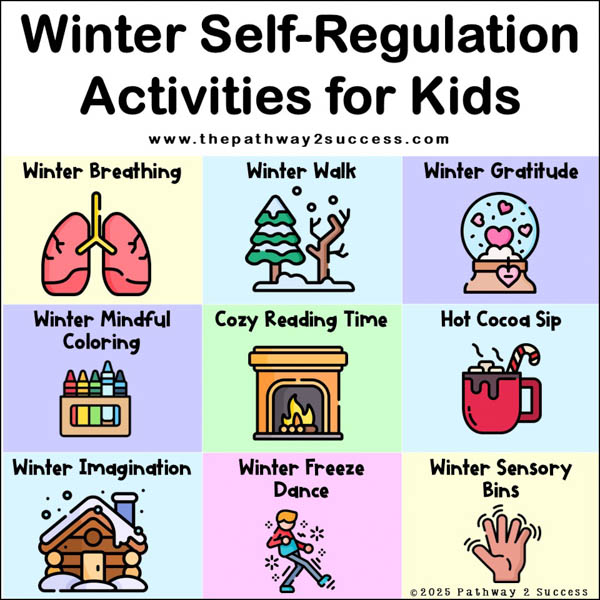
For children who process emotions better through tactile or creative outlets, options like mindful winter coloring offer a constructive bridge between focus and relaxation. Utilizing coloring pages paired with positive self-talk phrases allows students to slow down their breathing without requiring the absolute stillness associated with traditional meditation. This makes coloring an ideal strategy for youngsters who naturally require physical movement. Evidence suggests that mindful coloring successfully lessens anxiety and improves mood by offering a structured, low-pressure creative outlet.
Similarly, cozy reading time introduces a powerful medium for relaxation and interpersonal connection. Whether children immerse themselves in independent silent reading or participate in a group read-aloud led by an adult, books provide a healthy mental escape from daily stressors. Studies show that reading actively lowers stress levels, eases muscle tension, enhances empathy, and promotes long-term well-being. Furthermore, shared reading experiences foster co-regulation, reinforcing social bonds within a group setting.
Hands-on tactile experiences are further expanded through winter sensory bins. By filling large containers with safe, winter-themed materials, educators provide a tactile environment that naturally encourages mindfulness, curiosity, and calm. This form of sensory play simultaneously supports fine motor skill development and narrative imagination, giving children a grounding physical anchor during emotionally turbulent transitions.
Culinary mindfulness is another accessible strategy, highlighted by the simple act of sipping hot cocoa. Transcending a mere seasonal treat, enjoying a warm beverage can become an active mindfulness exercise when participants consciously focus on holding the warm mug, inhaling the sweet aroma, and mindfully tasting each slow sip. This deliberate pacing helps quiet active minds while the warmth of the drink physically relaxes muscles, sending biological signals to calm the central nervous system.
When physical access to the outdoors is limited, winter imagination exercises offer an internal alternative. Guided visualization prompts invite children to close their eyes and mentally construct relaxing winter scenes, engaging all five senses to imagine the sights, sounds, and textures of peaceful snowy landscapes. Visualization trains the brain to shift physiological states toward relaxation by anchoring awareness in a soothing mental image.
Creative expression continues through hands-on winter crafts, where participants engage their fine motor skills and creative faculties in structured art projects. Whether following direct instructions or exercising free-form creativity, young learners practice essential self-regulation as they sustain attention, follow multi-step processes, and navigate the emotional hurdles that arise when creative outputs do not go entirely as planned.
Auditory environments are similarly leveraged through the intentional playback of winter-themed music. Gentle instrumental tracks, particularly those featuring piano or guitar, help establish a calm atmosphere during classroom transitions or independent work periods. Combined with guided listening exercises where students visualize winter imagery, music serves as a potent trigger for the human relaxation response.
Finally, active games like the winter freeze dance merge physical movement with behavioral control. By allowing children to dance freely to music and requiring them to instantly freeze upon hearing specific seasonal vocabulary words, the activity tests and strengthens self-control. Participants practice careful listening, body management, and rapid shifting between dynamic movement and absolute stillness.

As families and educators navigate the complexities of the winter season, these diverse, evidence-based strategies offer a robust toolkit for supporting children’s emotional resilience and well-being, ensuring that the colder months remain a time of growth, connection, and calm.