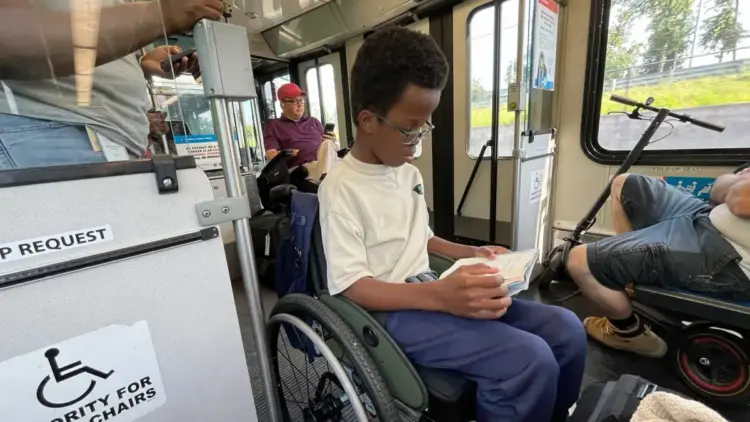
The regular schedule of the Wheelchair Travel Newsletter is set to resume next week upon the return of John from leading group trips in Europe, an excursion that will soon be followed by the announcement of a brand-new Summer 2027 tour. Ahead of those updates, recent reflections on transit delays, waiting at boarding gates, and hours spent on trains have brought to light an essential travel companion: a good book. As part of an upcoming feature exploring boredom busters for young travelers, reading remains a cornerstone family activity. With nightly reading habits and nearly five years spent in a dedicated book group with close friends, the value placed on literature within the household remains high.
The family’s relocation to St. Louis has brought them to a grand, historic public library building that encapsulates the traditional atmosphere of a literary haven. Inscribed on the exterior of the St. Louis Central Library are historic quotes about the value of reading, including words from Andrew Carnegie: "I choose free libraries as the best agencies for improving the masses of the people because they only help those who help themselves. They never pauperize. A taste for reading drives our lower tastes."
Inspired by this new environment and a longstanding passion for introducing others to meaningful stories, a curated list of top disability literature has been compiled. Spanning hundreds of books read over the years, the selection highlights four standout titles within loose age groupings, ranging from early childhood picture books to complex memoirs for adults.
Early Childhood Picture Books
Among the early childhood selections is What Happened to You? by James Catchpole. Having followed the Catchpoles on social media for years, the release of the book to the United States in 2023 offered a down-to-earth perspective that accurately pinpoints an unspoken experience shared by many disabled children. Through the main character, Joe, the book confronts the systemic issue of ingrained ableism in a manner accessible to young readers. The work provides precise language to articulate experiences that previously lacked straightforward explanation, complemented by additional works from both Lucy and James Catchpole.

Another early childhood favorite is Best Day Ever by Marilyn Singer, an upbeat story about a puppy devoted to a young boy who uses a wheelchair. Discovered through the card artwork of illustrator Leah Nixon, the book offers positive disability representation without explicitly calling attention to it. This approach aligns with the concept of books functioning as either "windows" into alternative viewpoints or "mirrors" reflecting one’s own lived experience. While children benefit from both types of literature, the historic void of mirror books for disabled children makes this addition particularly valuable.
Rounding out the early childhood selections are I Talk Like a River by Jordan Scott and All the Way to the Top by Annette Bay Pimentel. Scott’s award-winning book draws on his own experiences with a stutter, following a boy who, with his father’s guidance, finds solace and resonance by comparing his speech pattern to a flowing river. The poetic text and evocative illustrations encourage multi-generational reading. Meanwhile, Pimentel’s illustrated biography introduces young readers to disability history through the childhood experiences of Jennifer Keelan-Chaffins, focusing on her participation in the Capitol Crawl and her role in the broader disability rights movement, demonstrating that children can actively contribute to a more accessible world.
Middle Grade Novels
Moving into middle-grade fiction, Dusti Bowling’s Insignificant Events in the Life of a Cactus stands out as a household favorite. The story follows Aven, a protagonist born without arms who relocates with her family to a new state. Although her physical difference is central to the narrative, it does not define the entire story, which incorporates humor, mystery, and themes of friendship, including a secondary character with Tourette Syndrome. The novel has provided an effective framework for discussing nuances in disability representation with young readers.
Similarly well-read and worn is Wink by Rob Harrell, a novel based on the author’s early life experiences with a rare form of eye cancer. The protagonist, Ross, attempts to navigate middle school while dealing with his diagnosis, resulting in a narrative that balances humor, music, and the universal feeling of not fitting in.
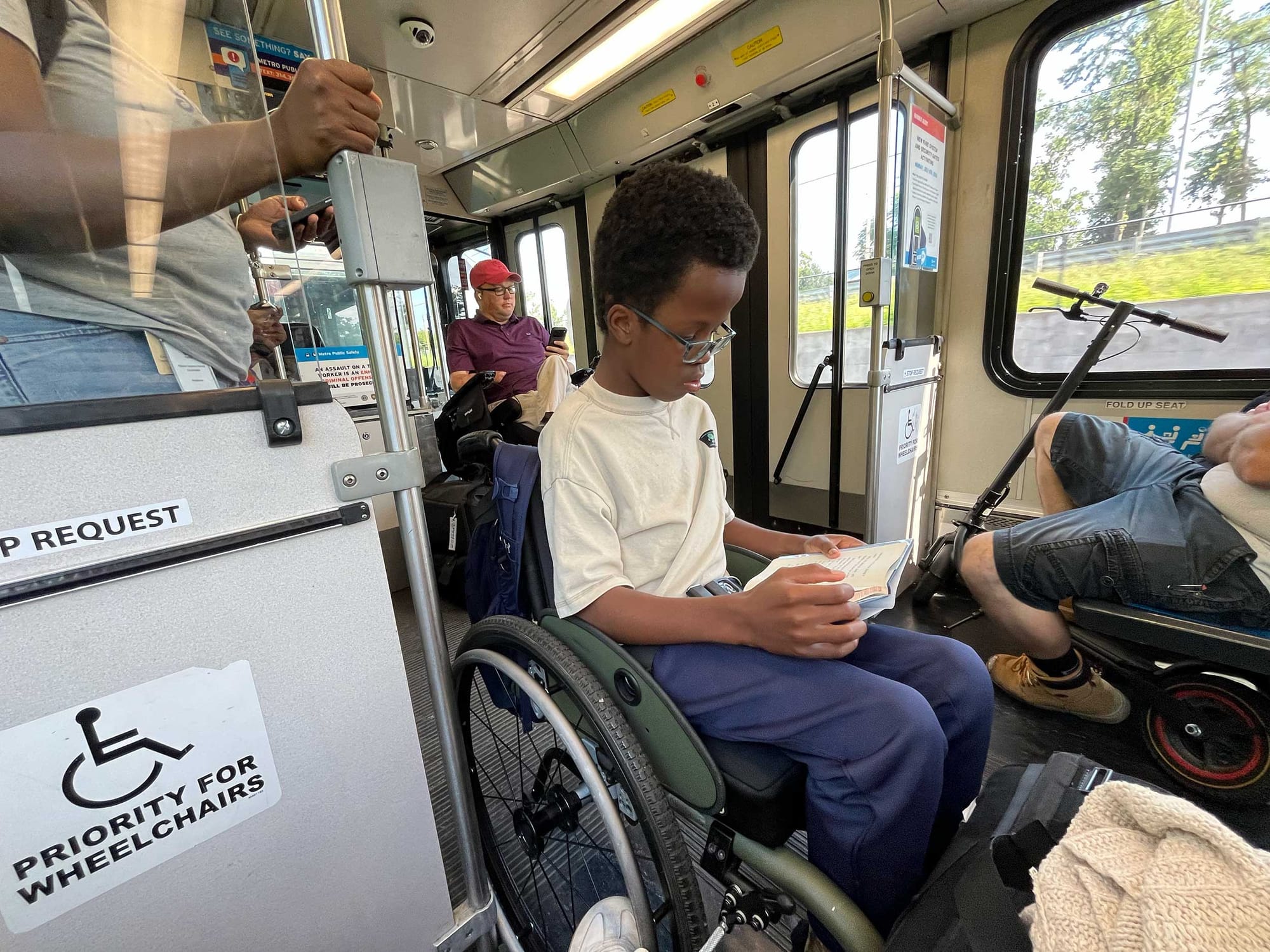
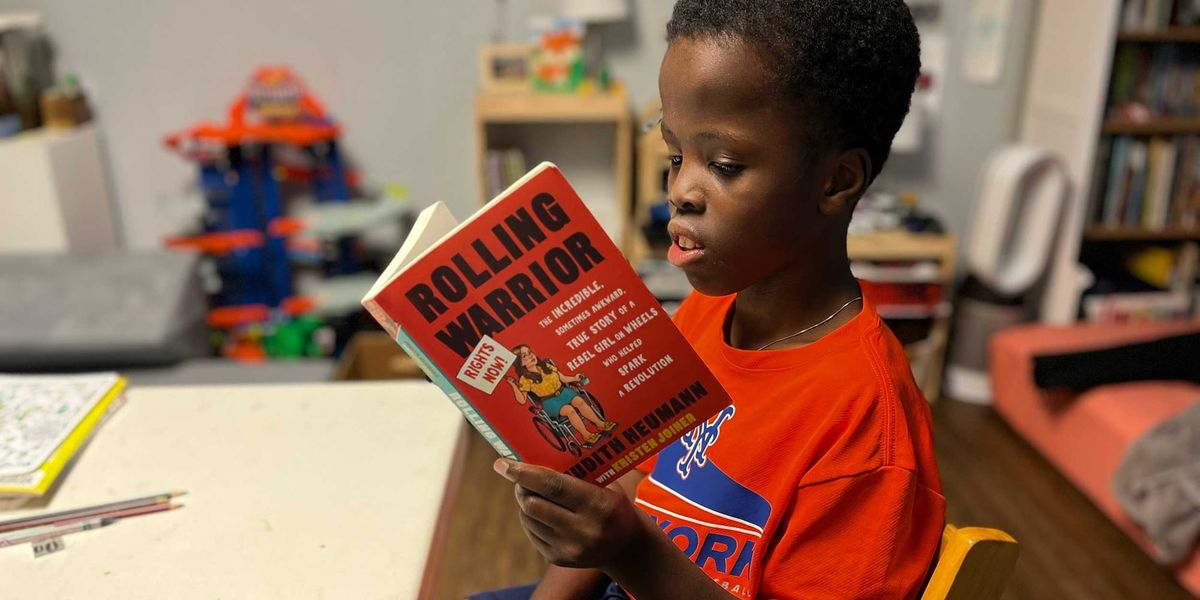
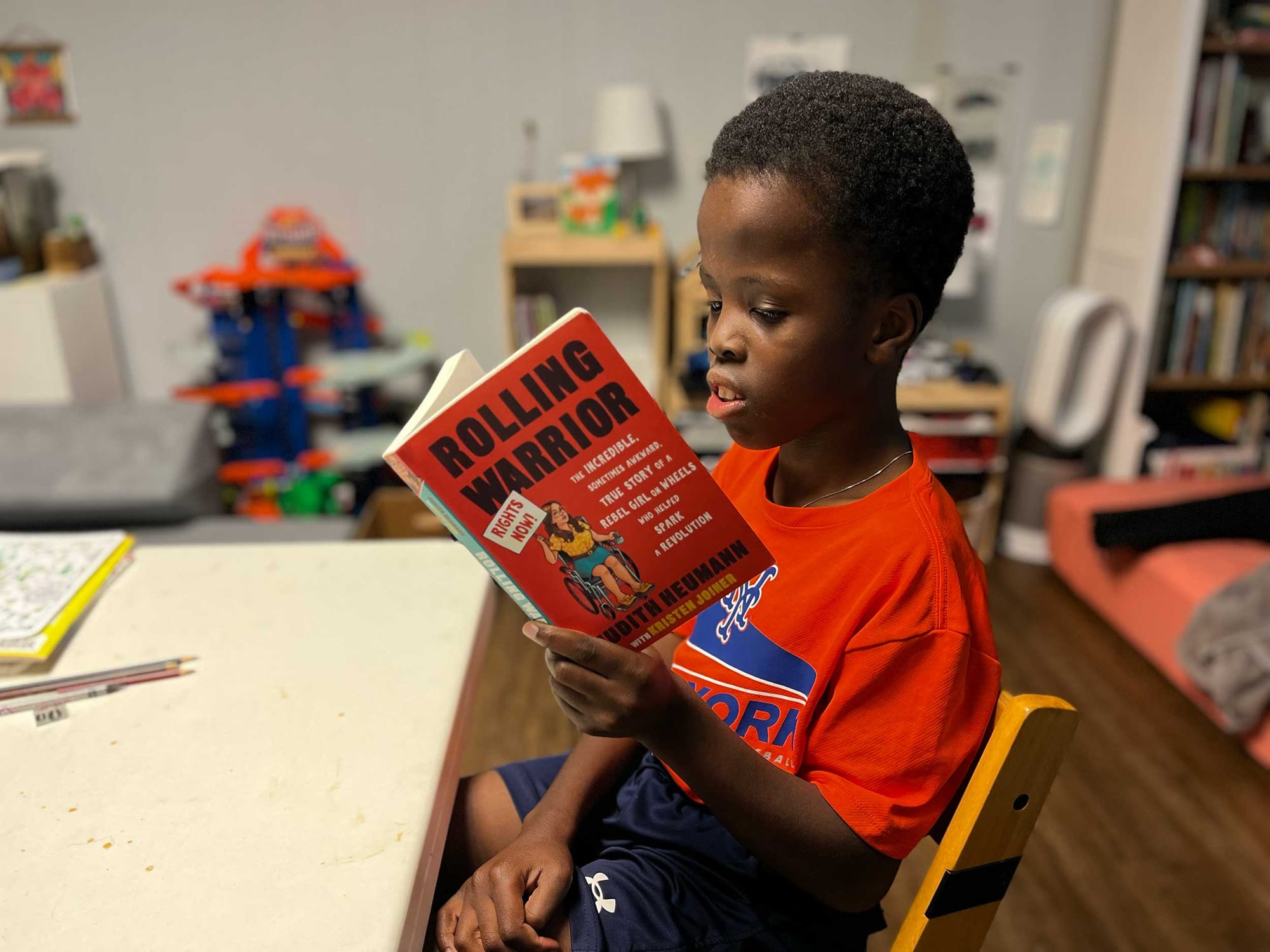
Nonfiction also features prominently in the middle-grade category through Rolling Warrior by Judith Heumann and Kristen Joiner, alongside I Am Not a Label by Cerrie Burnell. Heumann’s adapted memoir provides younger audiences with an accessible introduction to disability history and the persistence required to spark a movement. Burnell’s collective biography highlights the achievements of more than thirty disabled artists, thinkers, and activists, countering pigeonholed narratives and expanding the horizons of young readers.
Titles for Young Adults and Adults
For mature readers, the selection turns toward memoirs and essays that explore the human experience from distinct perspectives. Rebekah Taussig’s Sitting Pretty offers a nuanced collection of essays examining disability both personally and within a broader societal context, challenging preconceived notions without glossing over reality.
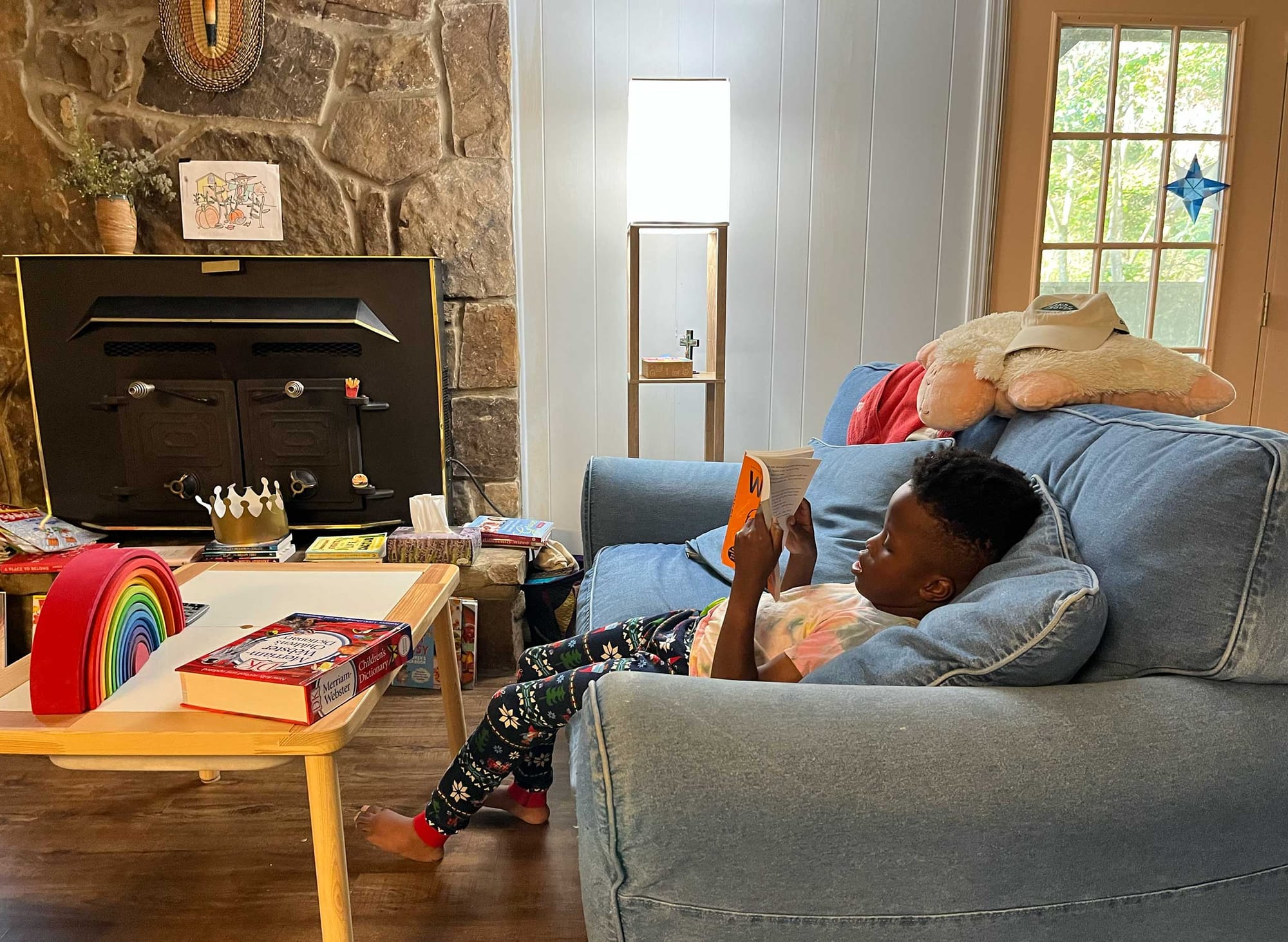
Ariel Henley’s A Face for Picasso provides a raw, thought-provoking look at growing up with Crouzon Syndrome, addressing identity and beauty below the surface level. It is joined by the unabridged autobiography Being Heumann: An Unrepentant Memoir of a Disability Rights Activist, co-written by Judith Heumann and Kristen Joiner, which details historical milestones from the Section 504 sit-ins to the passage of the Americans with Disabilities Act and government service under the Obama administration.
Concluding the adult reading list is Haben: The Deafblind Woman who Conquered Harvard Law by Haben Girma. The memoir details the author’s navigation of a world largely built without accessibility in mind, emphasizing adaptability, advocacy, and the use of disability as a catalyst for innovation.
Beyond the library shelves, families and travelers utilizing public libraries are encouraged to explore additional community resources, such as cardholder benefits that often include free or discounted admission to local museums and cultural attractions.