
By John
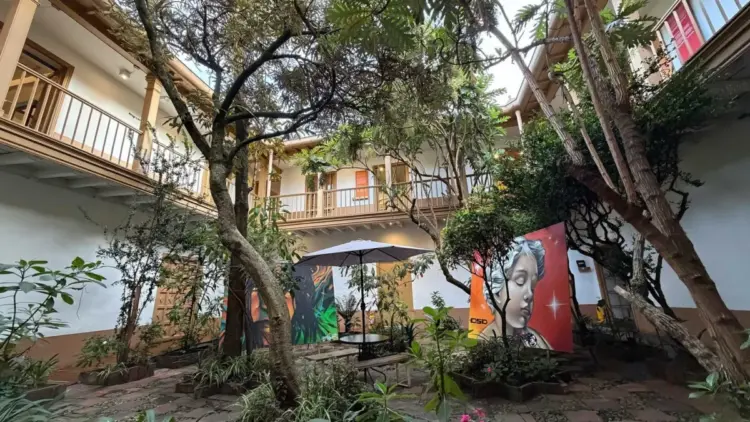
Happy Friday, friends. I returned last week from a wonderful, eye-opening tour of Colombia, where I had the opportunity to explore the vibrant cities of Bogotá, Barranquilla, and Cartagena. I enjoyed exploring the country’s unique sights, sounds, and tastes alongside a group of travel professionals who were each invited to learn firsthand about Colombia as an emerging touristic destination.
My primary objective for the journey was to research whether Colombia would be a suitable place to host a future Wheelchair Travel Group Trip. While the country’s local transportation providers do not yet have specialized vehicles large enough to seamlessly serve an entire group of wheelchair users, the infrastructure certainly possesses the capacity to support individual travelers and independent families. I intend to publish a thorough, deep-dive analysis regarding the state of accessibility and tourism in Colombia in a forthcoming article. For now, however, I am delighted to share a few standout highlights from my South American adventure.
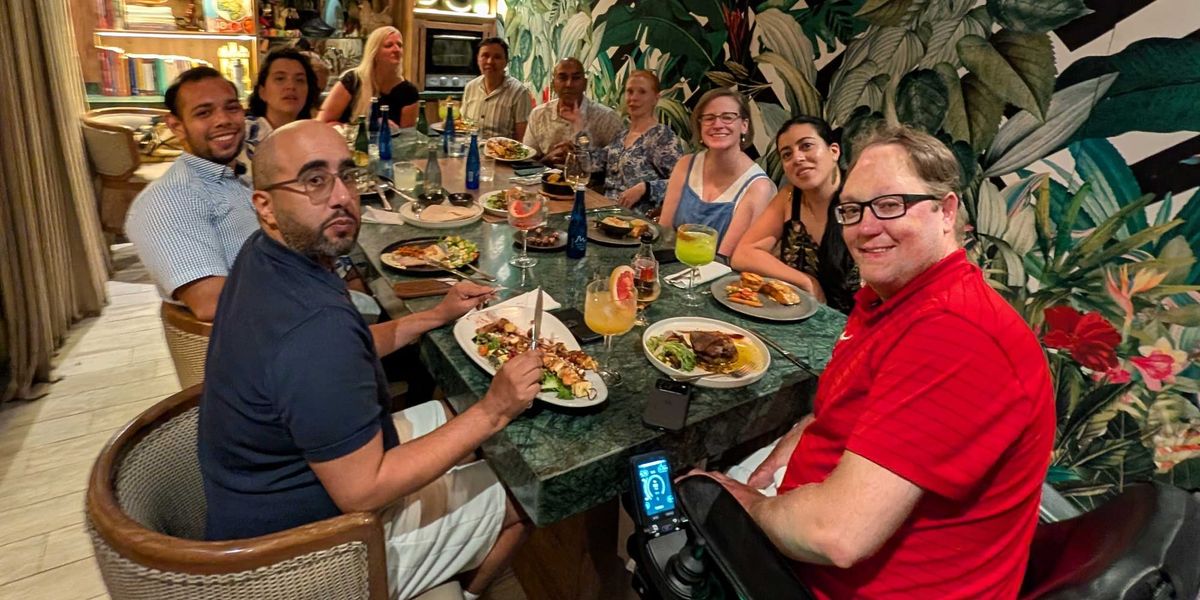
In other group travel news, the highly anticipated 2027 Wheelchair Travel Group Trip to Morocco, which was officially announced in our previous newsletter, completely sold out within an impressive 24-hour window. If you missed out on securing a spot for that particular excursion, do not fret. Scroll down to learn how you can join me on an equally magnificent, barrier-free group tour to one of my all-time favorite European destinations this coming spring.
Tasting Strange Fruits in Colombia
One of the most popular and culturally rich attractions in Bogotá is the bustling Paloquemao Market, renowned as the city’s largest traditional food and flower market. Upon arriving, I found nearly a thousand vibrant stalls supplying an overwhelming abundance of fresh fruits, crisp vegetables, prime meats, fresh seafood, and dazzling floral arrangements.
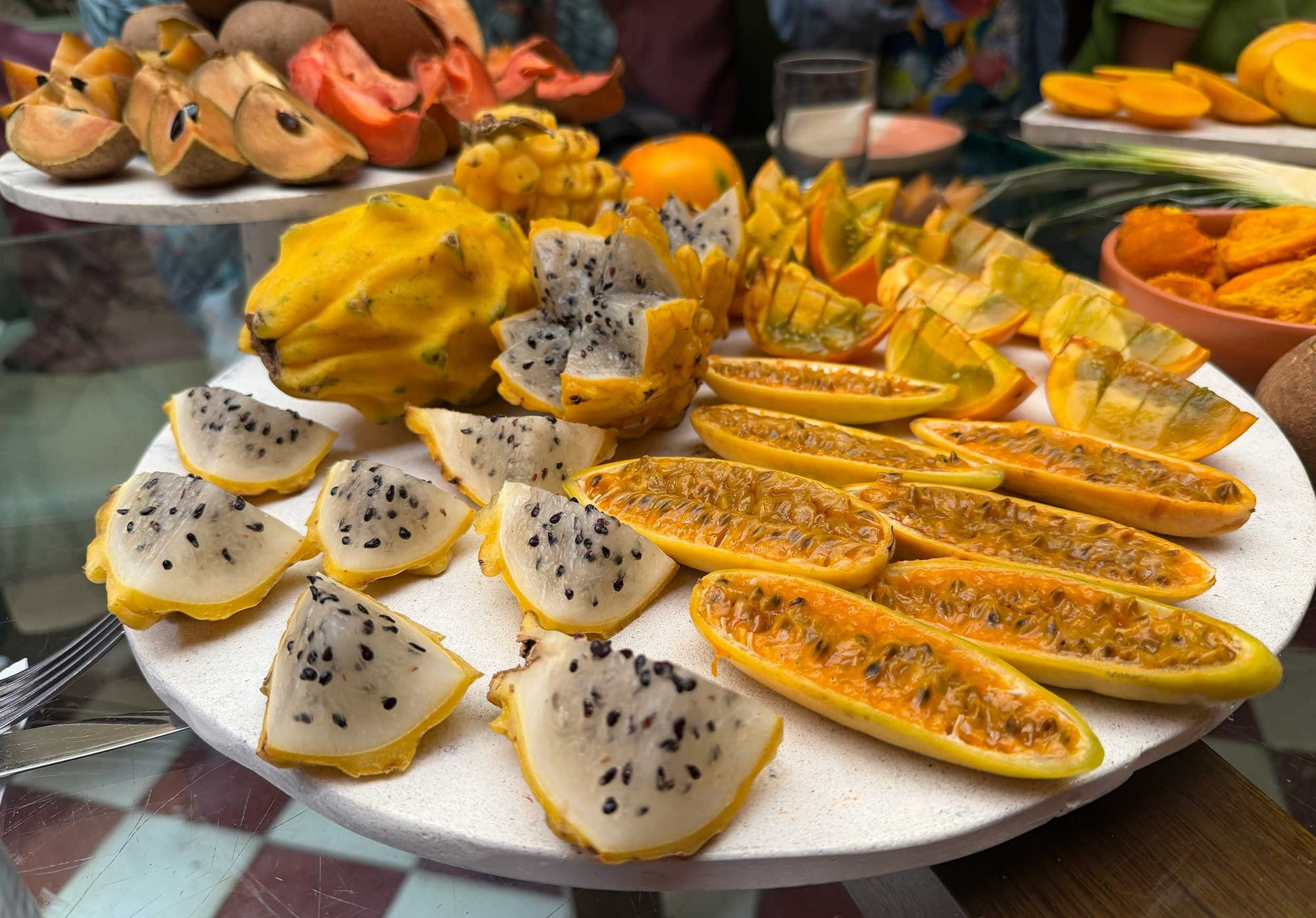
When a fruit tasting appeared on our packed itinerary, I naturally assumed we would be treated to a classic selection of familiar, traditional fruits such as melons, berries, and standard bananas. Instead, I was introduced to an extraordinary lineup of exotic fruits that instantly awakened the senses and dramatically expanded my culinary perspective.
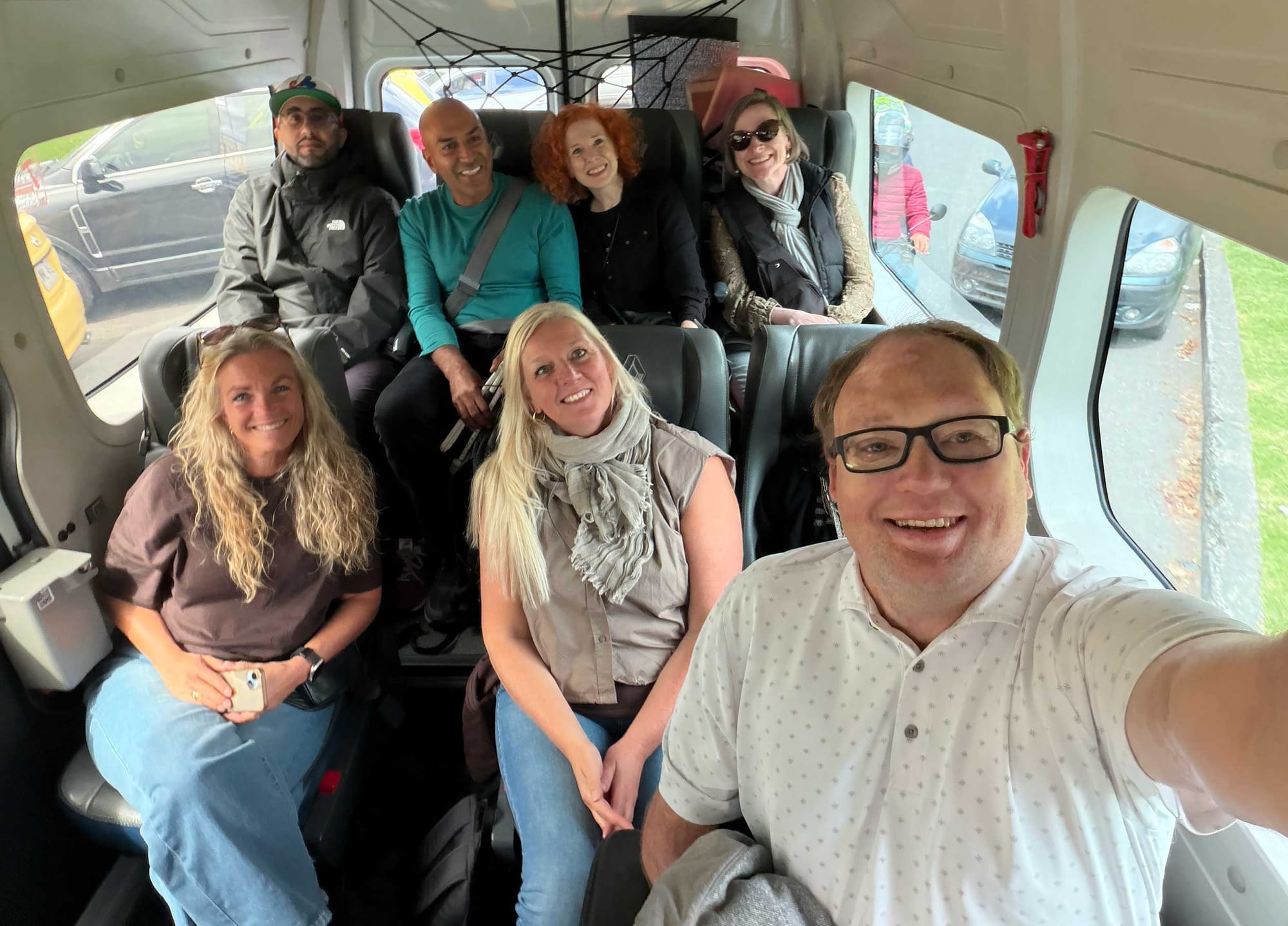
Most memorable among the array were the yellow pitaya—an exceptionally sweet and succulent variety of dragon fruit—and the surprisingly and delightfully tart lulo, a citrus-like fruit that instantly transformed my face into a classic sour emoji expression. Our remarkable fruit tasting experience was expertly organized by the wonderful team at 321 Colombia, led by Maria.
La Candelaria, Plaza Bolívar, and a Historic Bronze Statue
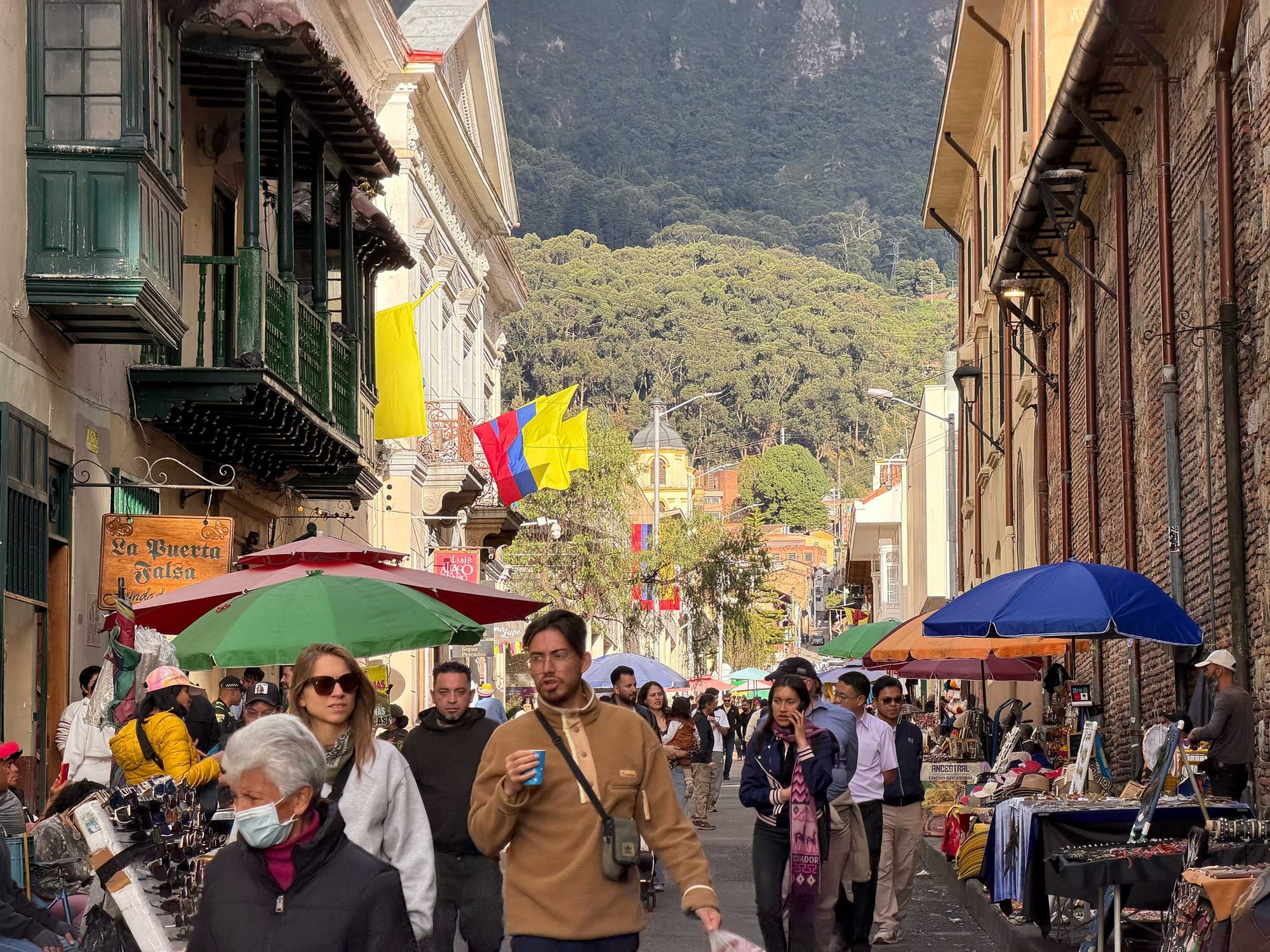
All too often, travelers find themselves rushing hurriedly to a scheduled meeting, a tight dinner reservation, or the next major tourist attraction, completely failing to stop, smell the roses, and truly experience the living culture that surrounds them. In Bogotá, but particularly within historic neighborhoods like La Candelaria, even the most intensely focused travelers are inevitably forced to open their eyes and embrace the undeniable vibrancy of local life.
Nowhere is that cultural vibrancy more vividly apparent than in the Plaza de Bolivar, the city’s sweeping central square, where the foundational institutions of Colombian life seamlessly converge. The grand halls of government stand alongside the historic Roman Catholic Cathedral, while street vendors aggressively hawk their handmade wares amidst thousands of pigeons drawn eagerly to tourists feeding them.
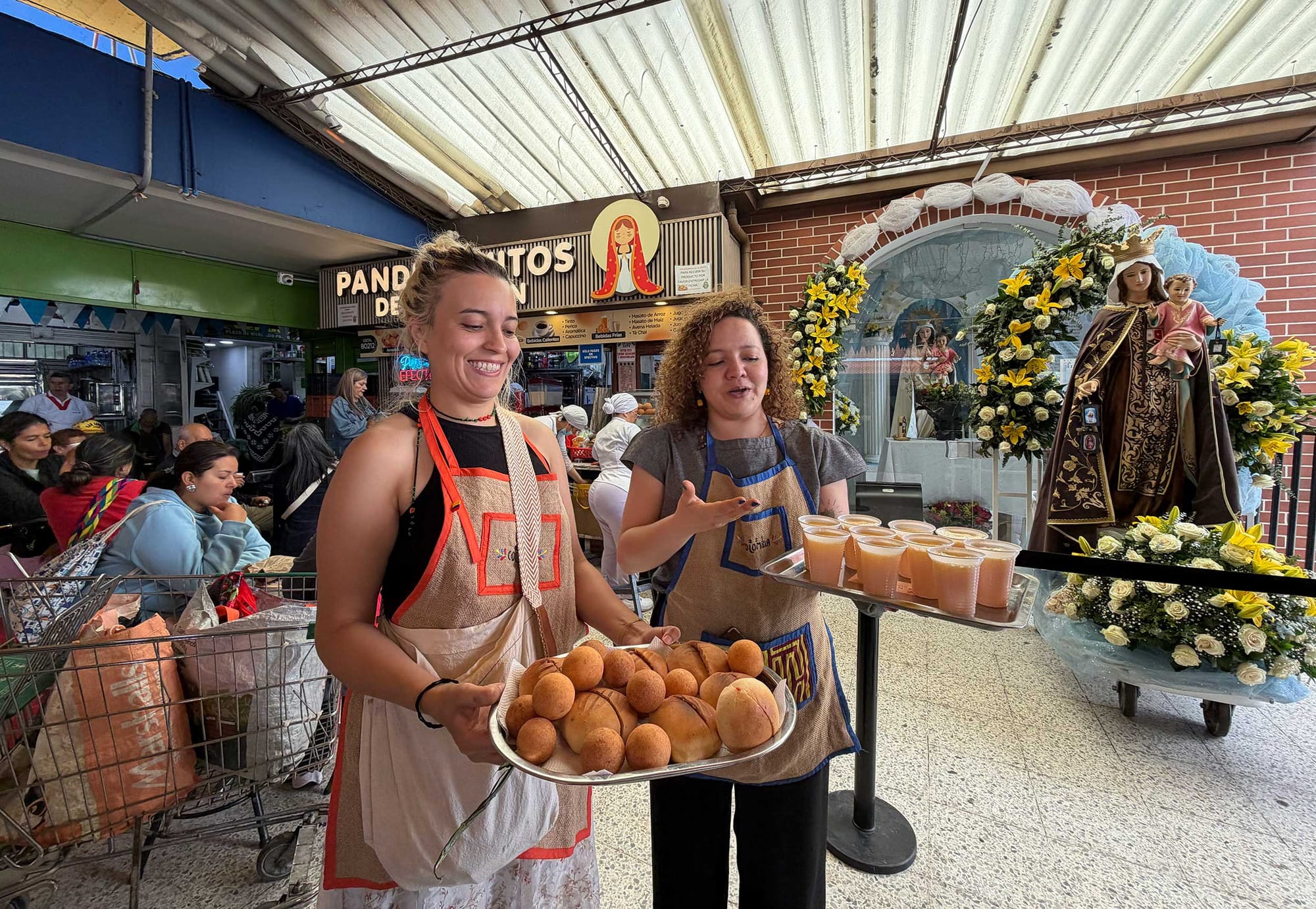
From the central plaza, Calle 11 runs directly alongside the cathedral toward prominent cultural hubs like the Botero Museum. The entire pathway is lined wall-to-wall with vendors peddling local souvenirs, fresh fruit, artisanal ice cream, and ice-cold drinks. The rich auditory tapestry of the street—the calls of competing vendors, the melodic notes of street buskers, and the collective hum of hundreds of overlapping conversations—makes it entirely impossible to walk or roll through the district with your head down.
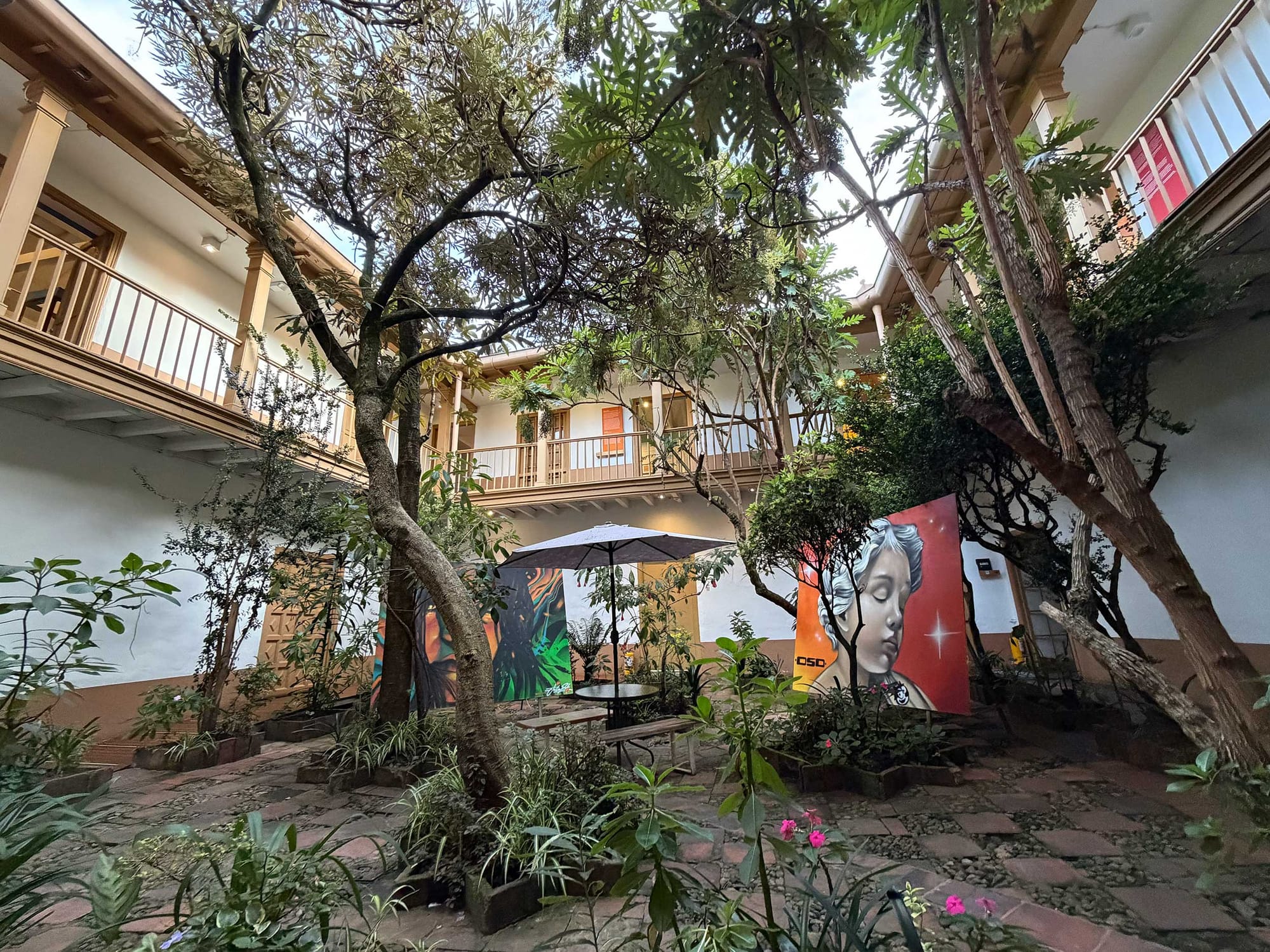
I took a brief, peaceful respite from the city’s relentless energy inside the thoughtfully designed Bogotá Museum, which focuses comprehensively on documenting the city’s rich history, its urban evolution, and the everyday lives of its diverse residents. Housed across multiple historic colonial buildings dating back to the 17th and 18th centuries, the museum has been successfully retrofitted for accessibility with modern ramps and an elevator.
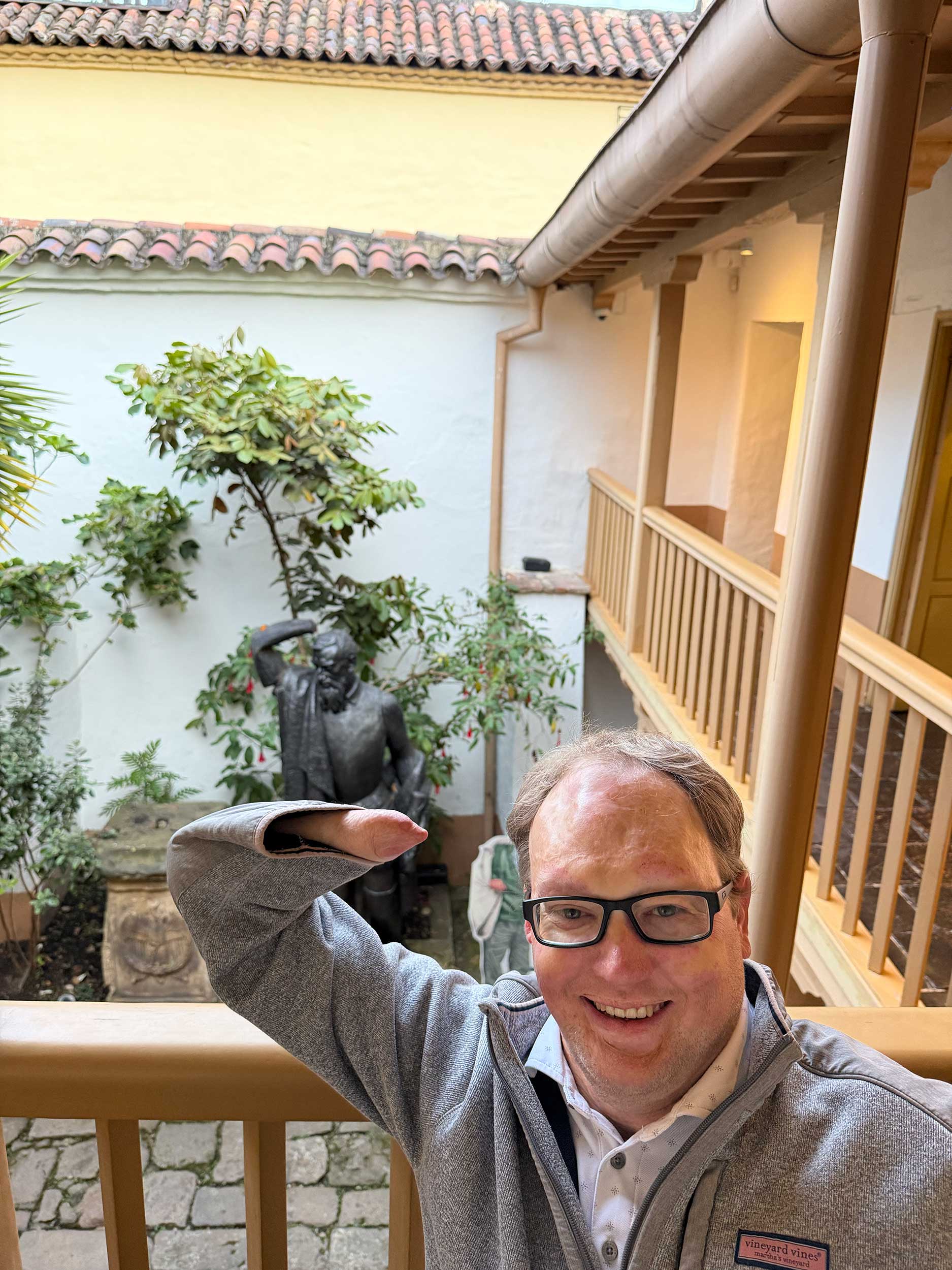
A striking bronze statue tucked inside one of the museum’s quiet inner courtyards immediately caught my attention. The subject’s right hand appeared to be completely amputated, bearing a striking physical resemblance to my own arm. Naturally, I posed beside the sculpture to capture a light-hearted, memorable photograph.
I soon learned that the artwork carries a deeply controversial modern history. The statue depicts the Spanish conquistador Gonzalo Jiménez de Quesada, the historical explorer frequently credited with the European discovery of modern-day Colombia. In 2021, amidst widespread nationwide anti-government demonstrations, indigenous Misak protesters forcefully toppled the monument, resulting in the symbolic "amputation" that first drew my eye. As a lifelong student of history, I was immediately inspired to dig deeper into the narrative, prompting me to order a copy of Invading Colombia: Spanish Accounts of the Gonzalo Jiménez de Quesada Expedition of Conquest, which I plan to read on my next flight.
Boarding Stairs, Boarding Ramps, and Jet Bridges
My departure from Colombia took place out of the coastal city of Cartagena, allowing me to proudly add the Rafael Núñez International Airport to my personal milestone tracking as the 157th airport I have utilized as a wheelchair user. The facility feels relatively compact, featuring just a single runway and a terminal completely devoid of traditional jet bridges. Despite its modest physical footprint, the airport accommodates more than 20 commercial airlines, including major international carriers like KLM Royal Dutch Airlines operating wide-body aircraft such as the Boeing 787.
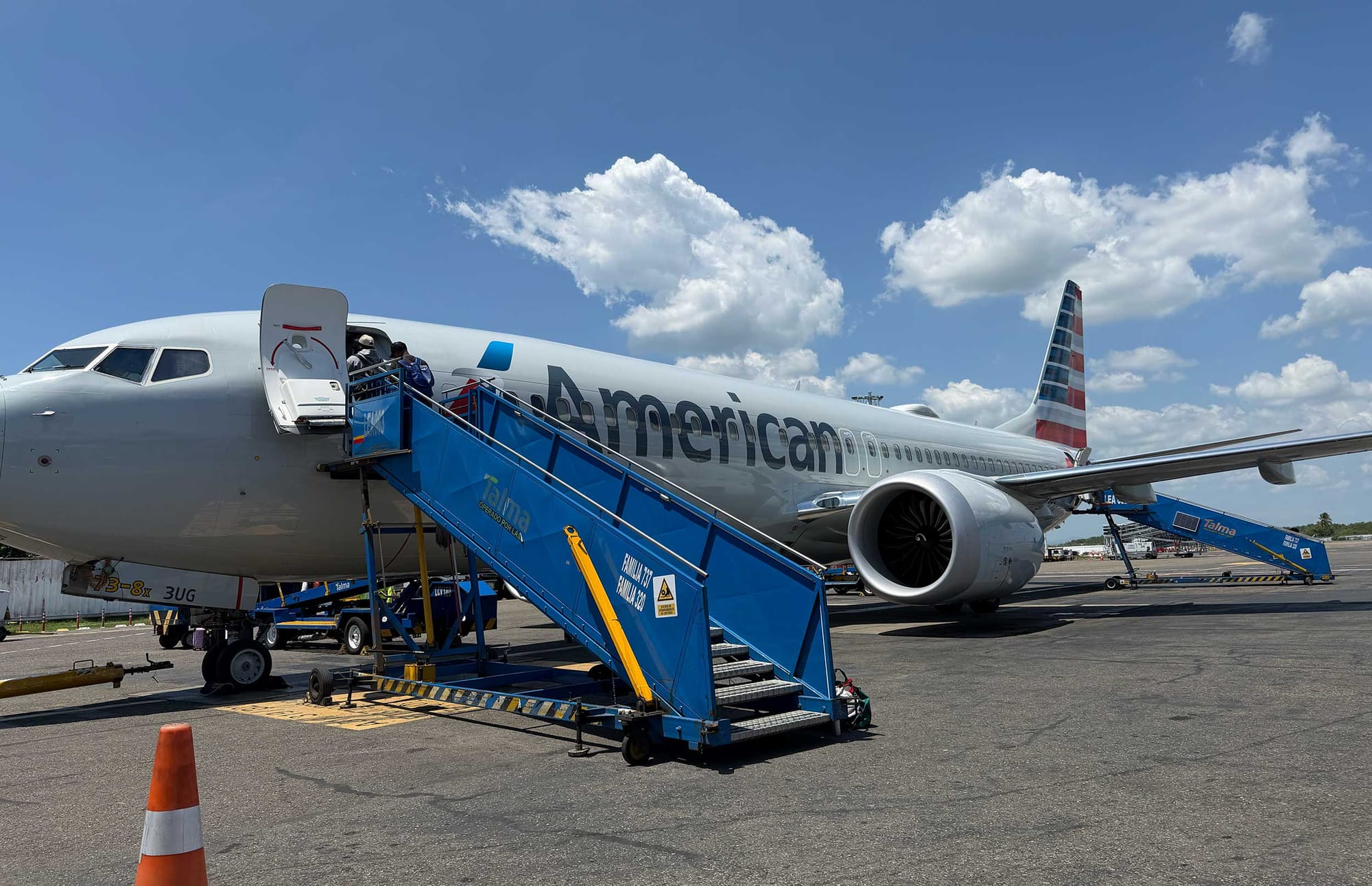
I had booked a commercial flight operated by American Airlines traveling from Cartagena directly to Miami. The airport check-in process proceeded smoothly, and the ground personnel were generally polite. However, when the time came to board the aircraft, I was confronted with a set of intimidating airstairs. The American Airlines ground team casually insisted that I be physically lifted up the steps while seated precariously on a narrow aisle chair.
"No, not a chance," I replied firmly. There is simply no circumstance under which any disabled passenger should be subjected to being physically carried up a flight of stairs to board a commercial jetliner, and certainly not on an aircraft operated by a major U.S. carrier. I am not willing to jeopardize my physical safety, my life, and my one remaining limb merely to board a scheduled commercial flight.
I immediately requested to speak with a designated Complaint Resolution Officer. While I waited for the official to arrive, the gate agents proceeded to open general boarding to all passengers, effectively stripping me of my legal right to preboard the aircraft. The CRO, who identified herself as the station manager for American Airlines, defended the practice by stating flatly, "This is how we do it here." I maintained my resolute position and firmly refused to consent to being unsafely carried up the stairs.
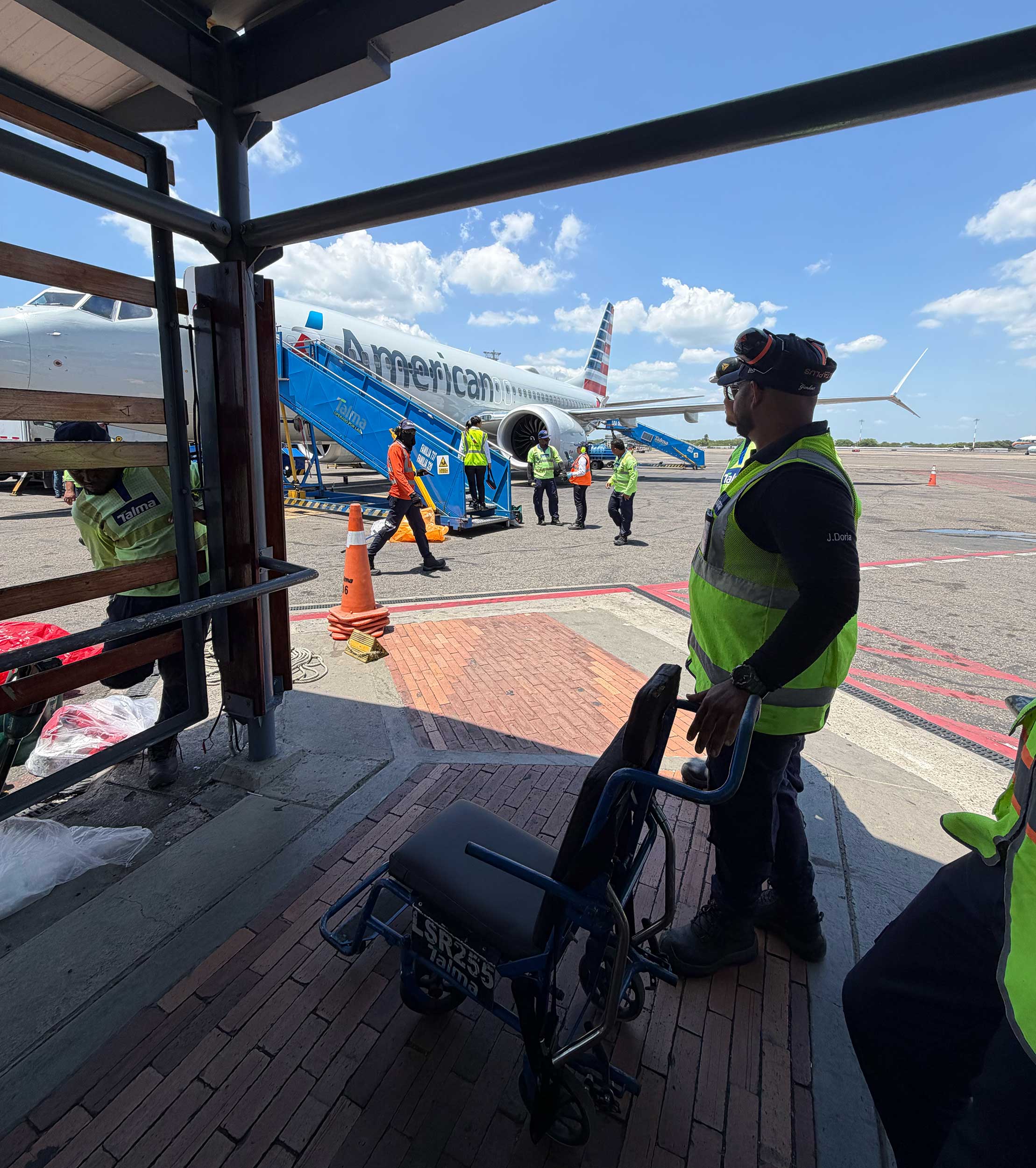
Manually lifting disabled passengers up open-air stairs is not only fundamentally unsafe for both the traveler and the personnel, but it was also entirely unnecessary in this instance. Multiple functional aircraft boarding ramps were parked right outside at adjacent terminal stands. When I pointed directly to one of these ramps sitting unused nearby, I was informed by staff that "those belong to other airlines… we only have the stairs."
My steadfast refusal to fly ultimately forced the issue. After making several urgent phone calls, the American Airlines ground team finally secured authorization to utilize an alternative boarding ramp owned and operated by Delta Air Lines. Once every other passenger had safely boarded the aircraft, the hazardous stairs were pulled away, and the Delta ramp was successfully maneuvered into position. Delta, frequently recognized as one of the top U.S. airlines for accommodating wheelchair users, truly saved the day.
I actively advocate for sweeping accessibility improvements across the entire global travel industry—spanning planes, trains, and automobiles alike—and I could genuinely use your ongoing support. Please consider upgrading your membership to directly support my advocacy work. Every single member matters deeply, and I need you on our team.
While I was ultimately able to board the aircraft safely via a proper ramp, that positive outcome occurred solely because I possessed the resolve to demand an accessible alternative. My harrowing experience raises critical, troubling questions for the aviation industry. Why does American Airlines continue to believe it is acceptable to manually carry human beings up flights of stairs? Why has the carrier failed to invest in safe, mechanical ramps or passenger lifts to accommodate disabled travelers? Why are wheelchair users routinely expected to risk their personal safety just to take a flight?
While I am admittedly late to this specific battle, it now has my undivided attention. All commercial airlines, and particularly U.S.-based carriers, must have reliable access to and actively utilize safe boarding ramps at every single airport where they operate. Physically lifting vulnerable passengers up a set of airstairs is completely unacceptable, and it is a dangerous practice that must be brought to an immediate end. Expect to hear significantly more from me regarding this urgent issue in the very near future.
Coming Soon: Spring 2027 Wheelchair Travel Group Trip to Greece
Having led four separate groups of travelers to Greece over the past two years, the destination has firmly established itself as my absolute favorite tour. From rolling directly up to the historic Acropolis and the Temple of Poseidon to participating in a shared cooking class and exclusive wine tastings beneath the shadow of Mount Olympus, this meticulously planned tour successfully blends ancient wonders with unforgettable group camaraderie. Best of all, every single logistical detail is explicitly designed to be entirely barrier-free.
The upcoming 2027 tour is officially scheduled to take place from April 30 to May 10, 2027, and I want you to join me for this deeply immersive journey through Greek history, art, architecture, culture, and gastronomy.
The complete, detailed tour itinerary will be officially released on Monday, August 10 at 10:00 a.m. ET exclusively to paid members of this newsletter. Paid subscribers will receive an exclusive private booking window lasting three days. If any spaces remain available following that window, bookings will then be opened to free subscribers on Thursday, August 13.
If you would like to be among the very first to receive this exclusive trip opportunity alongside future updates regarding accessible group tours, please upgrade your subscription in advance of the official tour release.
Final Thoughts
After spending more than an eventful week exploring South America, I have a substantial amount of content to catch up on and a rich trove of new stories to share with our community. Be sure to keep a close lookout for upcoming articles covering the remarkable beaches and coastal trails I discovered along the Colombian coastline, as well as practical tips and strategies for making independent solo travel entirely possible.
I hope you have a fantastic weekend ahead, and I look forward to connecting with you through a brand-new series of articles next week.
Take care,
— John



