
In classrooms and homes navigating the complexities of modern education, educators and specialists are increasingly turning their attention toward foundational executive functioning skills. Among the most critical tools for academic and personal growth is self-monitoring, an evidence-based approach that helps children and teenagers manage their behaviors, sharpen their attention, and independently align their daily actions with their long-term goals.
At its core, self-monitoring is a straightforward yet vital psychological process. It involves pausing to check in with oneself to ensure that current activities remain on track. Whether adults or young learners, individuals rely on this capability across all facets of life. It guides how people maintain focus during conversations, navigate complex projects without succumbing to distractions, and meet crucial deadlines. Within an academic setting, however, self-monitoring transitions from a general life habit into an essential pillar of classroom success.
When young people fail to self-monitor, they frequently lose sight of their immediate objectives, leading to academic drift and behavioral disengagement. Specialists emphasize that because this ability is closely tied to broader executive functioning, it must be cultivated deliberately rather than assumed to develop on its own.
Understanding the Mechanics of Self-Monitoring
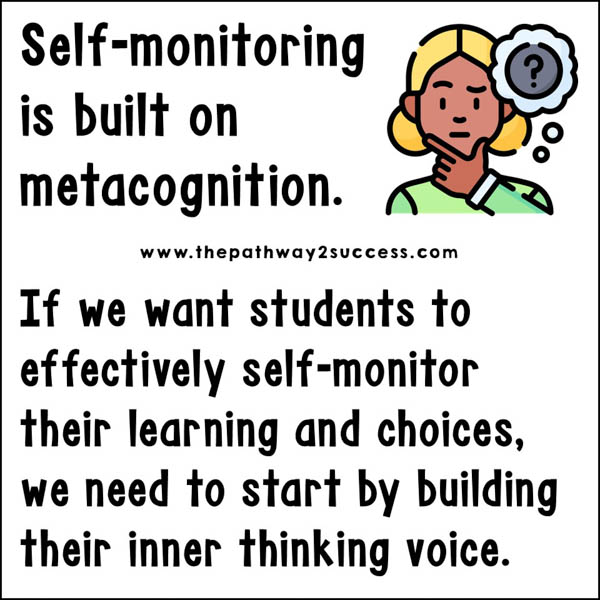
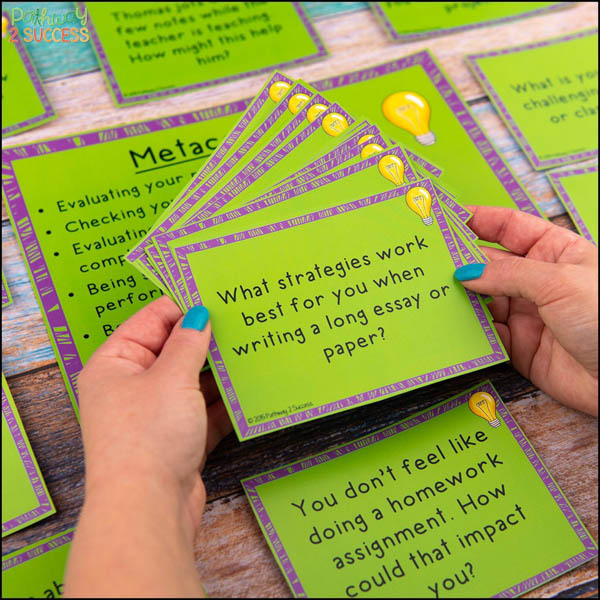
Self-monitoring is fundamentally rooted in metacognition—the practice of thinking about one’s own thinking. To build this capacity, educators often incorporate strategy discussions before, during, and after classroom activities. By reviewing how a lesson unfolded, students can identify precisely where their attention wavered. For instance, learners frequently report that maintaining focus becomes exceptionally difficult once a math assignment grows more challenging, or that boredom with a reading selection easily pulls them off course. Group reflections give students a shared vocabulary to recognize these challenges in real time and brainstorm collaborative solutions.
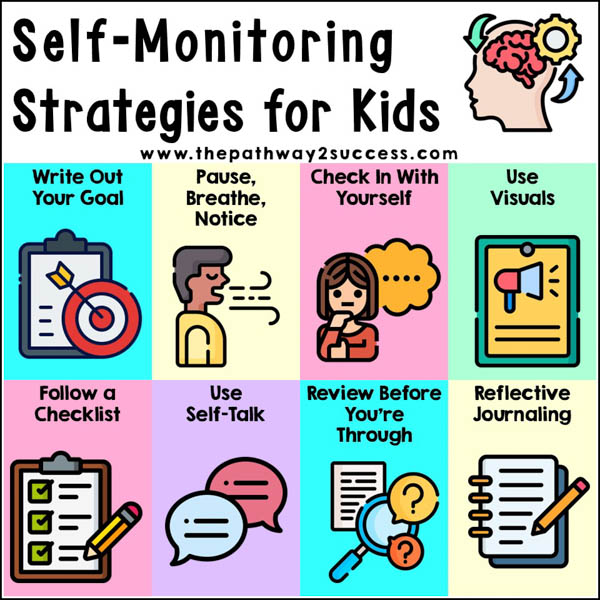
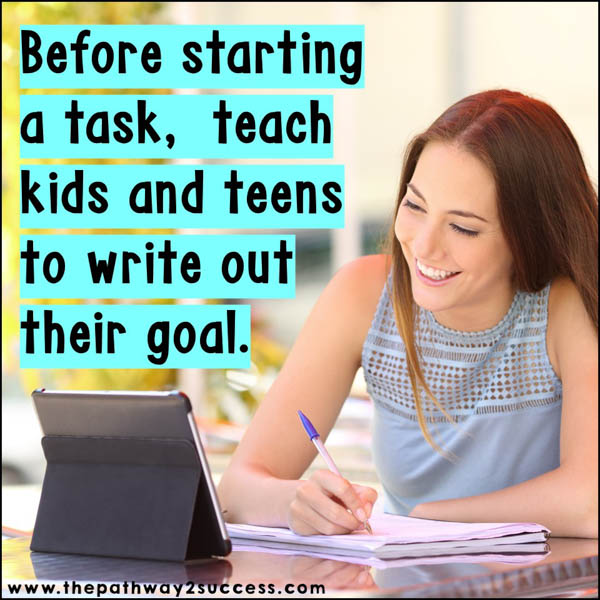
Before tackling a task, establishing a clear objective serves as the critical first step toward effective self-monitoring. Educators note that asking children and teens to physically write down their immediate goals—such as completing a specific chapter of a novel during a study hall—creates a tangible anchor for accountability. This simple act builds personal ownership over behavior from the outset, transforming a vague intention into a concrete roadmap.
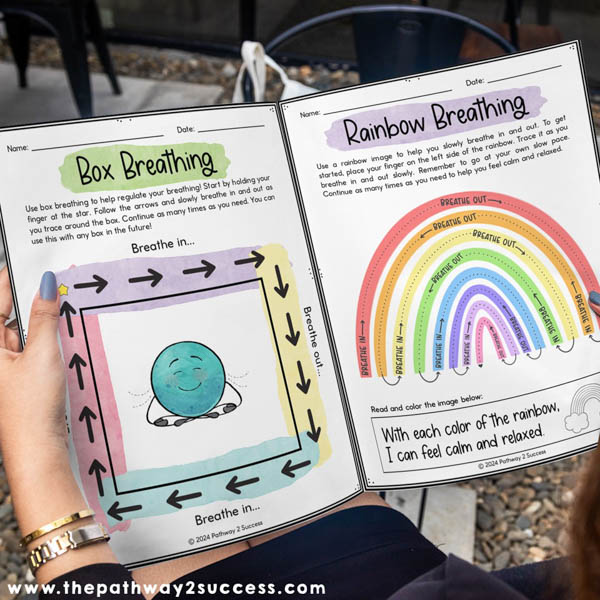
Equally important is the physiological aspect of pausing. In an increasingly fast-paced world, learning to stop, breathe, and notice the present moment provides the necessary framework for introspection. Simple breathing exercises help students calm their nervous systems, count their breaths, and tune into their current physical and emotional states. Research consistently highlights mindful breathing as an evidence-based strategy that not only supports self-monitoring but also strengthens emotional regulation and overall attention spans.
Practical Approaches Used in Educational Environments
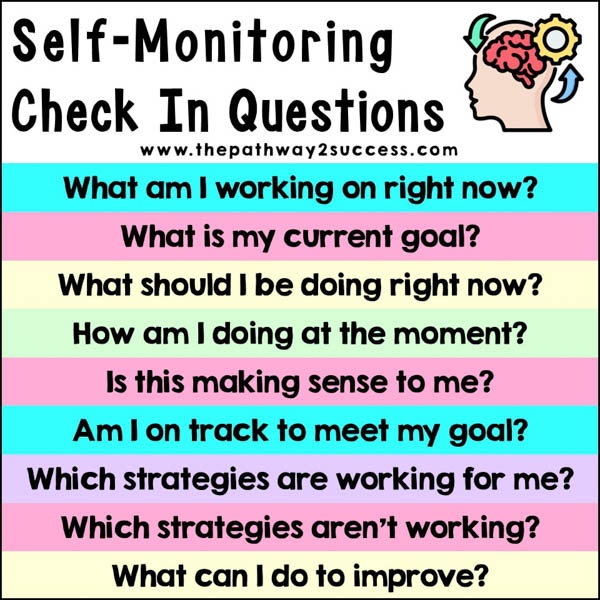
To bridge the gap between abstract goals and daily execution, educators utilize several continuous supports within the classroom. Mid-task check-ins, often signaled by a gentle chime or a timed interval, prompt students to pause and evaluate their progress. By answering brief reflective questions about whether they are following instructions and utilizing their time wisely, students learn to pivot and adjust their working strategies before minor stumbles become major roadblocks.
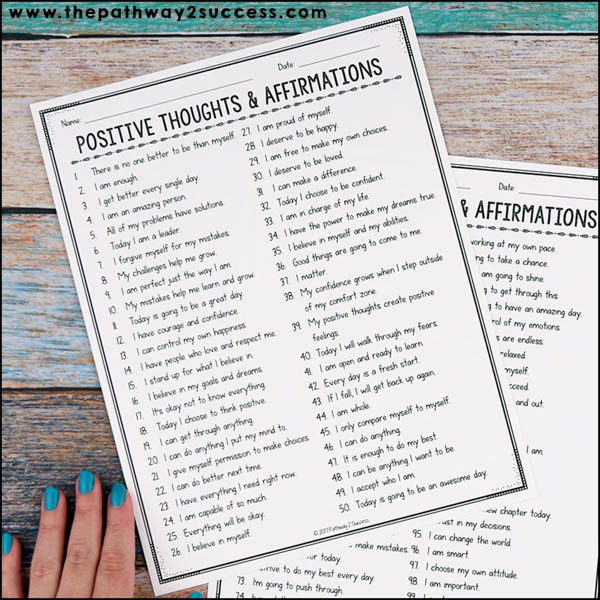
Complementing these check-ins is the deliberate use of positive self-talk. Encouraging phrases help young learners manage frustration, build confidence, and maintain momentum through challenging assignments. When students actively replace discouraging internal narratives with supportive affirmations, they are better equipped to weather difficult moments and stay aligned with their original objectives.
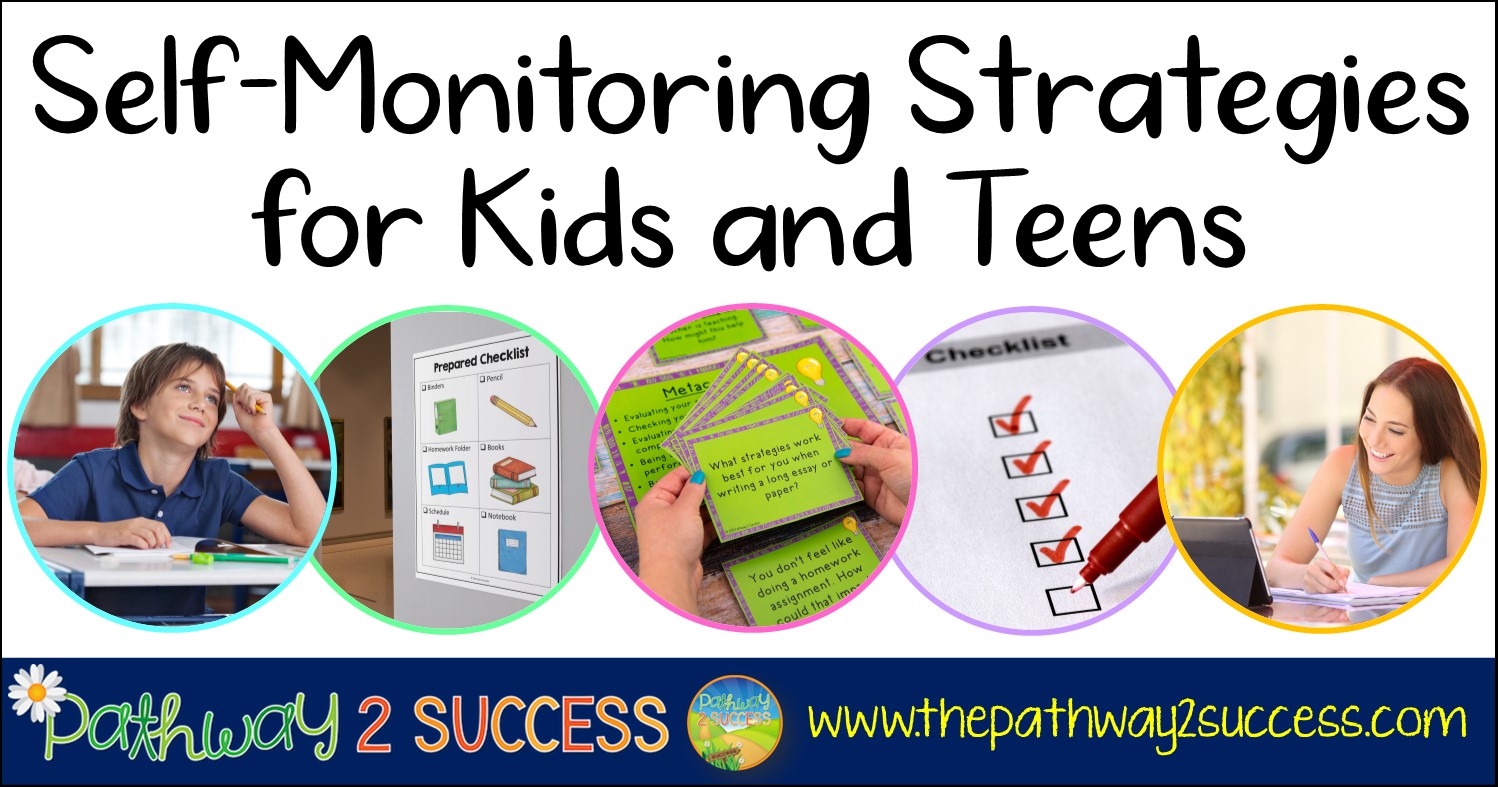
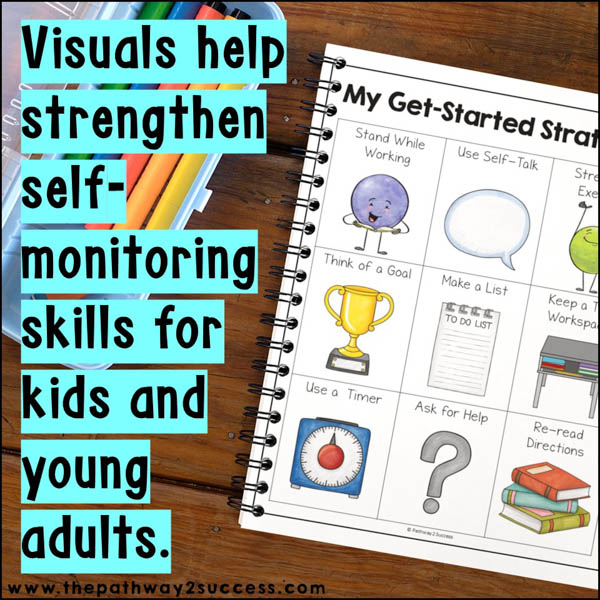
Visual supports, checklists, and timers also play an instrumental role in sustaining student independence. Multi-step checklists break overwhelming assignments down into manageable components, allowing learners to track their own progress through tally marks or checked boxes. Meanwhile, structured intervals—such as focused ten-minute writing periods paired with a visible timer—teach students how to ration their attention and sustain effort over defined spans of time.
Fostering Broader Executive Functioning
Specialists emphasize that self-monitoring does not operate in a vacuum. It relies heavily on a constellation of supporting executive functioning skills, including self-awareness, cognitive flexibility, working memory, and emotional regulation. By building these foundational capacities in tandem, educators provide students with a resilient framework for academic persistence.
To keep cognitive stamina high, intentional breaks are frequently integrated into the school day. Activities ranging from physical movement to creative outlets like coloring pages give the brain a chance to reset, naturally creating fresh opportunities for students to pause and assess their well-being. Following major projects, reflective journaling allows young people to look back at their performance, evaluate what went right, and identify areas where enhanced self-advocacy or modified strategies might serve them better in the future.
Through consistent practice, targeted reflection, and a supportive learning environment, children and teens can steadily strengthen their self-monitoring abilities, paving the way for greater independence, better decision-making, and long-term success.



