
As diverse groups of adolescents come together in middle and high school classrooms each academic year, disagreements, interpersonal problems, and misunderstandings are an inevitable part of the daily environment. Whether students in a science collaborative clash over the proper experimental technique, an individual feels isolated when peers decline to work with them, or a learner perceives disrespect from a classmate’s frequent interruptions, social friction is a constant reality of school life. However, educational experts and classroom practitioners emphasize that effective conflict resolution is not about eliminating disagreements entirely. Instead, the ultimate objective is to provide young adults with the practical tools and behavioral strategies they need to manage these inevitable conflicts independently and healthily.
By fostering an environment where students can openly talk through group disputes, communicate effectively with friends, and collaboratively solve problems with those around them, educators are laying the groundwork for essential lifelong competencies. Focusing on conflict resolution serves as a cornerstone for student success, paving the way for a wide array of social and emotional benefits that extend far beyond the physical boundaries of the classroom.
Why Focus on Conflict Resolution Strategies?
Implementing proactive conflict resolution measures does far more than simply help students navigate immediate disputes with their peers. These supportive frameworks foster a positive classroom climate and yield numerous developmental advantages for adolescents whose brains are still maturing. Experts emphasize several key reasons why educators should prioritize conflict resolution in middle and high schools, starting with the fundamental importance of interpersonal relationships.
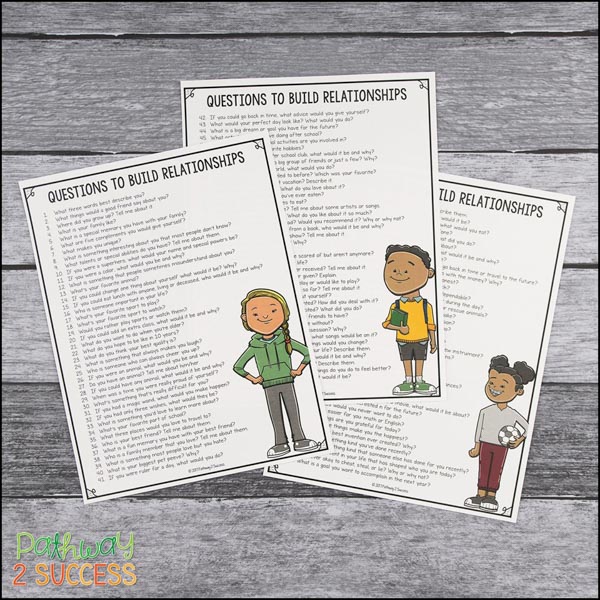
Building a strong foundation of relationships within the classroom is widely regarded as the most critical starting point for developing conflict resolution skills. Navigating interpersonal problems is inherently challenging, requiring continuous effort even for adults, which makes it vital for young adults to feel genuinely connected to their peers and teachers. When students experience a sense of community and belonging, the difficult work of resolving disagreements becomes significantly more manageable. Educators often utilize structured group conversations and targeted relationship-building questions to open the door to meaningful discussions, laying the essential groundwork for collaborative success.
Explicitly Teaching Conflict Resolution and Active Listening
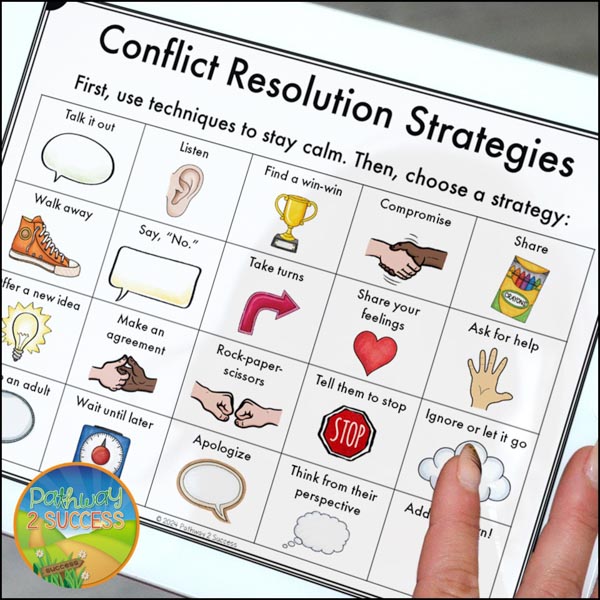
Rather than reacting to behavioral issues after they erupt, educators increasingly advocate for a proactive approach that explicitly teaches conflict resolution skills from the beginning of the school year. This involves helping students understand that a certain level of conflict is actually beneficial, as working through disagreements allows young people to communicate their needs, understand diverse perspectives, and collaborate more effectively. Furthermore, students learn that different situations call for different strategies. While a disagreement over a joint project might require compromise and active listening, standing up against inappropriate peer pressure might call for assertive self-advocacy.
A vital component of this educational process is the practice of active listening, which requires students to truly hear and contemplate what another person is saying rather than simply waiting for their turn to speak. Listening to understand is a critical mechanism for de-escalating tension and resolving misunderstandings. By integrating active listening exercises directly into daily academic content and classroom routines, teachers can provide students with continuous opportunities to refine this crucial communication skill.
Managing Stress Through Calming Strategies
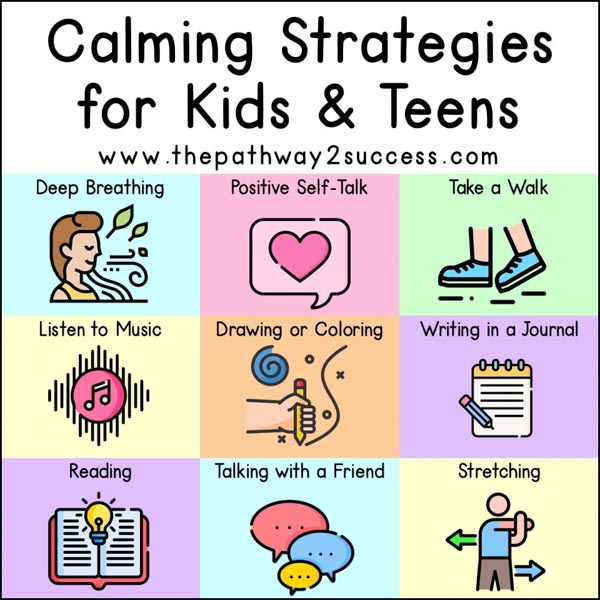
To effectively manage and resolve interpersonal conflicts, students must first achieve a state of emotional and physiological calm. Neuroscience provides clear backing for this principle: when individuals feel overwhelmed, stressed, or upset, the amygdala—the brain’s flight, fight, or freeze response center—takes over, driving impulsive and reactive behavior. Conversely, when a student is calm and relaxed, the prefrontal cortex, which is responsible for higher-level planning and rational decision-making, regains control, enabling clearer thinking and better choices.
Because middle and high school students possess developing brains, they often require deliberate support and guidance to activate their internal calm during stressful moments. Educators can facilitate this process by integrating science-backed calming techniques, such as deep breathing exercises, positive self-talk, brief peer consultations, and journaling, into the daily school routine. Utilizing these techniques as brain breaks between demanding academic tasks or allowing quiet moments of reflection gives students the practice they need to draw upon these strategies when conflicts arise.
Practical Approaches Through Scenarios and Class Meetings
Providing students with safe, structured environments to examine realistic conflict scenarios is another cornerstone of effective social-emotional learning. By reading about hypothetical or real-life situations, analyzing the root problems, and brainstorming healthy resolutions, students can explore multiple viable solutions. This practice encourages thoughtful classroom conversations regarding appropriate responses and the reasoning behind them.
Similarly, holding regular class meetings offers a structured forum for students to discuss ongoing concerns, collectively brainstorm strategies, and participate in choosing peaceful solutions. These gatherings reinforce the connection between conflict resolution and self-advocacy, empowering teens to articulate their own needs—such as seeking help from an educator when academic material is confusing or asserting personal boundaries when feeling uncomfortable.
Fostering Group Work and Respectful Disagreement
Integrating collaborative group activities into the weekly curriculum provides students with immediate, real-time opportunities to put conflict resolution strategies into practice. Before students begin working in groups, instructors frequently remind them of established communication frameworks and the importance of disagreeing respectfully. Because disagreements regarding preferences, ideas, or problem-solving approaches are a natural part of daily life, teaching young adults polite and constructive phrasing helps them navigate divergent opinions without damaging relationships.
To reinforce these behaviors, educators often use high-interest discussion topics that allow students to practice respectful debate while building stronger peer connections. Visual reminders, such as dedicated classroom bulletin boards and informational posters, serve as constant, passive prompts for students to pursue peaceful resolutions throughout the school day. Finally, incorporating brief daily reflection periods during the final moments of class encourages students to evaluate their interpersonal interactions, assess what strategies worked well, and take personal ownership of their actions moving forward. Through consistent support and practice, educators continue to guide young adults toward effective and independent conflict management.



