
As schools open their doors for a new academic year, students face a wave of transitions that test their ability to plan, organize, and manage time. While a solid foundation in these core competencies allows students to navigate their schedules with confidence, learners who struggle with executive functioning often experience a rocky and stressful start. From misplaced assignments to confusion over classroom locations, these early hurdles can impact academic performance and create unnecessary anxiety for students and educators alike.
However, educational experts emphasize that these challenges do not have to define the school year. Educators have the opportunity to intentionally model, build, and strengthen executive functioning skills right from the first day of class, establishing a stable foundation for long-term academic and personal success.
Why Executive Functioning Skills Matter for Back to School
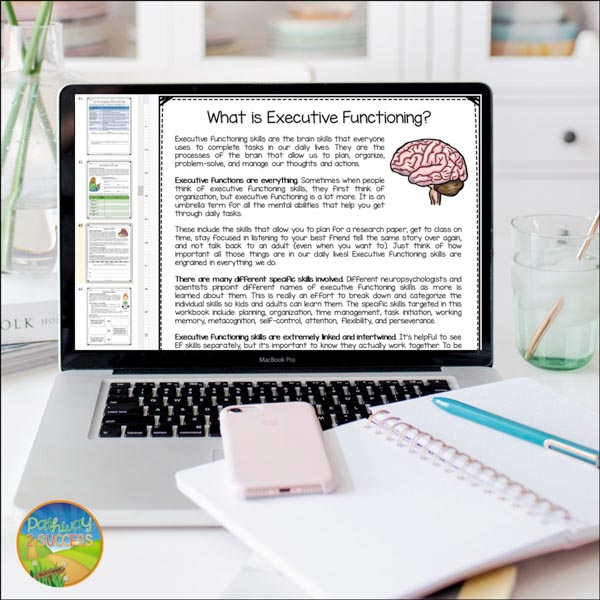
Executive functioning skills govern the mental processes that enable individuals to plan, focus, remember instructions, and juggle multiple tasks successfully. While these cognitive abilities are essential year-round, the back-to-school season plays a critical role in setting the behavioral and organizational stage for the months ahead. When teachers implement targeted strategies early, they provide children and teens with the structural scaffolding they need to thrive.
Without these foundational skills, students frequently encounter friction when trying to adapt to new environments and academic demands. By integrating explicit instruction into everyday routines, schools can help learners bridge the gap between expectations and capability.
Developing Routines and Explicit Instruction
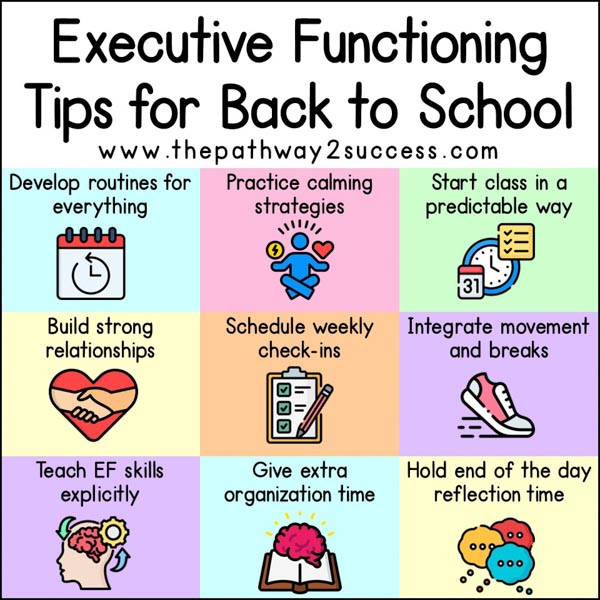
Establishing consistent routines at the beginning of the academic year provides structure and clarifies expectations for learners. Educational specialists note that students cannot reasonably be expected to follow rules or procedures they do not fully understand. By mapping out regular classroom activities into clear, manageable steps, teachers can foster organization, planning, self-control, and attention. The key lies in consistent practice until these behaviors become second nature.
Parallel to establishing routines is the need for explicit instruction. Many students enter classrooms requiring direct guidance in areas such as attention, perseverance, and emotional regulation. Just as schools dedicate specific periods to teaching mathematics or literacy, educators are increasingly recognizing the value of weaving executive functioning curricula directly into the daily schedule.
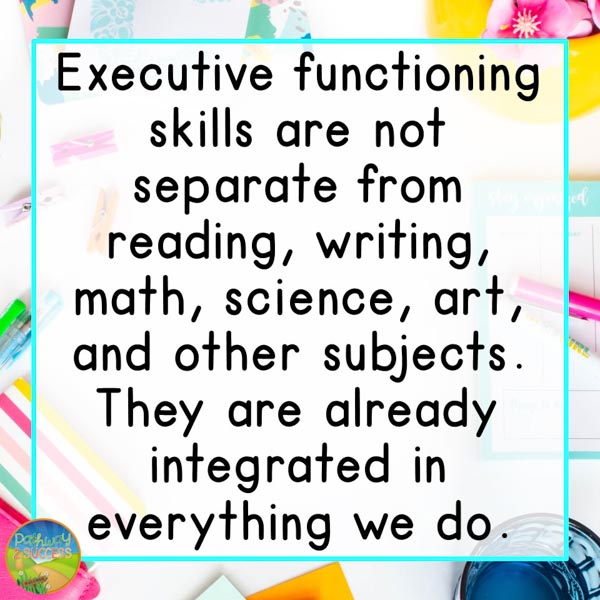
Rather than treating these skills as separate from core subjects, successful classrooms integrate executive functioning strategies into reading, writing, and mathematics. Whether students are breaking down a complex research paper, organizing data sets, or monitoring their own progress during an assignment, cognitive strategies are inherently tied to every academic discipline.
Fostering Calm, Connection, and Predictability
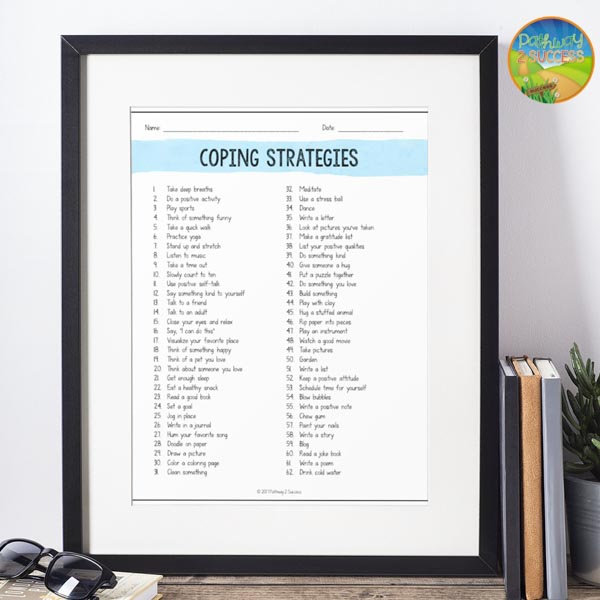
A calm mind and body are prerequisites for effective learning. When children and teens experience stress, overwhelm, or frustration, their capacity for cognitive processing diminishes significantly. Because young learners often lack innate tools for emotional regulation, prioritizing evidence-based calming strategies from the outset of the term is vital. Activities that serve as constructive brain breaks allow students to reset and refocus throughout the day.
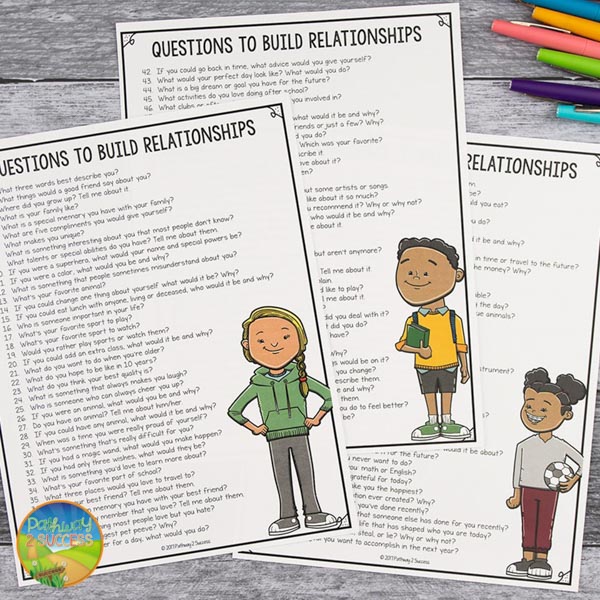
Alongside emotional well-being, the physical and social environment of the classroom plays a pivotal role. An orderly, clutter-free physical space models the organizational habits educators hope to instill in their students, while deliberate relationship-building fosters a supportive community. Strong connections among peers and between students and teachers encourage learners to take healthy risks, accept constructive feedback, and persevere through academic challenges.

Predictability further reduces cognitive load. When students begin their mornings with a structured, familiar routine, they do not have to waste mental energy figuring out what to do first. Consistent daily schedules, paired with advance notice of any inevitable disruptions like school assemblies, help maintain a sense of stability and reduce anxiety across the student body.
Promoting Reflection and Self-Monitoring
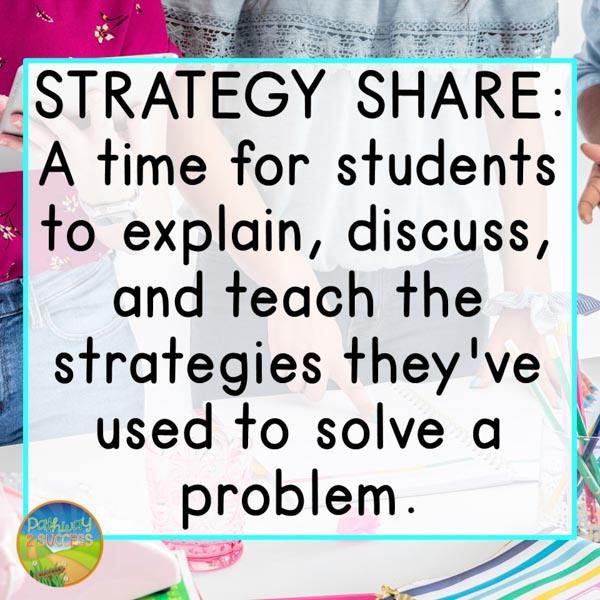
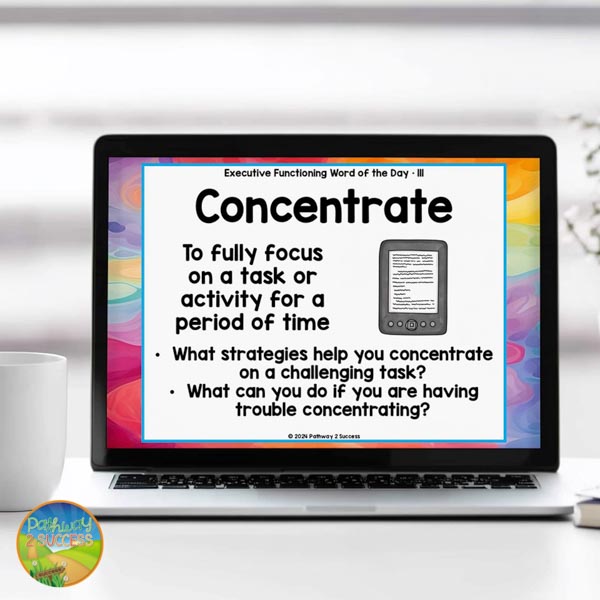
Active engagement in the learning process requires students to evaluate their own progress and adapt their approaches when necessary. Incorporating structured reflection times, strategy shares, and weekly individual check-ins allows learners to articulate what is working and identify areas for refinement. During strategy shares, students can exchange personal tips for problem-solving, which simultaneously strengthens classroom community and empowers individual autonomy.
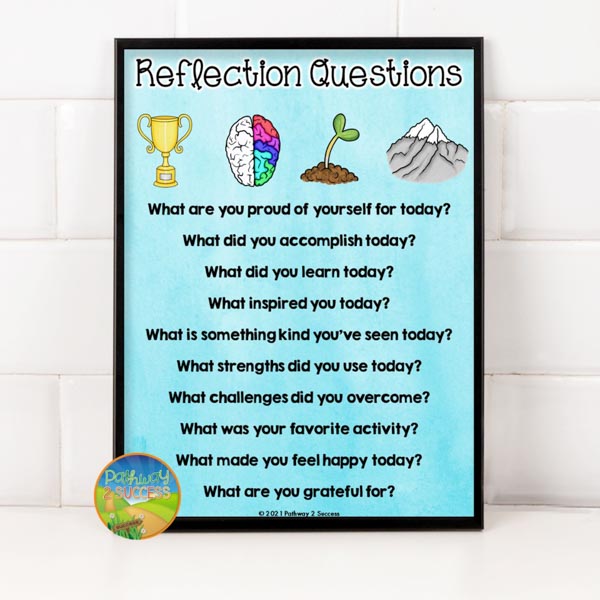
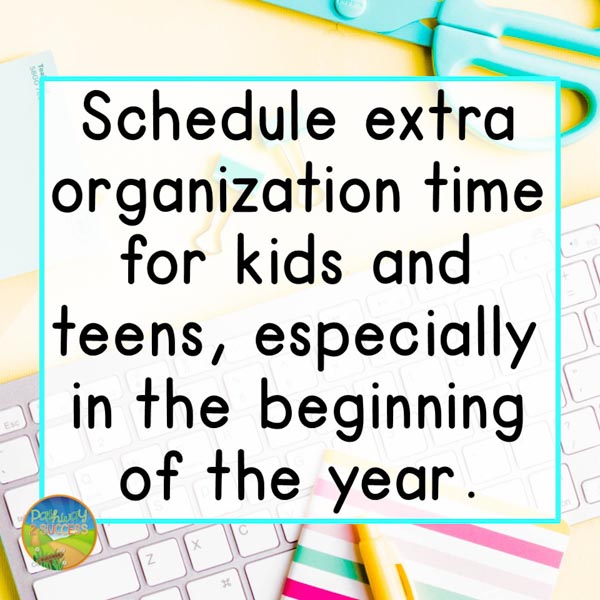
Self-monitoring—the ability to pause, assess one’s current trajectory, and course-correct toward a goal—is another crucial capability developed through daily practice. When paired with visual supports, regular organizational time, and an emphasis on healthy lifestyle habits such as adequate sleep and nutrition, these comprehensive approaches support the holistic development of every student.
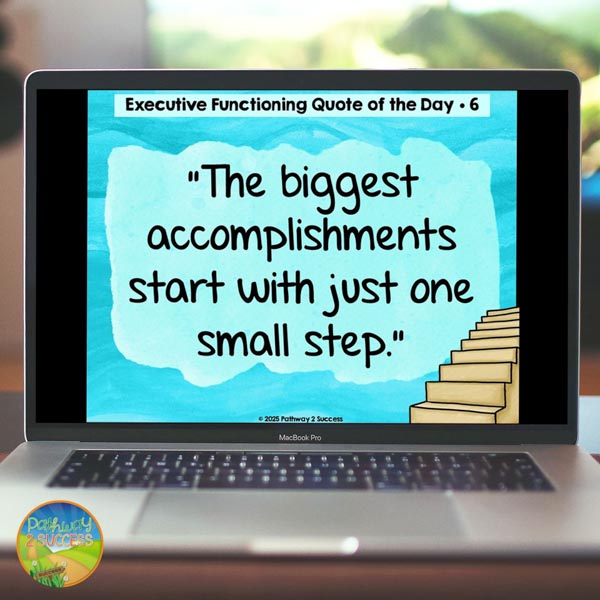
Ultimately, navigating the transition back to school is a learning process that involves challenges for both children and adults. By approaching the academic year with patience, celebrating small victories, and maintaining a consistent focus on executive functioning, educators can empower students to meet academic demands with resilience and confidence.



