
Whether it is a disagreement among peers over technique in a collaborative science project, a teenager feeling alienated when social groups shift, or a learner experiencing frustration due to being interrupted during a discussion, interpersonal friction routinely surfaces. Rather than viewing these flashpoints as disruptions to be instantly dismantled by authority figures, educational frameworks are increasingly treating them as teachable moments. The overarching objective is to instill resilient problem-solving methods, ensuring that kids and teens can talk through group project disagreements, communicate effectively with friends, and work through complex interpersonal problems with those around them.
Implementing structured conflict resolution strategies serves as a foundational pillar for academic and personal success in middle and high school environments. Far beyond merely stopping arguments in the hallway or the back of the room, these proactive supports unlock a wide array of developmental benefits for adolescents. By embedding these practices into everyday instruction, educators are laying the groundwork for healthier school climates where communication and emotional regulation take center stage.
Focus on Relationships
The most critical starting point for building conflict resolution skills is establishing a strong foundation of relationships within the classroom. Navigating interpersonal problems is widely acknowledged as a challenging endeavor, requiring continuous effort even among adults. Consequently, it is critical that young adults feel a genuine sense of connection to their peers and teachers.
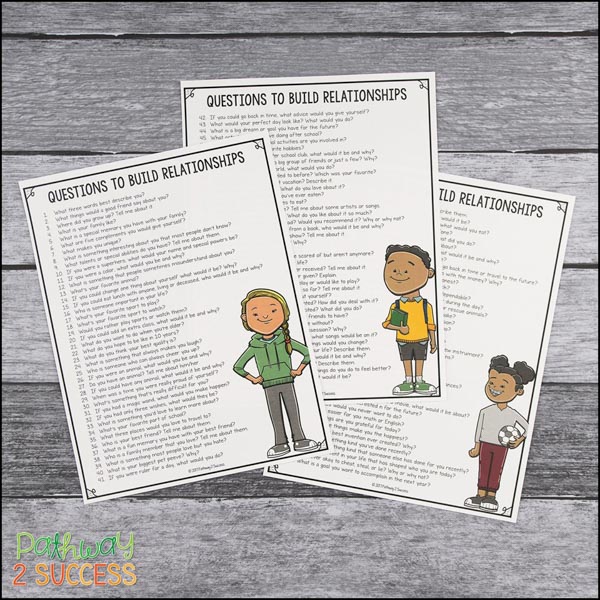
When students feel connected to the people around them, the psychological barrier to resolving disagreements drops significantly. Strong relationships create a cushion of mutual respect that makes it inherently easier to talk through problems and reach compromises. While numerous pedagogical techniques exist for building rapport, one of the most accessible methods involves facilitating regular group conversations using targeted relationship-building questions. These discussions open the door to meaningful dialogue, helping students understand different perspectives before major conflicts ever arise.
Explicitly Teach Conflict Resolution Strategies
Teaching conflict resolution skills from the outset of the school year requires a proactive approach rather than a reactive one. This means providing students with strategies well in advance of any crisis, while also reframing conflict as a natural and potentially positive part of human interaction. Students are encouraged to understand that working through disagreements helps them communicate more clearly, recognize their own boundaries, and ensure their needs are met collaboratively.
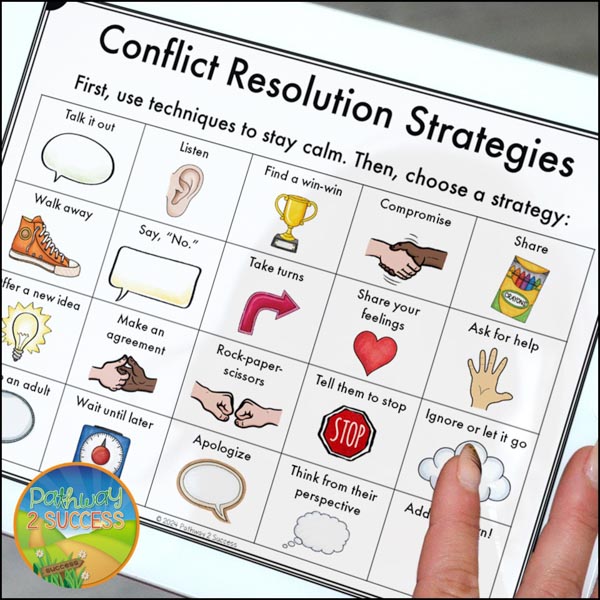
Furthermore, educators emphasize that different situations call for different tactics. For instance, if two classmates disagree on how to approach a complex assignment, the appropriate response involves talking it through and actively listening to each other’s ideas. Conversely, if a student feels pressured by a peer to share answers or compromise their academic integrity, the proper strategy shifts toward assertive self-advocacy, such as firmly and respectfully declining. Finding the right approach for each unique scenario requires ongoing guidance and practice within a controlled classroom setting.
Practice Active Listening
Active listening—the process of genuinely hearing, processing, and trying to understand what another person is communicating—is a vital component of successful conflict resolution. Because middle and high school students are still developing these cognitive and social capacities, they require dedicated opportunities to practice listening comprehension in relational contexts. Educators can weave active listening exercises directly into daily academic content and classroom routines, reinforcing the idea that listening is just as important as speaking during a disagreement.
Practice Calming Strategies
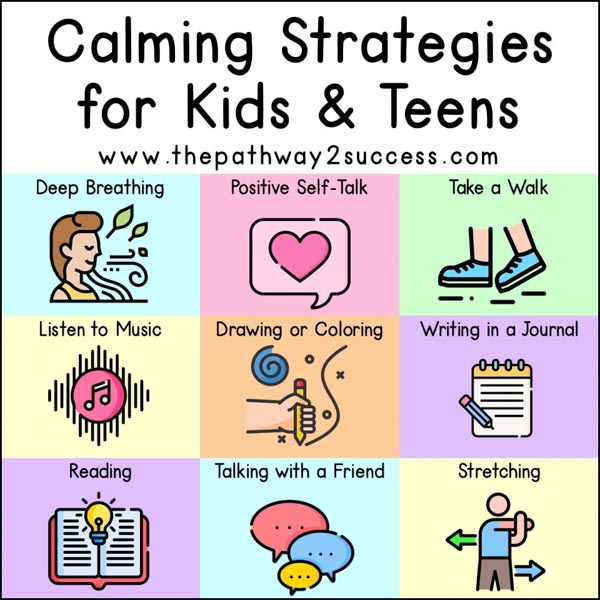
To effectively manage and de-escalate conflict, individuals must first achieve a state of emotional and physiological calm. Neuroscience provides a clear explanation for this requirement: when a person feels overwhelmed, stressed, or upset, the amygdala takes over. Often referred to as the "fight, flight, or freeze" center of the brain, this region triggers impulsive and reactive behaviors. Conversely, when a student is calm and relaxed, the prefrontal cortex—the part of the brain responsible for higher-level planning, rational thinking, and decision-making—regains control.
Because adolescents possess developing brains, they frequently require extra support and scaffolding to activate their internal calm during stressful encounters. Educators help bridge this gap by integrating calming strategies, such as deep breathing exercises, positive self-talk, brief peer consultations, and journaling, into the daily school schedule. Utilizing these techniques as routine brain breaks between demanding academic tasks ensures that students have built up enough familiarity with calming methods to deploy them instinctively when real conflicts arise.
Discuss Conflict Scenarios
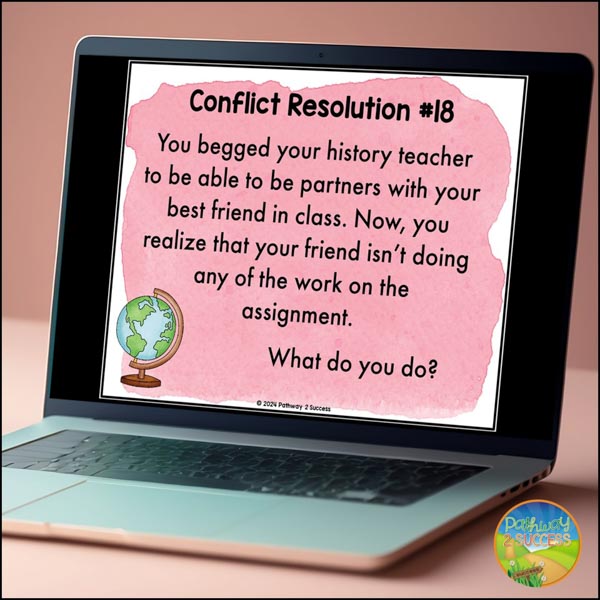
Utilizing realistic conflict scenarios offers kids and teens a secure environment to practice problem-solving without the high stakes of an actual emotional blowout. The pedagogical process involves reading a detailed situation, analyzing the underlying problem, and brainstorming healthy strategies for resolution. Because many real-world disputes feature multiple viable solutions, these scenario-based discussions encourage vibrant classroom conversations about the practical merits of different choices and the reasoning behind them.
Hold Class Meetings
Class meetings provide a structured, communal forum for addressing interpersonal issues, examining broader classroom dynamics, and collectively brainstorming solutions. By bringing the entire student group together on a regular basis, teachers foster a shared sense of responsibility for the classroom environment, allowing students to practice democratic problem-solving and collective empathy.
Encourage Self-Advocacy
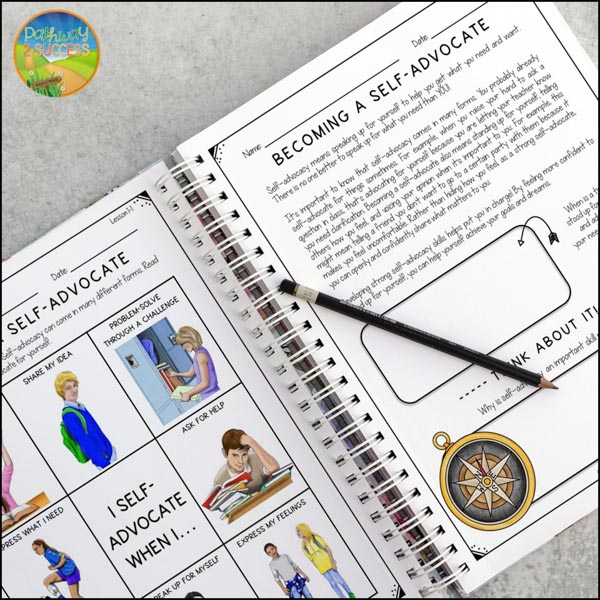
Self-advocacy and conflict resolution are deeply interconnected skills. As young adults navigate social and academic hurdles, possessing reliable methods to advocate for their own personal needs is essential. In a classroom setting, this might manifest as a student asking an instructor for clarification on a challenging concept or establishing firm personal boundaries by saying "no" when asked to participate in uncomfortable or inappropriate behavior. Cultivating these self-advocacy habits empowers students to take charge of their own well-being.
Integrate Group Work Activities
Deliberately planned group work projects present some of the most authentic opportunities for students to test and refine their conflict resolution skills in real time. By embedding collaborative assignments into the weekly routine and reviewing key communication strategies beforehand, educators create natural testing grounds where students must negotiate roles, divide responsibilities, and resolve minor grievances independently.
Practice Disagreeing Respectfully
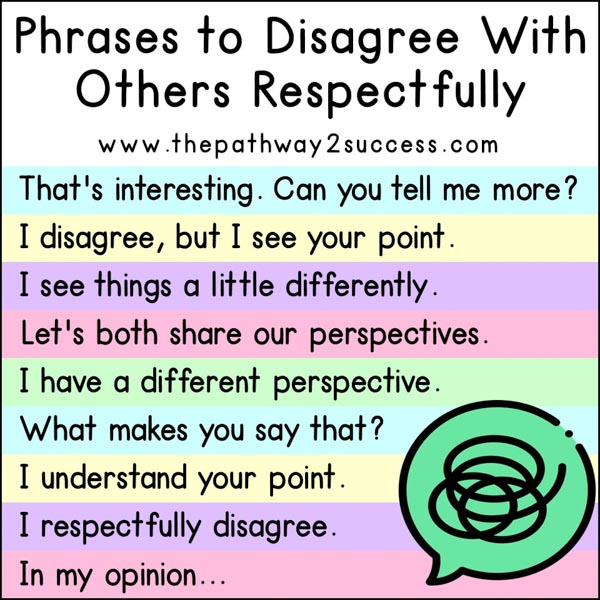
Disagreements over trivial matters like musical preferences or complex topics like problem-solving methods are an unavoidable part of everyday life. Teaching students how to navigate these moments without resorting to hostility is a core objective of social-emotional learning initiatives. Classrooms frequently utilize high-interest discussion prompts—such as debates over historical inventions, artistic genres, or favorite foods—to explore engaging topics while simultaneously practicing respectful disagreement phrases.
Use Visual Reminders
Visual aids, including informational posters and dedicated bulletin board displays, serve as constant reference points for the conflict resolution frameworks introduced by educators. By keeping these strategies visible within the physical learning environment, teachers reinforce the use of peaceful solutions throughout the school day.
Give Daily Reflection Time
Incorporating brief reflection periods at the conclusion of the school day allows students to evaluate their interpersonal interactions, assess what went well, identify areas for improvement, and take personal accountability for their choices. This consistent practice of self-evaluation helps cement the conflict resolution lessons learned over time, ensuring that students leave the classroom better prepared for future interactions. Ultimately, effective conflict resolution relies not on preventing disagreements, but on providing young adults with the continuous support and practice needed to manage them constructively.



