
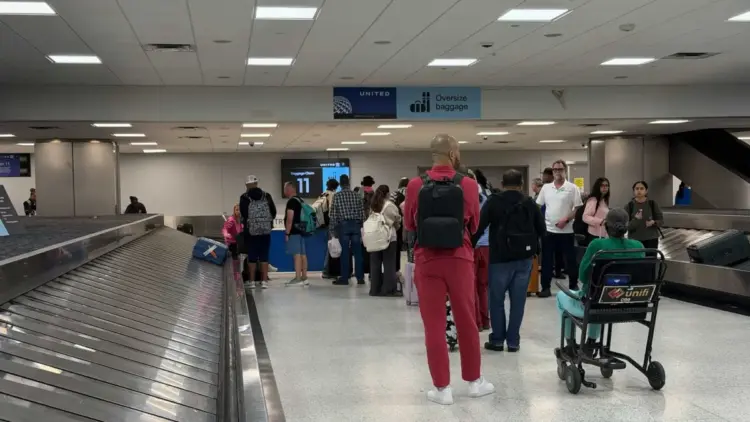
For many travelers with disabilities, boarding a commercial flight involves an invisible yet heavy tax of anxiety. Beyond the standard delays, security lines, and tight seating, there remains a constant, looming hazard: the safety and structural integrity of their primary mobility device. For frequent flyers who rely on heavy, custom-engineered power wheelchairs, a single flight can instantly transform an essential independence tool into a compromised, hazardous liability.
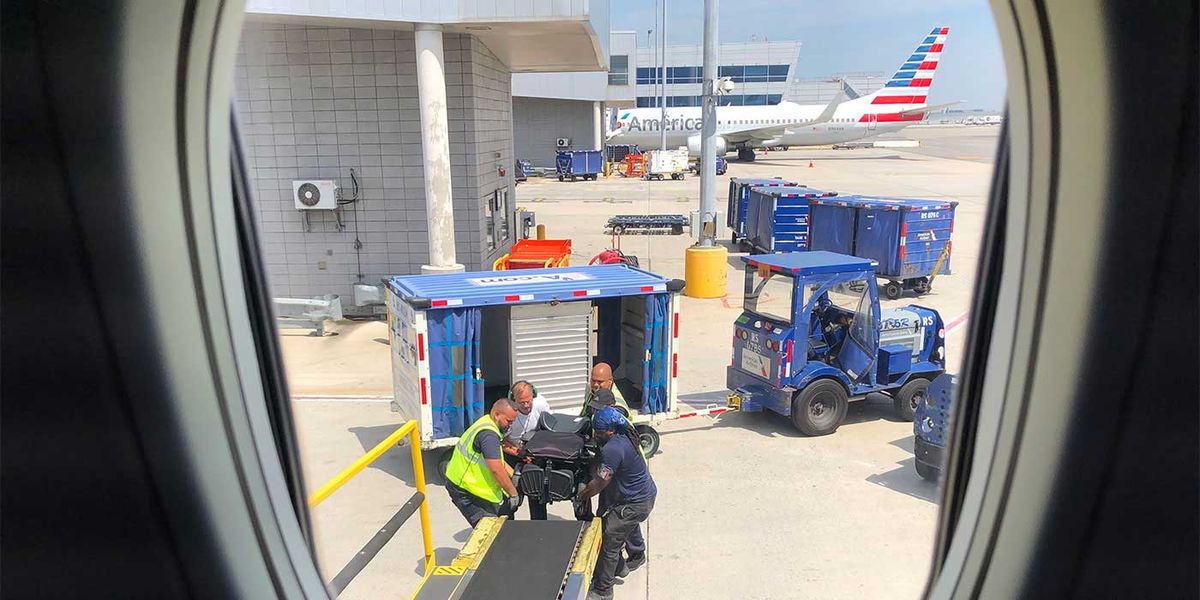
Early this year, this harsh reality played out once again on an American Airlines flight. Watching from the cabin window, a passenger witnessed baggage handlers bypass the proper wheelchair lift entirely. Instead, attempting to manage a piece of equipment far too heavy for manual lifting, the crew physically lifted the 400-pound power wheelchair from the belt loader. The inevitable consequence followed immediately: the weight proved too much to safely handle, and the motorized chair was dropped onto the tarmac pavement at a sharp, awkward angle.
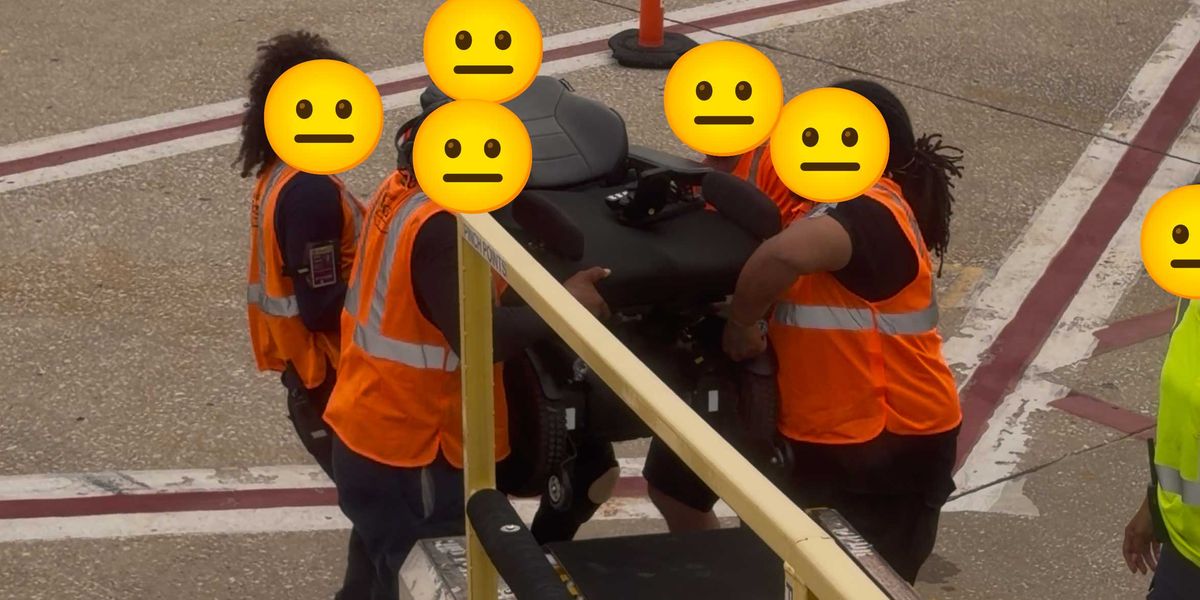
From the aircraft window, the traveler suspected the worst. While a full assessment had to wait until deplaning, the initial damage report filed with the carrier covered what could be personally verified at the time: a broken piece of plastic trim, a bent headlight, and, most alarmingly, an abnormal, concerning noise originating from the wheel assembly. Visually, the sophisticated machinery appeared largely intact, but in the complex world of modern power mobility, looks are deceiving.
The Illusion of Repair: Local Technicians Versus Specialized Equipment
What followed was a frustrating, multi-month odyssey of misdiagnosis and ineffective repairs that highlights a systemic disconnect in how the travel and medical equipment industries handle airline-induced damage.

A local wheelchair repair technician was initially dispatched to the passenger’s home to investigate the mechanical anomalies. After a brief assessment, the technician diagnosed the issue as a bent drive wheel. A replacement part was ordered, shipped, and installed a few weeks later. Yet, the moment the chair was powered back on, the persistent noise remained unchanged.
A second technician was sent out, this time pointing the blame at a damaged motor. Another specialized part was ordered, waited on, and eventually installed weeks later. Once again, the underlying noise persisted, defying the attempted fixes.
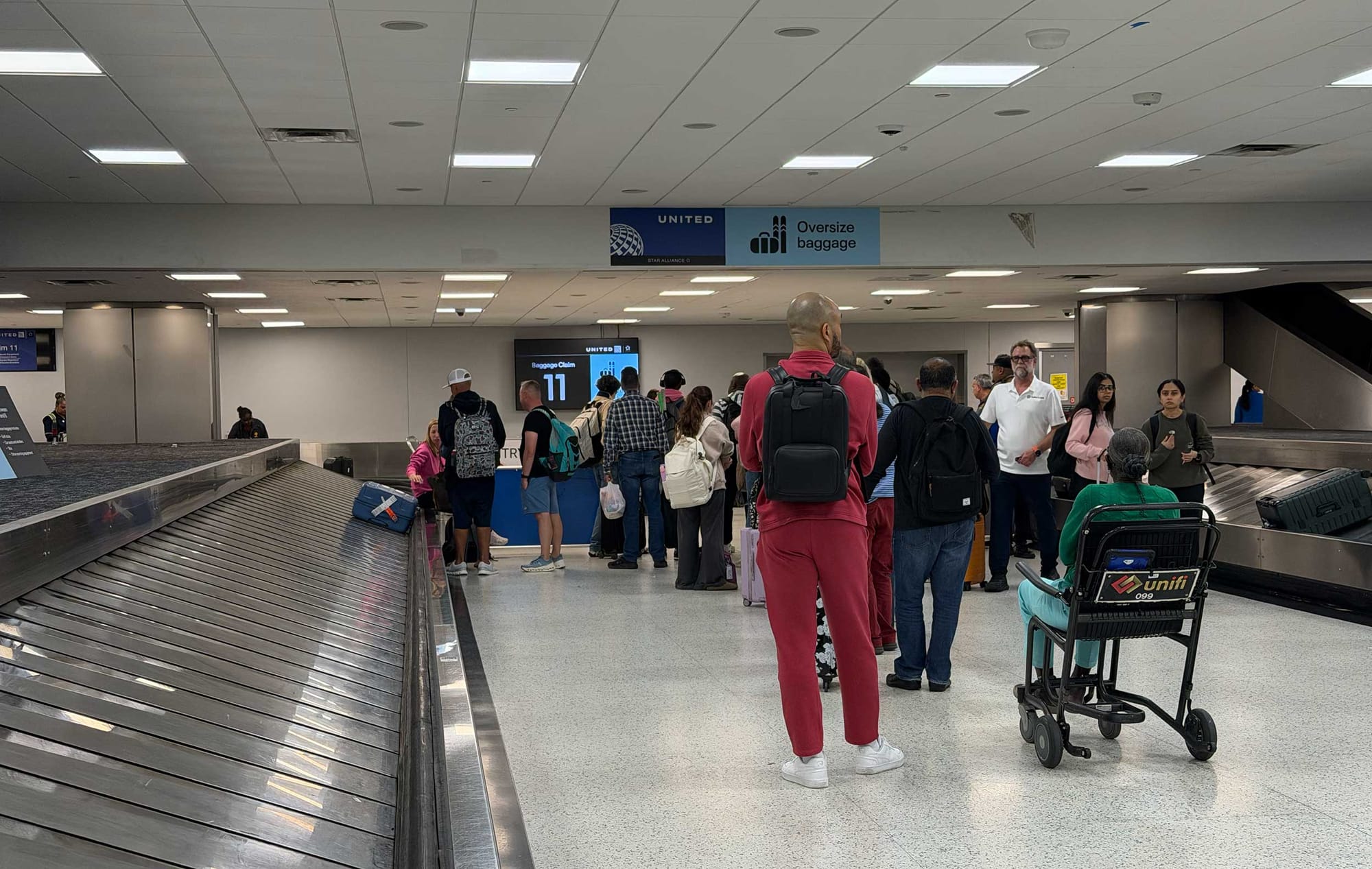
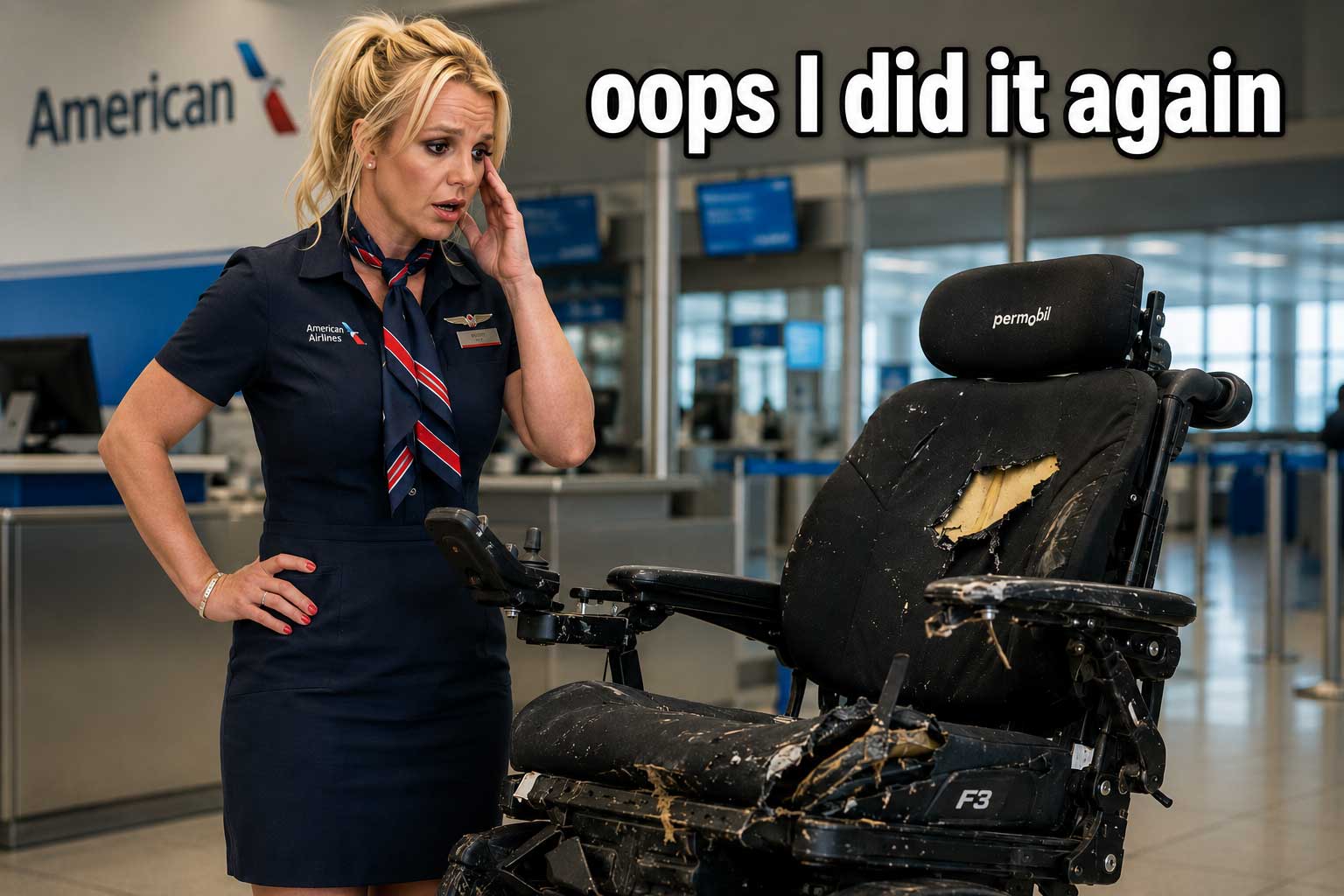
Before this initial cycle could be resolved, the situation deteriorated further thanks to subsequent mishandling. On two separate occasions, the same wheelchair was mishandled—and dropped even harder—this time by United Airlines. The additional impact left the equipment with a visibly bent armrest, a torn seat cushion, and an even louder, more disruptive mechanical grinding noise emanating from the vital undercarriage components.
Over the succeeding weeks and months, a revolving door of local wheelchair repairmen cycled through the passenger’s home. Everything from motors and wheels to casters and shock absorbers was systematically replaced, yet the elusive noise never went away.

Exhausted by the process, having sacrificed countless hours across more than ten separate service appointments for zero meaningful resolution, the traveler was ready to give up. In a final, desperate attempt, the passenger bypassed standard local third-party providers and requested an evaluation directly from the equipment manufacturer.
The Manufacturer’s Verdict and a Grim Milestone
When a representative from Permobil—a leading manufacturer of complex power wheelchairs—finally inspected the equipment, the underlying truth became immediately clear. As an expert intimately familiar with the structural design of the chair, the manufacturer representative confirmed that the frame itself had sustained critical, irreparable damage during the tarmac drops.
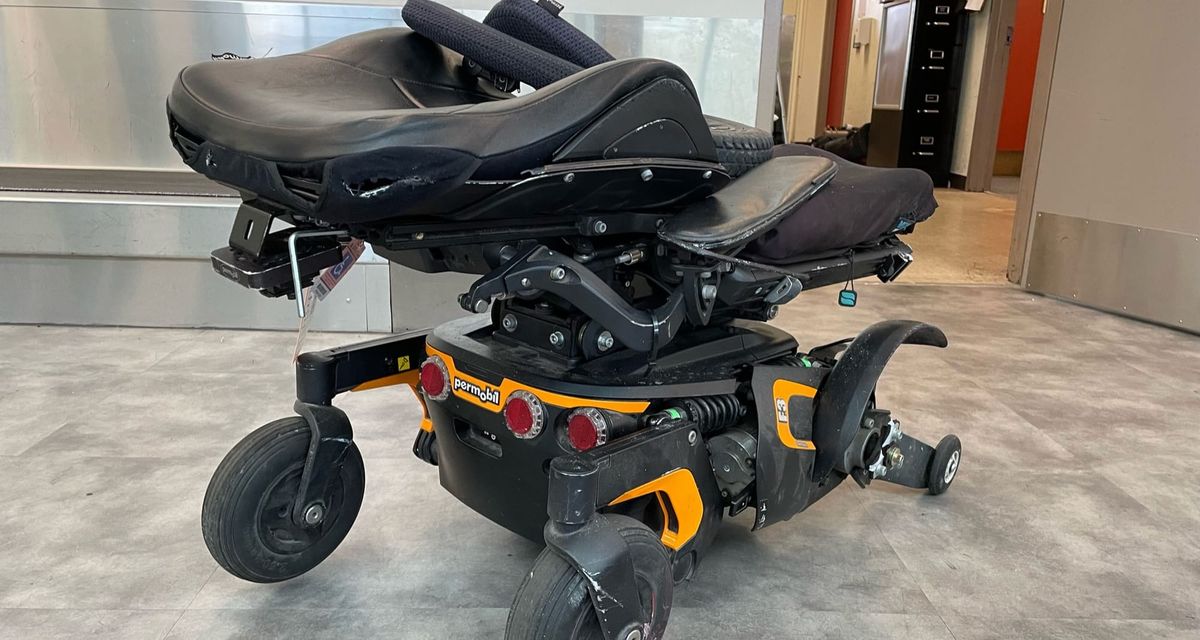
The representative delivered a definitive, professional assessment: once a high-end power wheelchair is dropped or subjected to severe impact forces, the manufacturer can no longer certify that the equipment is safe to use.
That official declaration served as the necessary turning point. Armed with the manufacturer’s safety certification denial, United Airlines finally approved a replacement wheelchair. With this latest settlement, the passenger achieved a grim and frustrating milestone: having had a heavy-duty power chair completely destroyed and subsequently replaced by each of the big three legacy U.S. carriers—once by Delta Air Lines, multiple times by American Airlines, and now by United.
Why Local Repairs Fail for Airline Damage
The root of the ongoing repair cycle lies in a fundamental mismatch of expertise and equipment usage. Local wheelchair repair technicians are thoroughly trained and highly skilled in routine, day-to-day maintenance. They spend their working hours conducting standard service calls, such as changing worn tires, installing fresh batteries, and swapping out component parts that have reached the end of their natural lifecycle.
Crucially, the vast majority of the wheelchairs these local technicians service are utilized strictly within homes and local community environments. They are not subjected to the brutal, high-frequency trauma of being loaded, stacked, and offloaded from the cargo holds of more than a hundred commercial aircraft every single year.

When these local technicians arrived to assess the travel-damaged wheelchair, they heard an audible mechanical noise and logically tried to fix the specific parts that seemed to correlate with the sound. While that approach appears reasonable on the surface, it proved entirely futile because the structural damage to the frame was fundamentally unrepairable.
The reality is that commercial airlines subject heavy power mobility devices to forces and dropping incidents that would never occur in a domestic environment. A 400-pound custom power chair is never lifted entirely off its wheels and dropped onto concrete anywhere outside the direct custody and care of airline baggage operations. For future incidents, industry advocates and frequent travelers emphasize the necessity of calling upon manufacturer representatives much earlier in the claims process, as they possess the precise engineering insight required to identify structural compromises that local providers routinely miss.
The Cycle Continues
The logistical nightmare, however, offers no permanent respite. The newly approved replacement wheelchair was delivered just last month, offering a brief window of renewed mobility before facing the ultimate test. A week after delivery, the brand-new chair embarked on its inaugural journey: a routine round-trip itinerary from St. Louis to Dallas operated by American Airlines.
While the outbound leg of the journey proceeded without incident, the return flight proved that the systemic vulnerabilities in airline baggage handling remain entirely unaddressed. Upon unlatching and retrieving the equipment at the destination, the passenger discovered that the brand-new wheelchair had once again sustained damage during transit. While the full extent of the structural impact remains to be formally evaluated, loud, worrisome squeaking noises are now emanating directly from the complex seating system and the central support pillar.

As the paperwork begins anew and the familiar anxiety of scheduling inspections returns, the reality of accessible air travel remains unchanged. For wheelchair users navigating the skies, the journey is consistently accompanied by the lingering question of whether their essential independence will survive the flight home.



