

As soon as that lingering stare locked onto John, it was hard not to anticipate the familiar script. With her lips caught somewhere between a downturned pout and a sympathetic smile, the observer broadcasted that specific brand of misplaced pity that anyone familiar with the disability experience learns to recognize instantly. Expecting yet another unsolicited inspirational affirmation—perhaps a whispered declaration that John was "an angel"—the moment initially felt like just another routine encounter in public life. Having already navigated the disability experience alongside Robert, the expectations seemed clear. What happened next, however, completely upended those assumptions.
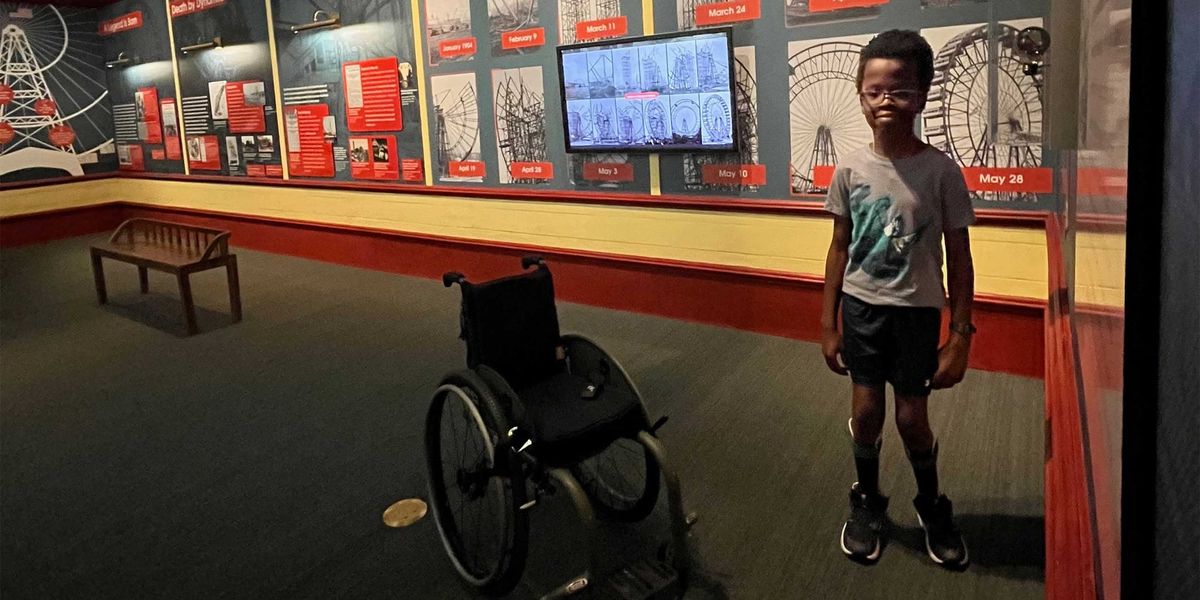
The scene unfolded during a quiet breakfast on a second date, just hours before a planned trip to the Knoxville Museum of Art. Although the first in-person meeting had taken place only the night before, their connection was already well past the introductory stages, built on a foundation of a deep preexisting friendship and a long-distance relationship. Amidst the excitement of sharing quality uninterrupted time, a restaurant staff member interrupted their meal. She expressed profound, vocal amazement that John was not only responsible for his own food but was also successfully navigating the serving station to retrieve his own juice. The disbelief culminated in an exclamation that left no ambiguity about her perception: "He doesn’t even have a whole body!"
The comment was so pointed and so remarkably specific that it rendered the moment entirely speechless. A spreading grin had to be stifled, followed by a curt head nod and a brisk retreat from the restaurant. Barely making it outside the front doors, the initial shock dissolved into the first of many giggle-fits that John would come to witness in their shared life.
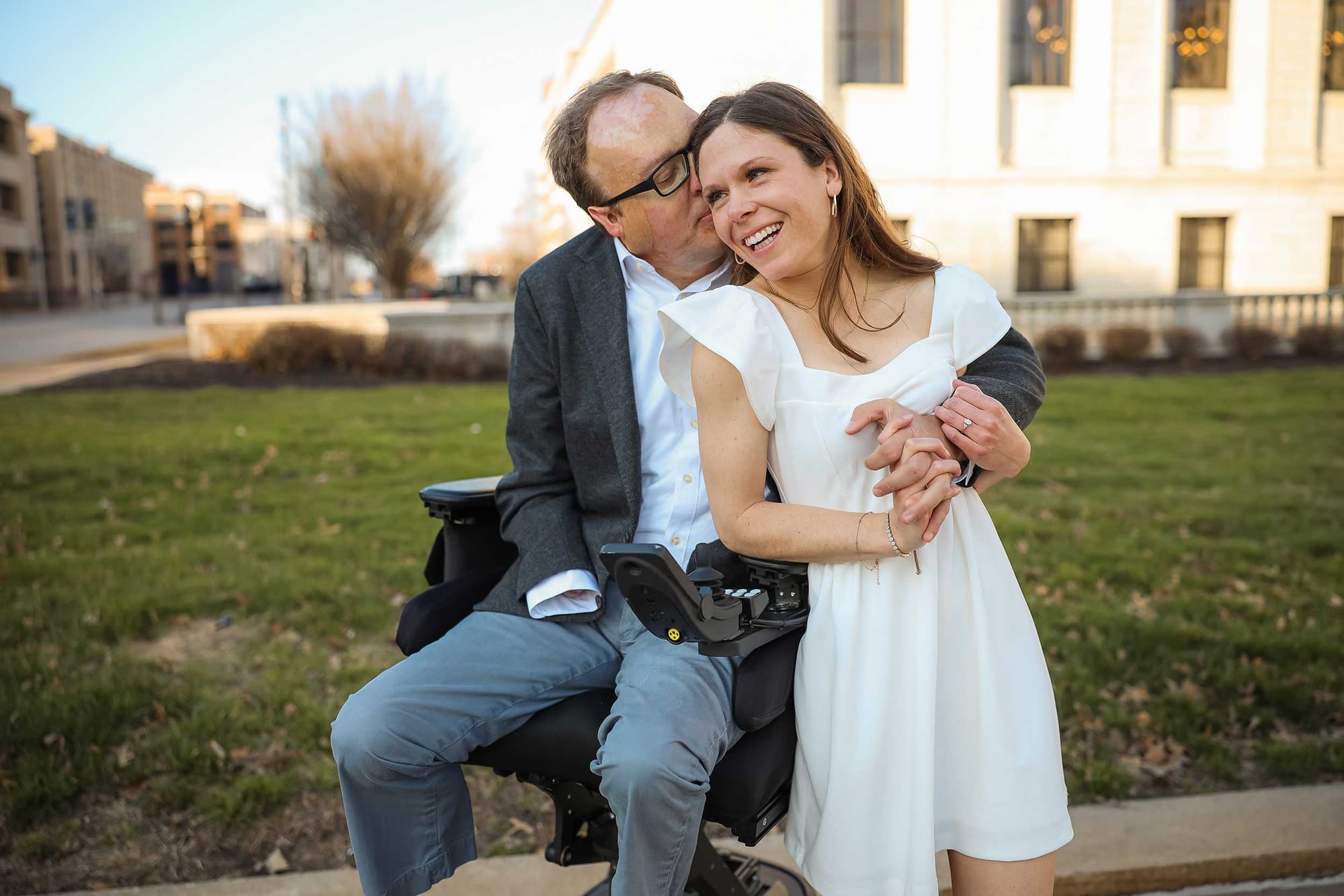
Finding humor in the absolute absurdity of everyday ignorance has become a cornerstone of their dynamic. While this approach occasionally elicits a characteristic eye-roll from Robert, such reactions are widely understood to be standard teenage angst rather than a rejection of the coping mechanism. In truth, the family benefits profoundly from the shared laughter used to process these awkward, frequently intrusive public moments.
Reflecting on these interactions reveals the complex mental calculus required to teach a young person how to respond to ableism. It is a nuanced process that directly challenges many of the unspoken social rules absorbed by children as they learn to function in society. Uncovering these ingrained societal biases and teaching Robert how to effectively counter ableism remains a recurring, vital conversation in their household.

Society generally teaches that ignoring people is inherently rude, yet Robert has been taught that walking away is an entirely acceptable and necessary defense mechanism when faced with intrusive, infantilizing, or dehumanizing comments. Similarly, standard social etiquette dictates automatic submission to authority figures. Yet, John actively models and helps Robert practice prioritizing his own needs while critically questioning which claims to authority are legitimate.
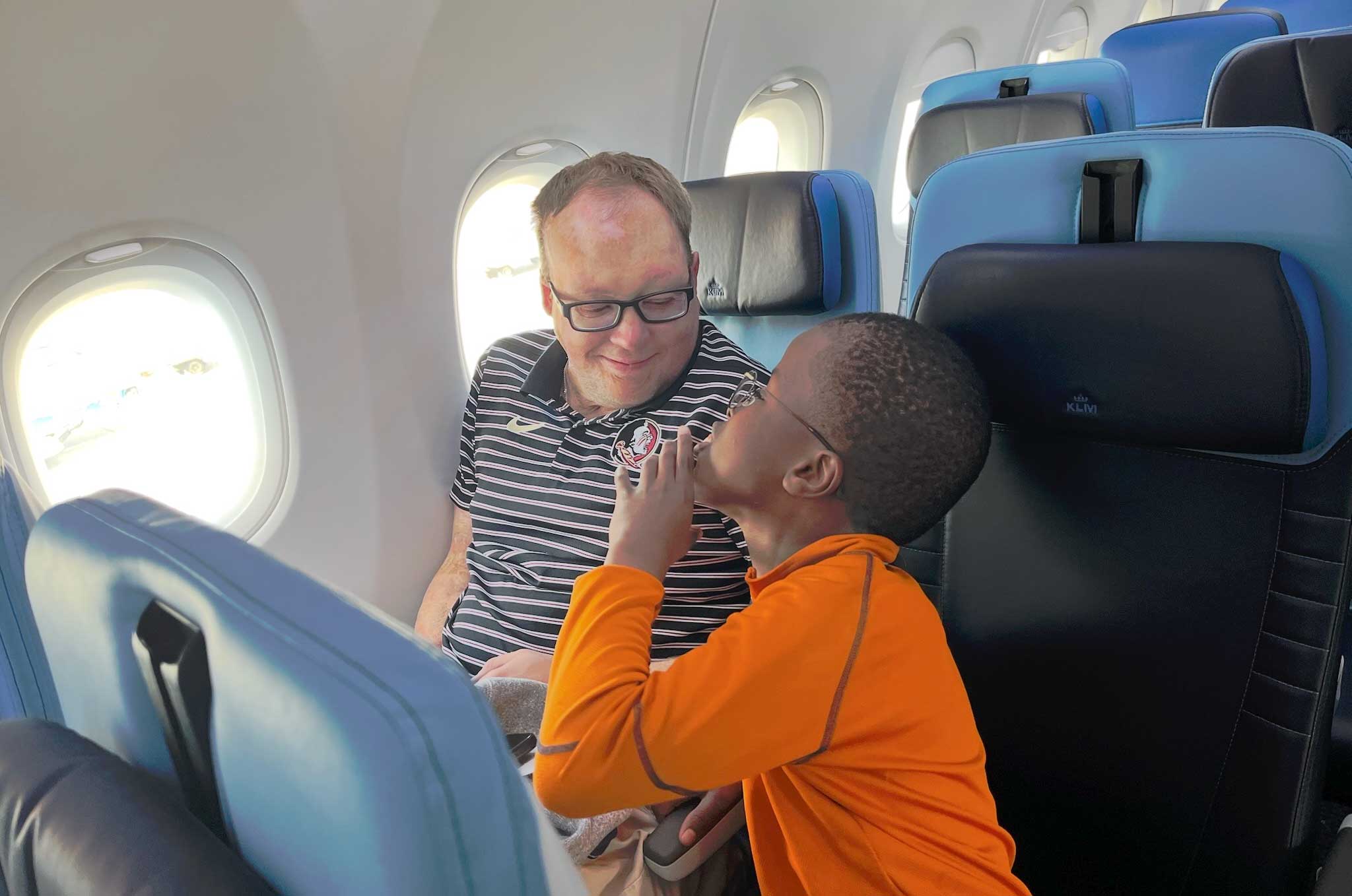
This tension is especially evident during air travel. When airline wheelchair assistance staff demand that John and Robert exit an aircraft before their personal wheelchairs have been returned to the jetbridge, both refuse to comply. Such demands disregard basic accessibility protocols and passenger dignity, making the enforcement of boundaries non-negotiable.
Public encounters frequently carry expectations that disabled individuals will willingly provide personal medical explanations for their mobility aids and accommodations. To combat this intrusion, the family maintains a practiced, ready-to-use arsenal of boundary-setting responses, such as stating plainly that they do not share personal medical information.
Gratitude is another social norm heavily policed in the disability community. While "thank you" is considered the mandatory response when receiving assistance, Robert has been explicitly told he is entirely within his rights to pull away without a glance or a word if an uninvited stranger attempts to grab his wheelchair. Disabled children are routinely conditioned to express excessive gratitude simply for receiving equal access, a dynamic that demands critical examination regarding how much thankfulness is genuinely warranted in public accommodations.

Honesty is a core household value, with one notable exception: fabricating entirely fictional, highly absurd origin stories to shut down intrusive "What happened to you?" inquiries. To deter prying questions, John has even been known to attribute his leg amputations to a dramatic shark attack.
Opting for this path of active self-advocacy rather than passive compliance is not without its difficulties. Some might argue that establishing a single, uniform response strategy or stripping Robert of his agency would make daily life easier and shield him from how he might be perceived by the public. Yet, doing so carries a heavy cost. Choosing a path that prioritizes the present comfort of society risks molding a teenager who follows restrictive rules at the direct expense of his dignity. The alternative—raising a young person who may occasionally ruffle feathers but remains fiercely true to himself and capable of self-advocacy—serves the greater good far more effectively.
Tackling a systemic social justice issue through personal, day-to-day interactions is undeniably exhausting. To maintain focus without burning out, several mental shifts have proven essential.
The first shift involves perspective. Countering ableism is remarkably similar to doing household laundry; it is an ongoing, cyclical chore that is never truly finished. There is no point at which the work is permanently completed. Recognizing this cyclical reality rather than approaching advocacy with a rigid checklist mentality provides a more balanced viewpoint. Success does not require fixing society all at once. Progress happens in increments—addressing an issue here, learning a lesson there, practicing a response, or temporarily stepping back when energy reserves are depleted.

Another essential component is continuous discussion. The primary strategy for teaching a child how to respond to ableism is to consistently ask questions and examine experiences together. Ongoing conversations involve asking what can be learned from a specific encounter, evaluating what worked and what failed, and checking in on emotional responses. Because a child’s feelings and perspectives evolve with age and maturity, collaborative problem-solving yields far better results than looking for a single magic fix.
Rehearsing responses also bridges the gap between theory and action. When recurring problems are identified, the family actively practices potential solutions. Role-playing scenarios, using props, and even collaborating on comic books detailing specific strategies help internalize responses before high-stress environments put them to the test. For instance, because boarding airplanes frequently involves assistance staff making unilateral decisions or moving wheelchairs without permission, practicing these scenarios at home prepares Robert to respond clearly and respectfully when faced with similar pressures in the real world.
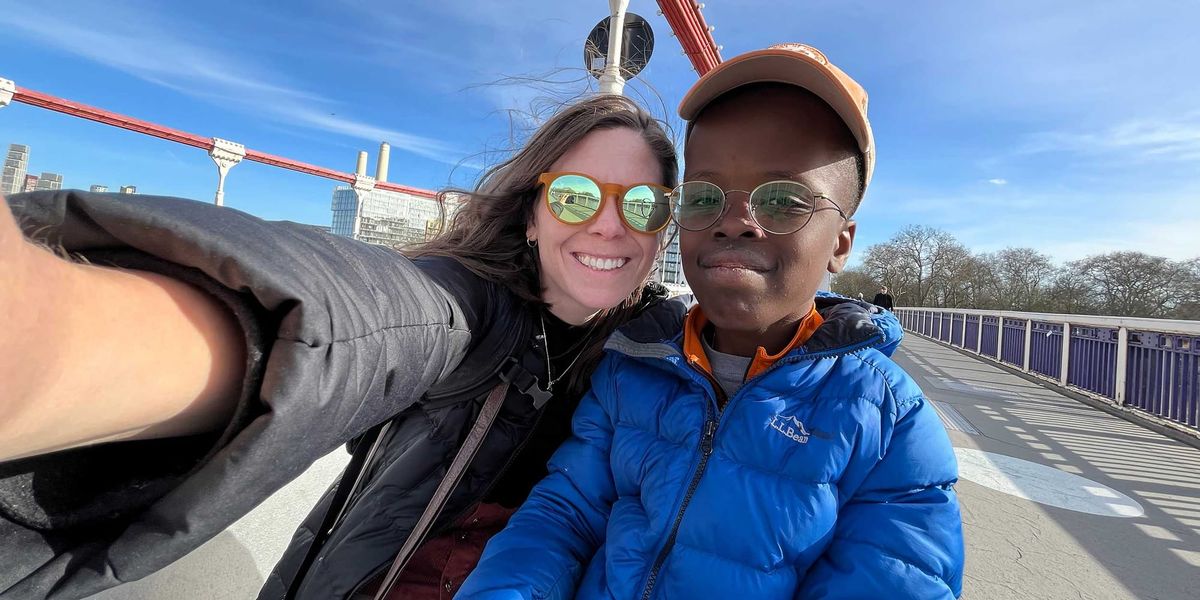
As travel continues to serve as both a profession and a documented family journey, navigating the world as a unit brings constant learning opportunities. A wide array of acquired skills helps counter ableism, though even seasoned advocates occasionally stumble or wonder if a different approach would have yielded a better outcome. The constant pressure of examining public interactions remains a heavy mental load. Furthermore, acceptable responses to ableism shift depending on intersecting factors such as age, race, gender, and the specific nature of a disability, all of which trigger pre-existing societal assumptions. Through a combination of advance planning, open communication, and trial-and-error, Robert continues to build confidence in his ability to advocate for himself.



