
ST. LOUIS — Regular publication of the Wheelchair Travel Newsletter will resume next week following a group trip led by John across Europe. Ahead of his return, organizers have announced that a brand-new Summer 2027 tour will be officially unveiled to subscribers upon his arrival back home.
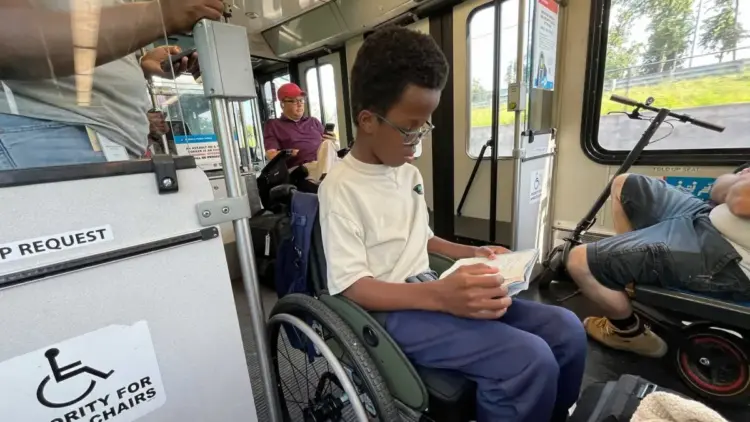
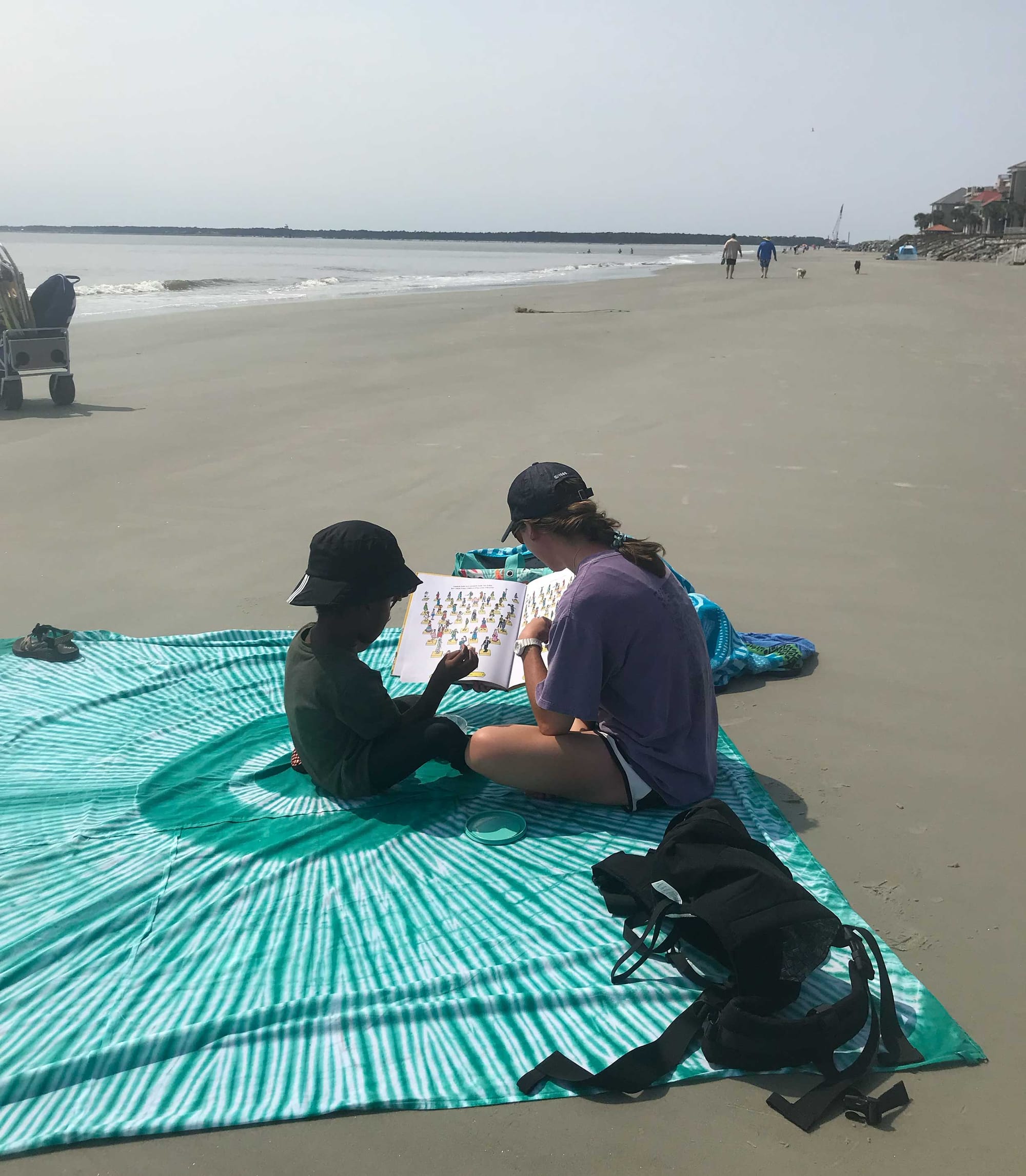
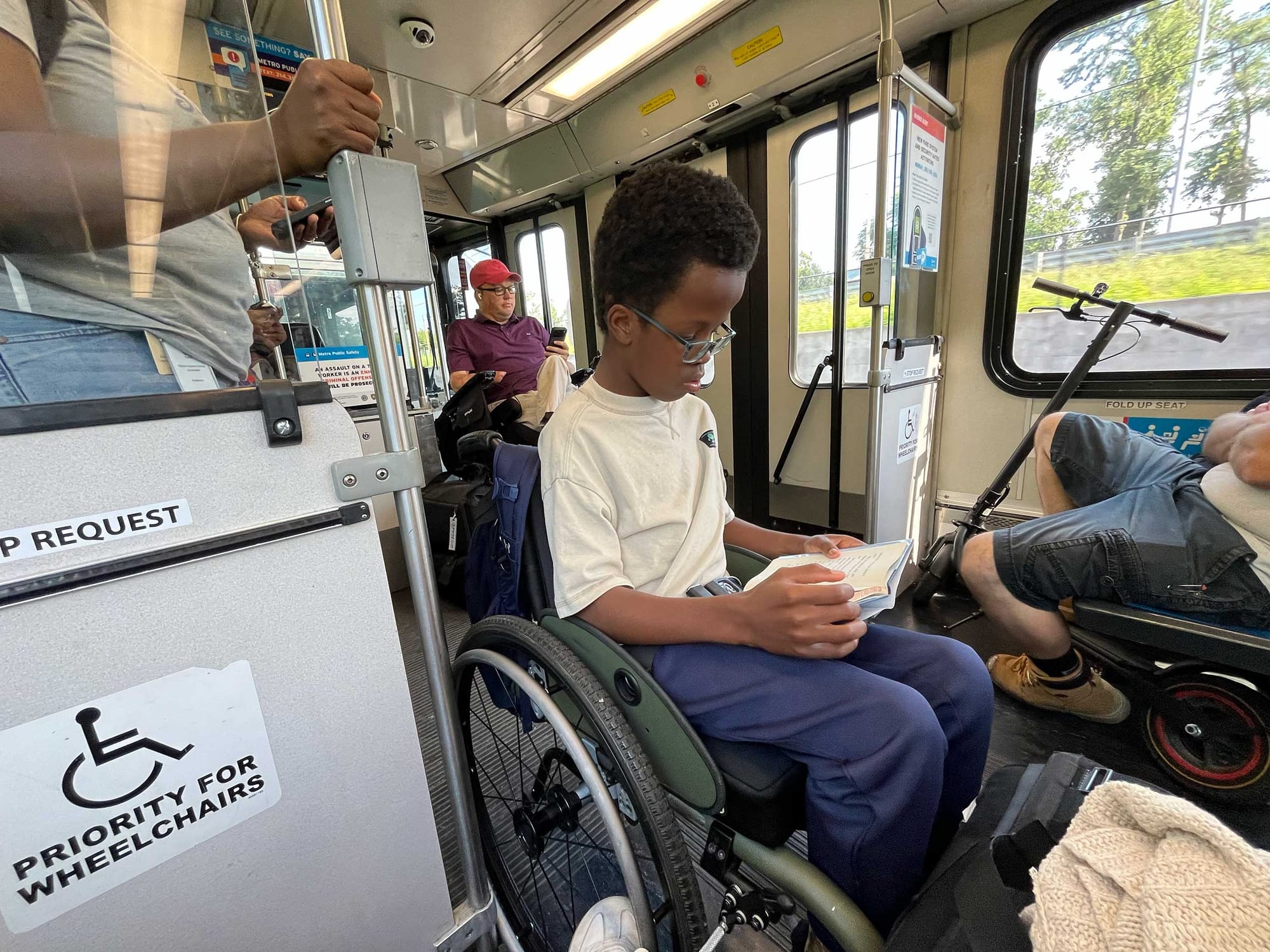
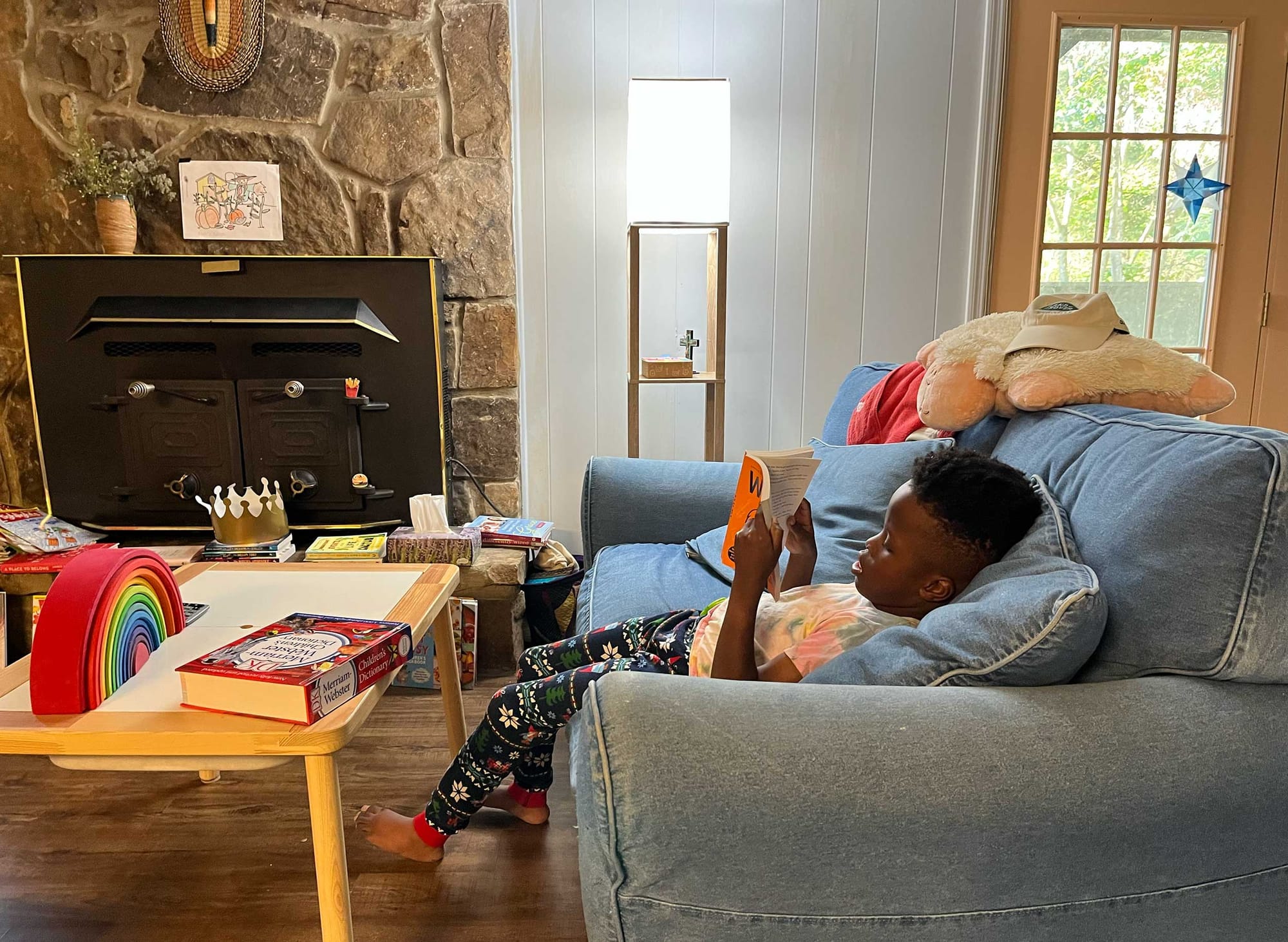
In the interim, the publication has turned its focus to an essential travel companion: reading. Whether enduring lengthy waits at departure gates, managing unexpected air travel delays, or watching the countryside roll past from a train window, travel inherently provides ample opportunities for a good book. As part of an upcoming feature exploring boredom busters for young travelers on the move, editors noted that reading remains a cornerstone activity for their family. With nightly reading habits and a longstanding book group that has met among close friends for nearly five years, the family’s affinity for literature runs deep.
This appreciation for books has found a fitting backdrop in their new home city of St. Louis, anchored by the grand architecture of the Saint Louis Central Library. The historic building evokes the classic atmosphere long associated with spaces dedicated to the preservation and sharing of literature. Etched into the exterior walls are thoughtful reflections on the power of reading, including a prominent quote by Andrew Carnegie: “I choose free libraries as the best agencies for improving the masses of the people because they only help those who help themselves. They never pauperize. A taste for reading drives our lower tastes.”
Seeking to share a passion for impactful storytelling, the publication has curated a list of top-tier disability literature, breaking down notable recommendations across loose age groupings. Having explored hundreds of titles over the years, the selection highlights works that serve as vital mirrors reflecting lived experiences and windows into diverse perspectives.

Early Childhood Picture Books
Literature for young children serves a foundational role in shaping perceptions of identity and inclusivity. Among the standout early childhood picture books is What Happened to You? by James Catchpole. Having followed the Catchpoles’ journey on social media for years, reviewers celebrated the 2023 U.S. release of James’s first book, which addresses the unspoken, everyday encounters disabled children face. Through the main character, Joe, the book tackles the overwhelming reality of ingrained ableism in a manner that remains accessible to young minds. The narrative gives children and parents precise language to articulate experiences that previously lacked a clear vocabulary, complemented by additional works from both James and Lucy Catchpole.
Another notable early addition is Best Day Ever by Marilyn Singer, a lighthearted and upbeat story about a puppy devoted to her young owner, who happens to use a wheelchair. Featuring illustrations by Leah Nixon, the book delivers authentic disability representation without making the wheelchair the sole focus of the plot. By fulfilling the vital role of a literary "mirror," the book helps bridge a long-standing gap in children’s literature, ensuring disabled children see their everyday lives reflected on the page.
Rounding out the early childhood selections are Jordan Scott’s award-winning I Talk Like a River and Annette Bay Pimentel’s All the Way to the Top. Scott’s book captures a boy navigating a severe stutter with his father’s guidance, comparing the cadence of his speech to the flowing waters of a river. Its wholesome reality and lyrical style invite cross-generational reading. Meanwhile, Pimentel’s illustrated biography introduces young readers to disability history through the true story of Jennifer Keelan-Chaffins, who participated in the historic Capitol Crawl as a child, demonstrating that individuals of any age can contribute to a more accessible world.
Middle Grade Novels
As readers transition into middle grade novels, narratives begin to explore deeper layers of friendship, self-discovery, and societal structures. Dusti Bowling’s Insignificant Events in the Life of a Cactus has emerged as a firm favorite among young readers, offering a realistic and humorous look at a protagonist, Aven, who was born without arms. While her physical reality is central to the plot, the story encompasses mystery, humor, and relationships—including a secondary character navigating Tourette Syndrome. The book has provided an effective springboard for family discussions regarding the nuances of disability representation.
Similarly, Rob Harrell’s Wink draws on the author’s own childhood experiences with a rare form of eye cancer. The protagonist, Ross, attempts to navigate the social complexities of middle school following a sudden diagnosis. The narrative blends quirkiness, music, and hard-earned life lessons, offering a relatable perspective for any young person who has ever felt outside the traditional social mold.
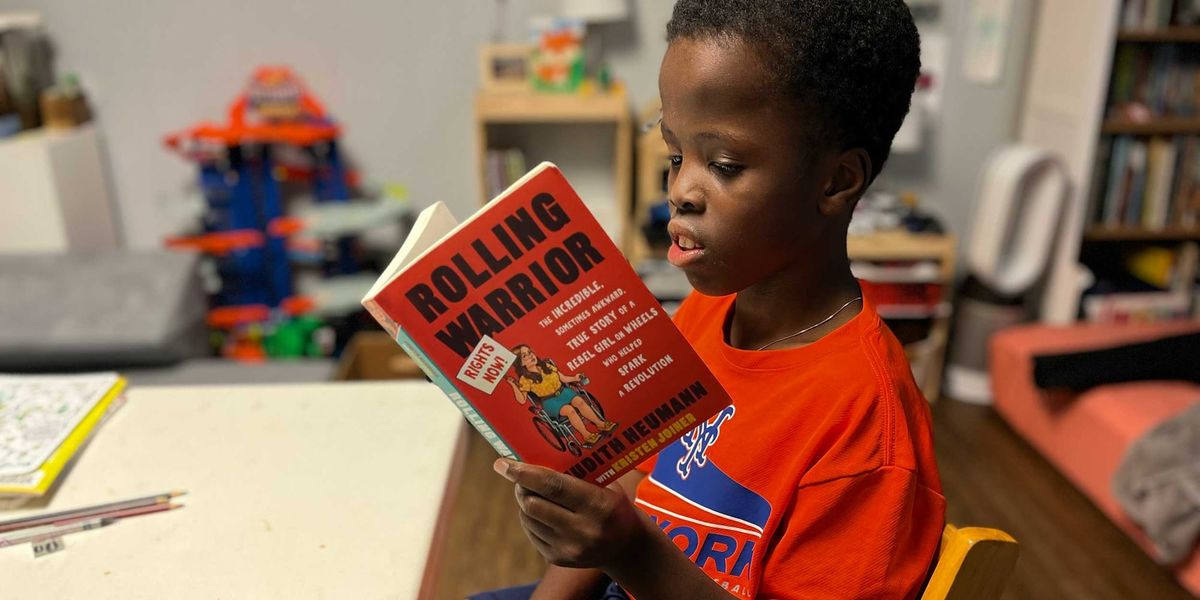
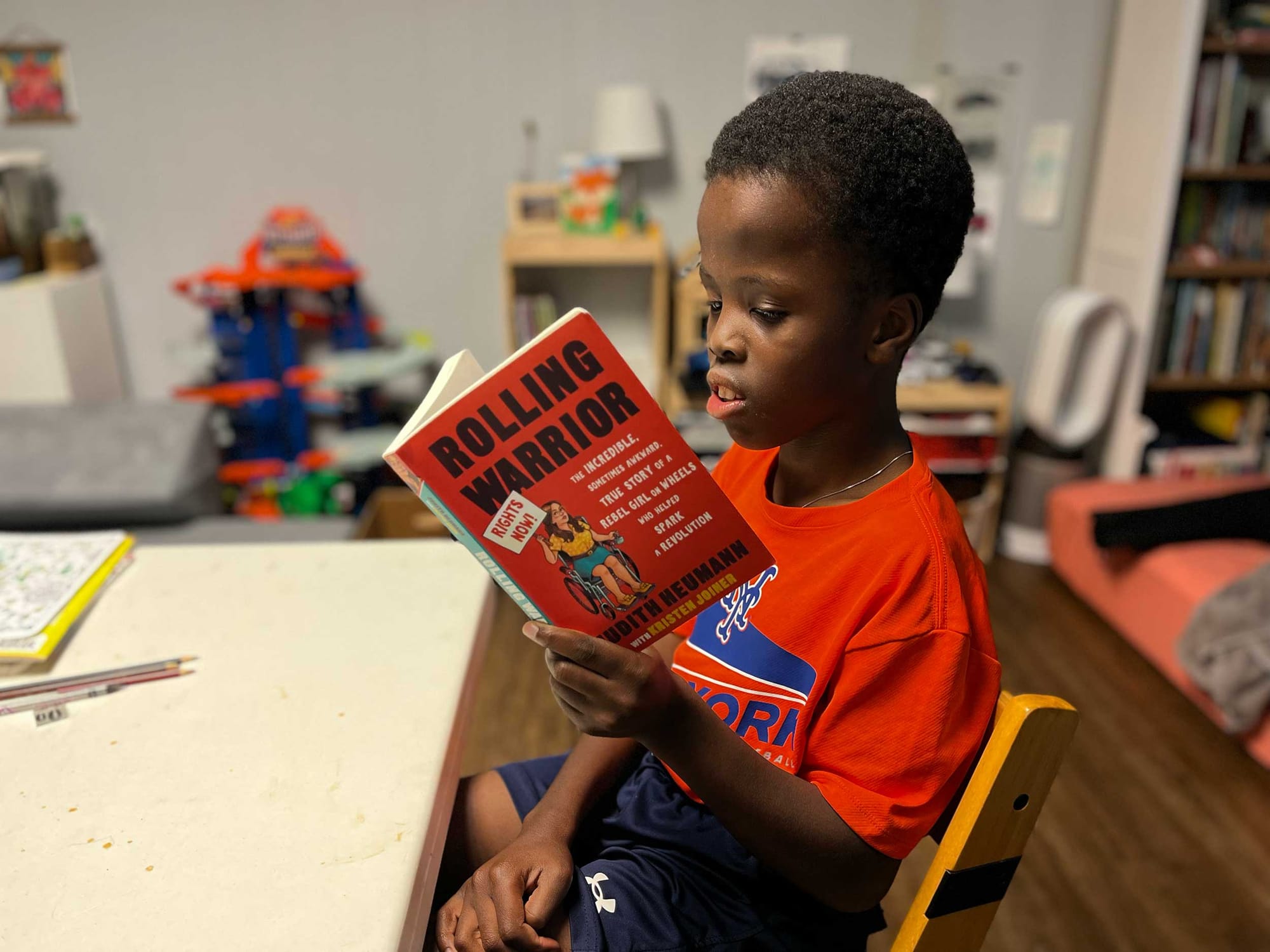
Nonfiction and biographical works also feature prominently in the middle-grade category. Rolling Warrior by Judith Heumann and Kristen Joiner adapts Heumann’s powerful memoir for younger audiences, detailing the tenacity and courage of a "rebel girl on wheels" who helped ignite the disability rights movement. Paired with Cerrie Burnell’s I Am Not a Label, which profiles more than 30 disabled artists, thinkers, and activists, these books expand the boundaries of possibility and offer vital role models for children navigating their own identities.
Titles for Young Adults and Adults
For mature readers, memoirs provide an intimate lens through which to examine the broader human experience. Rebekah Taussig’s Sitting Pretty offers a nuanced collection of essays that unpack disability both personally and culturally, challenging conventional societal perspectives without sacrificing realism.
Ariel Henley’s A Face for Picasso delivers a raw, thought-provoking examination of identity and beauty through the author’s experiences growing up with Crouzon Syndrome, a rare condition causing premature fusion of skull bones. The book challenges readers to reevaluate underlying societal biases surrounding physical appearance.
The selection is anchored by foundational figures in disability advocacy. Being Heumann: An Unrepentant Memoir of a Disability Rights Activist, co-authored by Judith Heumann and Kristen Joiner, chronicles Heumann’s monumental role in the 504 Sit-In, the passage of the Americans with Disabilities Act, and her subsequent service in the State Department. Similarly, Haben Girma’s Haben: The Deafblind Woman who Conquered Harvard Law highlights the tenacity required to navigate a society not initially built for accommodation, framing disability as a powerful catalyst for innovation.
Beyond the library shelves, community advocates remind residents that local public institutions offer resources extending far beyond books. Across America, many library systems provide cardholders with free or discounted admission to local museums and cultural attractions, connecting literacy initiatives directly with community engagement.



