
The combination of shifted daily routines, increased confinement indoors, and the underlying potential for holiday-related stress often leaves children and young adults needing extra emotional and behavioral support during the colder months. To address these seasonal challenges, child development specialists emphasize that practicing self-regulation does not have to feel like a chore; rather, it can be approached through engaging, accessible activities designed to bring calm and focus back into classrooms and homes.

A foundational approach to building these skills involves winter-themed breathing exercises. By focusing deliberately on inhales and exhales, children learn to utilize mindful breathing as a mental pause button rather than reacting impulsively to immediate feelings. This practice activates the parasympathetic nervous system, the physiological mechanism responsible for true rest and relaxation. Extensive educational and psychological research supports the efficacy of mindful breathing, noting its ability to bolster self-regulation, sharpen concentration, and cultivate an overarching sense of tranquility.

Moving beyond indoor breathing techniques, outdoor nature walks offer another powerful avenue for emotional stabilization. By bundling up and stepping outside, children engage in sensory-focused exploration, noticing the sights, sounds, feels, smells, and tastes of the winter environment. Whether observing a hawk soaring through a brisk breeze or feeling the crisp air against their skin, participants practice mindfulness in motion. Furthermore, environmental research demonstrates that spending time in nature reduces stress, enhances attention spans, and improves overall mood, while also encouraging necessary physical activity and exposure to winter sunlight.

Reflection and gratitude also play a critical role during the winter season. Guided gratitude exercises encourage children to look beyond surface-level observations and articulate specific elements they appreciate, such as the warmth of sunshine on a chilly day or cherished moments spent with family. Supported by journal writing and sentence starters, gratitude practices actively rewire the brain to focus on positive stimuli. Scientific studies indicate that cultivating gratitude yields reduced stress levels, enhanced emotional resilience, better sleep quality, and a general elevation in psychological well-being.

For children who require a more tactile or creative outlet, educators frequently turn to mindful coloring. Utilizing winter-themed coloring pages paired with positive self-talk phrases allows students to slow down, breathe, and center their attention without the rigid stillness often required by traditional meditation. Because coloring provides a gentle physical outlet, it serves as an effective self-regulation strategy for kinetic learners who struggle with prolonged stillness, while simultaneously working to alleviate anxiety and elevate mood.

Cozy reading times similarly foster relaxation and social connection within group settings. Whether students engage in independent silent reading or participate in a shared read-aloud, literature provides a healthy psychological buffer from daily stressors. Research consistently shows that reading lowers stress levels, relaxes muscle tension, and deepens empathy. Group read-alouds offer the added benefit of co-regulation, allowing children and adults to share a calm, collective experience anchored by a compelling narrative.

Hands-on sensory exploration provides yet another dynamic strategy for emotional regulation. Winter-themed sensory bins filled with tactile materials invite children to engage in sensory-rich play that naturally promotes mindfulness and focus. Beyond emotional calming, tactile exploration supports the refinement of fine motor skills, encourages natural curiosity, and stimulates narrative storytelling among peers.

Similarly, the mindful consumption of warm beverages, such as hot cocoa, transforms a simple seasonal treat into an active mindfulness exercise. By holding the warm cup, inhaling its sweet aroma, and sipping slowly with deliberate pauses between tastes, children engage multiple senses simultaneously. This sensory focus quiets an overactive mind, while the warmth of the drink signals the central nervous system to relax and release physical tension.

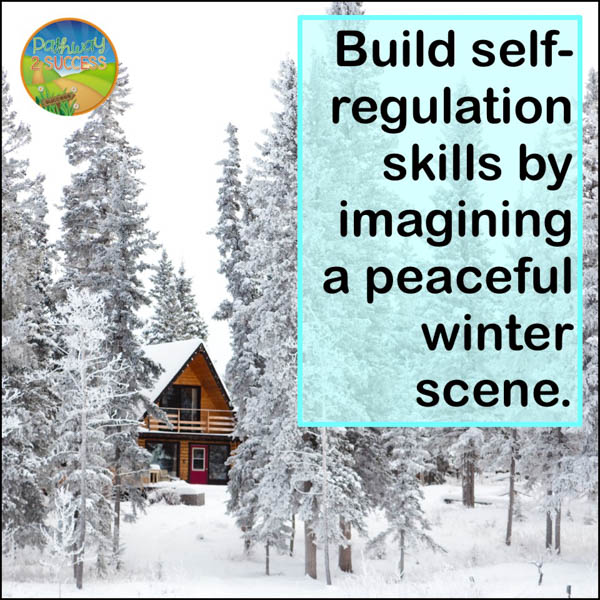
Imagination and visualization exercises offer children an internal sanctuary during stressful periods. By guiding young learners to close their eyes and mentally construct a serene winter scene—such as a quiet snow-covered forest or a peaceful cabin view—facilitators help them practice self-soothing. By focusing on the sensory details of a relaxing mental image, children can intentionally shift their physiological and emotional state into calm.

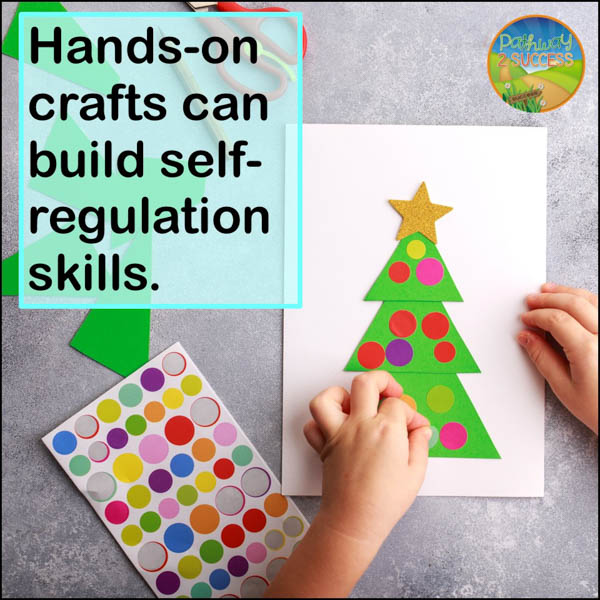
Creative arts and crafts further support self-regulation by engaging fine motor planning and creative expression. Whether crafting paper snowflakes, building winter scenes, or engaging in structured social-emotional learning art projects, children practice sustained attention and sequential thinking. These activities teach patience and emotional management, particularly when creative execution does not go precisely as planned.
Auditory environments also heavily influence emotional regulation. Playing gentle, winter-themed instrumental music—such as soft piano or guitar tracks—during independent work or transitions creates an anchored, focused atmosphere. The deliberate act of listening to calming music triggers a natural relaxation response in the human body, facilitating deeper concentration throughout the day.
Finally, playful movement games like winter freeze dance merge physical activity with impulse control. As children dance to upbeat music and must abruptly freeze upon hearing specific winter vocabulary words, they actively practice self-control, body awareness, and rapid transitions between high energy and stillness. Through these diverse, engaging, and seasonally appropriate strategies, educators and families can equip children with the robust self-regulation tools necessary to thrive through the winter months and beyond.



